+91 97734 41022 sales@exoticalloy.com
Material Specification

Silicon Aluminium Bronze C64210

Silicon Aluminium Bronze C64210 Fasteners
Silicon Aluminium Bronze, Tightened Limits

Silicon Aluminium Bronze C64210 Fasteners

Silicon aluminium bronze C64210 is C64200 with tightened composition limits — copper with 6.3–7.0% aluminium and 1.5–2.0% silicon. Every other element limit is identical to C64200; the difference is that the aluminium ceiling comes down from 7.6% to 7.0% and the silicon ceiling from 2.2% to 2.0%.

Those narrower bands exist for consistency. Aluminium and silicon together set the strength, the hardness and the response to hot working, so halving the width of both ranges tightens the spread of delivered properties from heat to heat — which matters on forgings and on hardware made in volume to a fixed process. CDA list it as Aluminum Silicon Bronze and name pole line hardware and high-strength, corrosion-resistant bearings among its uses, supplied under ASTM B124, B150 and B283 and ASME SB150 and SB283.

CDA publish a density of 7.70 g/cm³ for this alloy and nothing else — no mechanical, thermal or fabrication data, and no melting range, conductivity, modulus or machinability rating. We have reproduced exactly what is registered and have not substituted C64200's figures, even though the chemistries overlap: the tightened ranges are the reason the designation exists, and borrowing data from the wider grade would defeat the point. Properties should be established on the material supplied and agreed on the order. Exotic Alloy supplies C64210 forging rod, bar, shapes and die forgings.

Request a Quote
Product Range

Silicon Aluminium Bronze C64210 Fasteners Available

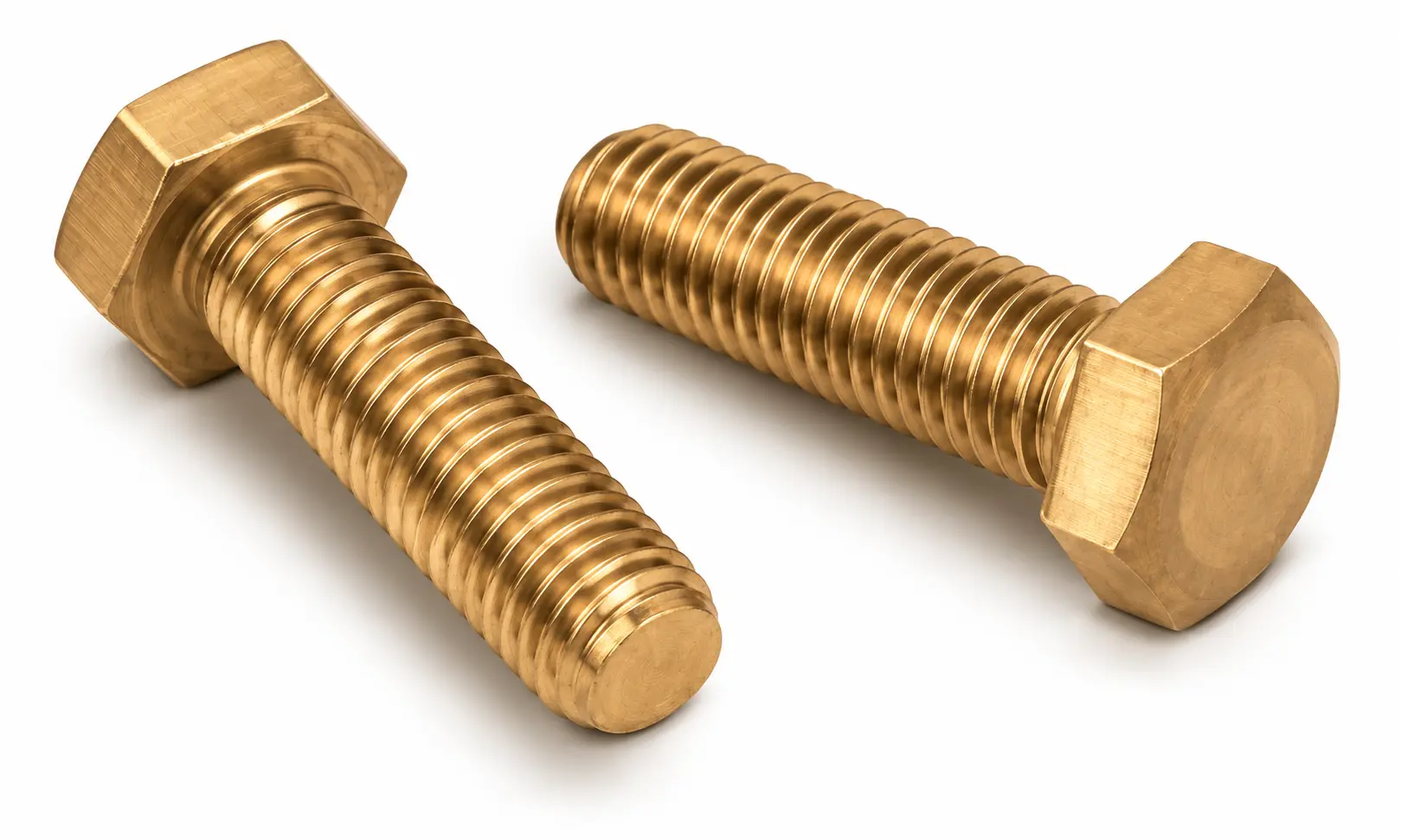
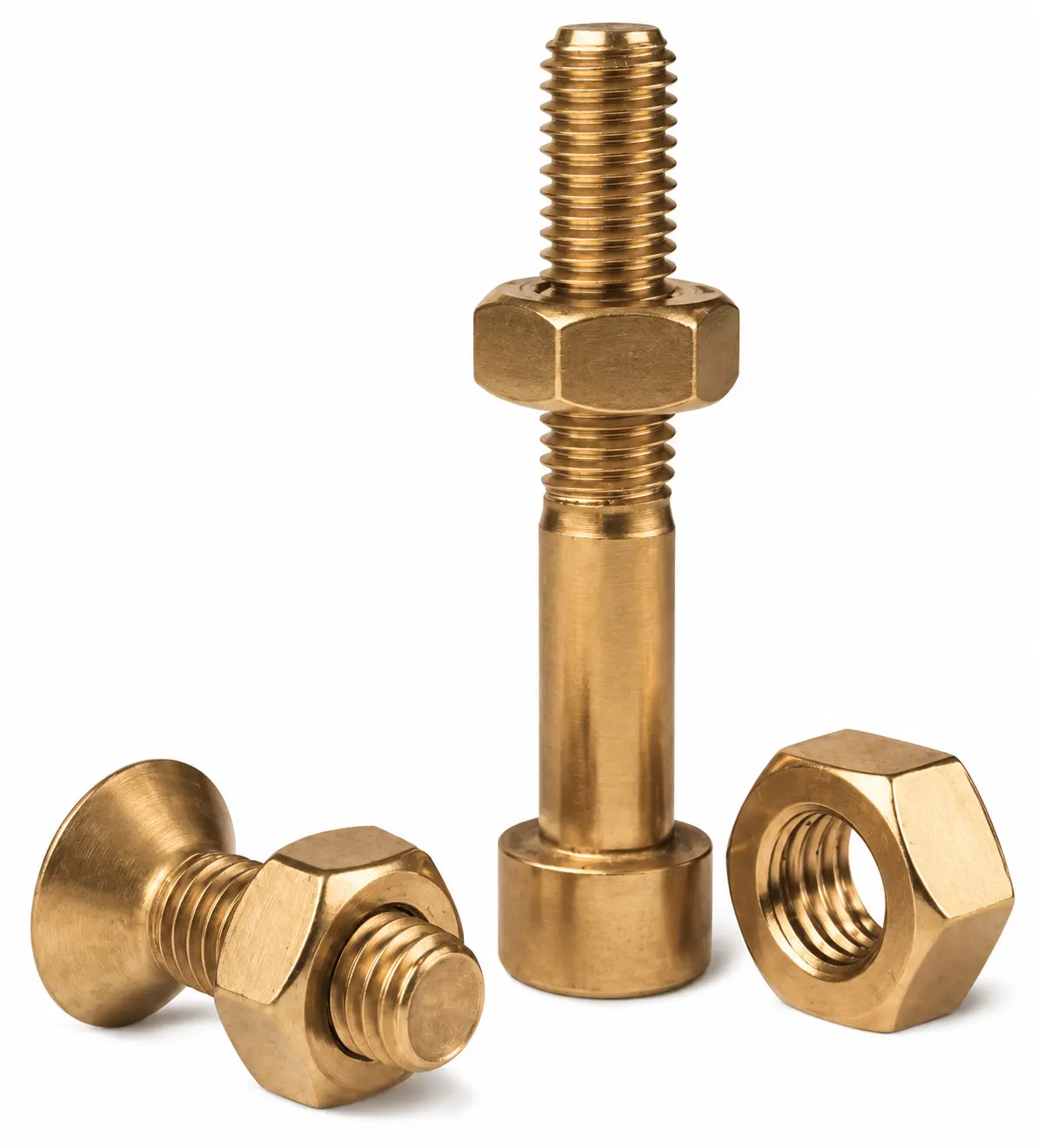
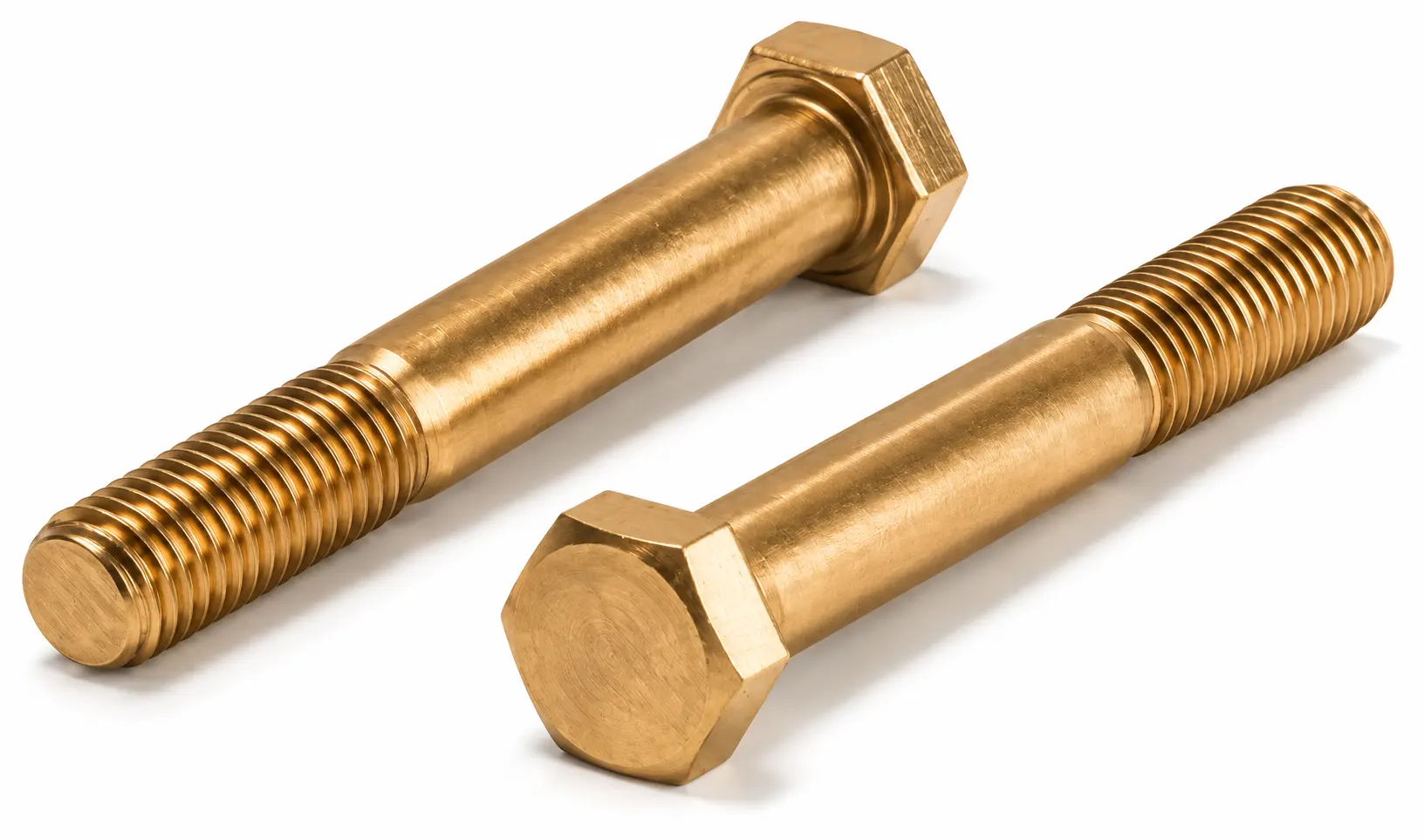
Silicon Aluminium Bronze C64210 Hex Bolts
Silicon Aluminium Bronze C64210
Hex Bolts
Silicon Aluminium Bronze C64210 Heavy Hex Bolts
Silicon Aluminium Bronze C64210
Heavy Hex Bolts
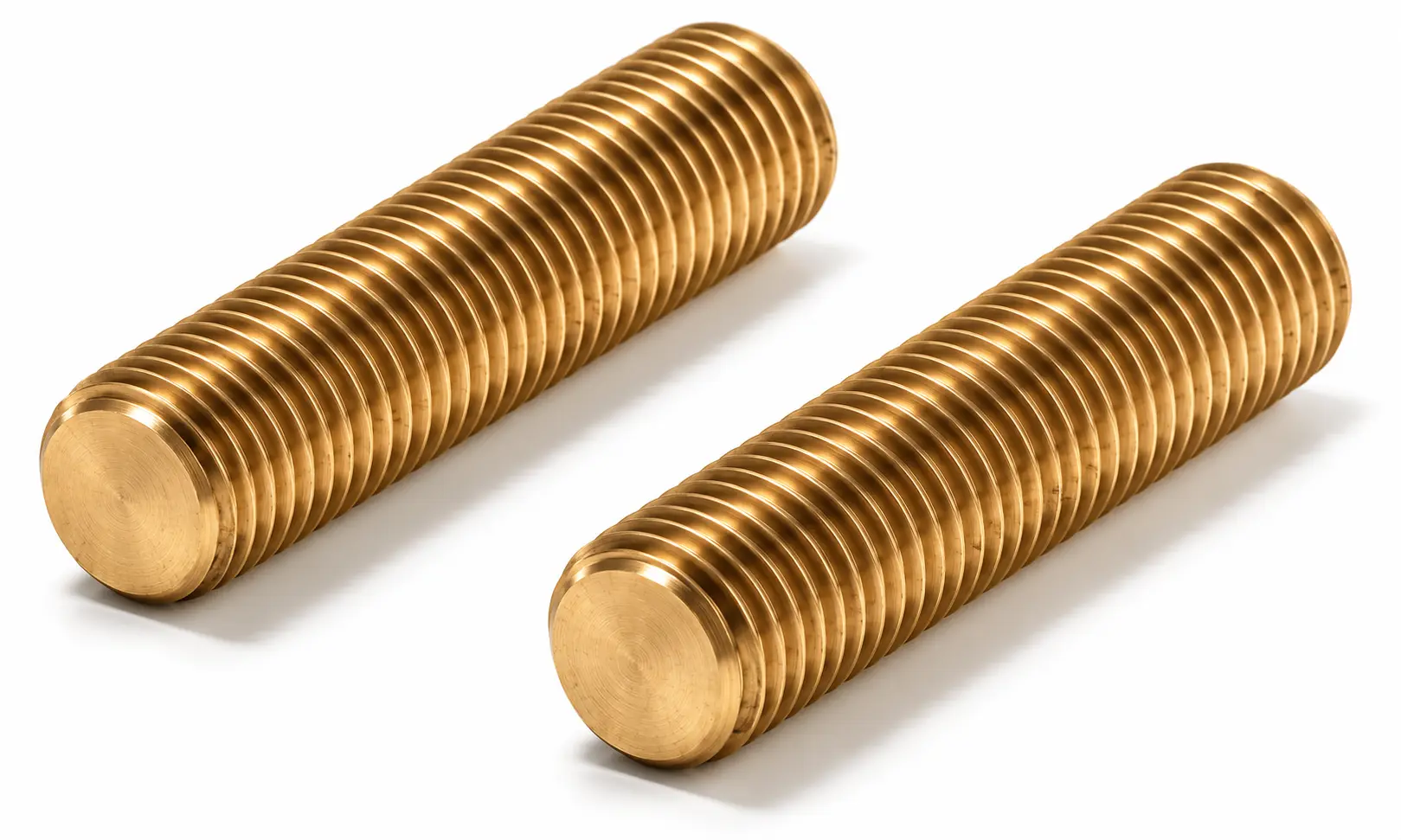
Silicon Aluminium Bronze C64210 Stud Bolts
Silicon Aluminium Bronze C64210
Stud Bolts
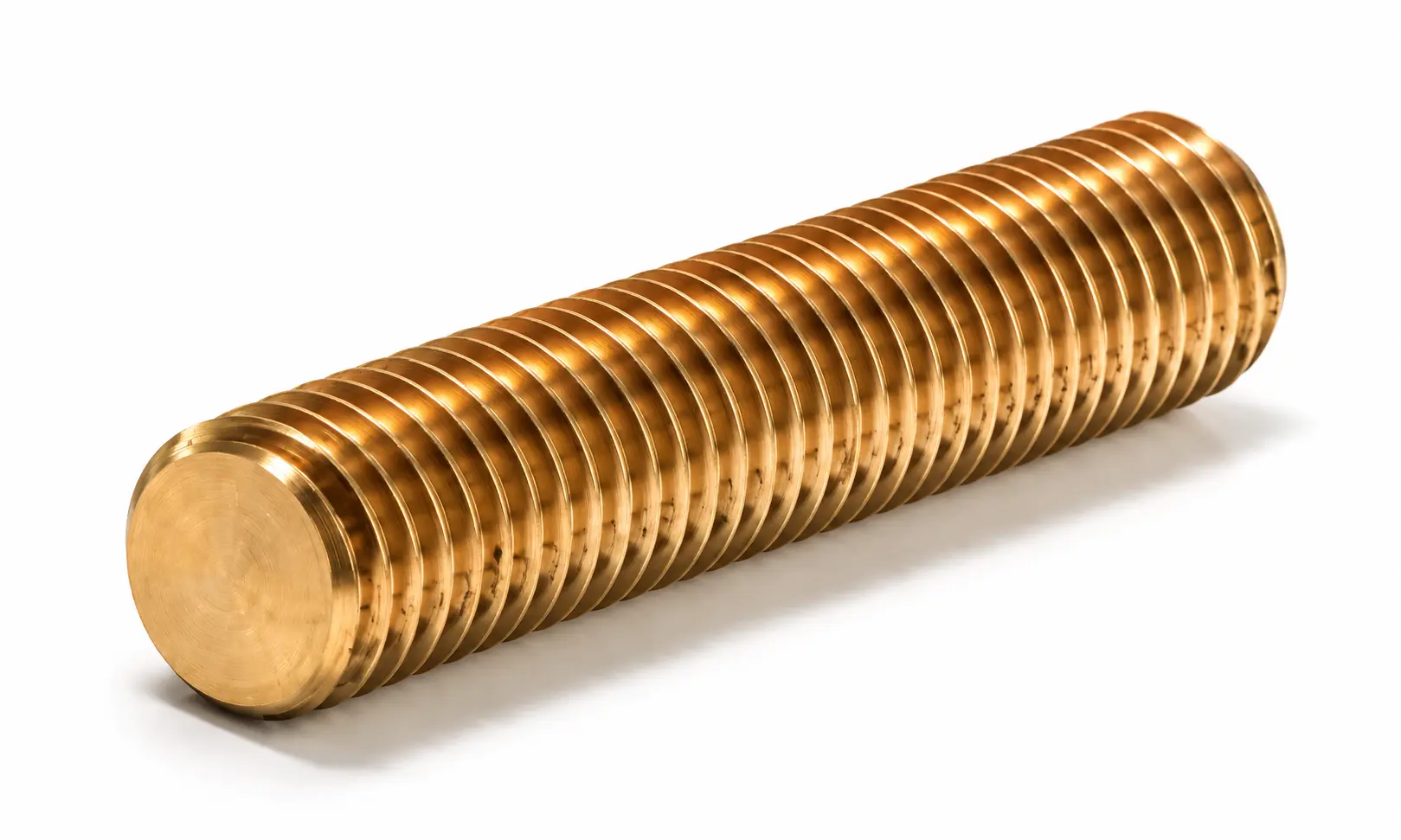
Silicon Aluminium Bronze C64210 Threaded Rods
Silicon Aluminium Bronze C64210
Threaded Rods
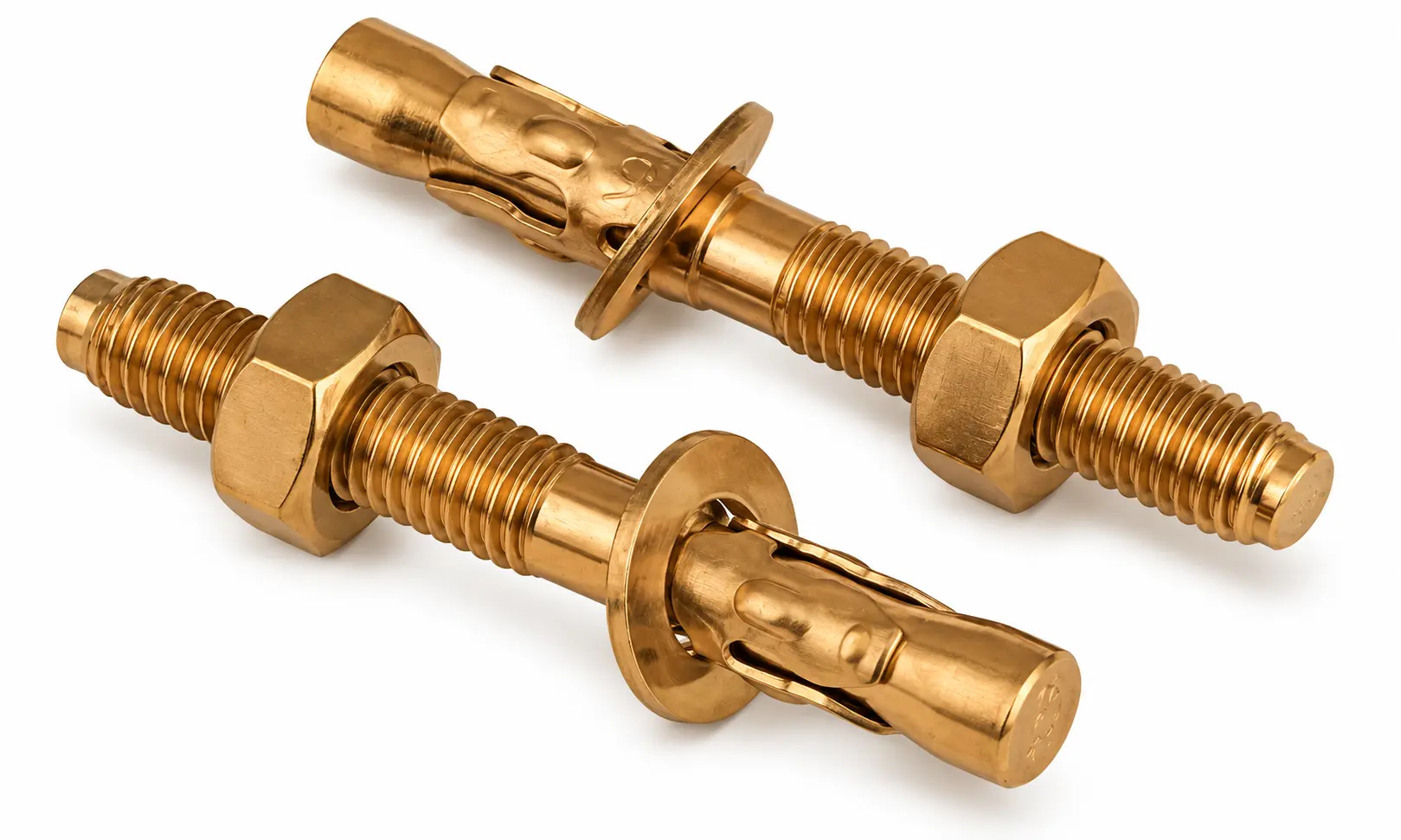
Silicon Aluminium Bronze C64210 Anchor Bolts
Silicon Aluminium Bronze C64210
Anchor Bolts
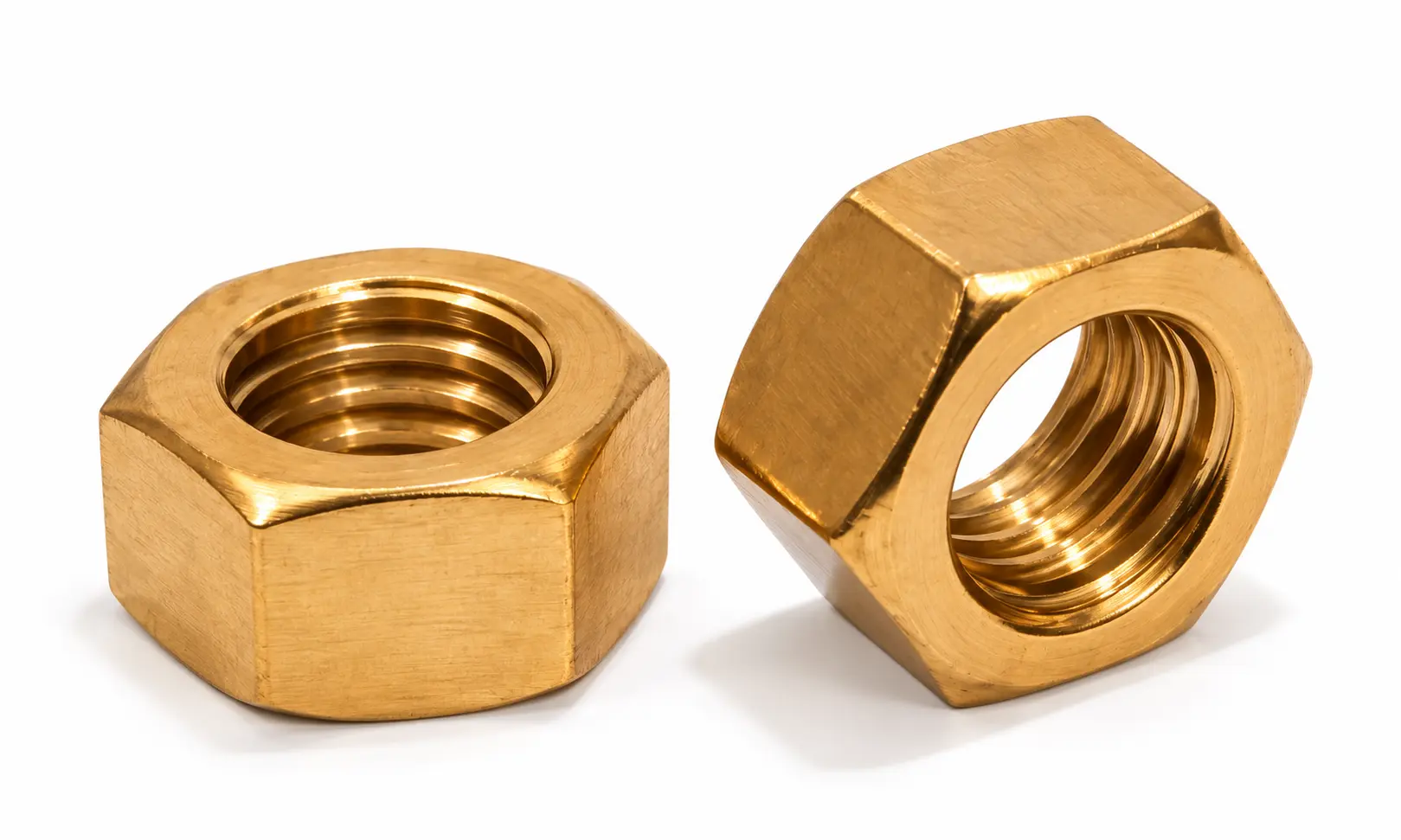
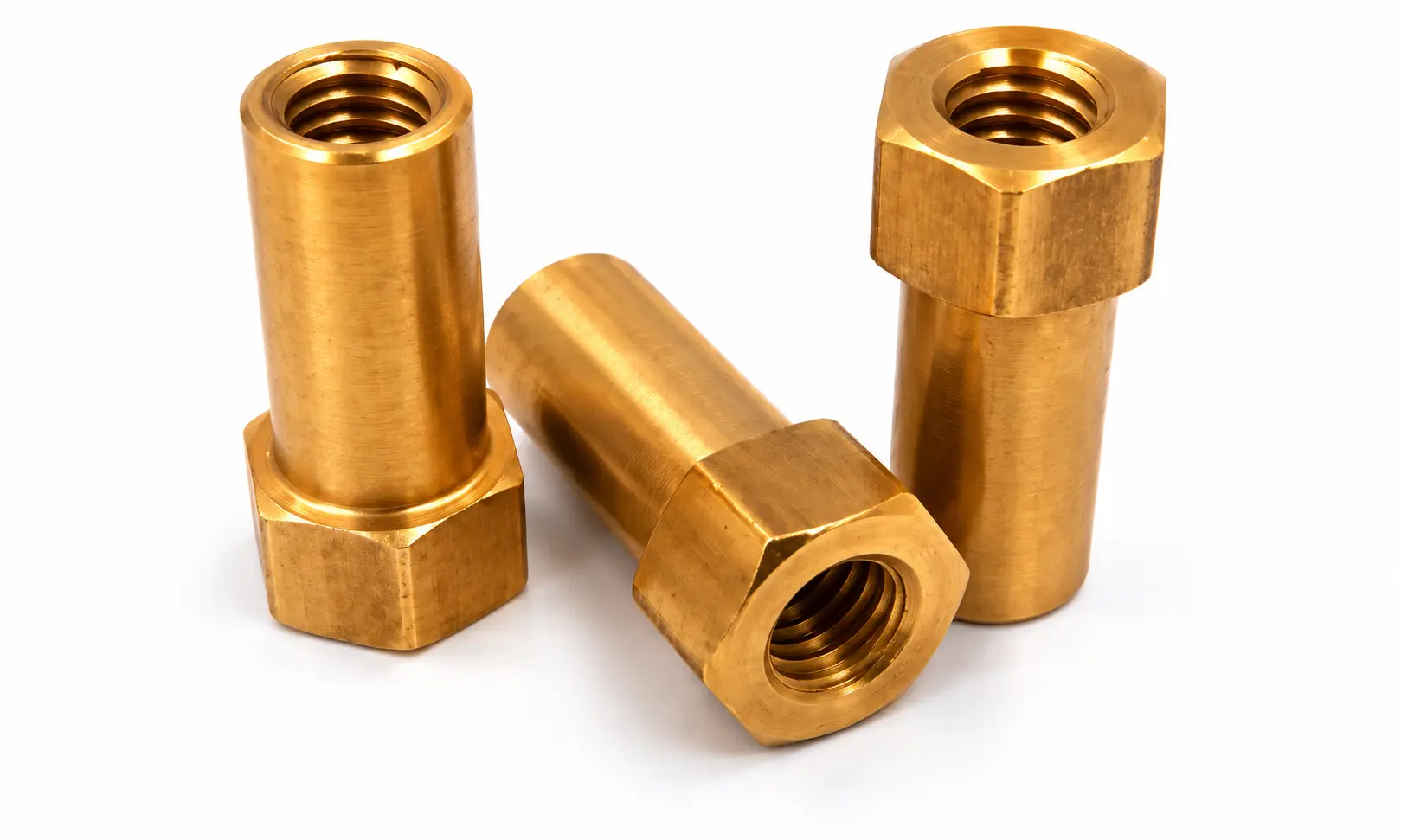
Silicon Aluminium Bronze C64210 Hex Nuts
Silicon Aluminium Bronze C64210
Hex Nuts
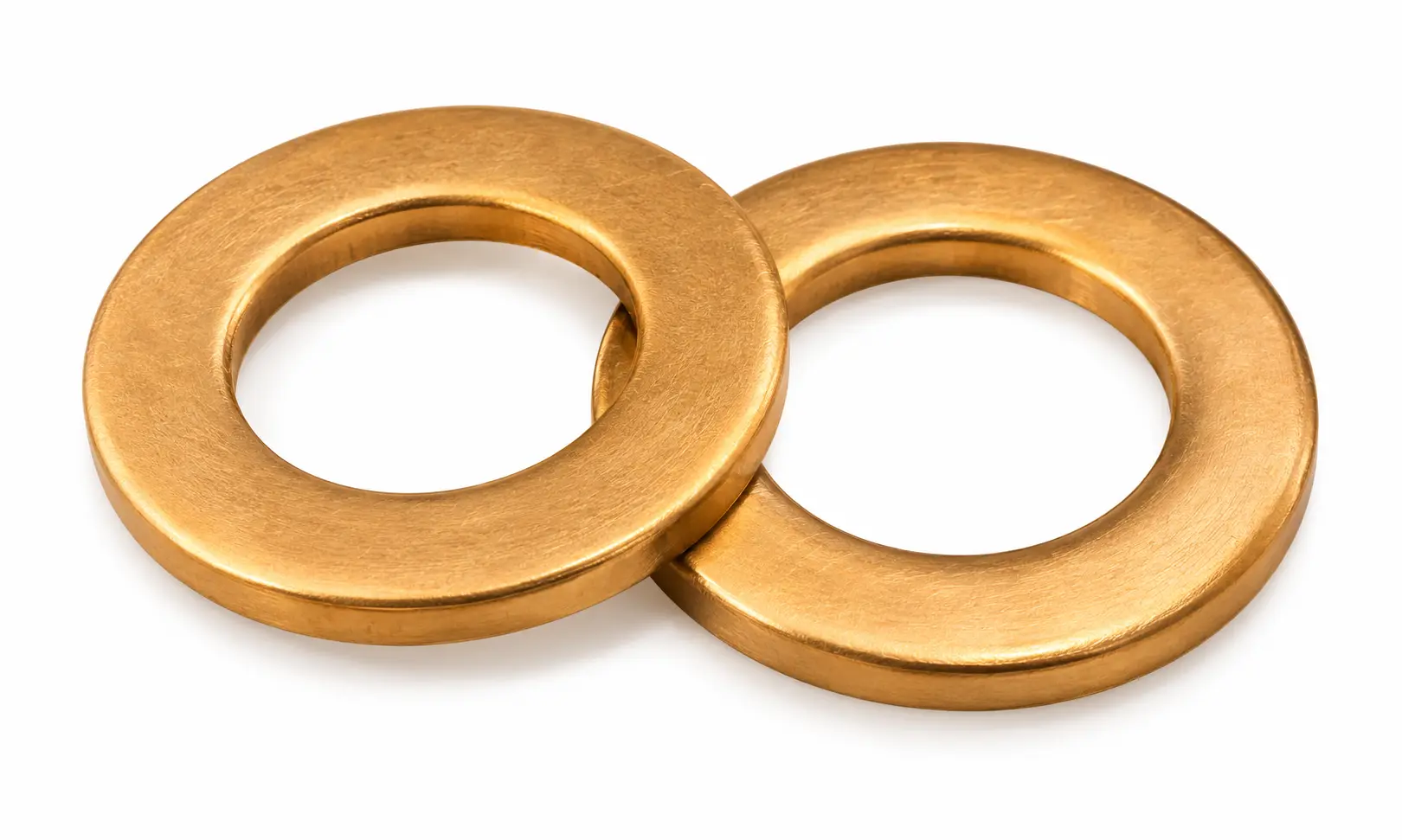
Silicon Aluminium Bronze C64210 Washers
Silicon Aluminium Bronze C64210
Washers
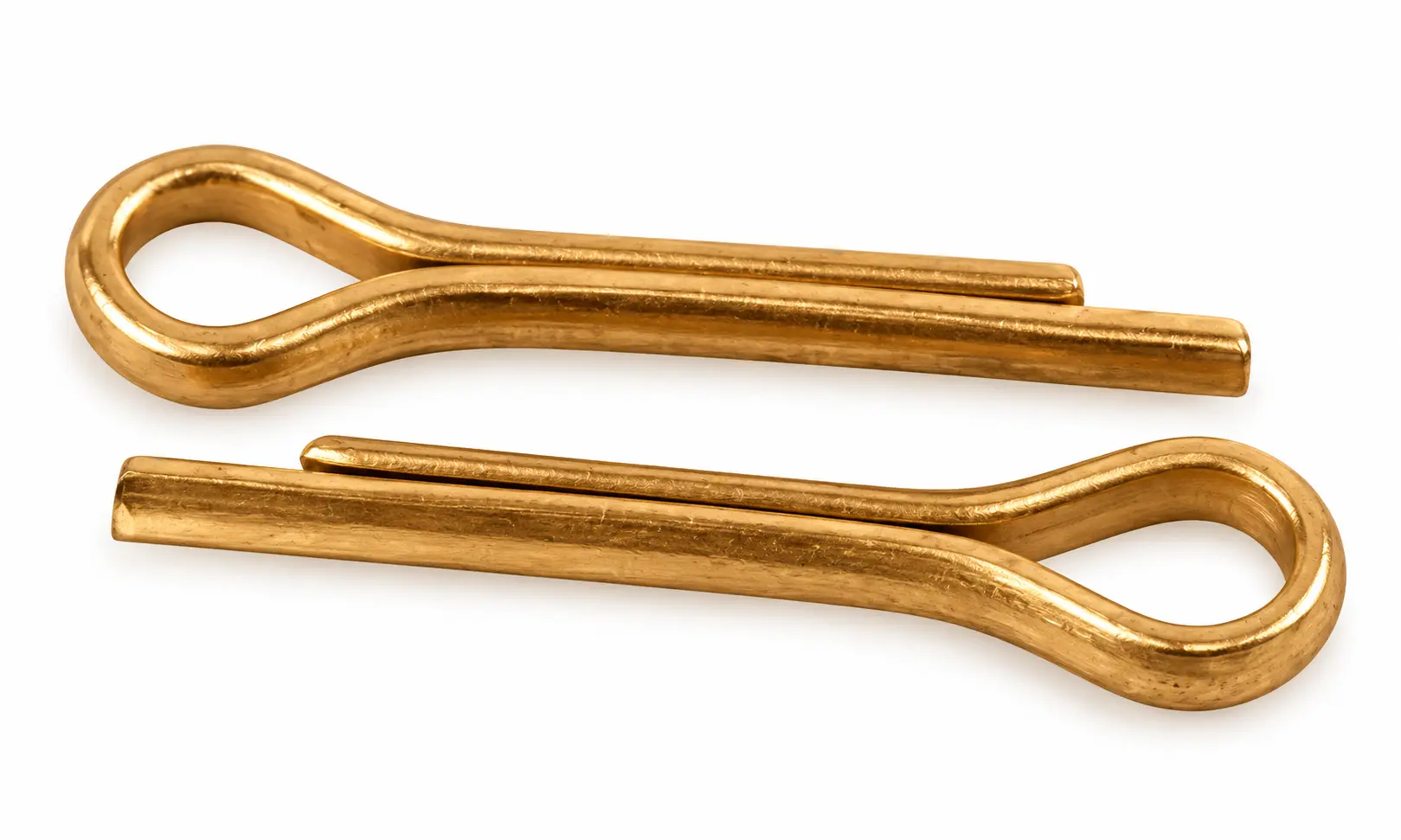
Silicon Aluminium Bronze C64210 Cotter Pins
Silicon Aluminium Bronze C64210
Cotter Pins
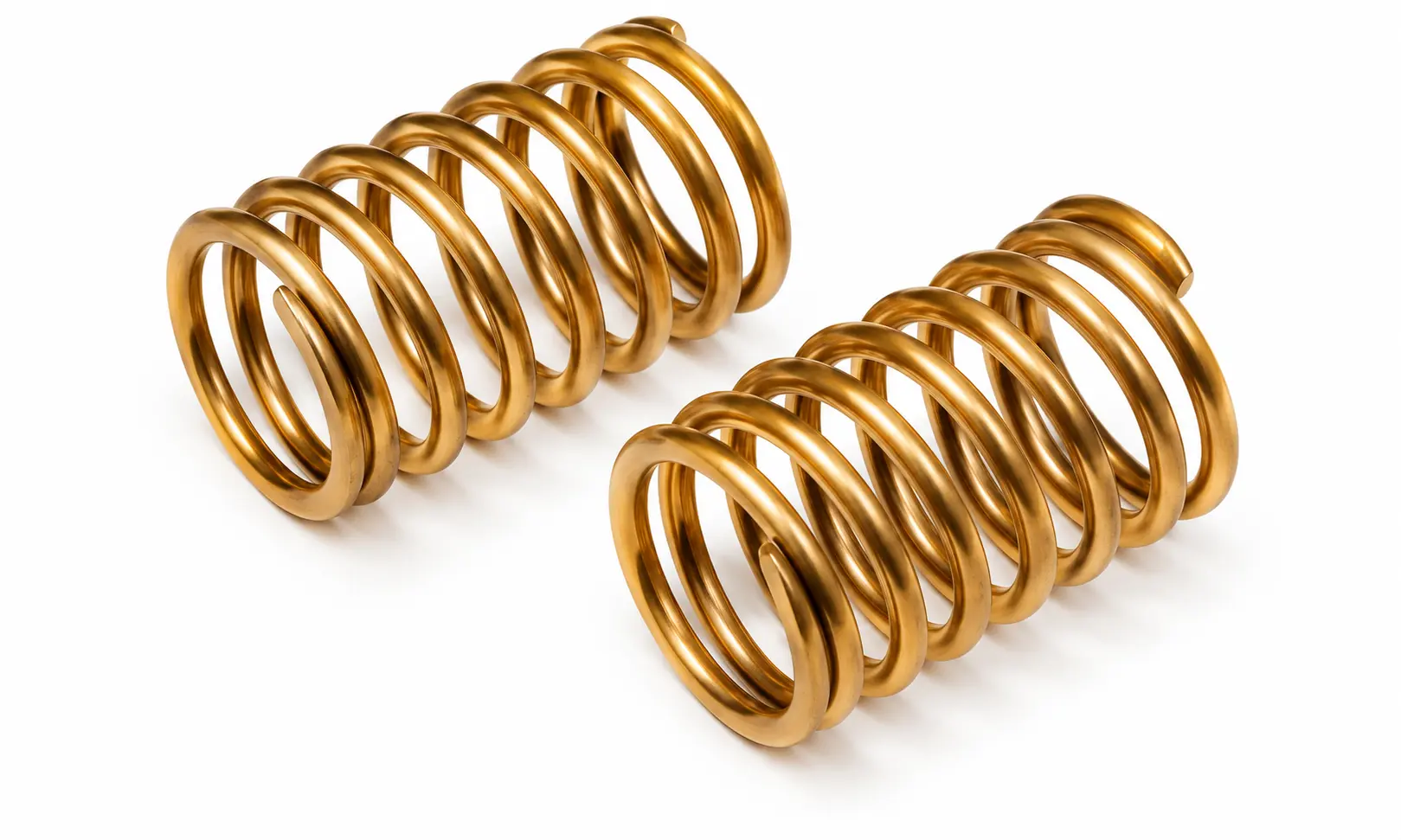
Silicon Aluminium Bronze C64210 Springs
Silicon Aluminium Bronze C64210
Springs
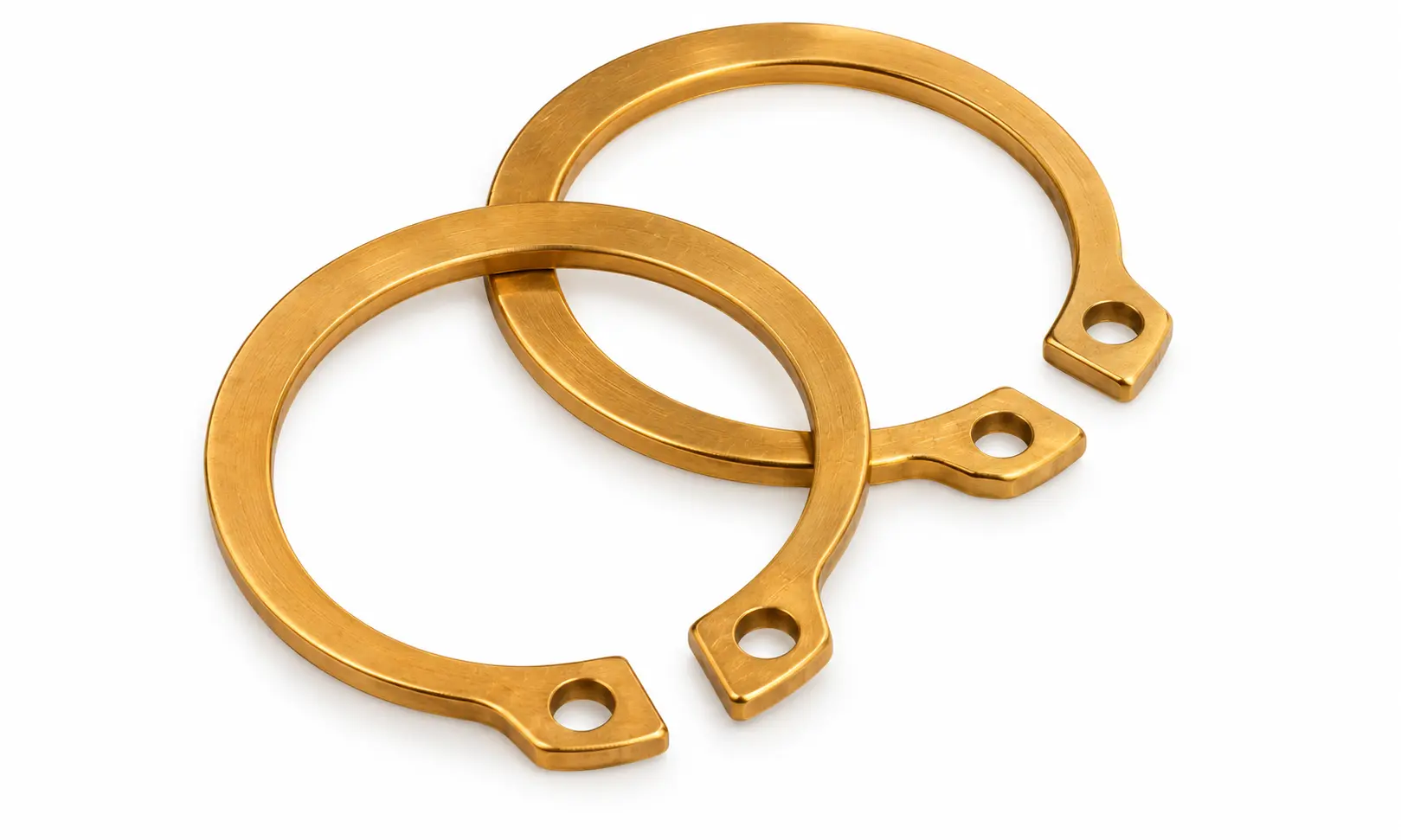
Silicon Aluminium Bronze C64210 Circlips
Silicon Aluminium Bronze C64210
Circlips
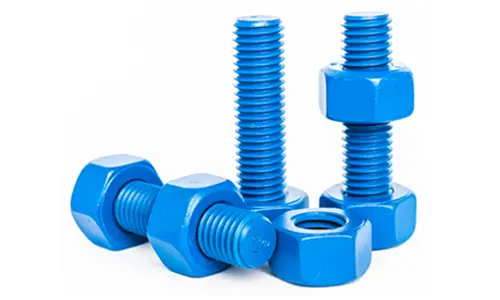
Silicon Aluminium Bronze C64210 Coated Fasteners
Silicon Aluminium Bronze C64210
Coated Fasteners
Silicon Aluminium Bronze C64210 Custom Spacers
Silicon Aluminium Bronze C64210
Custom Spacers
Technical Data

Silicon Aluminium Bronze C64210 Specifications

Chemical Composition — Silicon Aluminium Bronze C64210 (wt. %)
ElementMinimum %Maximum %
Copper (Cu) *Remainder—
Aluminium (Al)6.37.0
Silicon (Si)1.52.0
Zinc (Zn)—0.50
Iron (Fe)—0.30
Nickel (Ni) **—0.25
Tin (Sn)—0.20
Manganese (Mn)—0.10
Arsenic (As)—0.09
Lead (Pb)—0.05
Copper + sum of named elements99.5—
Mechanical Properties — Silicon Aluminium Bronze C64210
ConditionUTS (MPa)YS 0.5% EUL (MPa)Elongation (%)Hardness
CDA publish no mechanical property data for C64210 — the alloy is registered on its composition limits and specification list alone, with a density figure as the only physical property. Values from C64200 are not transferable: C64210 exists precisely because its aluminium and silicon ranges are narrower, and quoting the wider grade's data would misrepresent it. Mechanical requirements should be established on the material supplied, against ASTM B124, B150 or B283 for the product form concerned, and agreed on the order. Contact Exotic Alloy with your product form, section size and required properties.
Physical Properties
CDA publish only a density of 7.70 g/cm³ for C64210 — no melting range, electrical or thermal conductivity, thermal expansion, specific heat, modulus, machinability or forgeability rating, and no annealing or hot working temperatures. Values should not be assumed from C64200: the tightened aluminium and silicon ranges are the whole reason this designation exists. Contact Exotic Alloy for data established on the specific material supplied.
Equivalent Grades & Standards
UNSCDA NumberCDA Alloy NameCommon Name
C64210 CDA 642 Aluminum Silicon Bronze Silicon Aluminium Bronze C64210, CDA 642-10

Key Specifications: ASTM B124/B124M / ASTM B283/B283M / ASME SB283 / ASME SB150 / ASTM B150/B150M.

*The copper value includes silver. The nickel value includes cobalt.

Note on fastener standards: C64200 is one of only five copper alloys in the ASTM nonferrous fastener standards that carry a tensile requirement above 500 MPa. ASTM F468 and F467 list C64200 as Cu 642, mechanical property marking F 468J, specified at 517–758 MPa (75–110 ksi) tensile with 241 MPa minimum yield at 75–95 HRB in all diameters, with 10% minimum elongation. The standard also sets a copper minimum of 88.65% for Cu 642, where CDA give copper as the remainder.

Read that 10% figure against the alternatives, because it is where Cu 642 earns its place. Cu 630 is stronger at 690–896 MPa but allows only 5% elongation; Cu 614 is more ductile at 30% but tops out at 517 MPa minimum; Cu 464 naval brass is far weaker at 345 MPa. Cu 642 sits deliberately in the middle — the same tensile range as Cu 614, twice the elongation of Cu 630, and the best machinability of any certified aluminium bronze fastener alloy at a rating of 60. Where a bolted joint needs real strength but must still yield and redistribute load, it is frequently the right answer.

C64200 is also covered by AMS 4631 and ASTM B124, B150 and B283. C63600 is not an F468 grade, but CDA list cold headed nuts among its typical uses and it is rated Excellent for cold working — it is the cold-heading alloy of this family. The remaining grades are supplied to their mill and casting product standards, with thread conformance to the relevant ASME or ISO standard and acceptance criteria agreed on the order.

Every silicon aluminium bronze order ships with EN 10204 3.1 certification giving the heat analysis, the temper, and the mechanical test results for the product form and section supplied. Aluminium and silicon are reported explicitly — together they set the strength, the machinability and the position relative to the gamma-2 threshold — along with the arsenic content, which carries a registered maximum on all three wrought grades. Mechanical and hardness verification against the specified temper and section, stress-relief treatment on cold-headed and formed parts, microstructural examination, and positive material identification can all be added at order stage.

Machining: this is the easy-machining branch of the aluminium bronzes, and it is the main practical reason to choose it. C64200 and the cast C95600 both rate 60 on the CDA scale and C63600 rates 40. Set that against 20 for C95800, 30 for C63000 and 20 for C61400: these alloys cut two to three times more freely than the rest of the family at comparable corrosion performance. The silicon-bearing phases break the chip where a conventional aluminium bronze smears. CDA list machining itself among the common fabrication processes for C64200.

It is still a bronze, not a leaded brass. C36000 is the 100 on this scale, and no leaded version of these alloys exists because lead and aluminium together make the melt hot short. Keep the practice that suits the family: rigid setups, keen positive-rake carbide tooling, a cut taken under the work-hardened layer rather than skimming it, moderate surface speed with generous feed, and flood coolant. Expect better tool life than on a nickel aluminium bronze but still well short of brass practice.

Forming and heat treatment split sharply by aluminium content on this hub.

C63600, at only 3.0–4.0% aluminium, is the cold-forming grade. CDA rate it Excellent for cold working — the only grade on this hub to earn that — and publish 64–67% elongation in the annealed O61 temper, which is exceptional for any aluminium bronze. It cold heads, upsets, bends and draws readily, and CDA list cold headed nuts and cable connectors among its uses. Hot forming is only Fair, with a hot working range of 760–871 °C.

C64200 is the reverse: cold working Poor, hot forming Excellent, forgeability rating 80, with CDA listing forging and hot forming as its common fabrication processes. It is hot extruded or forged to shape and then machined, with annealing at 593–704 °C and hot working at 704–871 °C.

None of these alloys is hardenable by heat treatment. All of them sit below the aluminium level at which a beta phase forms, so there is no quench-and-temper response to exploit — unlike C95500 or C95400. Strength comes from composition and cold work alone, and the tempers record it: O61 annealed, H00 and H01 at light cold reductions, H04 hard, M30 as hot extruded and M10 as hot forged. For C95600 CDA register a stress relief at 316 °C (600 °F) and no solution treatment cycle. Stress relieve cold-headed and heavily formed parts before service — residual tension plus ammonia or amines will crack a copper alloy.

Welding: this family is the weak point of the aluminium bronzes, and it should influence grade choice. CDA rate C63600 and C64200 only Fair for gas shielded arc welding, coated metal arc welding and all three resistance processes, and Not Recommended for oxyacetylene welding. Soldering is Not Recommended on both, and brazing is Not Recommended on C63600 and only Fair on C64200. Compare that with C63200, which CDA rate Excellent for gas shielded arc welding.

The cast C95600 is the exception within the family and is rated Good for gas shielded arc welding, soldering and brazing, with coated metal arc welding Fair and oxyacetylene Not Recommended.

The practical conclusion: specify silicon aluminium bronze for machined, forged, cold-headed and cast parts, and think twice before specifying it for a critical welded fabrication. Where the design needs a welded seawater structure, C63200 or C61300 are the better choices. Where welding is unavoidable on these grades, clean back to bright metal immediately beforehand to remove the refractory alumina, use argon or argon-helium shielding with coverage front and back, control heat input, and qualify the procedure on the alloy and section rather than on a generic aluminium bronze procedure.

Silicon does the job that iron does in a plain aluminium bronze and nickel does in a nickel aluminium bronze — but it does it differently, and the consequences run right through the family. In a plain aluminium bronze iron refines the grain and forms hard kappa particles; in a nickel aluminium bronze nickel additionally suppresses the gamma-2 eutectoid. Here a deliberate 0.7–3.2% silicon addition strengthens the alloy through solid solution and silicon-bearing phases, and the single most important result is that less aluminium is needed for a given strength.

That matters because it keeps the whole family out of the gamma-2 danger zone. The brittle, preferentially-corroding gamma-2 phase that causes dealuminification only appears above roughly 9.4% aluminium. Every grade here sits well below that: C63600 at 3.0–4.0%, C64200 and C64210 at 6.3–7.6%, and the cast C95600 at 6.0–8.0%. They reach 517–703 MPa without ever entering the alpha-beta field, so they are inherently dealuminification-resistant without needing a nickel addition, and they are not quench hardenable either — strength comes from composition and cold work, not heat treatment.

The second consequence is machinability, and it is the headline property of this family. C64200 and C95600 both rate 60 on the CDA scale and C63600 rates 40, against 20–30 for almost every plain and nickel aluminium bronze. The silicon-bearing phases break the chip where the tough, work-hardening matrix of a conventional aluminium bronze simply smears. If a corrosion-resistant bronze part has to be machined in volume, this is the family to look at first.

Silicon aluminium bronze keeps the alumina film that defines the wider aluminium bronze family, and adds a silicon contribution to it. The result is good general resistance in seawater and brackish water, in non-oxidising acids — dilute sulphuric, hydrochloric and phosphoric — and in many process chemicals, together with good erosion and impingement resistance and copper's natural biofouling resistance. Like the rest of the family these alloys are non-sparking and essentially non-magnetic, and they hold useful strength at elevated temperature.

Because the aluminium stays below the gamma-2 threshold, dealuminification is not the design concern here that it is on the high-aluminium grades. That is a real simplification: there is no eutectoid to suppress, no quench-and-temper cycle to specify and certify, and no iron-to-nickel ratio to police. What you specify is the composition, the temper and the product form.

The limits are the same as for the family, with one addition. Oxidising acids, notably nitric, attack it. Ammonia and amines can cause stress-corrosion cracking in cold-worked material, so stress relieve formed and headed parts. Stagnant sulphide-polluted seawater degrades the protective film. And the alloys are cathodic to steel, so steel fasteners in a silicon aluminium bronze component will be attacked — match the materials or isolate them. The addition is weldability: see the fabrication notes, because this family is noticeably harder to weld than the nickel aluminium bronzes and that should influence grade choice where a welded joint is involved.

How four grades divide. Read the aluminium figure first, then the silicon. C63600 at 3.0–4.0% aluminium and 0.7–1.3% silicon is the outlier and the cold-forming grade: 414 MPa annealed with an exceptional 64–67% elongation, rated Excellent for cold working, made for cold headed nuts, cable connectors and formed electrical hardware. It also carries the highest density and the highest thermal conductivity here, because it is the least alloyed.

C64200 at 6.3–7.6% aluminium and 1.5–2.2% silicon is the main engineering grade: 517 MPa as hot extruded rising to 703 MPa hard, forgeability 80, machinability 60, and ASTM F468 and F467 Cu 642 as a certified fastener alloy. C64210 is the same alloy with tightened limits — aluminium capped at 7.0% instead of 7.6% and silicon at 2.0% instead of 2.2% — registered for more consistent properties in forgings and pole line hardware, though CDA publish no property data for it.

C95600 is the cast member: copper 88.0% minimum with 6.0–8.0% aluminium and 1.8–3.2% silicon, the highest silicon on this hub, essentially no iron and nickel limited to 0.25%. It is specified at 414 MPa minimum sand cast with 517 MPa typical, machines at 60, and is the only grade here CDA rate Good for gas shielded arc welding, soldering and brazing.
Key Characteristics

  • C64200 with tightened aluminium and silicon limits.
  • Aluminium capped at 7.0% instead of 7.6%.
  • Silicon capped at 2.0% instead of 2.2%.
  • All other element limits identical to C64200.
  • Narrower bands give a tighter spread of delivered properties.
  • CDA name pole line hardware and high-strength bearings among its uses.
  • Supplied under ASTM B124, B150 and B283 and ASME SB150 and SB283.
  • CDA publish density only — no mechanical or thermal data.

Typical Applications

  • Pole line and overhead electrical hardware.
  • High-strength corrosion-resistant bearings.
  • Die forgings to ASTM B283.
  • Forging rod, bar and shapes to ASTM B124 and B150.
  • Machined hardware requiring consistent properties.
  • Marine and offshore fittings.
  • Pump and valve components.
  • Volume-produced forged components.