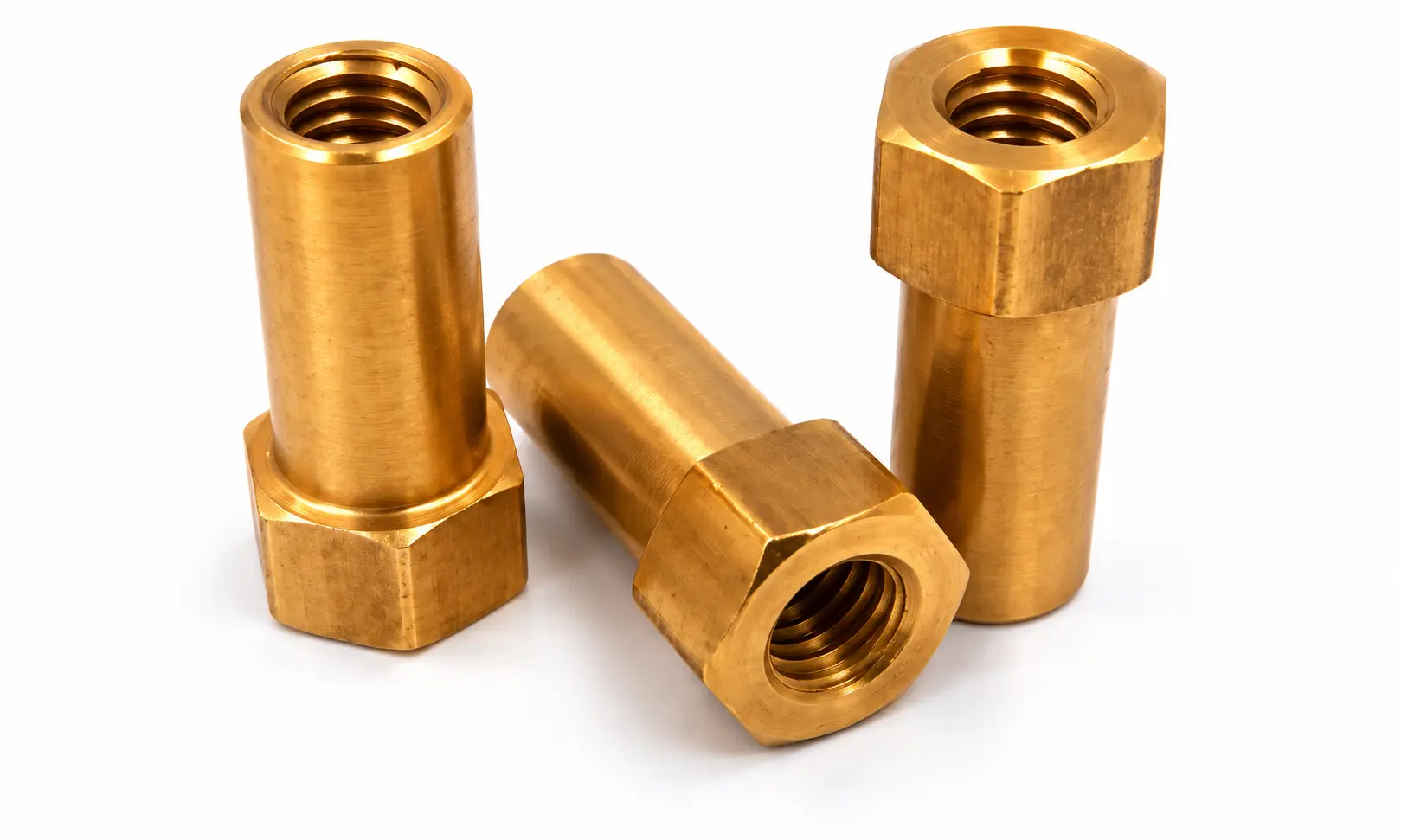
Everything about an aluminium bronze follows from its aluminium content, because aluminium decides the phase structure. Below roughly
8% aluminium the alloy is single-phase
alpha: face-centred cubic, ductile, cold formable, readily welded, and
not hardenable by heat treatment — strength comes from cold work alone. Above roughly
9.4% aluminium a second
beta phase is stable at temperature and the alloy becomes
alpha-beta. That changes the alloy fundamentally: it becomes much stronger, it hot forges and extrudes superbly, and — uniquely among the common copper alloys —
it can be quenched and tempered like a steel.
The catch is the eutectoid. On slow cooling through about 565 °C the beta phase decomposes to alpha plus
gamma-2 (γ₂, Cu₉Al₄), a hard, brittle intermetallic that embrittles the alloy and, worse,
corrodes preferentially. Rapid cooling from the beta field suppresses the eutectoid and produces a hard martensitic beta; a subsequent temper anneal then develops a controlled, fine alpha-plus-precipitate structure with good strength
and good corrosion behaviour. This is why the high-aluminium grades are supplied quenched and temper-annealed rather than slow cooled, and why heat-treatment control is a genuine quality issue on this family rather than a formality.
On this hub the division is clean.
C61000,
C61300 and
C61400 sit at 6–8.5% aluminium and are
single-phase alpha — formable, weldable, dealuminification-resistant, the grades to specify for tube, plate and fasteners.
C61900,
C62300,
C62400,
C62500 and the cast
C95400 run from 8.5% to 13.5% aluminium and are
alpha-beta — stronger, hot worked, heat treatable, and progressively harder, more wear resistant and less ductile as the aluminium rises.
Aluminium bronze owes its corrosion resistance to an aluminium oxide film, not a copper one, and that is what separates it from every other copper alloy. The 6–13% aluminium forms a thin, tenacious, self-healing alumina-rich surface layer that is far more stable than the cuprous oxide film on a brass or a tin bronze. The practical consequences are large: outstanding resistance in
seawater and brackish water, including at high flow velocity where a brass would be stripped by impingement; good resistance to
non-oxidising acids — dilute sulphuric, hydrochloric and phosphoric — and to many organic acids, alkalis and process chemicals; excellent
erosion, cavitation and impingement resistance, which is why pump impellers and valve trim are made from it; and high resistance to
biofouling from the copper matrix.
It is also
non-sparking and essentially non-magnetic, which puts aluminium bronze alongside
beryllium copper as a safety-tool and magnetically-sensitive-environment material — without beryllium's particulate controls. And it retains useful strength at elevated temperature, where most copper alloys soften quickly.
The limits are worth stating plainly. Oxidising acids, notably nitric acid, attack it. Ammonia and ammonium compounds can cause stress-corrosion cracking, as they do in brass. Sulphide-polluted stagnant seawater degrades the protective film. And the alpha-beta grades are susceptible to
dealuminification if the structure is wrong — see below.
Dealuminification is the aluminium bronze analogue of dezincification, and it is the one failure mode to design against. Aluminium is selectively leached out of the alloy, leaving a porous, weak, copper-rich residue that keeps the original shape of the part — exactly the deceptive failure that makes dezincification dangerous in brass. A dealuminified pump casing or valve body can look sound and have almost no remaining strength.
It is a structural problem, not simply a compositional one. Attack concentrates on the
gamma-2 phase formed when an alpha-beta alloy is cooled slowly through the eutectoid, and on continuous beta networks. There are three defences.
Stay single phase — below about 8% aluminium the alloy is alpha and the problem largely disappears, which is why
C61300 and
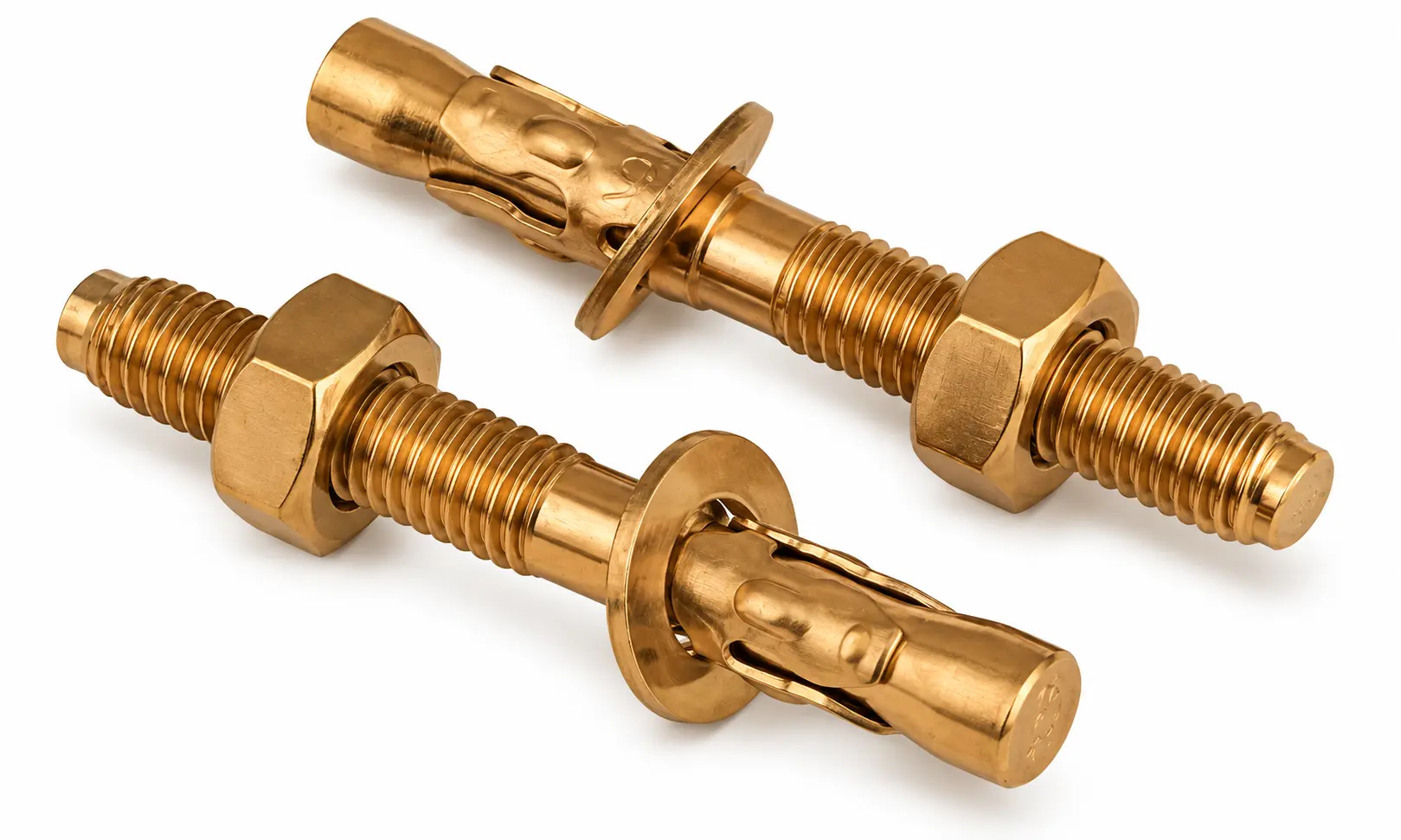
C61400 are the grades specified for long-life seawater tube and fastening.
Control the heat treatment — quench from the beta field and temper anneal, so that the gamma-2 is suppressed and the structure is fine and discontinuous; this is the route used for
C95400 castings in the TQ50 condition.
Add nickel — at about 4% and above, nickel suppresses the eutectoid decomposition outright, which is the whole reason the
nickel aluminium bronzes exist as a separate family for critical seawater service. Where a part will spend its life immersed, state the required structure and heat-treated condition on the order rather than relying on the composition limits alone.
How eight grades divide. Read the aluminium figure first. The
single-phase alpha grades at 6–8.5% aluminium are the formable, weldable, corrosion-first choices:
C61000 is the simplest and most conductive at 15% IACS,
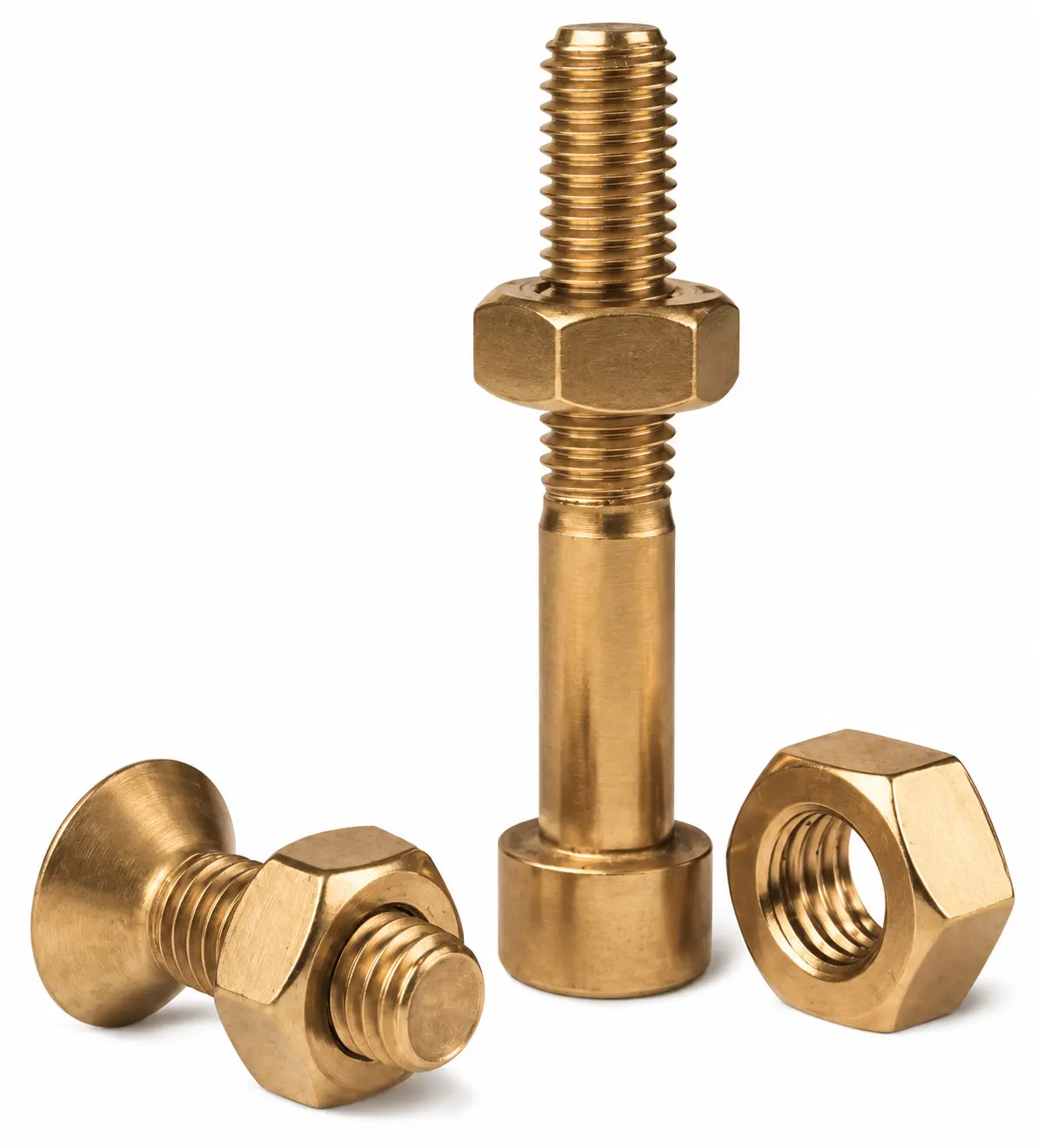
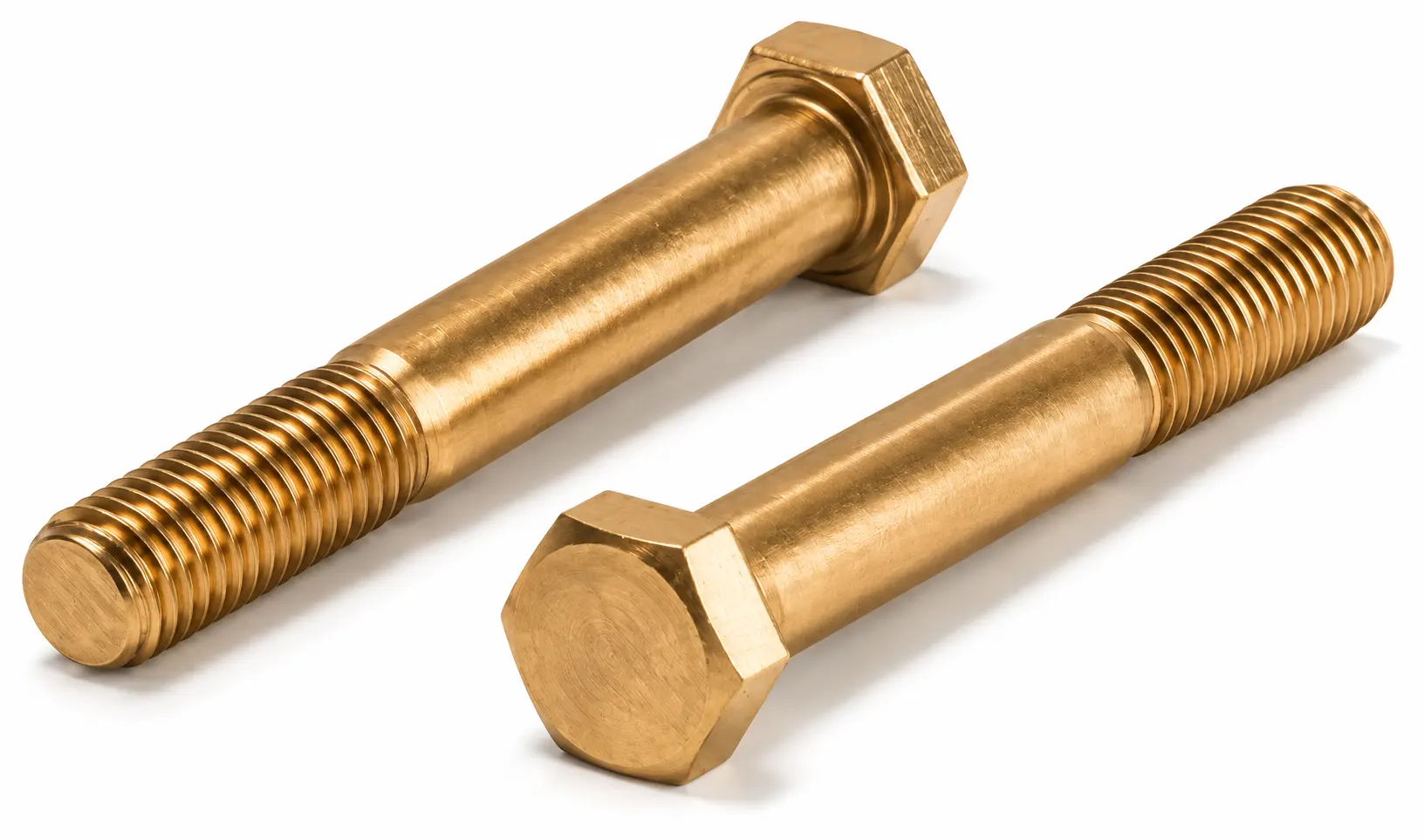
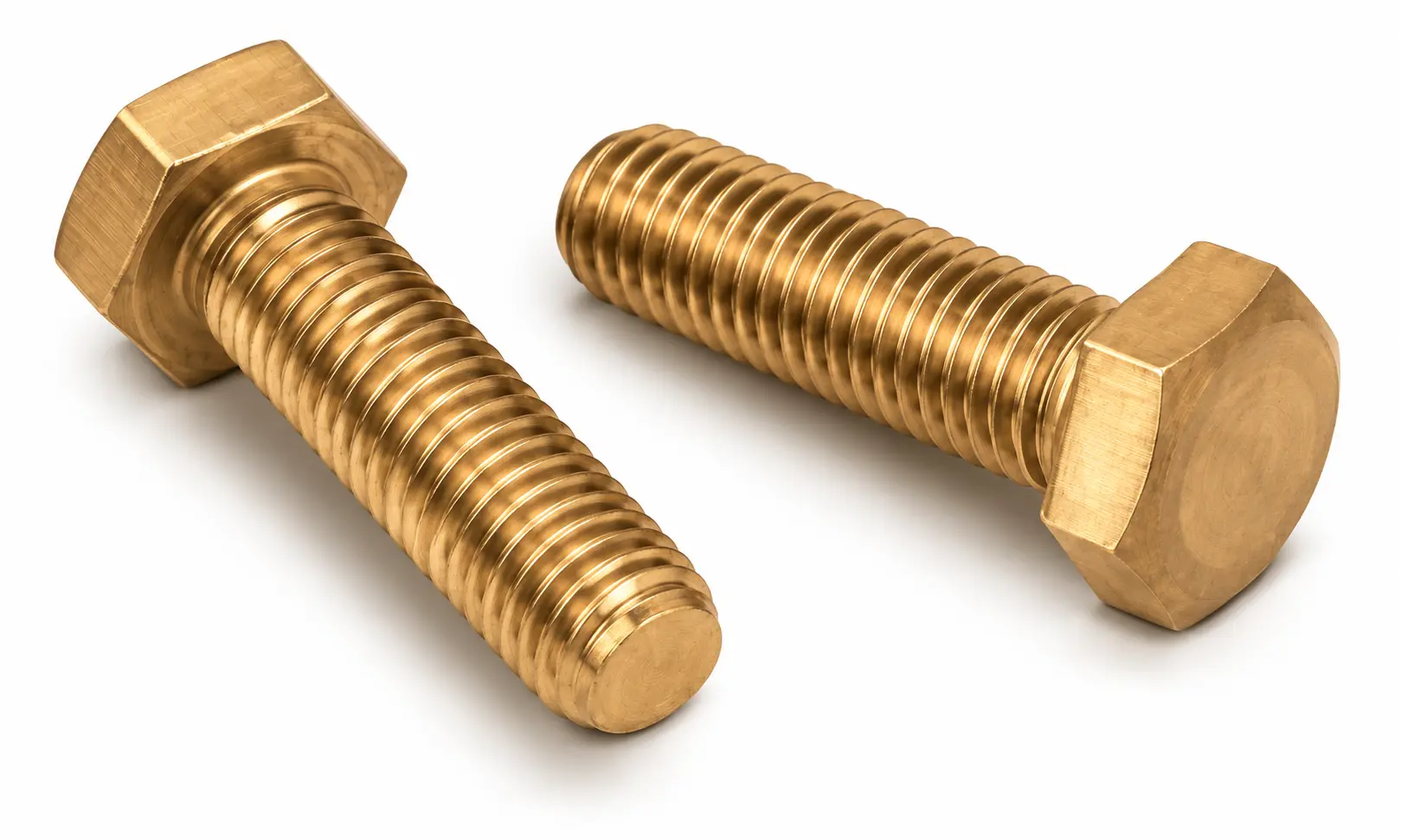
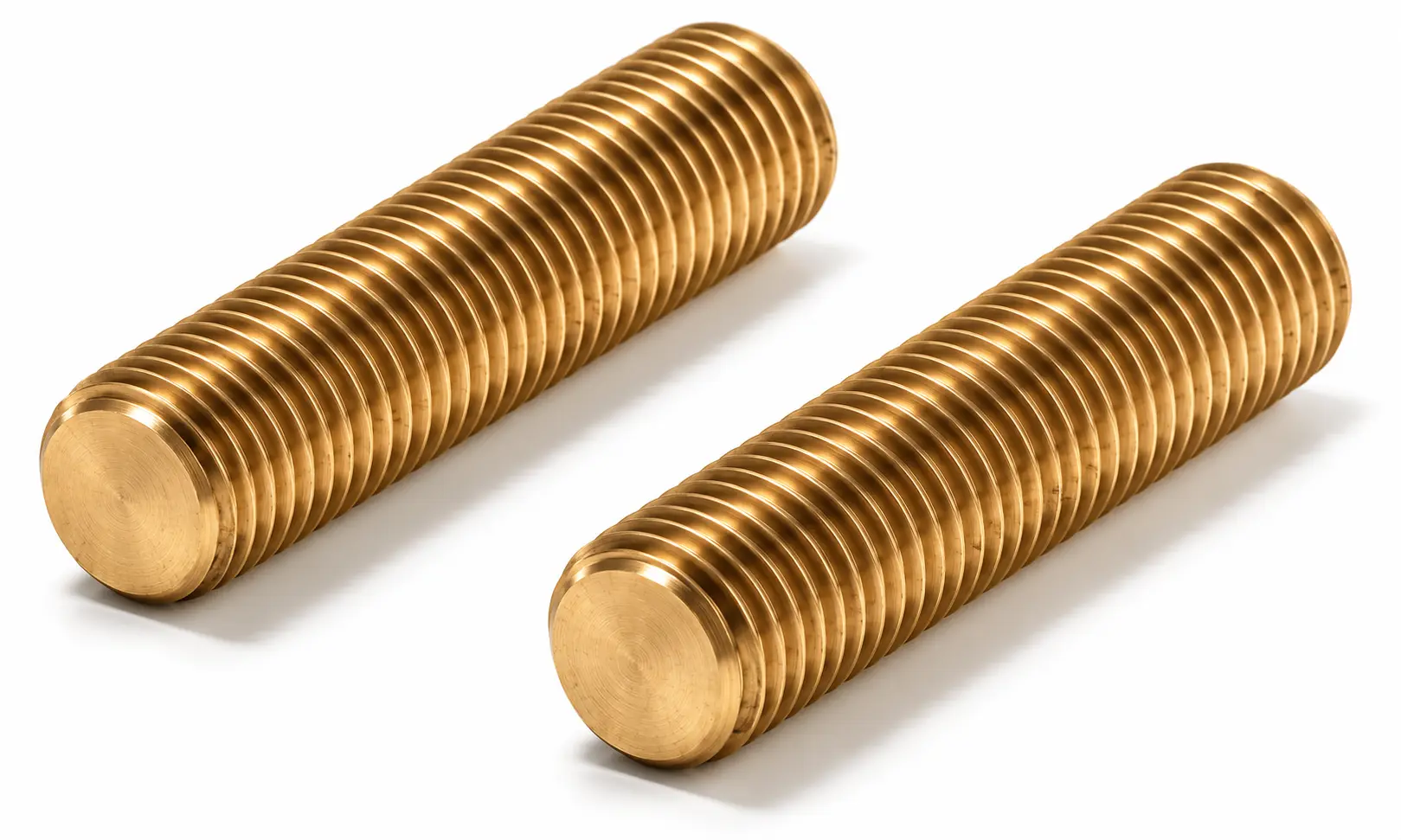
C61300 adds 0.20–0.50% tin for improved corrosion resistance and is the
ASTM F468 Cu 613 fastener grade, and
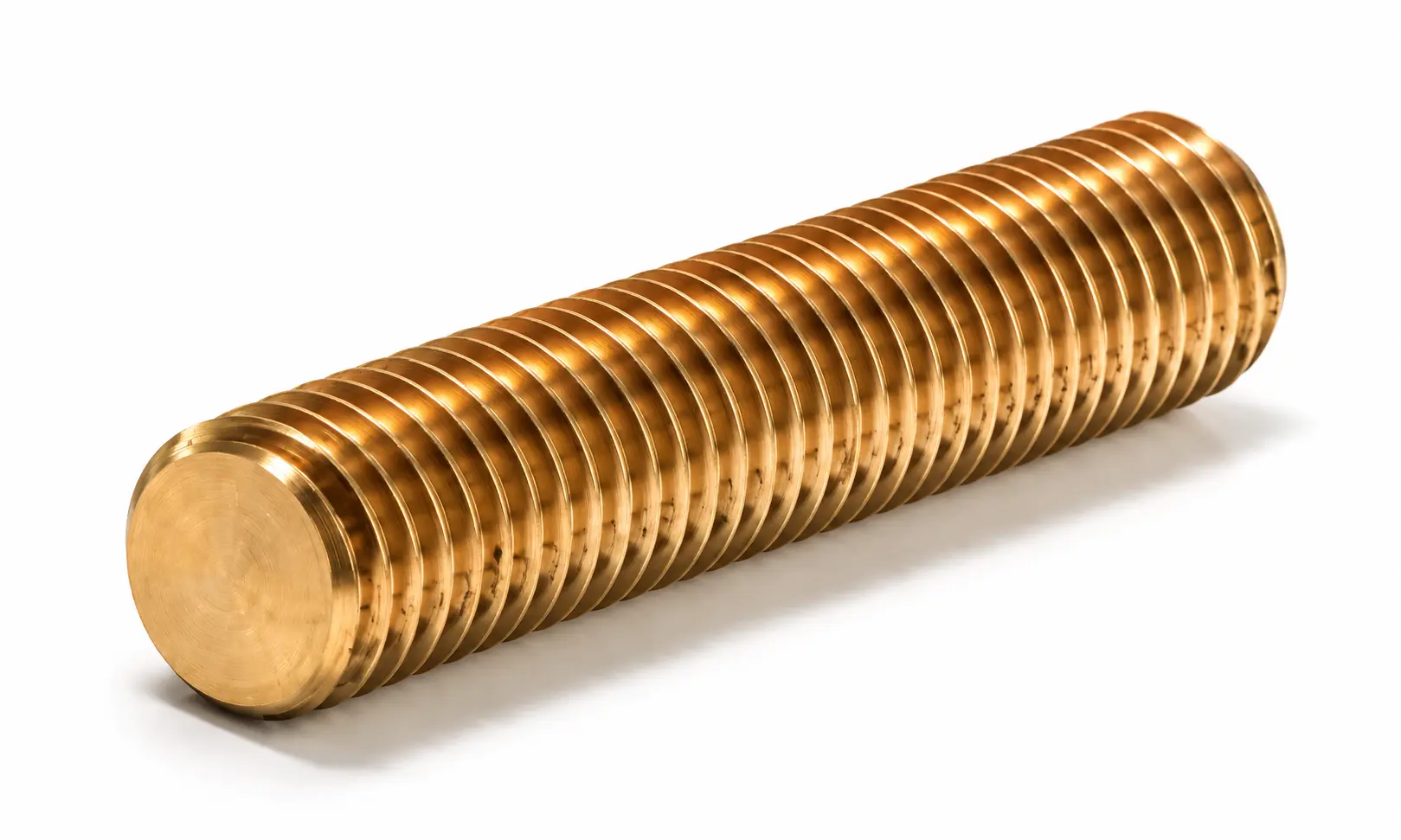
C61400 is the iron-bearing workhorse for condenser tube, plate and heat exchangers and the
ASTM F468 Cu 614 fastener grade. The
alpha-beta grades trade formability for strength and wear resistance as aluminium climbs:
C61900 at 8.5–10% is a
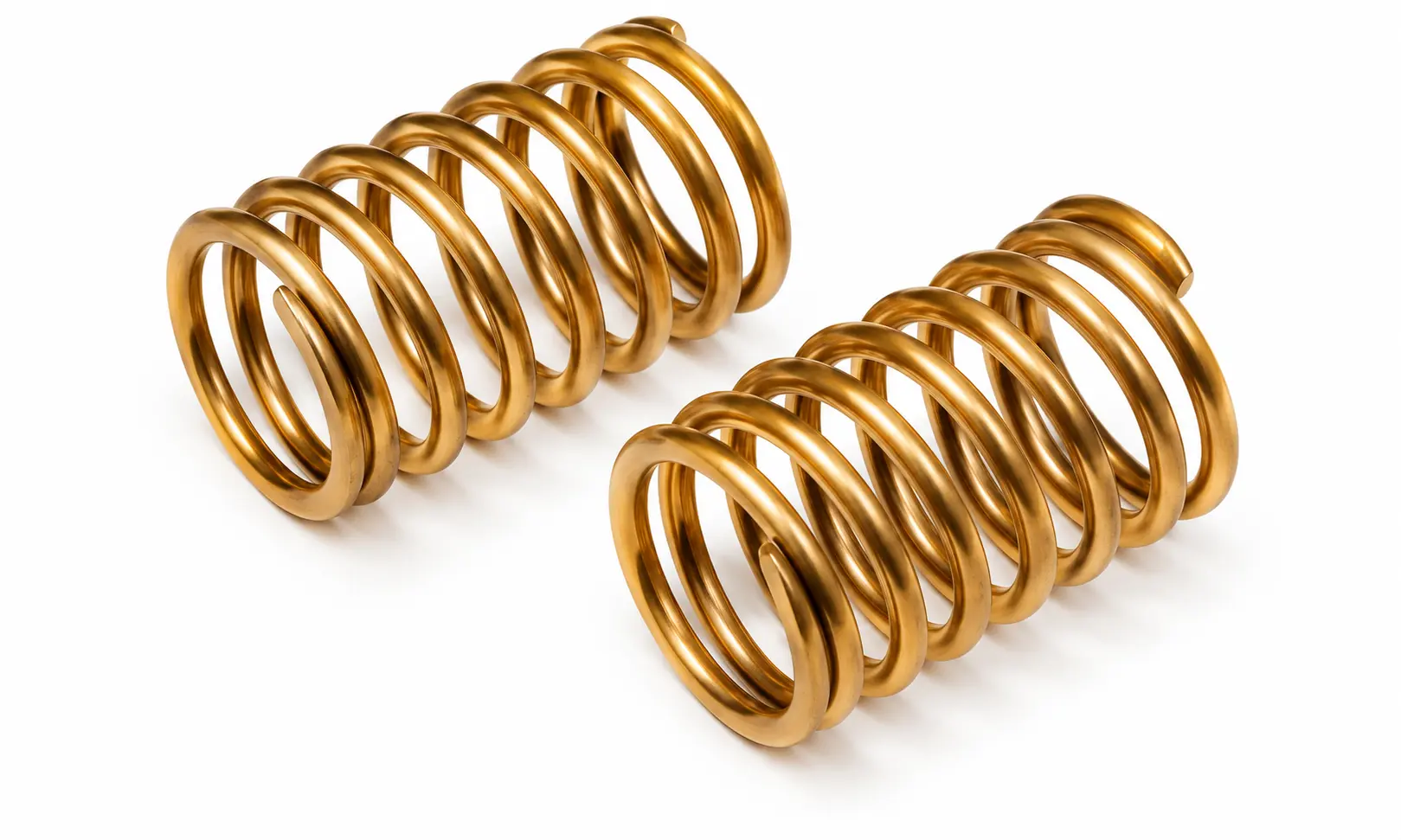
heat-treatable strip and spring alloy reaching
1048 MPa, the strongest figure on this hub;
C62300 at 8.5–10% and
C62400 at 10–11.5% are the
forging grades, with the best machinability of the wrought family at 50; and
C62500 at 12.5–13.5% is a hard, essentially non-ductile
wear and die material. Finally
C95400 is the
cast member of the family — the standard general-purpose aluminium bronze casting alloy, quench hardenable to 621 MPa minimum, and the easiest here to machine at 60.