+91 97734 41022 sales@exoticalloy.com
Material Specification

Brass C46400

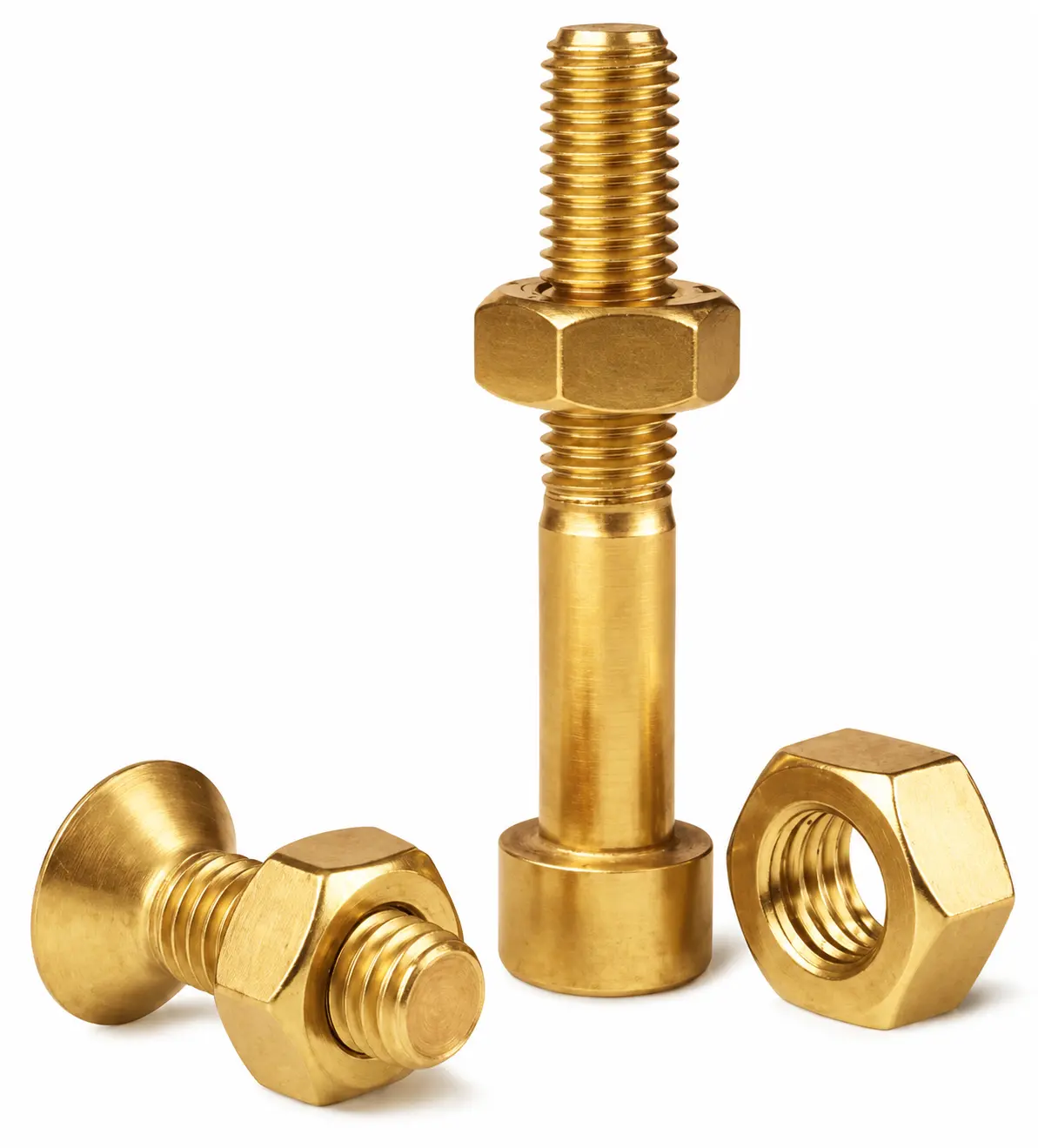
Brass C46400 Fasteners
Naval Brass, Uninhibited

Brass C46400 Fasteners

Brass C46400 is naval brass — copper 59.0–62.0% with 0.50–1.0% tin and the balance zinc. Historically sold as Tobin bronze, it is the most widely used marine brass in the world and the default answer when a job calls simply for “naval brass”.

It is Muntz metal plus 0.50–1.0% tin. The tin raises resistance to dezincification and to seawater attack substantially, while the alpha-beta structure keeps the hot workability that makes Muntz metal useful — forgeability rating 90. Strength runs 379 MPa as hot rolled to 552 MPa in half-hard rod. C46400 is listed in ASTM F468 and F467 as Cu 464, making it, with C46200, the standard certified brass bolting alloy for marine service. Note that C46400 is designated uninhibited — the tin helps considerably but does not inhibit dezincification in the way an arsenic or antimony addition does. Exotic Alloy supplies C46400 rod, bar, plate, forgings and fasteners.

Request a Quote
Product Range

Brass C46400 Fasteners Available

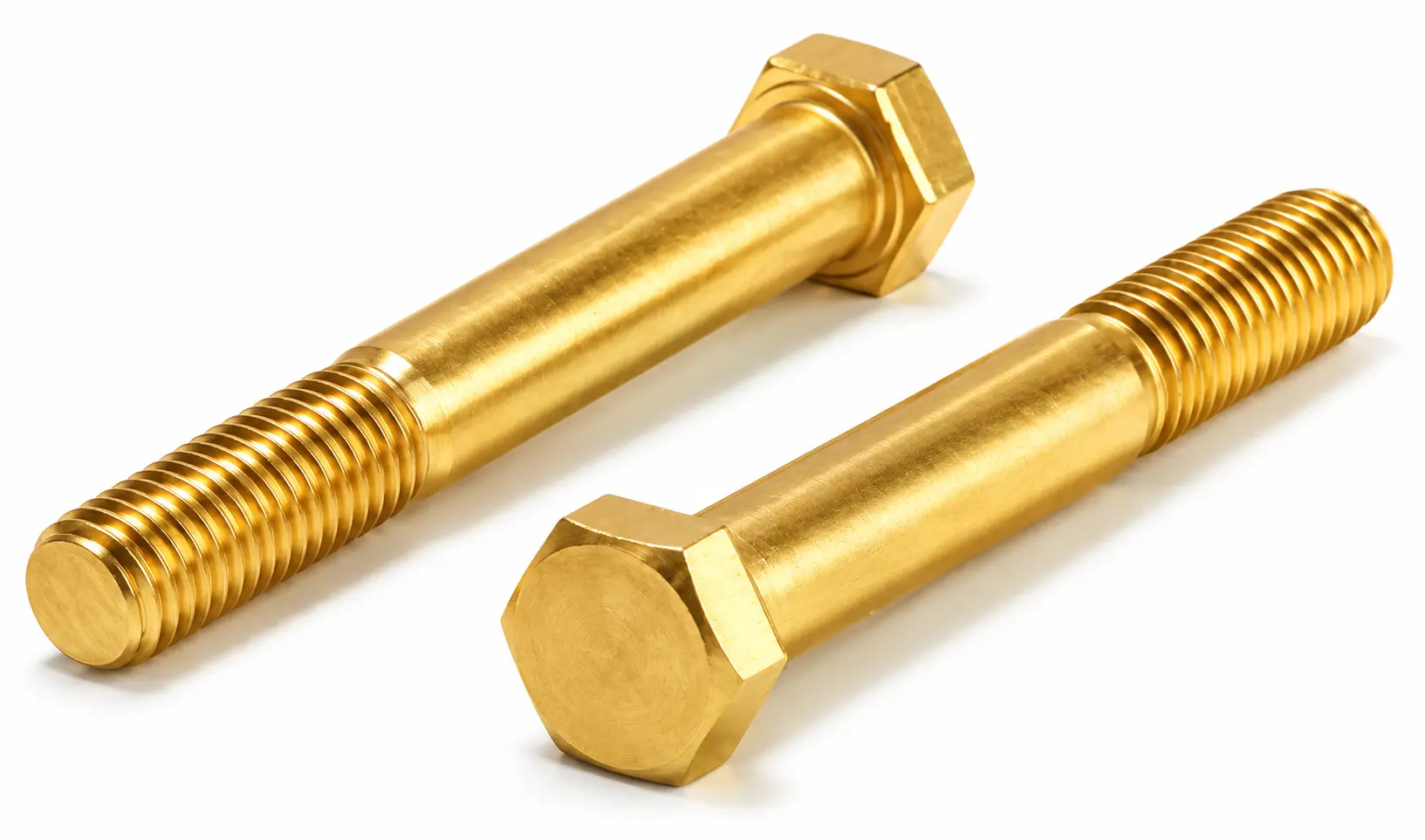
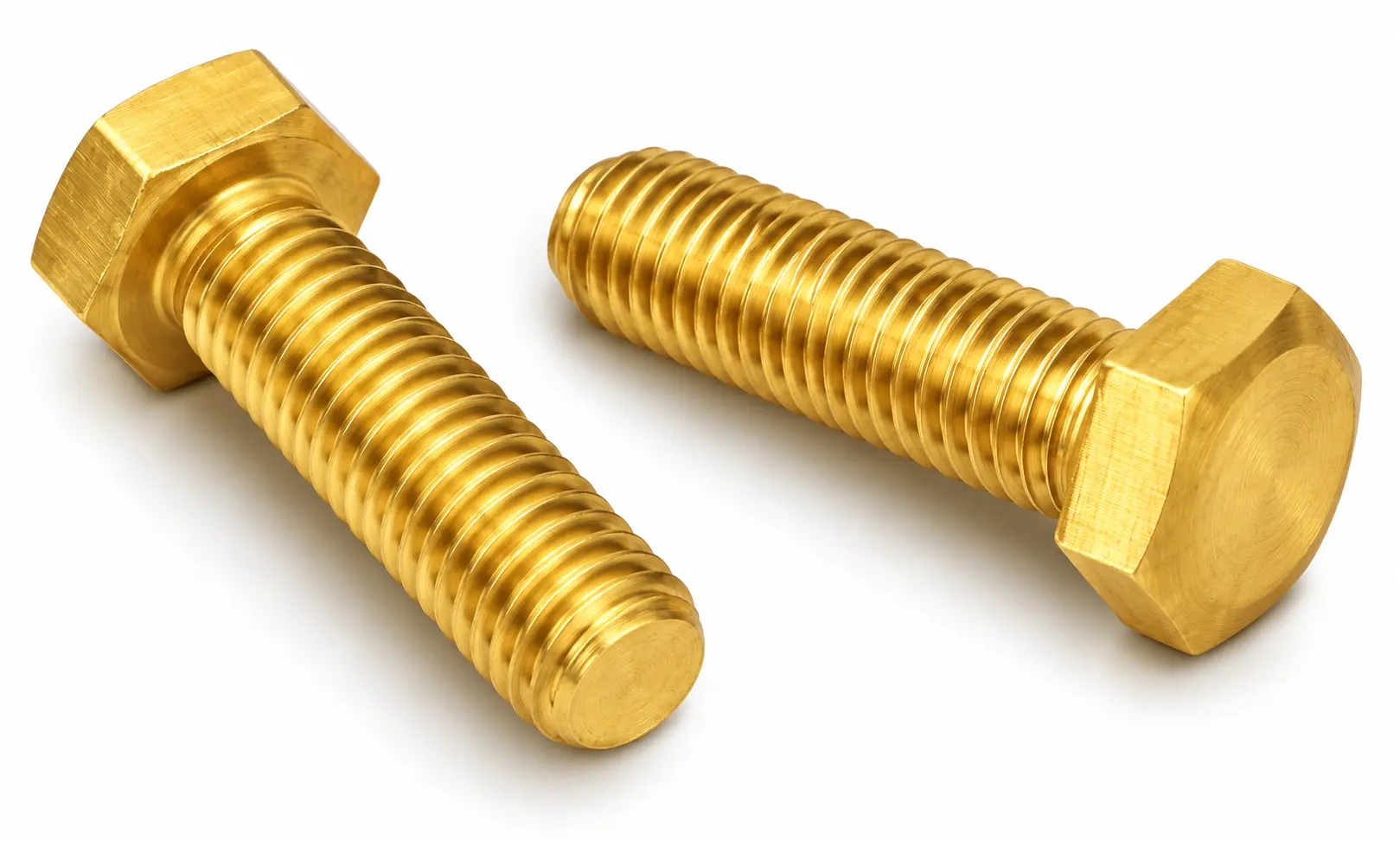
Brass C46400 Hex Bolts
Brass C46400
Hex Bolts
Brass C46400 Heavy Hex Bolts
Brass C46400
Heavy Hex Bolts
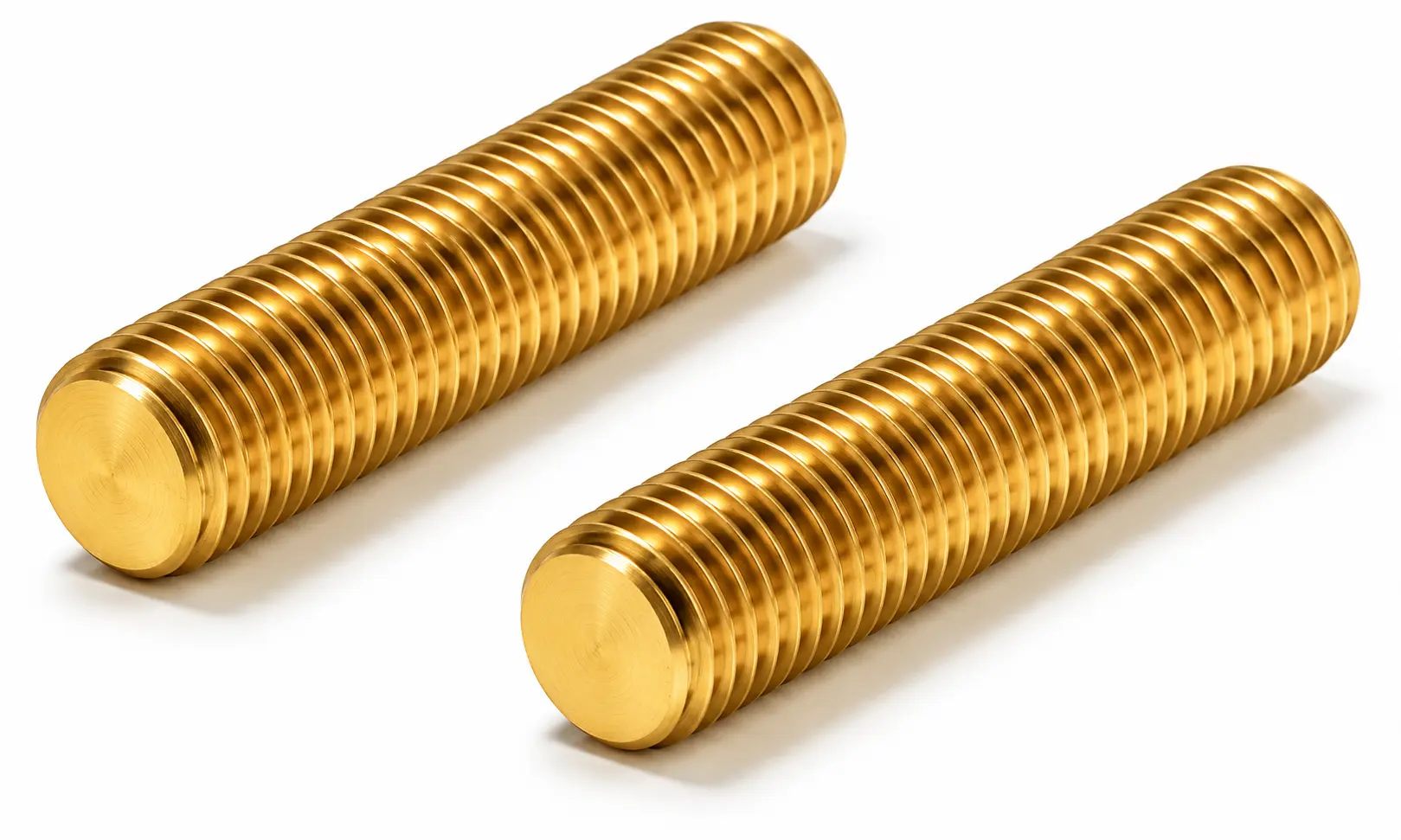
Brass C46400 Stud Bolts
Brass C46400
Stud Bolts
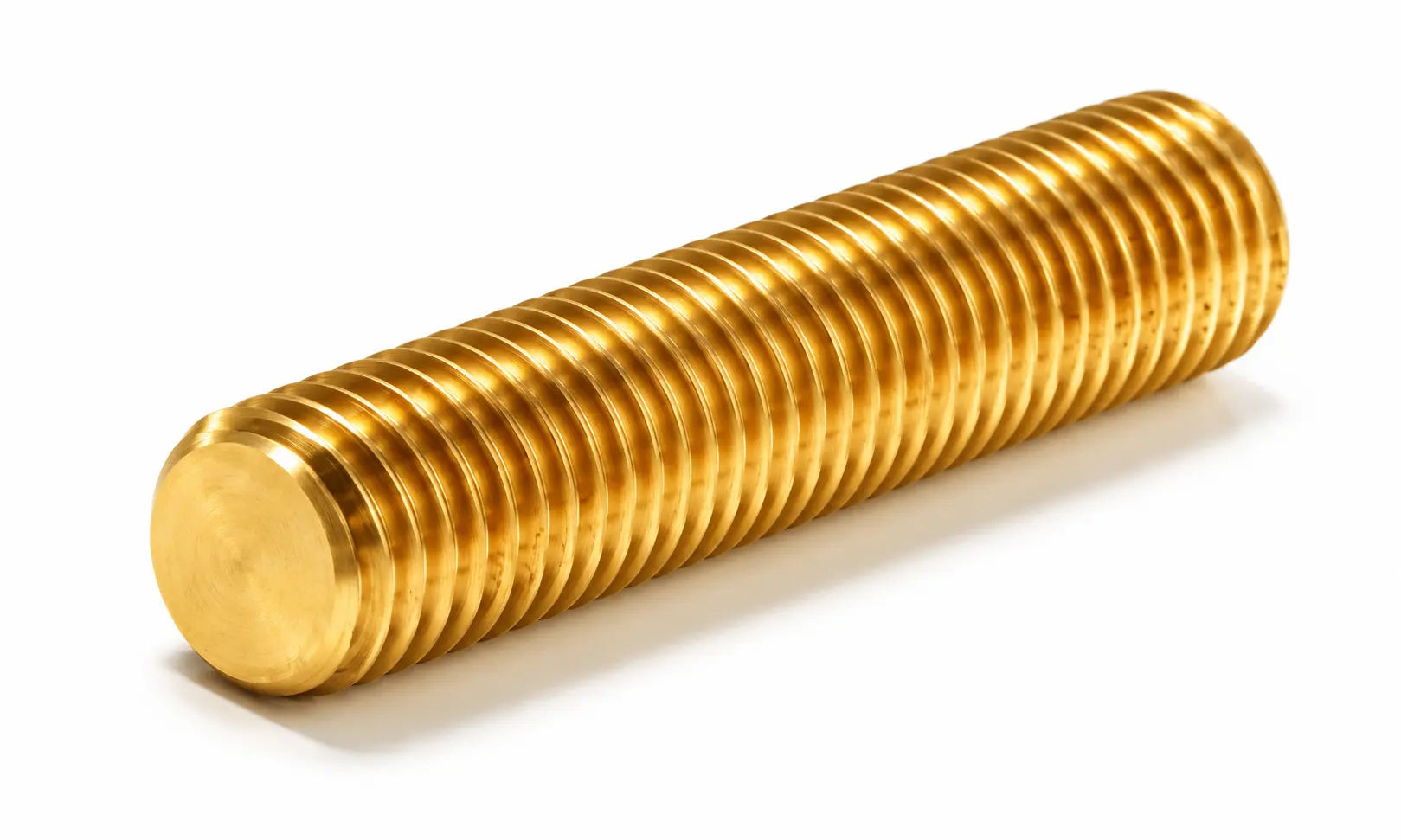
Brass C46400 Threaded Rods
Brass C46400
Threaded Rods
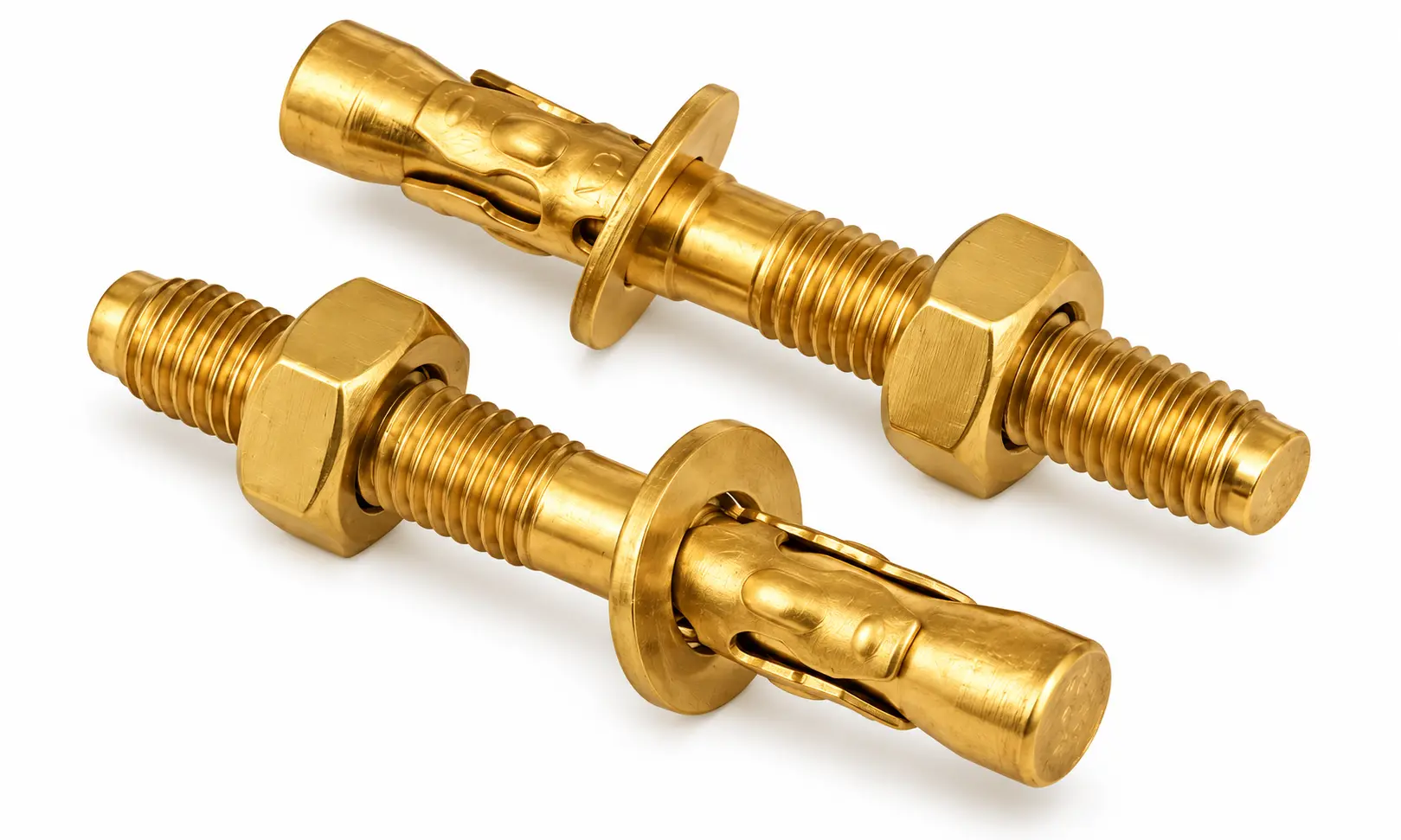
Brass C46400 Anchor Bolts
Brass C46400
Anchor Bolts
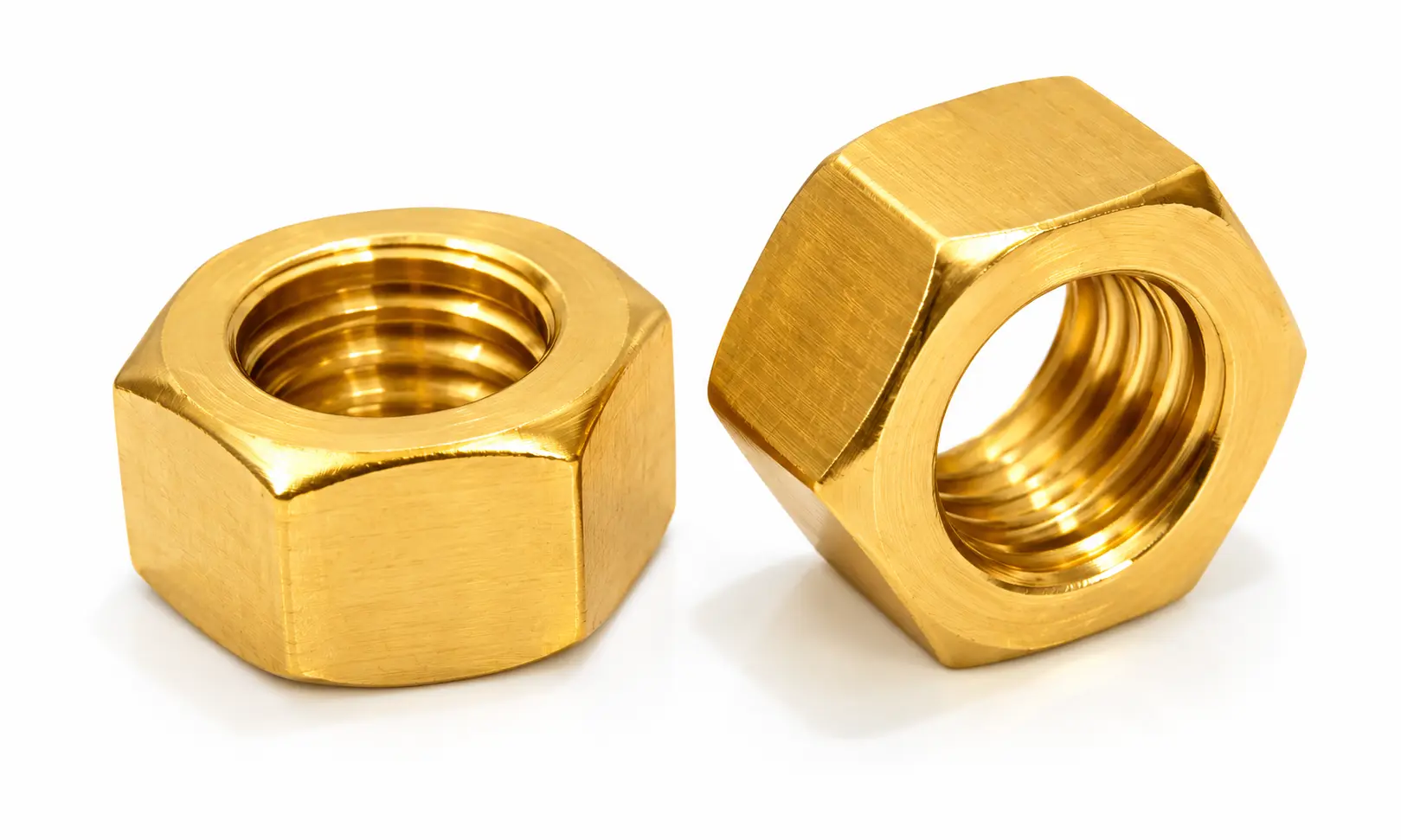
Brass C46400 Hex Nuts
Brass C46400
Hex Nuts
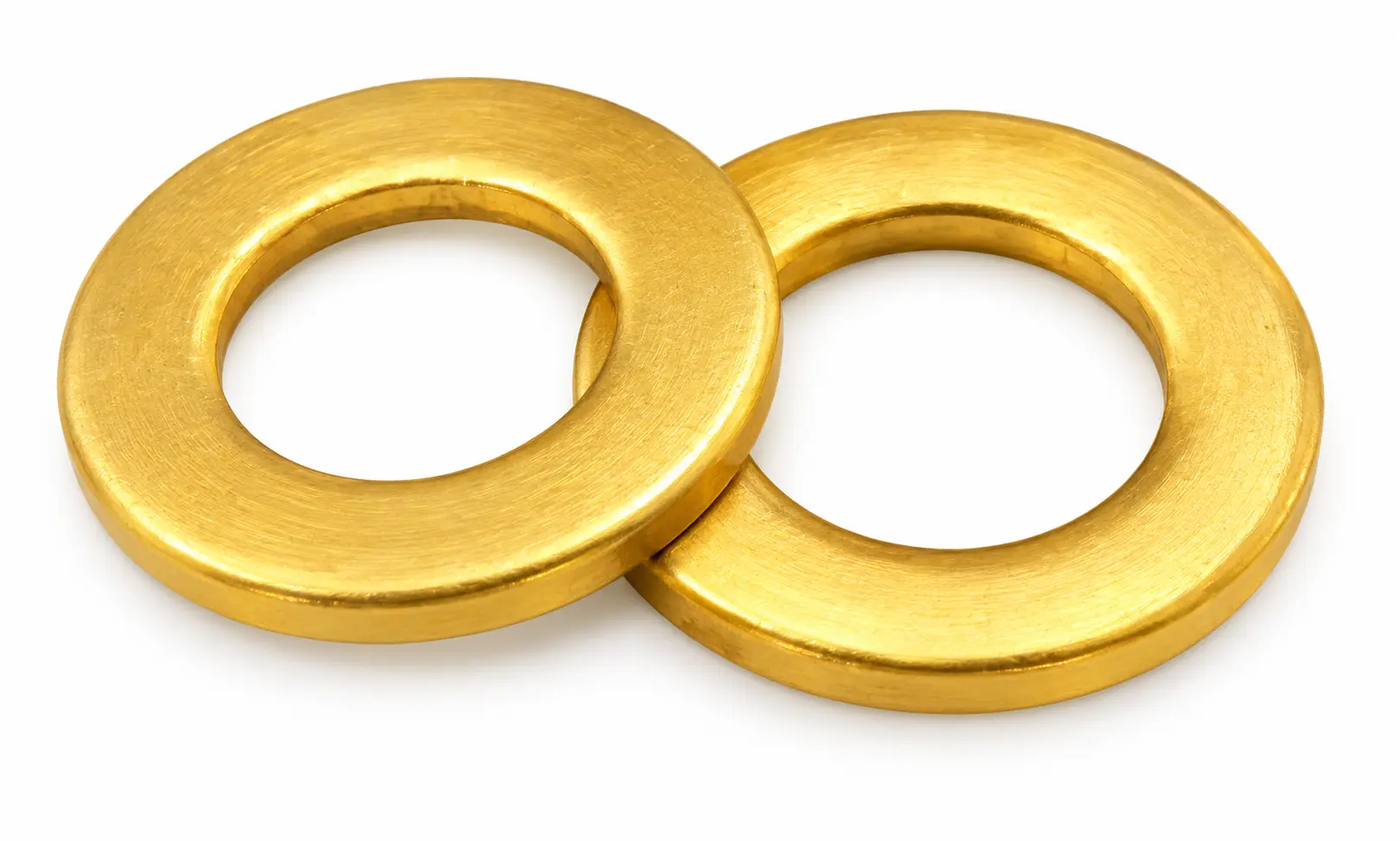
Brass C46400 Washers
Brass C46400
Washers
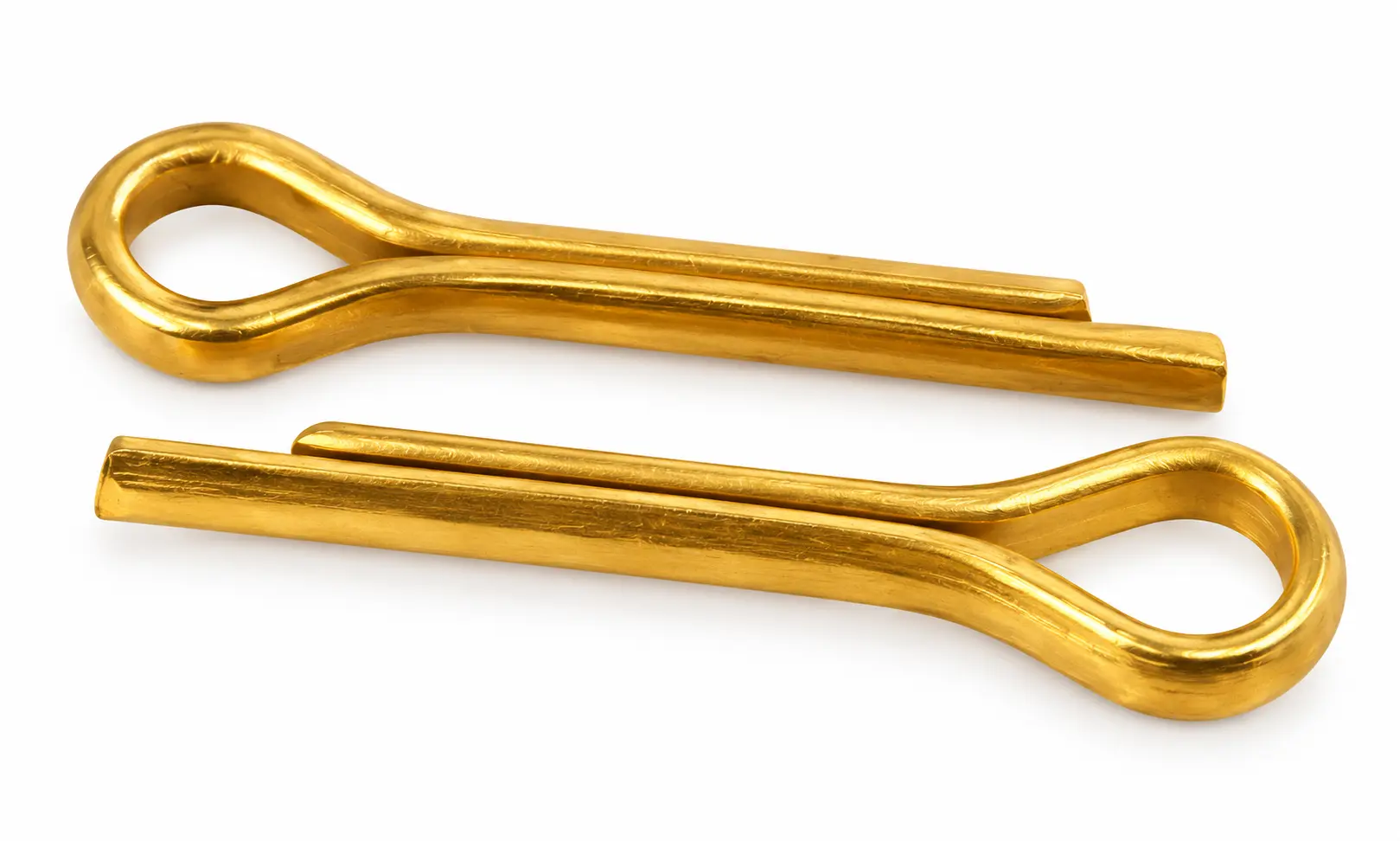
Brass C46400 Cotter Pins
Brass C46400
Cotter Pins
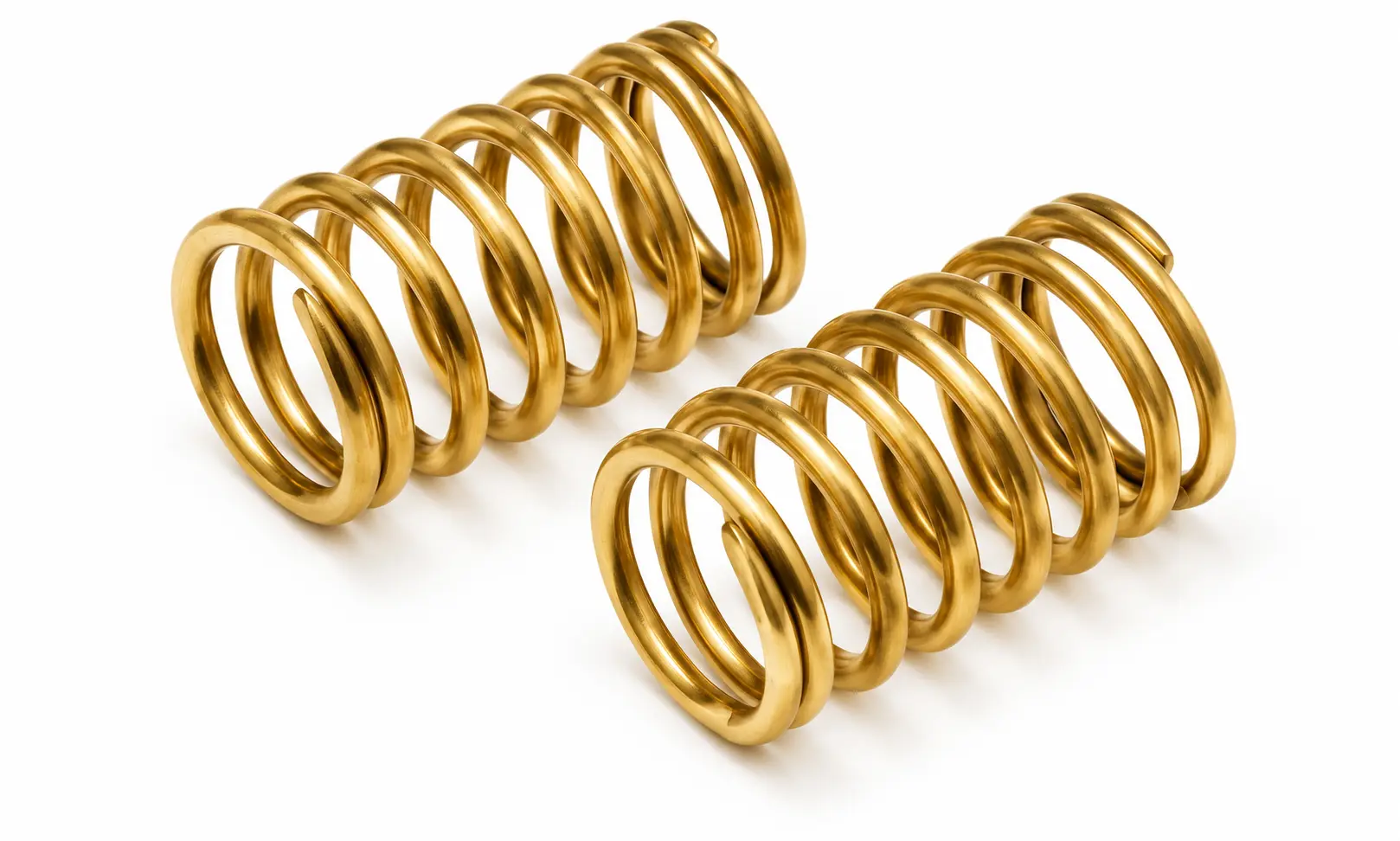
Brass C46400 Springs
Brass C46400
Springs
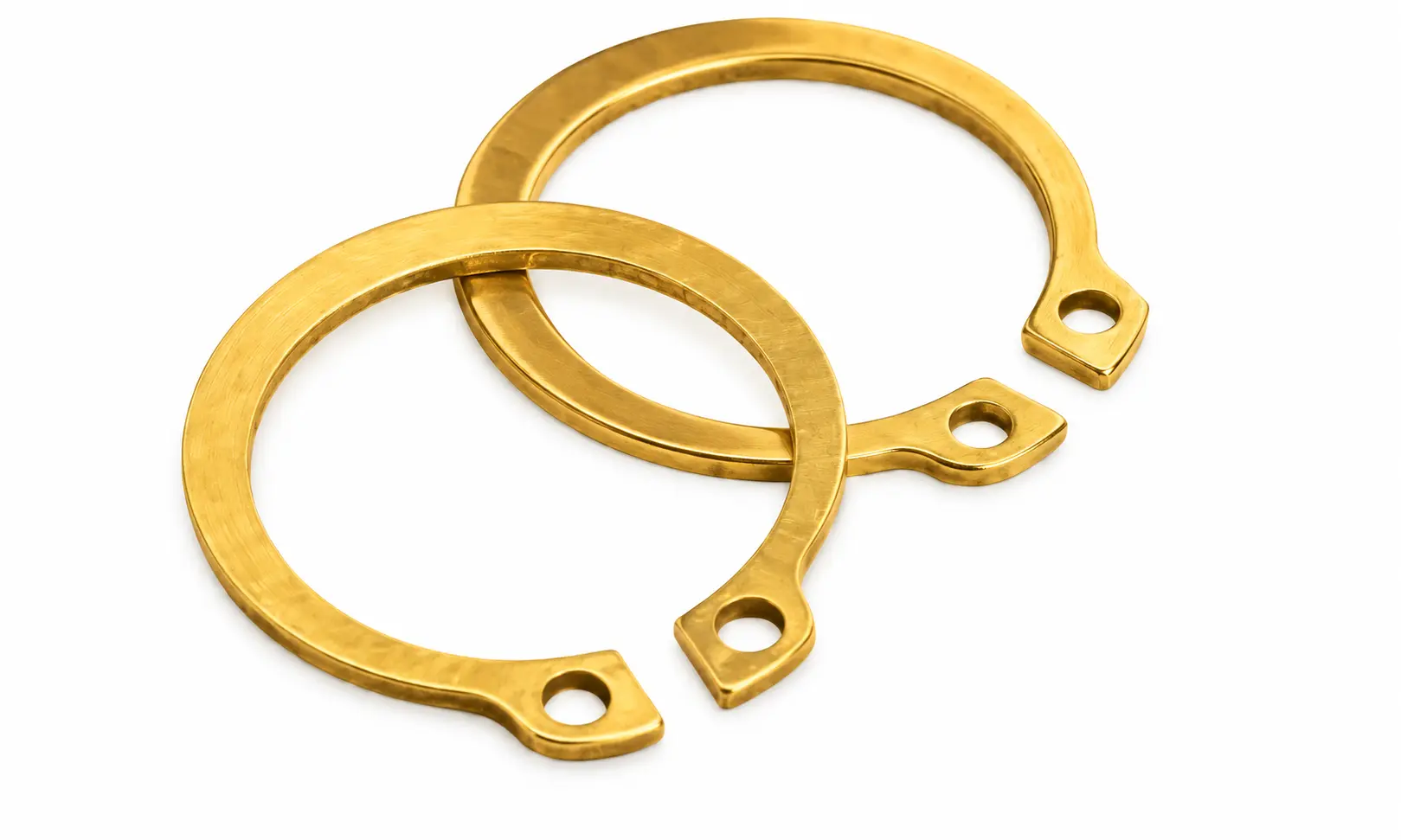
Brass C46400 Circlips
Brass C46400
Circlips
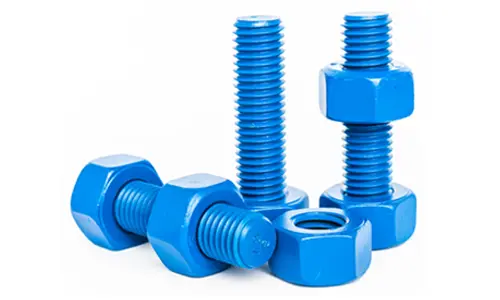
Brass C46400 Coated Fasteners
Brass C46400
Coated Fasteners
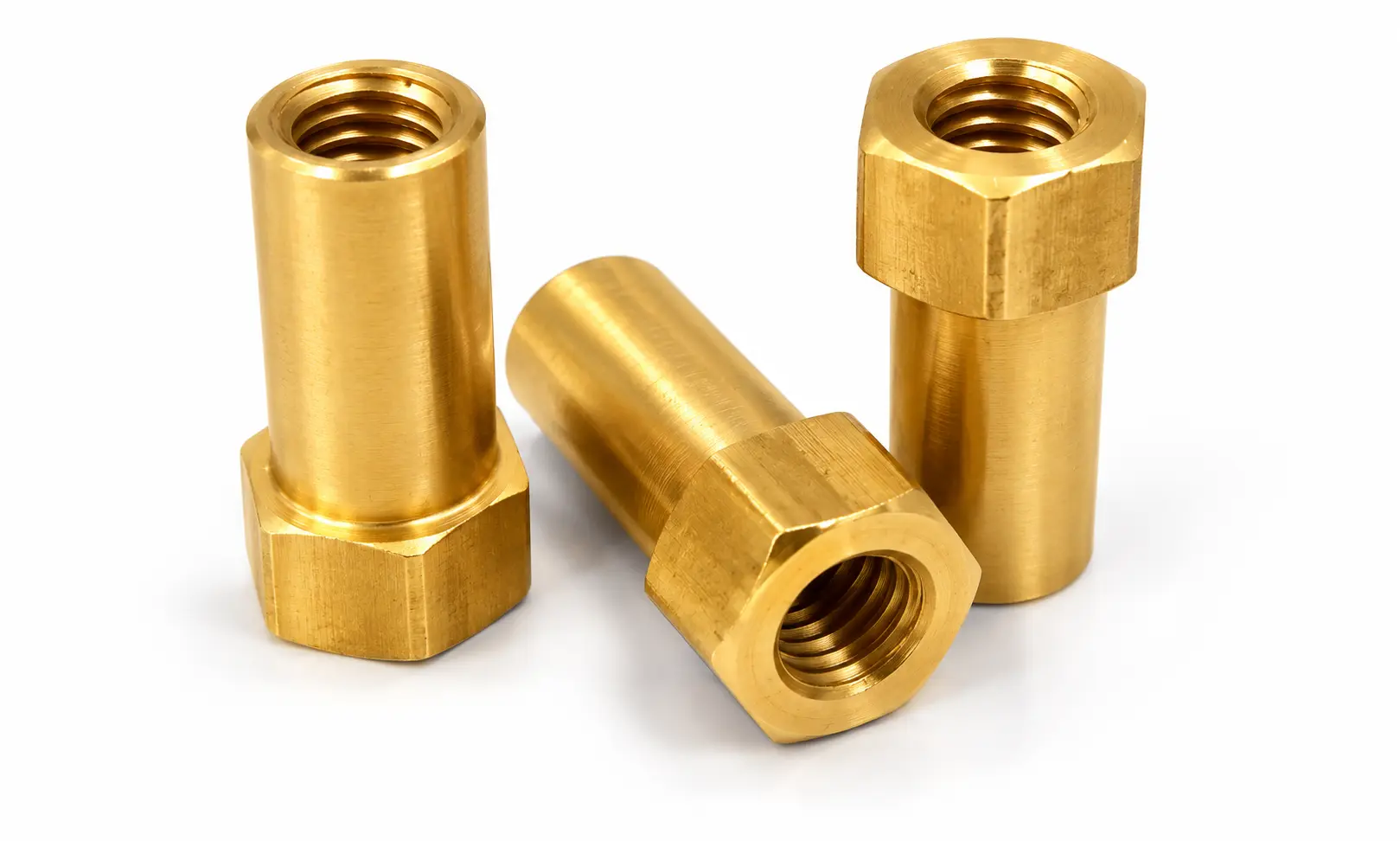
Brass C46400 Custom Spacers
Brass C46400
Custom Spacers
Technical Data

Brass C46400 Specifications

Chemical Composition — Brass C46400 (wt. %)
ElementMinimum %Maximum %
Copper (Cu)59.062.0
Zinc (Zn)Remainder—
Tin (Sn)0.501.0
Lead (Pb)—0.20
Iron (Fe)—0.10
Copper + sum of named elements99.6—
Mechanical Properties — Brass C46400
ConditionUTS (MPa)YS 0.5% EUL (MPa)Elongation (%)Hardness
Flat, as hot rolled M203791725055 HRB
Flat, soft anneal O604001724956 HRB
Flat, light anneal O504272074060 HRB
Flat / rod / bar, 1/4 hard H0148333125—
Rod 6 mm, 1/2 hard H025523932085 HRB
ASTM F468 Cu 464 bolting, machined specimen345 min103 min25 min55–75 HRB
Physical Properties
Density8.41 g/cm³
Melting Range888–899 °C (1630–1650 °F)
Electrical Conductivity26% IACS at 20 °C
Thermal Conductivity116 W/m·K at 20 °C
Coefficient of Thermal Expansion21.2 × 10⁻⁶ /°C
Specific Heat Capacity377 J/kg·K at 20 °C
Modulus of Elasticity103 GPa
Modulus of Rigidity39 GPa
StructureAlpha-beta — hot workable, machinable, dezincification-prone
Machinability Rating30 (C36000 = 100)
Forgeability Rating90
Capacity for Cold WorkingFair
Capacity for Hot FormingExcellent
Annealing Temperature427–593 °C (800–1100 °F)
Hot Working Temperature649–816 °C (1200–1500 °F)
Hardenable by Heat TreatmentNo — strength from cold work only
Magnetic ResponseNon-magnetic
Equivalent Grades & Standards
UNSCDA NumberCDA Alloy NameCommon Name
C46400 CDA 464 Naval Brass, Uninhibited Naval Brass 60%, Tobin Bronze, ASTM F468 Cu 464, CDA 464

Key Specifications: SAE J461 / SAE J463 / AMS 4612 / ASTM B124/B124M / AMS 4611 / ASTM B21/B21M / ASTM F468 / ASTM B283/B283M / ASME SB283 / ASTM F467 / ASTM B432 / ASME SB171.

The final mechanical row gives the ASTM F468 Cu 464 fastener requirement, which is a specified minimum rather than a typical value.

Note on fastener standards: Four brasses on this hub are covered by the ASTM nonferrous fastener standards. ASTM F468 and F467 list C26000 as Cu 260, C27000 as Cu 270, C46200 as Cu 462 and C46400 as Cu 464 — two cartridge and yellow brasses and the two naval brasses. Those four are the grades to specify where a certified brass bolt, hex cap screw, stud or nut is required, and the naval brasses in particular are the sensible default for marine bolting. The other twenty-six grades here are supplied to their mill product standards — ASTM B36, B134, B135, B111, B171, B16, B21 and others as applicable — with thread conformance to the relevant ASME or ISO standard and acceptance criteria agreed on the order.

Brass fasteners are chosen for machinability, corrosion resistance in mild environments, appearance, non-sparking behaviour and electrical conductivity rather than for load: a naval brass bolt develops around 400 MPa against 830 MPa for an ASTM A325 structural steel one. Where higher strength is needed in a copper alloy, see beryllium copper.

Every brass order ships with EN 10204 3.1 certification giving the heat analysis, the temper, and the mechanical test results for the product form and section supplied. Copper, zinc and lead are reported explicitly — copper and zinc set the structure and therefore the dezincification behaviour, and lead governs both machinability and regulatory acceptability. Dezincification testing to ISO 6509, stress-relief treatment, grain-size verification on annealed tempers and positive material identification can all be added at order stage.

Machining: brass spans the entire machinability scale and the grade choice dominates everything else. The unleaded alpha brasses rate 20 to 30 — gummy, prone to built-up edge, producing long stringy swarf. Adding beta phase lifts that to around 40, and adding lead takes it to 60, 70, 90 and finally 100 for C36000. For any part where turning, drilling, slotting or thread cutting dominates the cost, the leaded alpha-beta brasses are the correct choice and the unleaded ones are a false economy. Conventional free-machining geometry and high surface speeds apply; brass generally runs dry or with light lubricant.

Forming: the reverse. Alpha brasses cold form outstandingly — blanking, deep drawing, spinning, bending, cold heading and thread rolling are all straightforward from the annealed condition, with interstage annealing for severe work. Alpha-beta brasses are poor cold formers but excellent hot formers: the beta phase is plastic at forging temperature, which is why hot stamping, hot extrusion and forging brasses all sit above 37% zinc. Match the grade to the process route before anything else.

Joining: brasses solder and braze well across the family and that is the usual route. Arc welding is restricted — zinc volatilises in the arc, causing porosity and fume — and the leaded grades are worse again because lead promotes hot cracking. Zinc oxide fume causes metal fume fever, so extraction is required whenever brass is heated to brazing or welding temperature, and lead fume adds its own requirement on the leaded grades.

Heat treatment: brasses are not hardenable by heat treatment. There is no precipitation reaction to exploit, so strength comes from cold work alone and the temper designation records the degree of reduction — the OS grain-size and O annealed conditions at the soft end, then H00, H01, H02, H04, H06, H08 and H10 as cold work increases. Across that span tensile strength roughly doubles while elongation collapses.

Two thermal treatments matter. Annealing restores the soft, formable condition and is specified by resulting grain size rather than by temperature on flat product — hence the OS015, OS025, OS035, OS050 and OS070 tempers, where the number is the nominal grain size in millimetres. A coarser grain anneals softer and draws better but gives a rougher ‘orange peel’ surface after forming, so the grain size is chosen against the forming severity and the finish required. Stress-relief annealing at a lower temperature removes residual tensile stress while keeping most of the cold-worked strength, and as set out below it is the primary control on season cracking. Specify it as standard on formed parts going into service.

C46400 is designated “uninhibited” and the distinction matters. The 0.50–1.0% tin raises resistance to dezincification and seawater attack well above plain Muntz metal, which is why naval brass has been the standard marine brass for a century. But it is not an inhibited alloy in the formal sense: it carries no arsenic, antimony or phosphorus addition, and the alpha-beta structure at 40% zinc remains susceptible to selective attack in stagnant, warm or heavily chlorinated water.

For flowing seawater, marine fastening, shafting and hardware it has a long and successful service record. For stagnant warm water, potable systems or any duty where dezincification resistance must be demonstrated, specify an inhibited grade such as C44400 or C68700, or move to copper-nickel.

Everything about a brass follows from its zinc content, because zinc decides the crystal structure. Below roughly 35% zinc the alloy is single-phase alpha brass: face-centred cubic, outstandingly ductile, cold formable to severe reductions, and relatively resistant to dezincification. Above roughly 37% zinc a second beta phase appears, and the alloy becomes alpha-beta. That changes three things at once. It becomes stronger and much more readily hot worked — beta is soft and plastic at forging temperature, which is why extrusion and hot stamping brasses all sit in this range. It becomes far more machinable, because the harder beta phase breaks the chip. And it becomes markedly more susceptible to dezincification, because the zinc-rich beta phase corrodes preferentially.

Cold formability runs the other way. An alpha brass such as C26000 cartridge brass will take deep drawing that would crack a Muntz metal. If a part is deep drawn, specify an alpha brass; if it is hot forged or heavily machined, specify an alpha-beta one. The colour changes too, from the red of 95% gilding metal through bronze and gold to the full yellow of the 60/40 alloys.

Dezincification is the characteristic failure mode of brass and the first thing to assess when specifying one. In stagnant, warm, slightly acidic or high-chloride water the zinc is selectively leached out of the alloy, leaving behind a porous, spongy, mechanically worthless copper residue that retains the original shape and dimensions of the part. A dezincified fitting can look perfectly sound and crumble under hand pressure, and plug-type dezincification can perforate a wall while the surrounding metal appears untouched.

Susceptibility tracks structure. Alpha brasses below about 15% zinc are essentially immune; alpha brasses to 35% zinc are moderately resistant; alpha-beta brasses above 37% zinc are the vulnerable ones, because the zinc-rich beta phase goes first. The industry answer is inhibition — a small arsenic, antimony or phosphorus addition that suppresses the mechanism. On this hub, C44400 admiralty brass is inhibited with 0.02–0.10% antimony and C68700 aluminium brass with 0.02–0.06% arsenic, and both are condenser-tube alloys for exactly that reason. Where a brass will see potable water, seawater or any stagnant warm aqueous service, specify an inhibited grade or a dezincification-resistant designation (DZR/CR), and expect to be asked to prove it by ISO 6509 testing.

Season cracking — ammonia stress-corrosion cracking — is brass's other classic failure, and it is named after the monsoon. Cold-worked brass cartridge cases stored in Indian arsenals cracked spontaneously during the humid season, and the cause was traced to traces of ammonia from decomposing organic matter acting on metal carrying high residual tensile stress. The mechanism is unchanged today. Moist ammonia, ammonium compounds, amines, nitrites and mercury compounds will crack a stressed brass component, and the higher the zinc content and the higher the residual stress, the faster it happens.

The control is stress relief, and on brass it is not optional. A low-temperature stress-relief anneal after cold forming — typically a few hundred degrees, well below the recrystallisation range — removes the residual tension while keeping almost all of the cold-worked strength. Specify it as standard on deep-drawn, heavily formed, swaged or tightly threaded brass parts going into service, and treat any brass fastener held under sustained preload in an environment where ammonia or amines may be present as a candidate for cracking.

Lead is what makes brass the most machinable engineering metal there is, and it is also the element now under the most regulatory pressure. Lead is essentially insoluble in the copper-zinc matrix, so it sits as discrete soft globules that break the chip mechanically and lubricate the cutting edge. C36000 free-cutting brass, at 2.5–3.0% lead, is the benchmark against which every other metal's machinability is measured — it is the 100 on the CDA scale, against 20 for pure copper and 30 for an unleaded brass. Nothing else comes close, and the grades on this hub run the whole range from 20 to 100 as lead rises from nil to 3.5%.

The regulatory position has changed and continues to change. Lead in drinking-water-contact components is restricted in most jurisdictions — in the United States under the Safe Drinking Water Act as amended, which cut the wetted-surface limit to a weighted average of 0.25%, and in Europe under the Drinking Water Directive and national acceptance schemes. Lead in electrical and electronic equipment is restricted under RoHS, where the copper-alloy exemption has been progressively narrowed. The practical consequence is that a leaded brass that was specified without question twenty years ago may now be unusable in the same application, and low-lead and lead-free alternatives are displacing it. Confirm the regulatory position for your market and application before committing a design to a leaded brass.

How thirty grades divide. Read the copper figure first; it tells you the structure and almost everything else. The plain alpha brasses run from C21000 at 95% copper — red, ductile, 56% IACS — down through C22000, C22600, C23000 and C24000 to C26000 cartridge brass at 70%, the deep-drawing benchmark, and C26800 and C27000 at 65%. C28000 Muntz metal at 60% copper crosses into alpha-beta, trading cold formability for hot workability and strength. The leaded brasses add machinability in steps — C33000 and C33500 at 60, C34000 and C37000 at 70, C37700 at 80, C34200, C35300 and C38500 at 90, and C35600 and C36000 at 100, the industry benchmark. The tin brasses resist seawater: C44400 admiralty is inhibited alpha brass for condenser tube, while C46400 naval brass and its leaded variants C48200 and C48500 are the marine structural and bolting alloys. Finally three outliers: C68700 aluminium brass and C69400 silicon red brass, which CDA classes as bronzes, and C86300, a cast high-strength manganese bronze reaching 758 MPa.
Key Characteristics

  • Naval brass — historically Tobin bronze.
  • The most widely used marine brass; the default naval brass.
  • 0.50–1.0% tin added to a 60/40 Muntz metal base.
  • ASTM F468 / F467 Cu 464 — certified marine bolting alloy.
  • Forgeability rating 90 — excellent hot workability.
  • 379 MPa as hot rolled rising to 552 MPa in half-hard rod.
  • 26% IACS electrical conductivity.
  • Designated uninhibited — tin helps but does not inhibit.

Typical Applications

  • Marine bolts, studs, nuts and fasteners.
  • Propeller shafts and marine shafting.
  • Marine hardware, fittings and trim.
  • Valve stems, bodies and seats.
  • Condenser plates, tube sheets and baffles.
  • Welding rod and brazing filler.
  • Hot forged marine components.
  • Heat exchanger and cooler components.