Silicon does the job that iron does in a plain aluminium bronze and nickel does in a nickel aluminium bronze — but it does it differently, and the consequences run right through the family. In a
plain aluminium bronze iron refines the grain and forms hard kappa particles; in a
nickel aluminium bronze nickel additionally suppresses the gamma-2 eutectoid. Here a deliberate
0.7–3.2% silicon addition strengthens the alloy through solid solution and silicon-bearing phases, and the single most important result is that
less aluminium is needed for a given strength.
That matters because it keeps the whole family out of the gamma-2 danger zone. The brittle, preferentially-corroding gamma-2 phase that causes dealuminification only appears above roughly 9.4% aluminium. Every grade here sits well below that:
C63600 at 3.0–4.0%,
C64200 and
C64210 at 6.3–7.6%, and the cast
C95600 at 6.0–8.0%. They reach 517–703 MPa without ever entering the alpha-beta field, so they are
inherently dealuminification-resistant without needing a nickel addition, and they are not quench hardenable either — strength comes from composition and cold work, not heat treatment.
The second consequence is machinability, and it is the headline property of this family. C64200 and C95600 both rate
60 on the CDA scale and C63600 rates
40, against 20–30 for almost every plain and nickel aluminium bronze. The silicon-bearing phases break the chip where the tough, work-hardening matrix of a conventional aluminium bronze simply smears.
If a corrosion-resistant bronze part has to be machined in volume, this is the family to look at first.Silicon aluminium bronze keeps the alumina film that defines the wider aluminium bronze family, and adds a silicon contribution to it. The result is good general resistance in seawater and brackish water, in non-oxidising acids — dilute sulphuric, hydrochloric and phosphoric — and in many process chemicals, together with good erosion and impingement resistance and copper's natural biofouling resistance. Like the rest of the family these alloys are
non-sparking and essentially non-magnetic, and they hold useful strength at elevated temperature.
Because the aluminium stays below the gamma-2 threshold, dealuminification is not the design concern here that it is on the high-aluminium grades. That is a real simplification: there is no eutectoid to suppress, no quench-and-temper cycle to specify and certify, and no iron-to-nickel ratio to police. What you specify is the composition, the temper and the product form.
The limits are the same as for the family, with one addition. Oxidising acids, notably nitric, attack it. Ammonia and amines can cause stress-corrosion cracking in cold-worked material, so stress relieve formed and headed parts. Stagnant sulphide-polluted seawater degrades the protective film. And the alloys are cathodic to steel, so steel fasteners in a silicon aluminium bronze component will be attacked — match the materials or isolate them. The addition is
weldability: see the fabrication notes, because this family is noticeably harder to weld than the nickel aluminium bronzes and that should influence grade choice where a welded joint is involved.
How four grades divide. Read the aluminium figure first, then the silicon.
C63600 at 3.0–4.0% aluminium and 0.7–1.3% silicon is the outlier and the
cold-forming grade: 414 MPa annealed with an exceptional
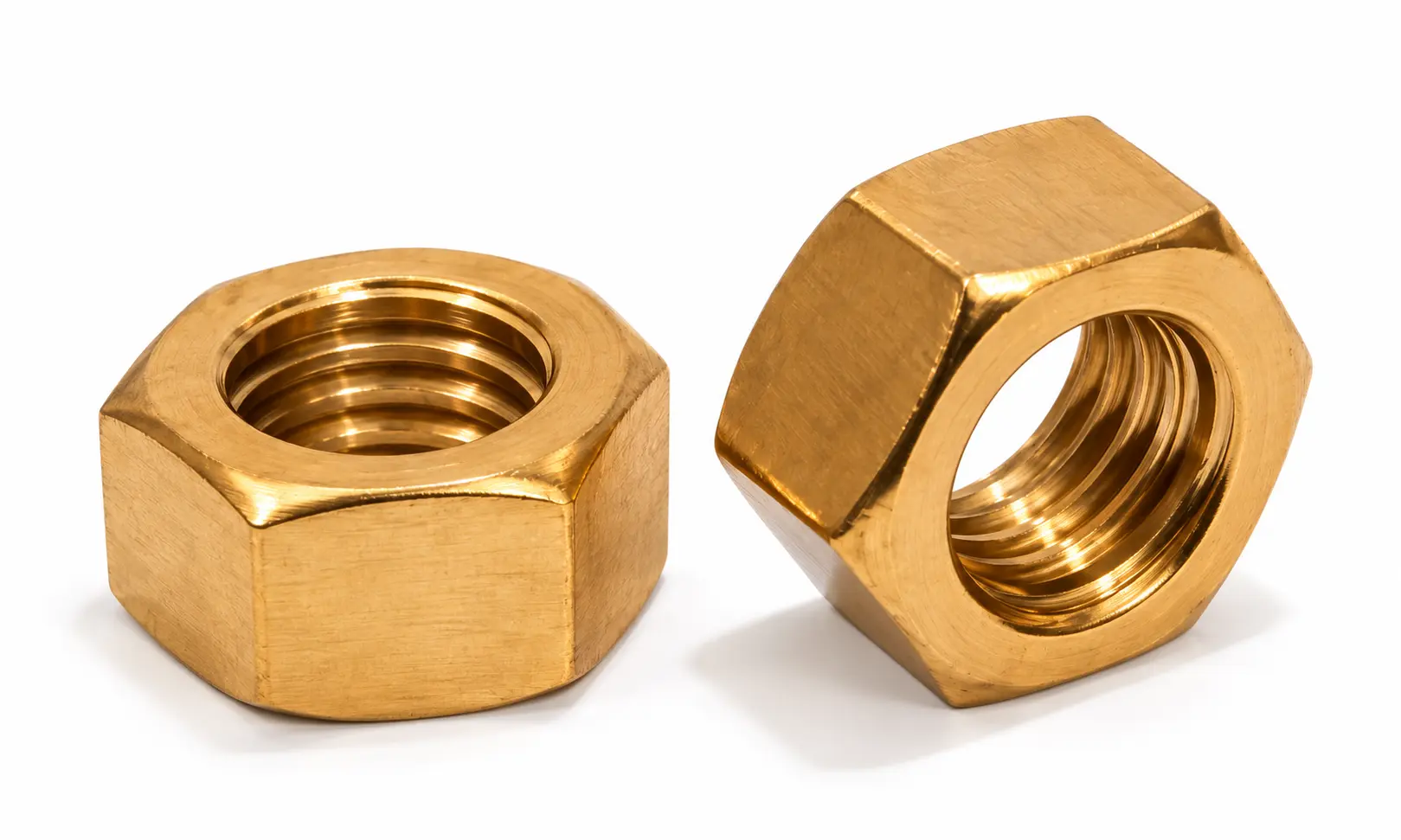
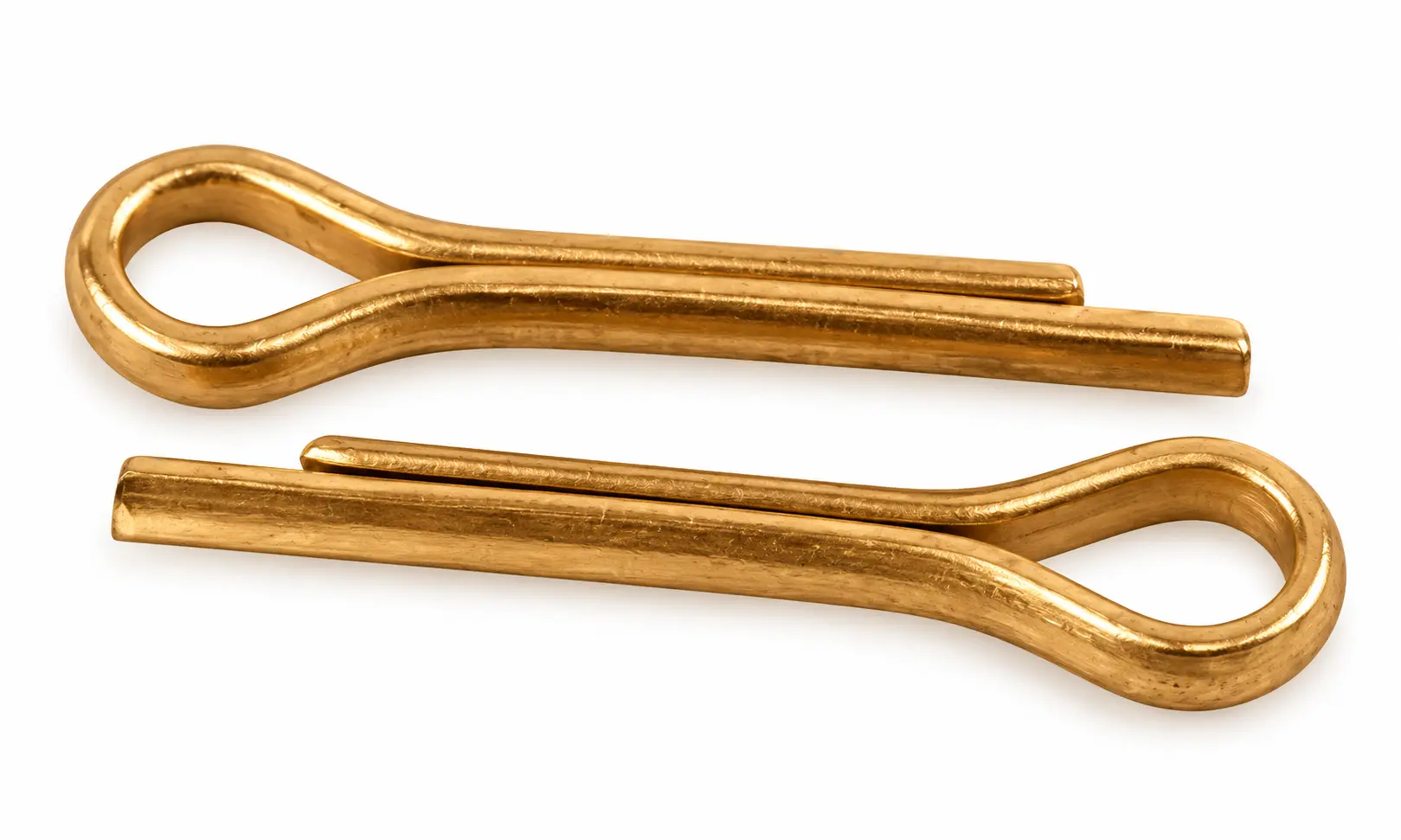
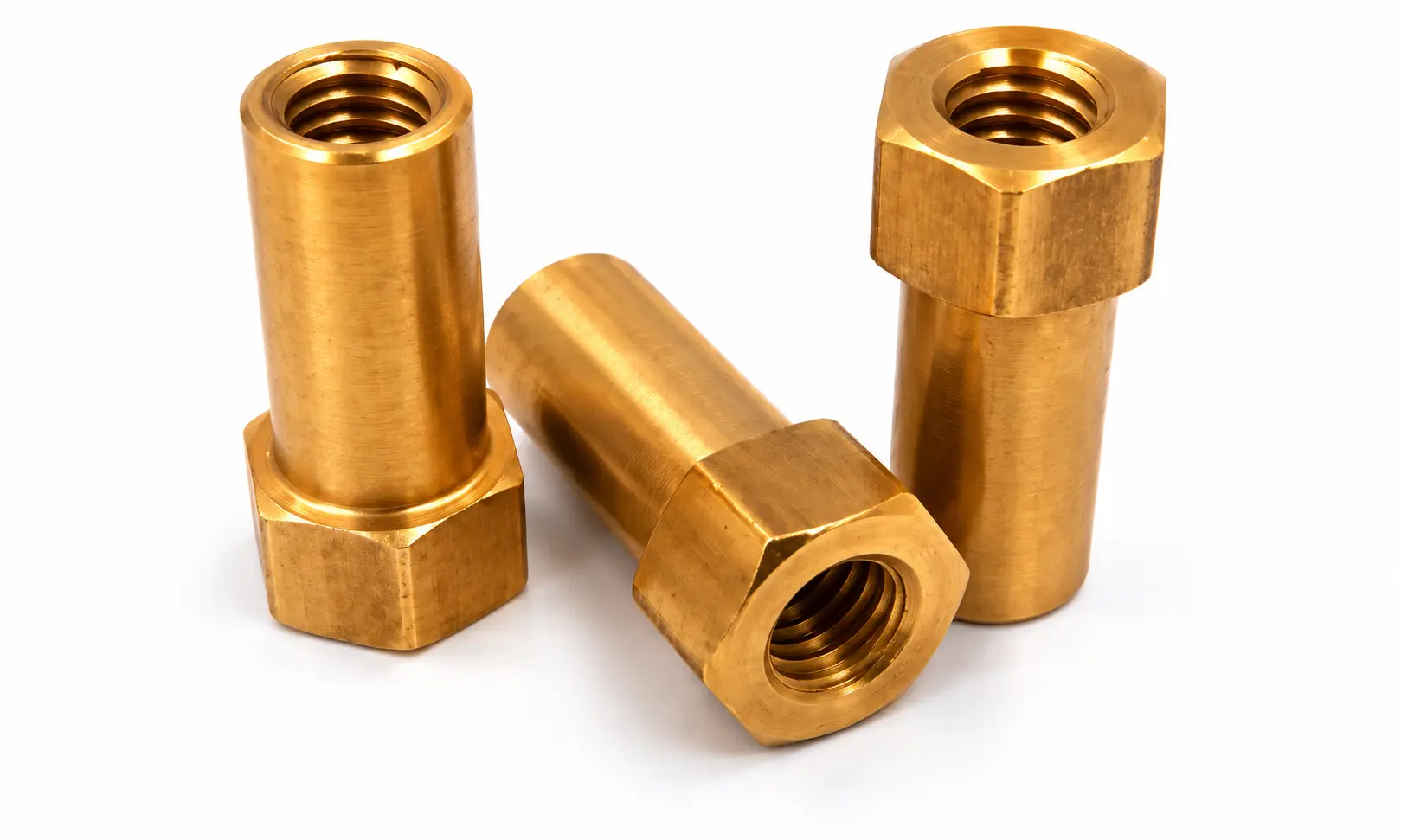
64–67% elongation, rated Excellent for cold working, made for cold headed nuts, cable connectors and formed electrical hardware. It also carries the highest density and the highest thermal conductivity here, because it is the least alloyed.
C64200 at 6.3–7.6% aluminium and 1.5–2.2% silicon is the
main engineering grade: 517 MPa as hot extruded rising to
703 MPa hard, forgeability 80, machinability 60, and
ASTM F468 and F467 Cu 642 as a certified fastener alloy.
C64210 is the same alloy with
tightened limits — aluminium capped at 7.0% instead of 7.6% and silicon at 2.0% instead of 2.2% — registered for more consistent properties in forgings and pole line hardware, though CDA publish no property data for it.
C95600 is the
cast member: copper 88.0% minimum with 6.0–8.0% aluminium and 1.8–3.2% silicon, the highest silicon on this hub, essentially no iron and nickel limited to 0.25%. It is specified at 414 MPa minimum sand cast with 517 MPa typical, machines at 60, and is the only grade here CDA rate Good for gas shielded arc welding, soldering and brazing.