+91 97734 41022 sales@exoticalloy.com
Material Specification

Manganese Bronze C67400

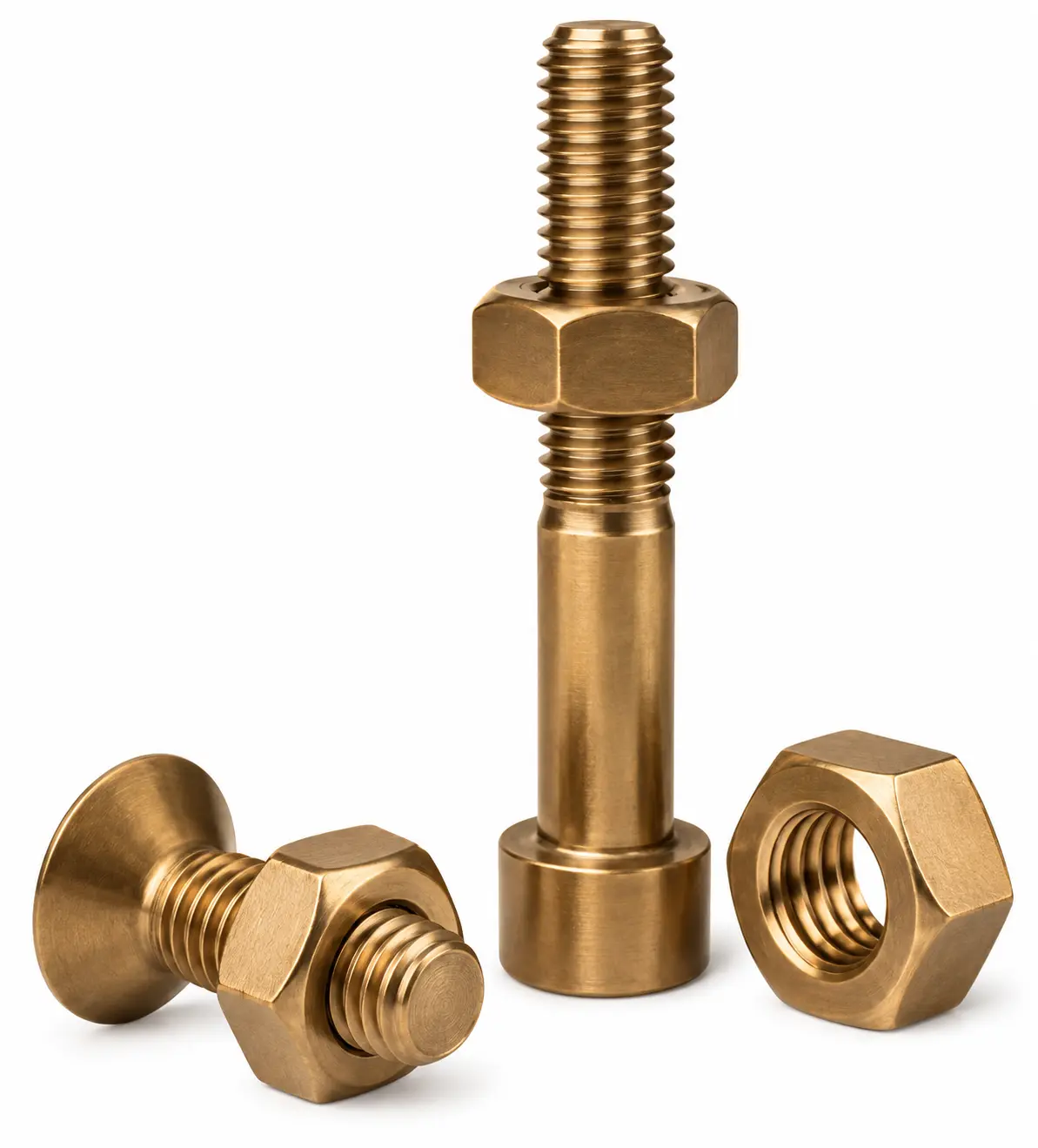
Manganese Bronze C67400 Fasteners
Silicon Manganese Brass

Manganese Bronze C67400 Fasteners

Manganese bronze C67400 is the unleaded silicon manganese brass — copper 57.0–60.0% with 2.0–3.5% manganese, 0.50–1.5% silicon and 0.50–2.0% aluminium, balance zinc, with lead held to 0.50% maximum. It shares C67300's anti-galling silicon-manganese chemistry but adds aluminium and drops the lead.

Its headline number is a forgeability rating of 100 — equalling C37700 forging brass, the CDA reference alloy for hot forgeability, and the only other alloy on this site to reach it. CDA rate hot forming Excellent and cold working Poor: this is a hot forging and extrusion alloy. Strength runs 483 MPa soft annealed to 634 MPa in half-hard stress-relieved rod, and CDA publish named HR02 stress-relieved tempers for both bar and rod — a signal that residual stress matters on a 40% zinc alloy. CDA list bushings as its typical use, chosen for bearing properties against hardened steel, galling resistance and salt-water corrosion resistance. Exotic Alloy supplies C67400 rod, bar, shapes and forgings.

Request a Quote
Product Range

Manganese Bronze C67400 Fasteners Available

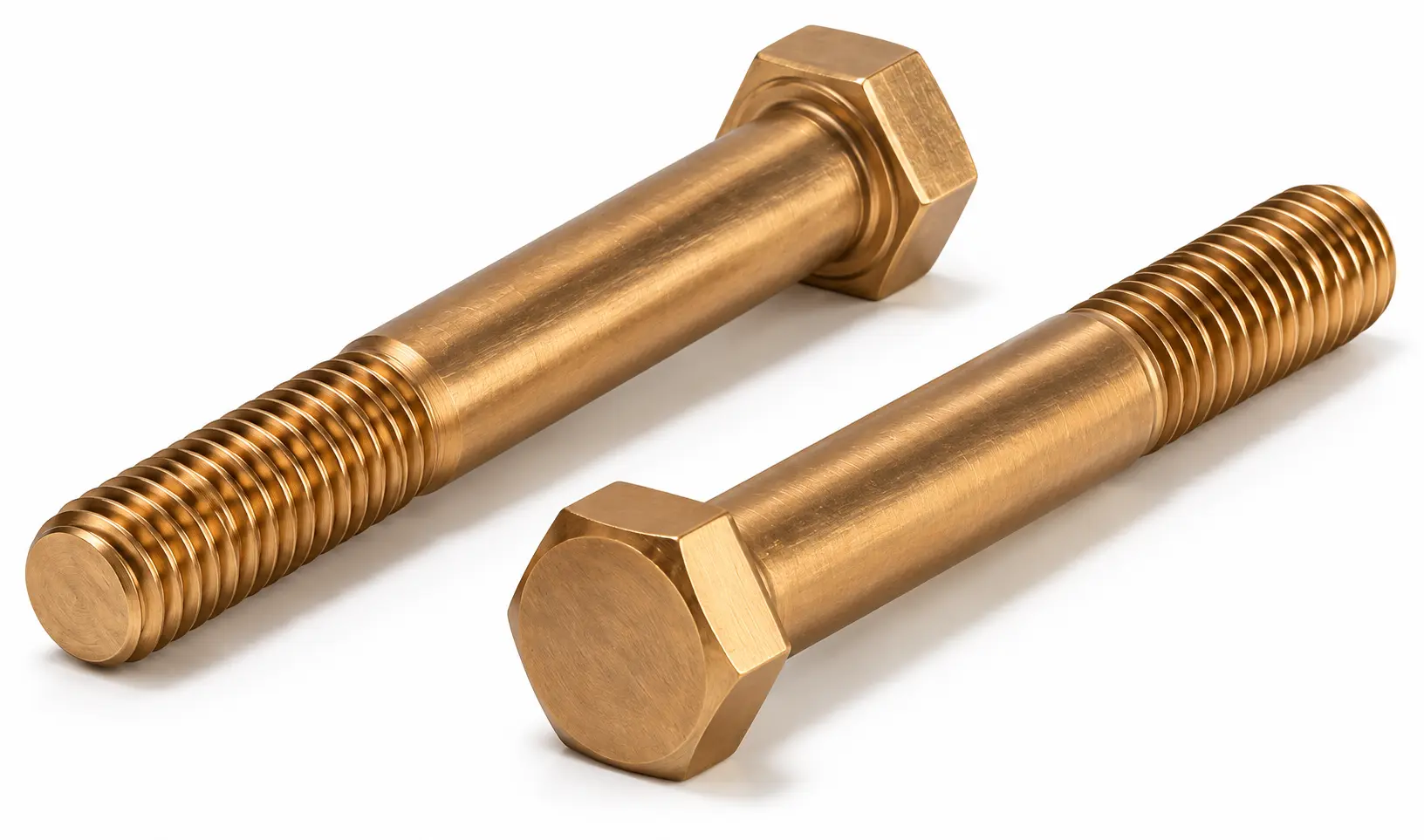
Manganese Bronze C67400 Hex Bolts
Manganese Bronze C67400
Hex Bolts
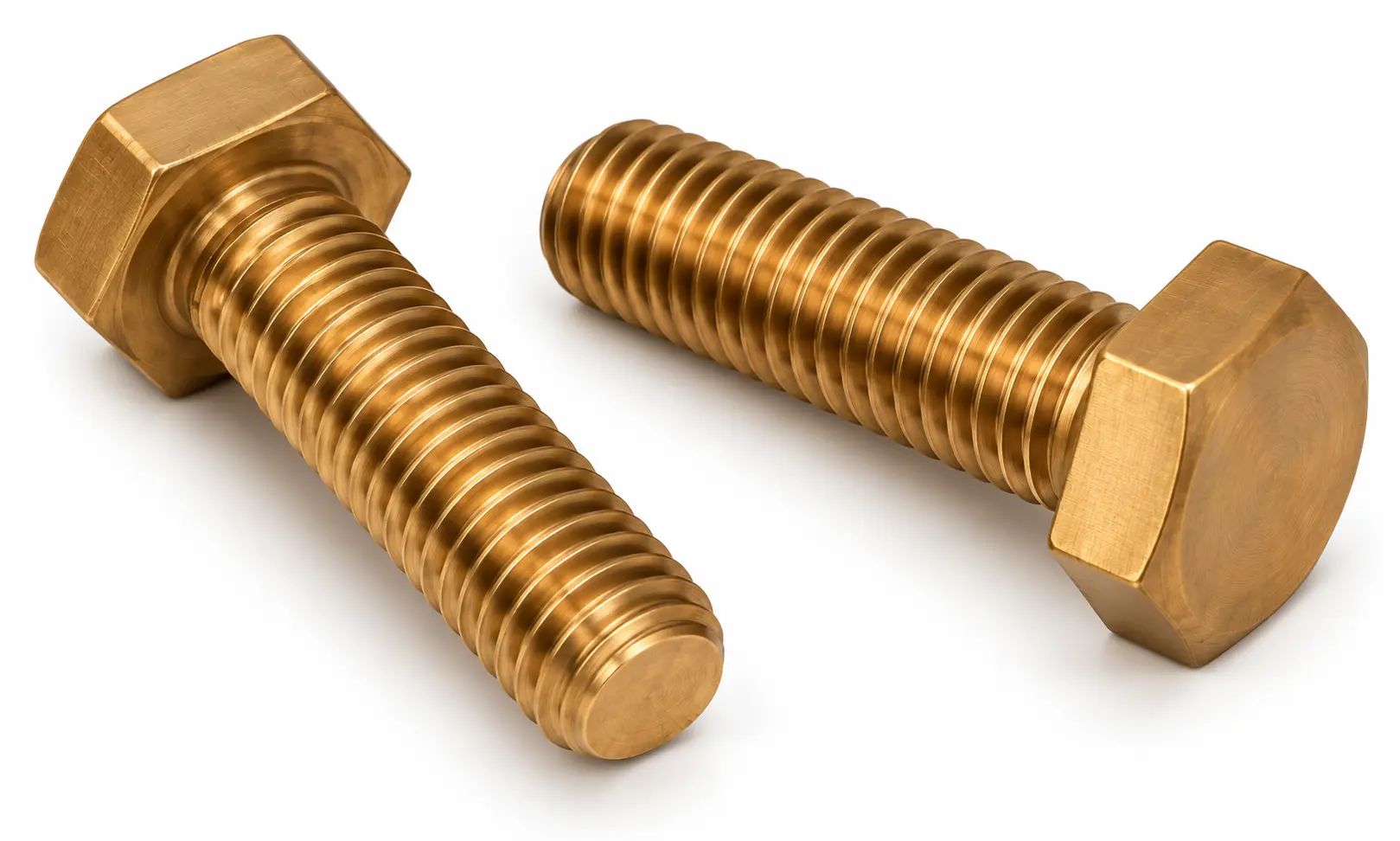
Manganese Bronze C67400 Heavy Hex Bolts
Manganese Bronze C67400
Heavy Hex Bolts
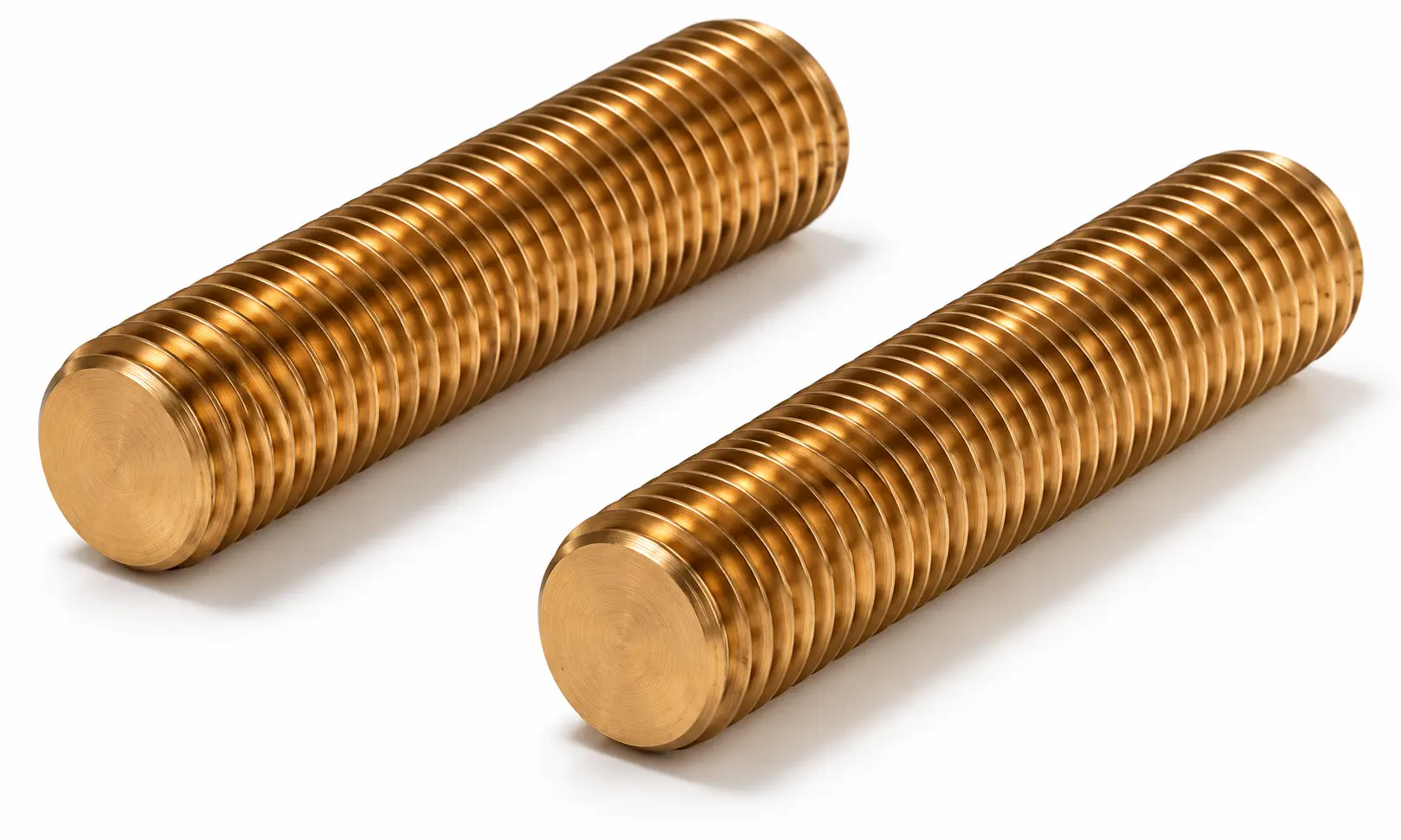
Manganese Bronze C67400 Stud Bolts
Manganese Bronze C67400
Stud Bolts
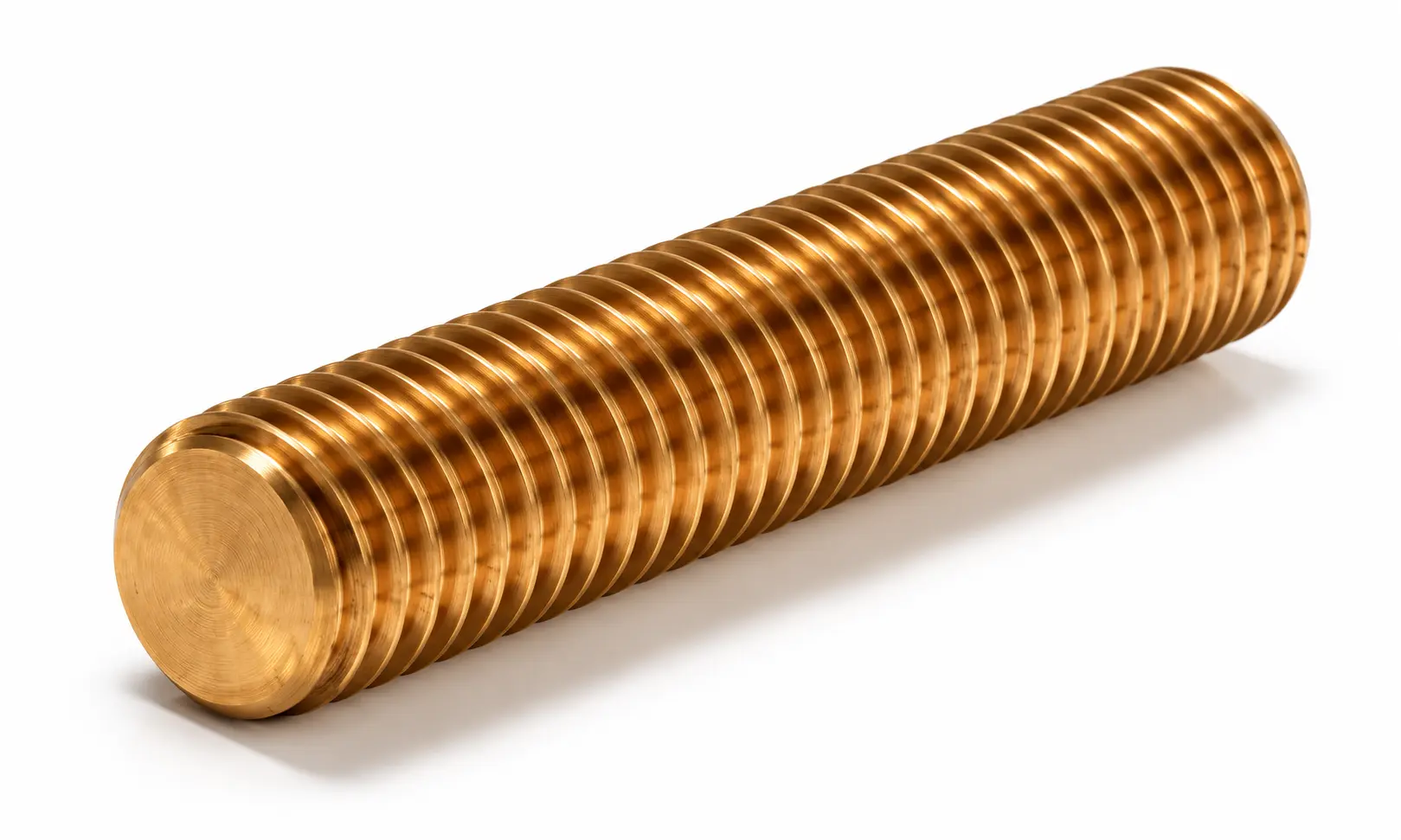
Manganese Bronze C67400 Threaded Rods
Manganese Bronze C67400
Threaded Rods
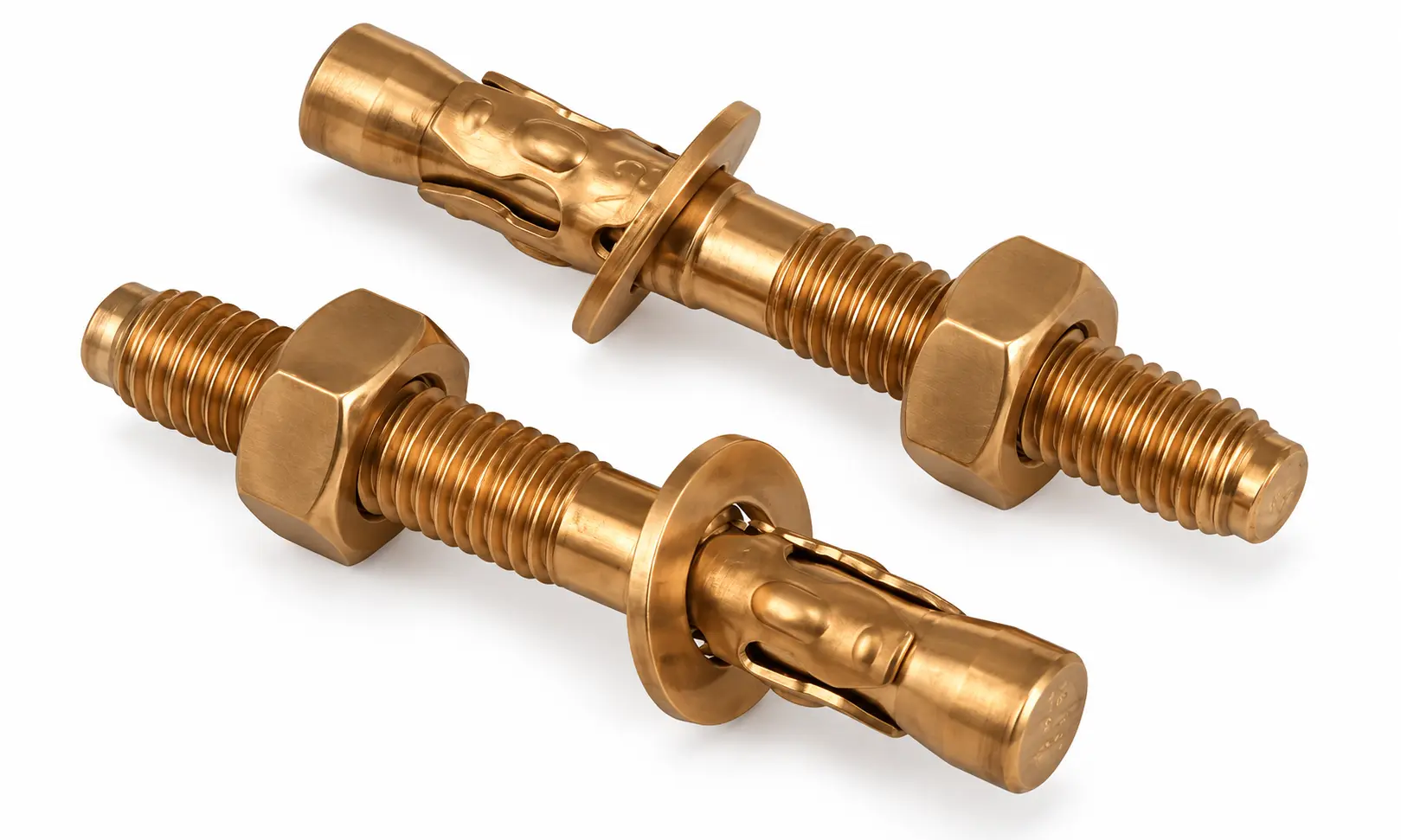
Manganese Bronze C67400 Anchor Bolts
Manganese Bronze C67400
Anchor Bolts
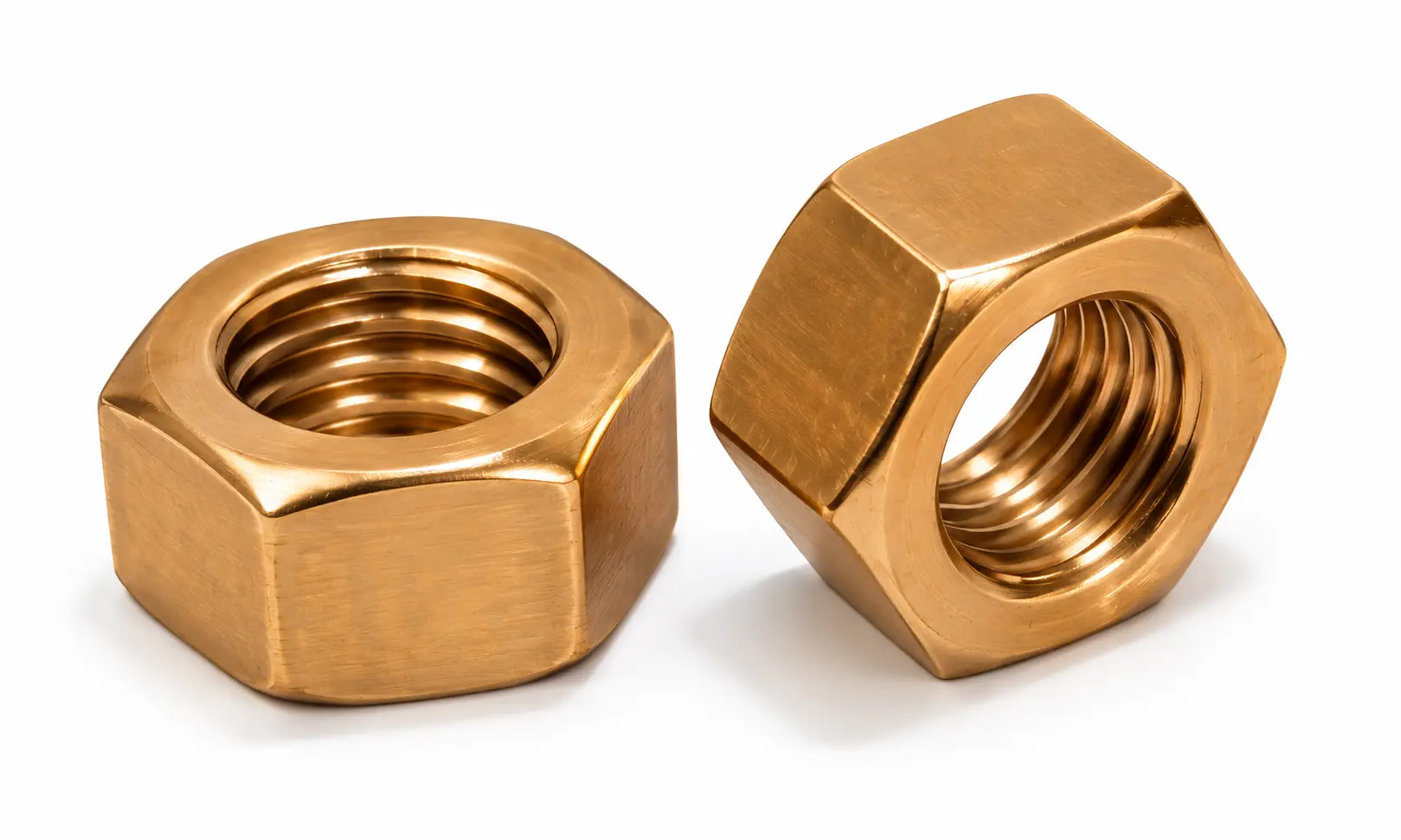
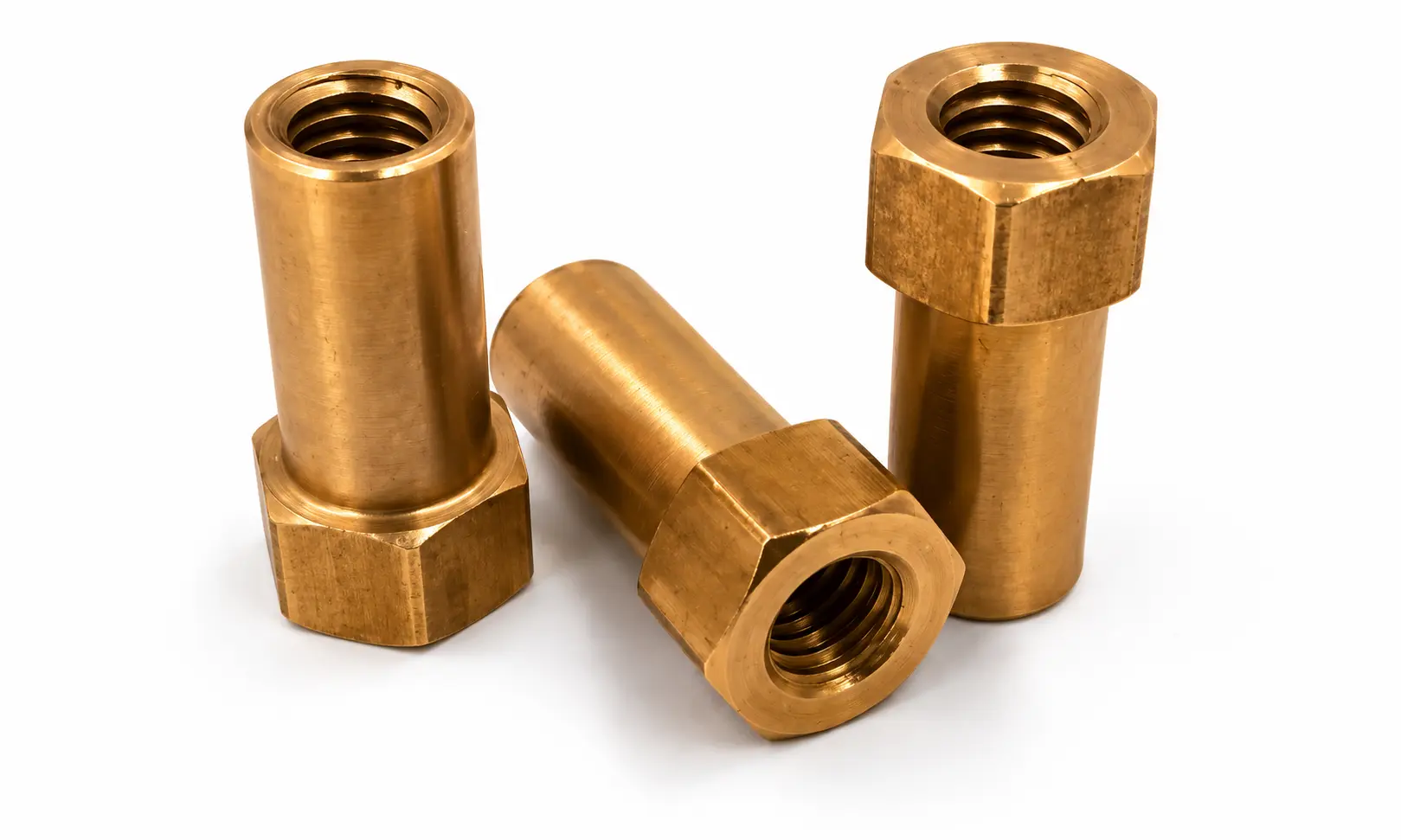
Manganese Bronze C67400 Hex Nuts
Manganese Bronze C67400
Hex Nuts
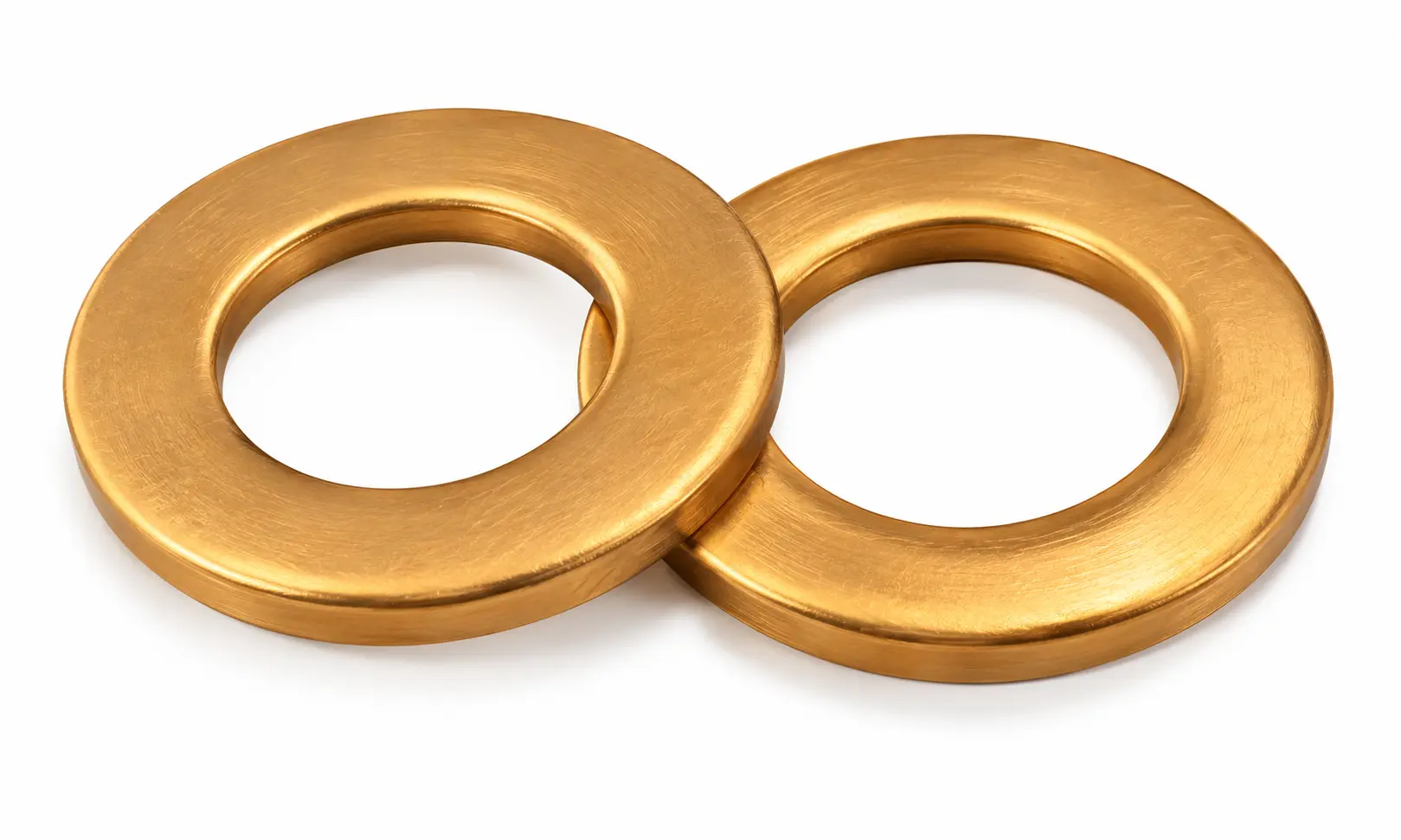
Manganese Bronze C67400 Washers
Manganese Bronze C67400
Washers
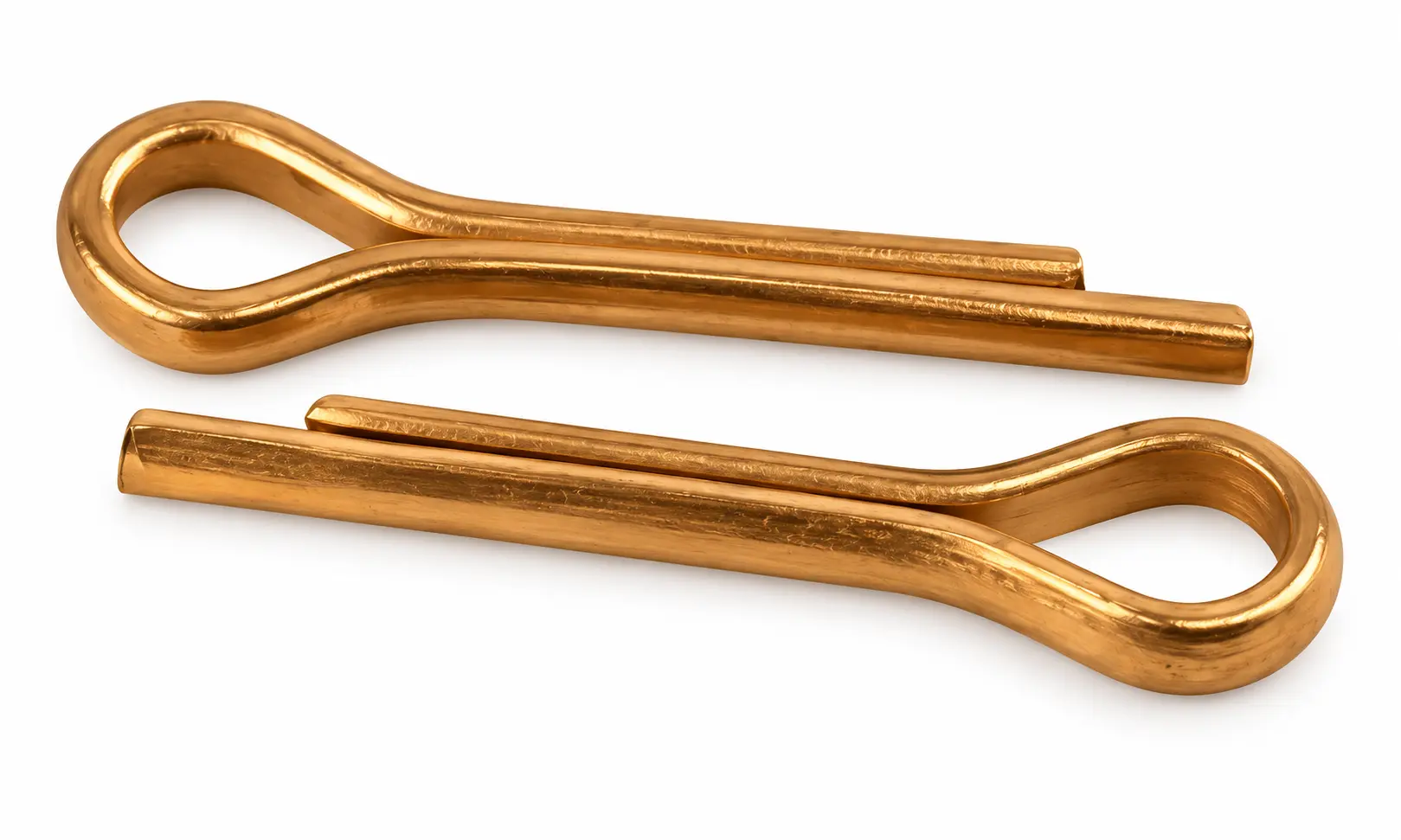
Manganese Bronze C67400 Cotter Pins
Manganese Bronze C67400
Cotter Pins
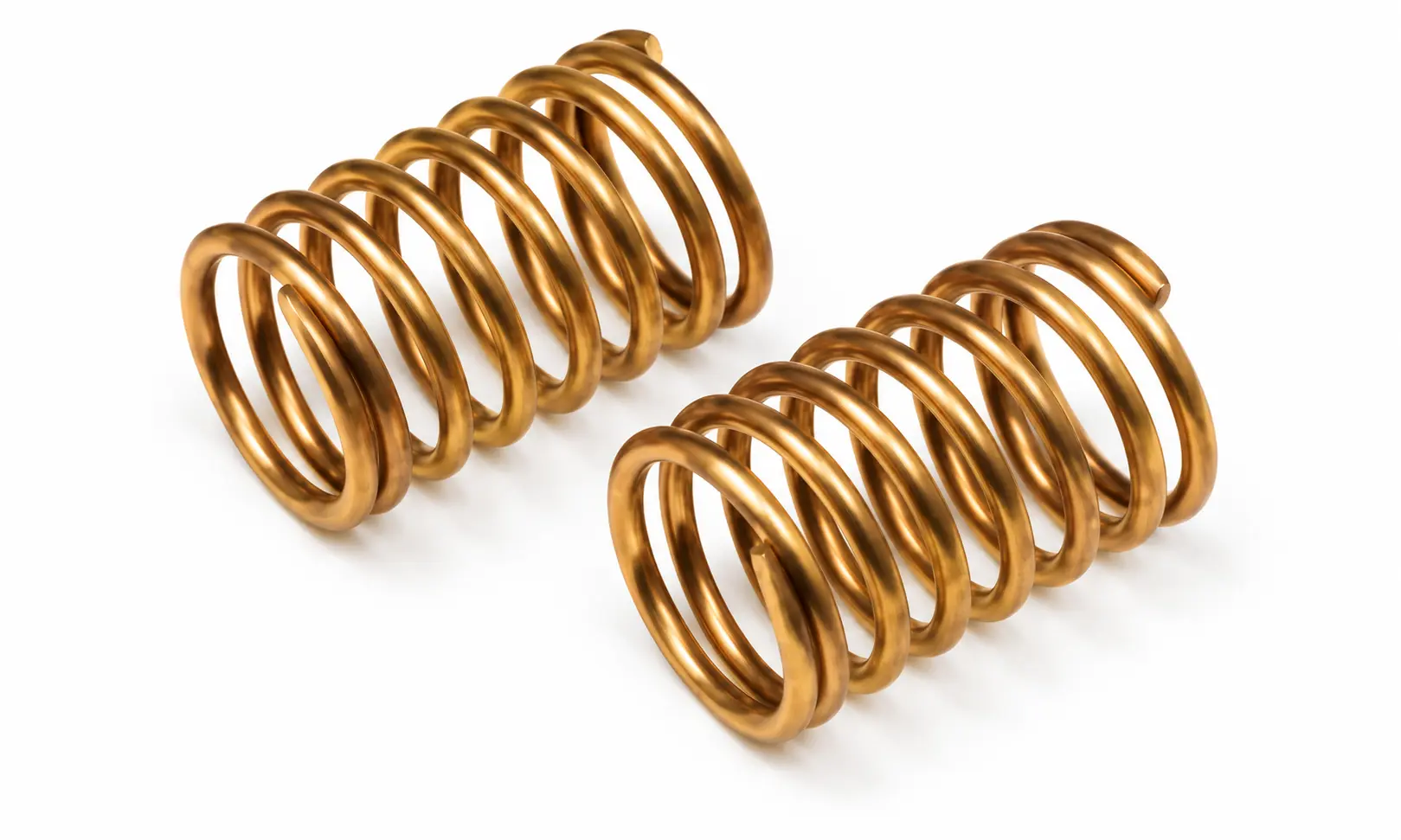
Manganese Bronze C67400 Springs
Manganese Bronze C67400
Springs
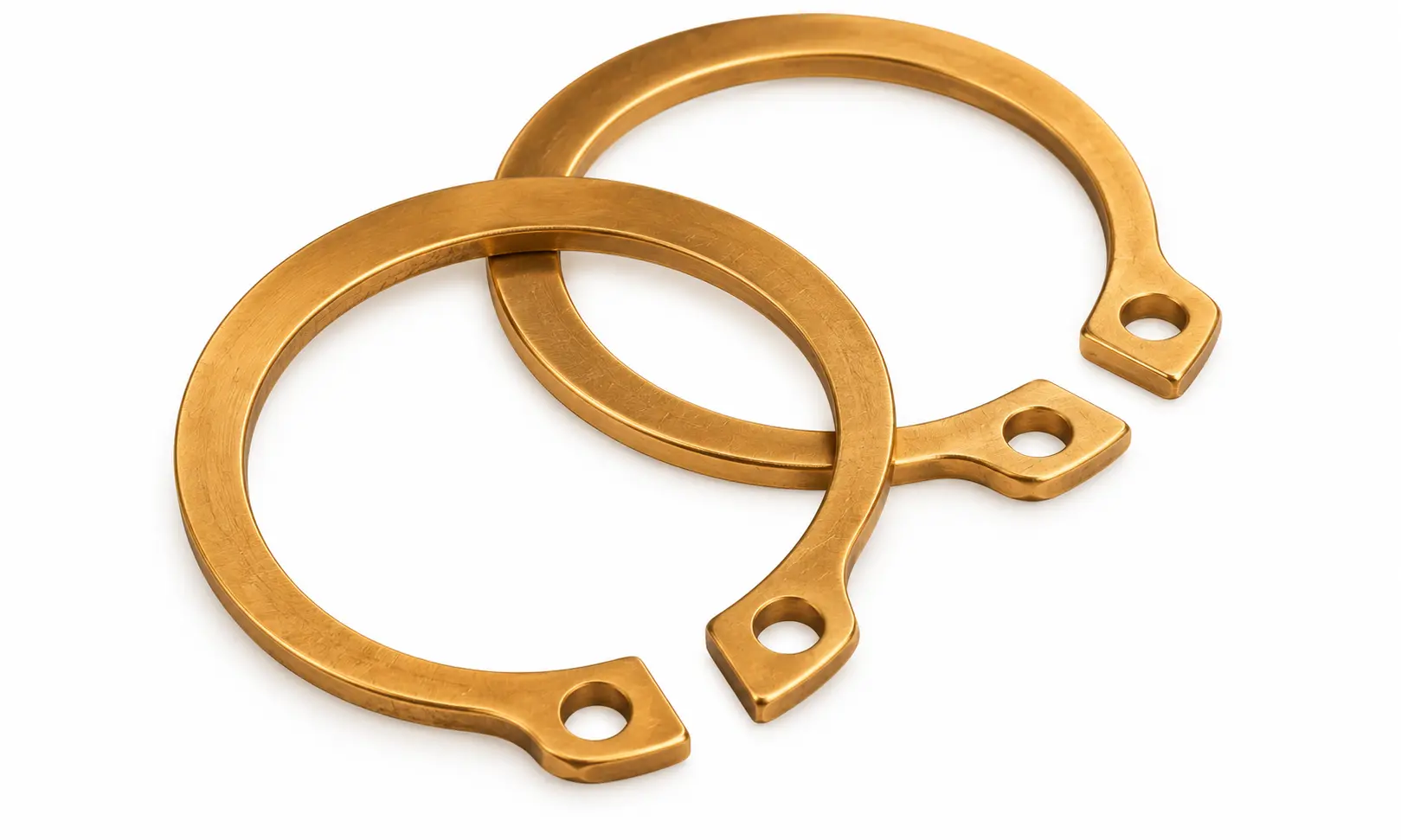
Manganese Bronze C67400 Circlips
Manganese Bronze C67400
Circlips
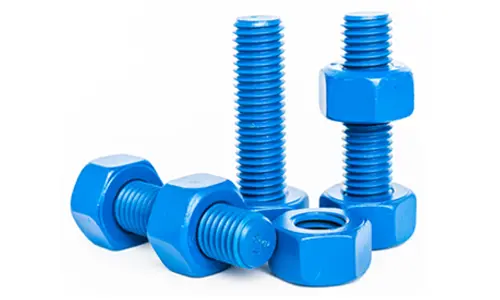
Manganese Bronze C67400 Coated Fasteners
Manganese Bronze C67400
Coated Fasteners
Manganese Bronze C67400 Custom Spacers
Manganese Bronze C67400
Custom Spacers
Technical Data

Manganese Bronze C67400 Specifications

Chemical Composition — Manganese Bronze C67400 (wt. %)
ElementMinimum %Maximum %
Copper (Cu) *57.060.0
Zinc (Zn)Remainder—
Manganese (Mn)2.03.5
Silicon (Si)0.501.5
Aluminium (Al)0.502.0
Lead (Pb)—0.50
Iron (Fe)—0.35
Tin (Sn)—0.30
Nickel (Ni) **—0.25
Copper + sum of named elements99.5—
Mechanical Properties — Manganese Bronze C67400
ConditionUTS (MPa)YS 0.5% EUL (MPa)Elongation (%)Hardness
Rod 19 mm, soft anneal O604832342878 HRB
Bar, as hot extruded M305382622678 HRB
Bar, 1/2 hard and stress relieved HR025863102483 HRB
Rod 19 mm, 1/2 hard and stress relieved HR026343792087 HRB
Physical Properties
Density8.08 g/cm³
Melting Range866–885 °C (1590–1625 °F)
Electrical Conductivity23% IACS at 20 °C
Thermal Conductivity100 W/m·K at 20 °C
Coefficient of Thermal Expansion19.8 × 10⁻⁶ /°C
Specific Heat Capacity377 J/kg·K at 20 °C
Modulus of Elasticity110 GPa
Modulus of Rigidity41 GPa
StructureAlpha-beta copper-zinc — hot workable, strong, dezincification-prone
Machinability Rating30 (C36000 = 100)
Forgeability Rating100
Capacity for Cold WorkingPoor
Capacity for Hot FormingExcellent
SolderingFair
BrazingGood
Gas Shielded Arc WeldingFair
Coated Metal Arc WeldingNot Recommended
Annealing Temperature427–593 °C (800–1100 °F)
Hot Working Temperature593–677 °C (1100–1250 °F)
Hardenable by Heat TreatmentNo
Magnetic ResponseNon-magnetic
Equivalent Grades & Standards
UNSCDA NumberCDA Alloy NameCommon Name
C67400 CDA 674 Not registered by CDA Manganese Bronze C67400, CDA 674

Key Specifications: SAE J463 / SAE J461.

*The copper value includes silver. The nickel value includes cobalt.

CDA also publish, for 19 mm HR02 rod, a shear strength of 331 MPa and a fatigue strength of 200 MPa. The iron maximum of 0.35% is lower than the 0.50% minimum that a careless reading of the CDA composition table produces; we read the figures from the source table's element columns, where the 0.50% minimum belongs to aluminium.

Note on fastener standards: One manganese bronze is covered by the ASTM nonferrous fastener standards. ASTM F468 and F467 list C67500 — Manganese Bronze A — as Cu 675, mechanical property marking F 468N, specified at 379–586 MPa (55–85 ksi) tensile with 172 MPa minimum yield at 60–90 HRB and 20% minimum elongation in all diameters.

Set that against the rest of the certified copper alloys on this site: Cu 630 at 690–896 MPa but only 5% elongation, Cu 642 and Cu 613 in the 517–758 band, Cu 655 at 345–552 MPa with 20% elongation, and Cu 464 naval brass at 345 MPa with 103 MPa minimum yield. Cu 675 sits just above naval brass on strength with the same generous 20% elongation, and is chosen where a brass-family fastener needs more load capacity than Cu 464 can give without moving to an aluminium or silicon bronze. Remember that it is a 40% zinc alloy: for immersed service the silicon bronzes are the safer certified choice.

The other eight grades are supplied to their mill and casting product standards — ASTM B138 for wrought rod, bar and shapes, B124 and B283 for forgings, and B584, B271, B505, B763, B176, B30 and B22 plus AMS 4860 and MIL-C-11866 for the castings — with thread conformance to the relevant ASME or ISO standard and acceptance criteria agreed on the order.

Every manganese bronze order ships with EN 10204 3.1 certification giving the heat analysis, the temper or cast condition, and the mechanical test results for the product form and section supplied. Zinc, aluminium, manganese, iron and lead are reported explicitly — zinc sets the dezincification exposure, aluminium splits the family into its low-strength-machinable and high-strength-hard halves, manganese and iron do the strengthening, and lead governs machinability and regulatory acceptability under the Safe Drinking Water Act and RoHS. Dezincification testing to ISO 6509, stress-relief treatment, hardness survey across section, microstructural examination and positive material identification can all be added at order stage.

Machining: the spread across this hub is the widest of any family on this site, and it tracks lead rather than strength. At the bottom sits C86300 with a CDA machinability rating of 8 — the lowest figure anywhere on this site — followed by C86500 at 26, and C67400, C67500, C86100 and C86200 all at 30. At the top, the two deliberately leaded grades: C67600 at 60 with 0.50–1.0% lead and C86400 at 65 with 0.50–1.5% lead. C67300 carries the most lead of all at 0.40–3.0%, though CDA register no rating for it.

For reference, C36000 free-cutting brass is the 100 on that scale, so even the best grade here cuts at two thirds of ordinary free-cutting brass practice. The unleaded high-aluminium grades are genuinely difficult: tough, work-hardening, with hard intermetallic particles that abrade tooling. Use rigid setups and heavy continuous cuts, keen positive-rake carbide, moderate surface speed with generous feed, and flood coolant. Never let the tool dwell.

Forming inverts the picture entirely. CDA rate the wrought grades Excellent for hot forming and Poor for cold working — these are hot extrusion and hot forging alloys, and C67400 carries a forgeability rating of 100, equalling C37700 forging brass, the CDA reference alloy for hot forgeability. C67500 and C67600 follow at 80. Forge or extrude to near net shape, then machine.

Heat treatment: manganese bronzes are not hardenable. There is no precipitation reaction and no quench-and-temper response on this family — unlike the cast nickel aluminium bronzes, which are. Strength comes from composition and, on the wrought grades, from cold work. The tempers record it: O60 soft annealed, M30 as hot extruded, M01/M02/M07 as sand, centrifugal and continuous cast, then H01 quarter hard, H02 half hard and H50 extruded and drawn as reduction increases.

CDA register an annealing range of 427–593 °C (800–1100 °F) for C67400 and C67500, and hot working ranges of 593–677 °C for C67400 and 621–788 °C for C67500. No annealing or hot working data is registered for any of the cast grades, which are supplied and used as cast.

Stress relief is the treatment that matters in practice, and CDA make the point by publishing named HR02 half-hard-and-stress-relieved tempers for C67400 in both bar and rod. A low-temperature stress-relief anneal after cold working removes the residual tensile stress that drives both distortion in service and ammonia stress-corrosion cracking, while keeping the cold-worked strength. On a 40% zinc alloy that is not optional — specify it as standard on cold-worked, swaged and tightly threaded parts going into service.

Welding: this family joins poorly, and it is the clearest practical weakness on the hub. The cast grades are the worst: CDA rate soldering and brazing Poor on C86100 and C86200, oxyacetylene and gas shielded arc welding Poor on C86400 and C86500, and on C86300 everything is Poor except coated metal arc welding, which is Good. For all four cast grades coated metal arc welding is the only process CDA rate Good, and weld repair of castings should follow the foundry's qualified procedure with preheat and post-weld stress relief as specified.

The wrought grades are mixed. C67500 and C67600 are rated Excellent for soldering and brazing and Good for oxyacetylene and spot welding, but only Fair for gas shielded arc welding and Not Recommended for coated metal arc. C67400 is worse: soldering only Fair, oxyacetylene and coated metal arc Not Recommended. CDA publish no fabrication ratings at all for C67000 or C67300.

The practical conclusion: specify manganese bronze for hot forged, extruded, cast and machined parts, and avoid it for critical welded fabrications. Where a welded copper-alloy structure is needed, silicon bronze — rated Excellent for gas shielded arc, spot, butt welding and brazing — or C63200 are far better choices.

“Manganese bronze” is a misnomer, and CDA's own filing makes the point better than any argument could. Every alloy on this hub is a copper-zinc alloy — which is to say a brass — with manganese, iron, aluminium and tin added for strength. Zinc runs from roughly 22% to 42%. There is no tin-bronze chemistry here at all; the tin that is present is a minor addition of 0.20–1.5%.

CDA then file the two halves of the family in different classes. The wrought grades — C67000, C67300, C67400, C67500 and C67600 — are classed as Wrought Bronzes, Other Copper-Zinc Alloys. The cast grades — C86100, C86200, C86300, C86400 and C86500 — are classed as Cast Brasses: Manganese Bronze and Leaded Manganese Bronze Alloy (High Strength Yellow Brasses). Same family, same chemistry, opposite designation. Use the UNS number on drawings and purchase documents; the trade name is historical and the classification depends on which half of the family you are in.

What the name does correctly signal is that these alloys behave nothing like an ordinary yellow brass. Manganese, iron and aluminium together lift tensile strength from a brass's typical 350–500 MPa to 414–758 MPa, add real wear and galling resistance, and make the alloys hot-forgeable to a degree few copper alloys match.

Read the aluminium column first — it splits this hub cleanly in two, and the two halves are used for quite different things.

The low-aluminium group at 0.25–2.0% Al — C67300, C67400, C67500, C67600, C86400 and C86500 — runs 414–634 MPa, keeps 15–33% elongation, and includes every grade on this hub that machines acceptably. These are the valve stems, bushings, marine hardware and general-purpose castings.

The high-aluminium group at 3.0–7.5% Al — C67000, C86100, C86200 and C86300 — reaches 621–758 MPa at 180–223 HB, with 12–20% elongation and markedly worse machinability. These are the heavily loaded bearings, gears, screw-down nuts and bridge components. C86300 at 5.0–7.5% aluminium is the extreme: 758 MPa minimum and a machinability rating of 8, the lowest figure on this entire site.

Machinability is the single most variable property here, and it does not follow strength alone. The spread runs from 8 at C86300 through 26 at C86500 and 30 at C67400, C67500, C86100 and C86200, to 60 at C67600 and 65 at C86400 — the two deliberately leaded grades. If a manganese bronze part is machining-intensive, the lead content is what to look at, not the strength.

These are brasses with 22–42% zinc, and dezincification is the failure mode to design against. Zinc is selectively leached out of the alloy, leaving a porous, mechanically worthless copper residue that retains the original shape and dimensions of the part. A dezincified valve stem or pump casing can look perfectly sound and fail under hand load. Susceptibility tracks structure: above roughly 37% zinc the alloy carries a zinc-rich beta phase that corrodes preferentially, and C86400 at 34–42% and C86500 at 36–42% sit squarely in that range.

None of these alloys is inhibited. Unlike C44400 admiralty brass with its antimony addition or C68700 aluminium brass with arsenic, no grade on this hub carries a dezincification inhibitor. The aluminium and manganese additions help — they contribute to a more protective surface film — and the high-aluminium grades do better than the low-aluminium ones, but help is not immunity. Where a manganese bronze will see stagnant, warm or chlorinated water, confirm suitability for the specific service and expect to be asked to demonstrate it by ISO 6509 testing. For continuous seawater immersion, the nickel aluminium bronzes are the usual step up.

The other classic brass failure applies too: ammonia stress-corrosion cracking. Moist ammonia, ammonium compounds, amines and nitrites will crack a manganese bronze carrying high residual tensile stress. Stress relieve heavily cold-worked, swaged and tightly threaded parts, and note that CDA publish HR02 stress-relieved tempers for C67400 precisely because of this.

How nine grades divide. Five are wrought and four are cast, and within each half the aluminium content sets the character.

Wrought. C67500 — Manganese Bronze A — is the reference grade and the only one in ASTM F468 as Cu 675: 448 MPa annealed to 579 MPa half hard, forgeability 80, eight listed specifications. C67600 is the same alloy with 0.50–1.0% lead added, doubling machinability from 30 to 60. C67000 — Manganese Bronze B — jumps to 3.0–6.0% aluminium for forgings needing strength and wear resistance, though CDA publish no mechanical data for it. C67300 and C67400 add silicon at 0.50–1.5% with 2.0–3.5% manganese for anti-galling bushing and bearing duty against hardened steel; C67400 carries a forgeability rating of 100.

Cast. C86500 is the general-purpose casting at 448 MPa minimum, and C86400 is its leaded free-machining counterpart at machinability 65, the best on this hub. C86100 and C86200 are the high-aluminium high-strength castings at 621–655 MPa and 180 HB, differing mainly in copper and zinc balance. Above them both sits C86300 at 758 MPa minimum and 223 HB — documented on the brass hub, where CDA's own classification places it.
Key Characteristics

  • Unleaded silicon manganese brass with 0.50–2.0% aluminium.
  • Forgeability rating 100 — equal to C37700, the CDA reference.
  • Hot forming Excellent; cold working Poor.
  • Silicon plus manganese gives anti-galling behaviour against hardened steel.
  • 483 MPa soft annealed rising to 634 MPa half hard and stress relieved.
  • CDA publish named HR02 stress-relieved tempers for bar and rod.
  • Resistant to salt water; CDA list bushings as the typical use.
  • Machinability 30; lead held to 0.50% maximum.

Typical Applications

  • Hot forged and extruded components.
  • Bushings and bearings against hardened steel.
  • Anti-galling wear components.
  • Marine and salt-water hardware.
  • Valve and pump components.
  • Gears, pinions and worm wheels.
  • Heavy machinery sliding parts.
  • Forged structural hardware.