+91 97734 41022 sales@exoticalloy.com
Material Specification

Tin Bronze C92200

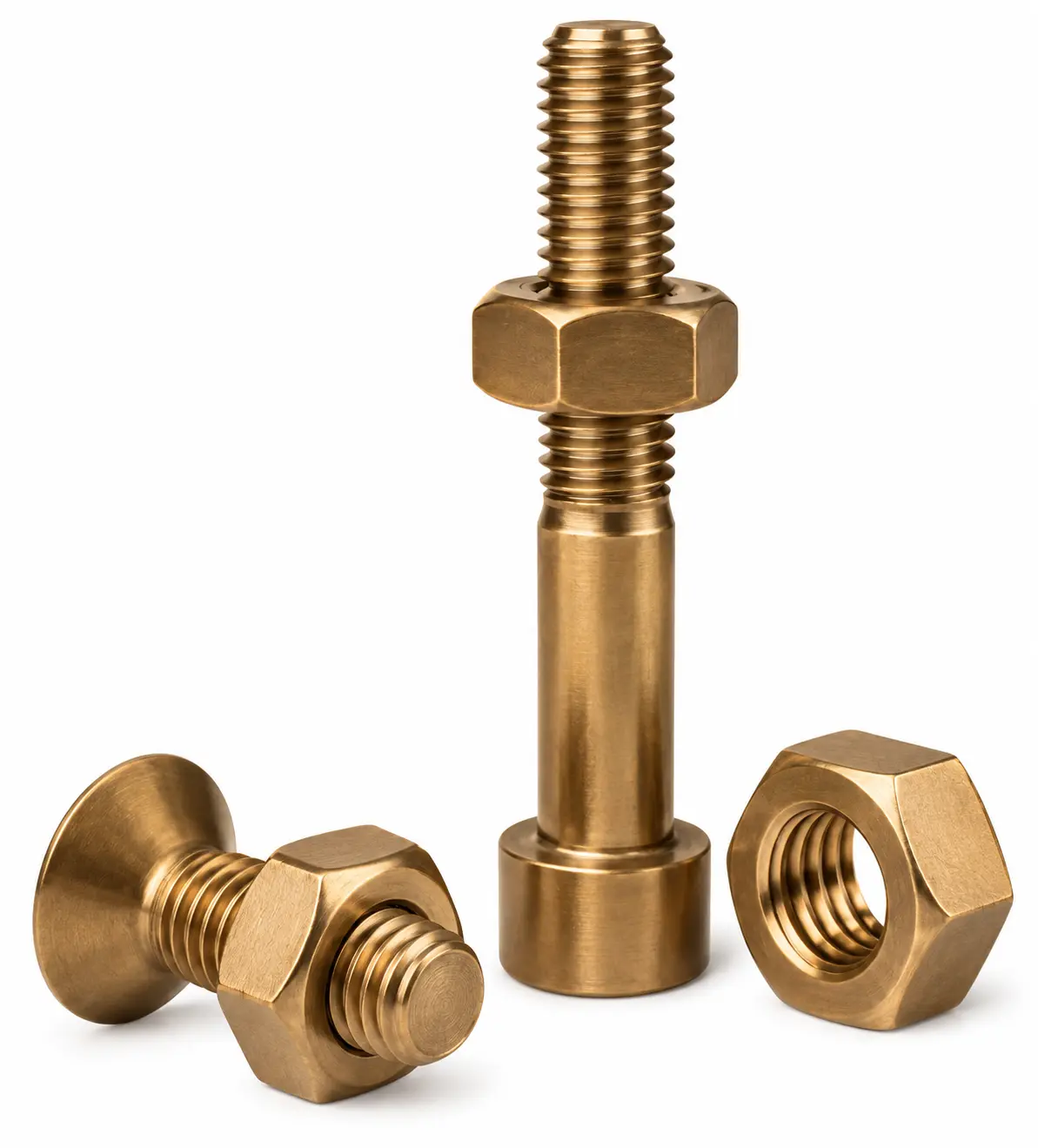
Tin Bronze C92200 Fasteners
Navy M Bronze

Tin Bronze C92200 Fasteners

Tin bronze C92200 is Navy M bronze — copper 86.0–90.0% with 5.5–6.5% tin, 3.0–5.0% zinc and 1.0–2.0% lead. It is the classic steam and valve casting alloy, covered by ASTM B61, the steam or valve bronze standard, and it carries ten listed specifications — the most of any leaded tin bronze here.

The composition is tuned for pressure tightness above all: enough zinc to deoxidise and give fluidity, enough lead to seal microporosity and lift machinability to 42, and a modest 6% tin that keeps the alloy tough. It is specified at 234 MPa with 110 MPa yield and 22% minimum elongation sand cast, rising to 262 MPa and 131 MPa continuous cast, with typical elongation of 30% and a Charpy V-notch of 19 ft-lb. CDA also publish a creep strength of 76 MPa, which matters for steam service. Note the lead restrictions below. Exotic Alloy supplies C92200 castings, cast bar and machined cast components.

Request a Quote
Product Range

Tin Bronze C92200 Fasteners Available

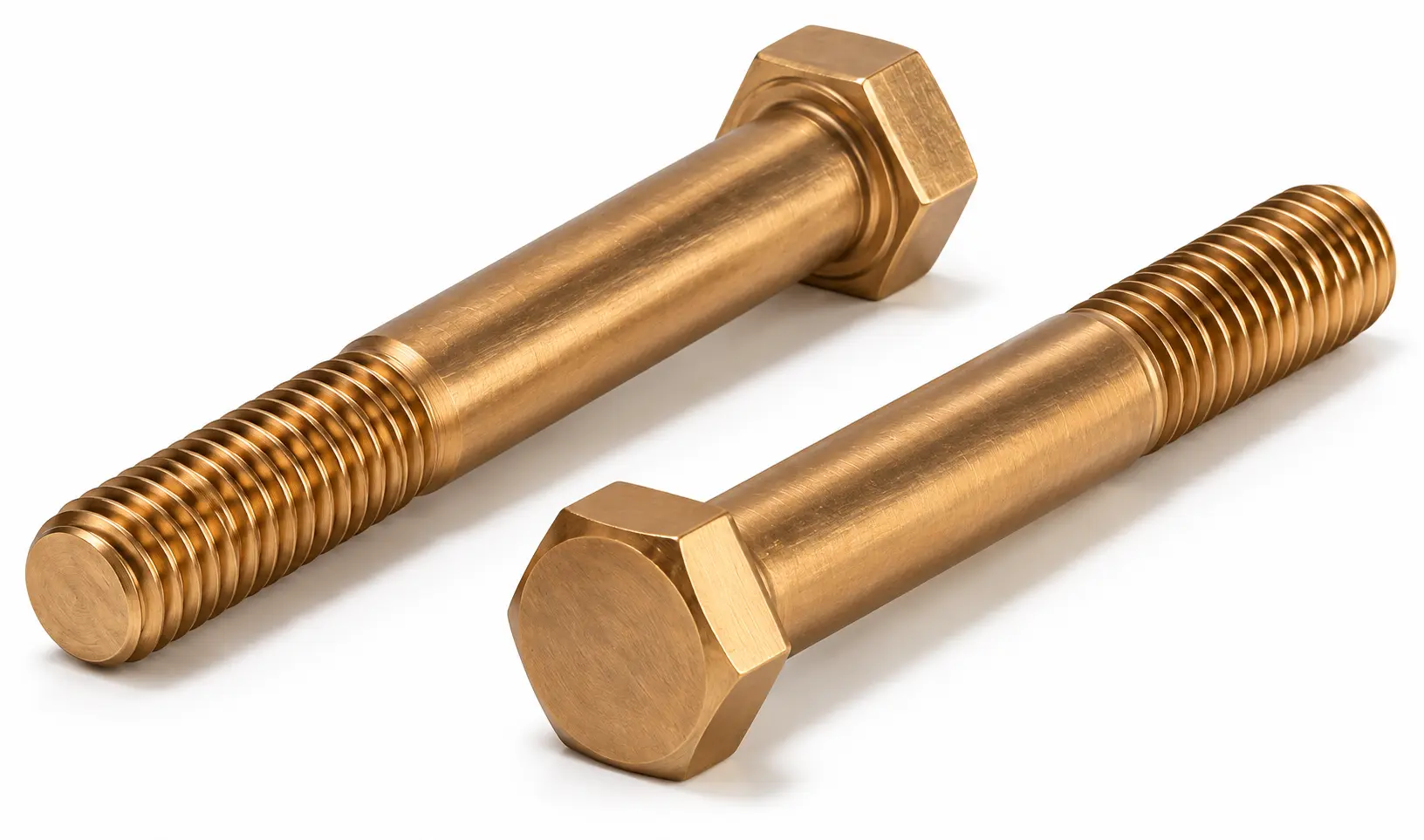
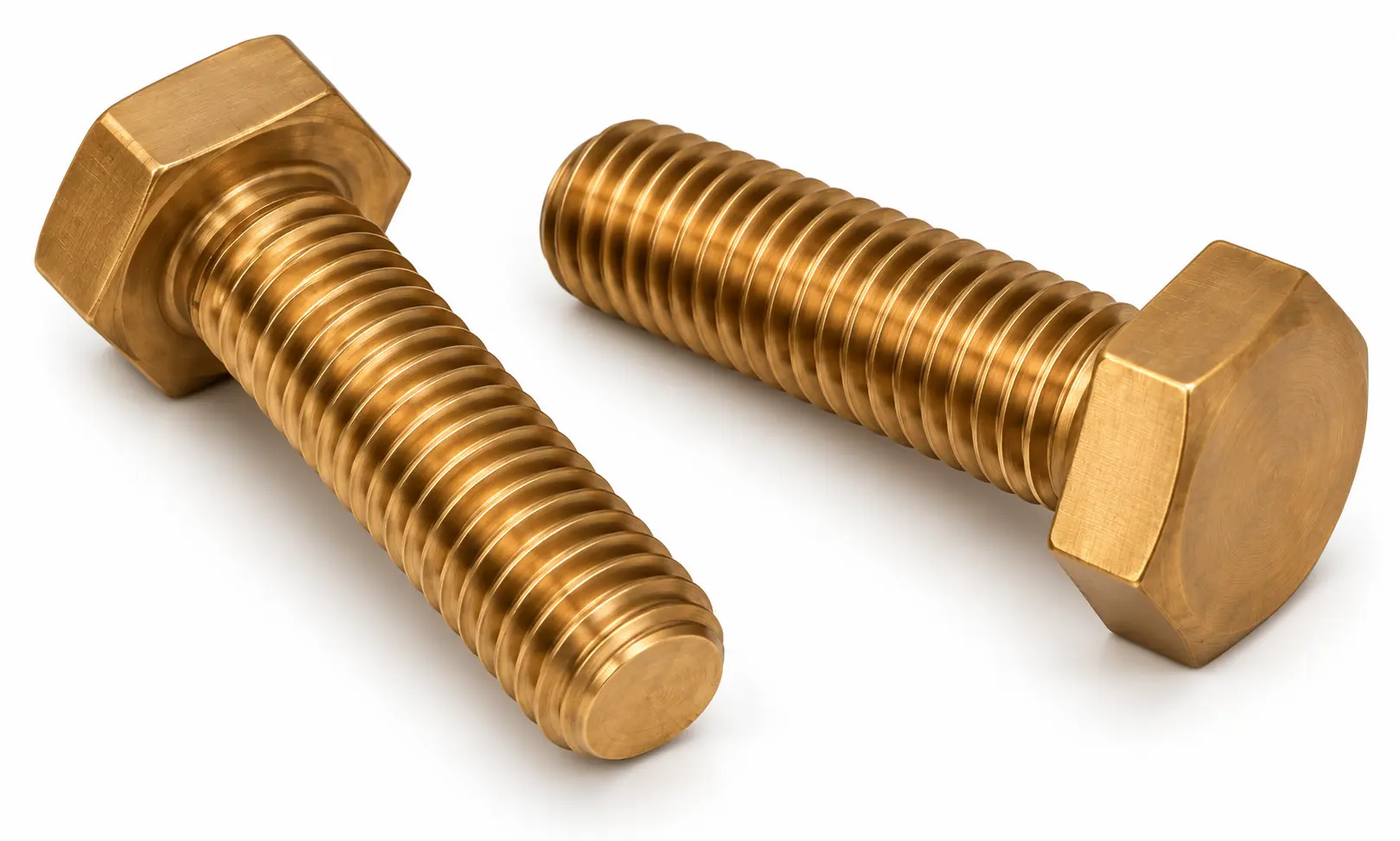
Tin Bronze C92200 Hex Bolts
Tin Bronze C92200
Hex Bolts
Tin Bronze C92200 Heavy Hex Bolts
Tin Bronze C92200
Heavy Hex Bolts
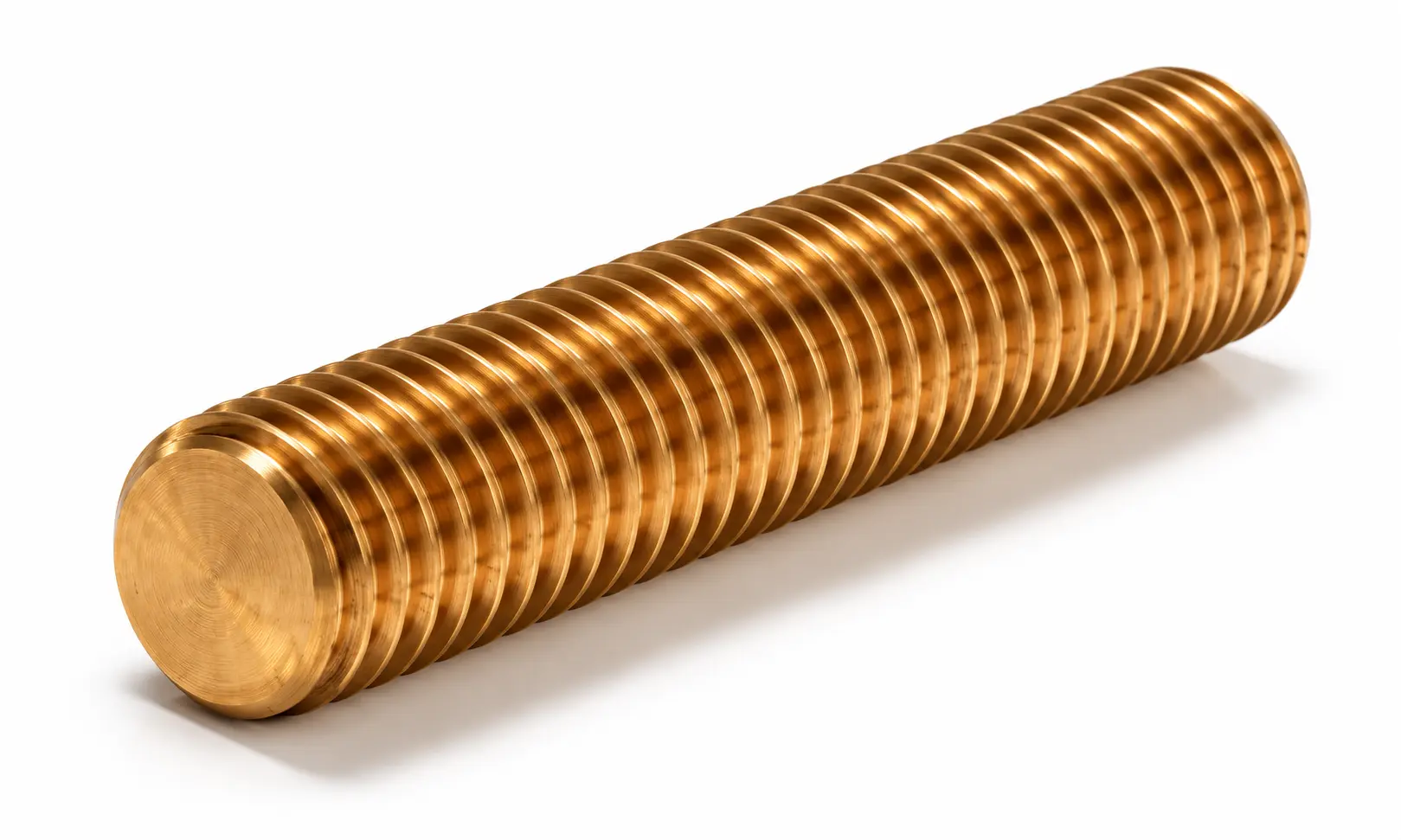
Tin Bronze C92200 Stud Bolts
Tin Bronze C92200
Stud Bolts
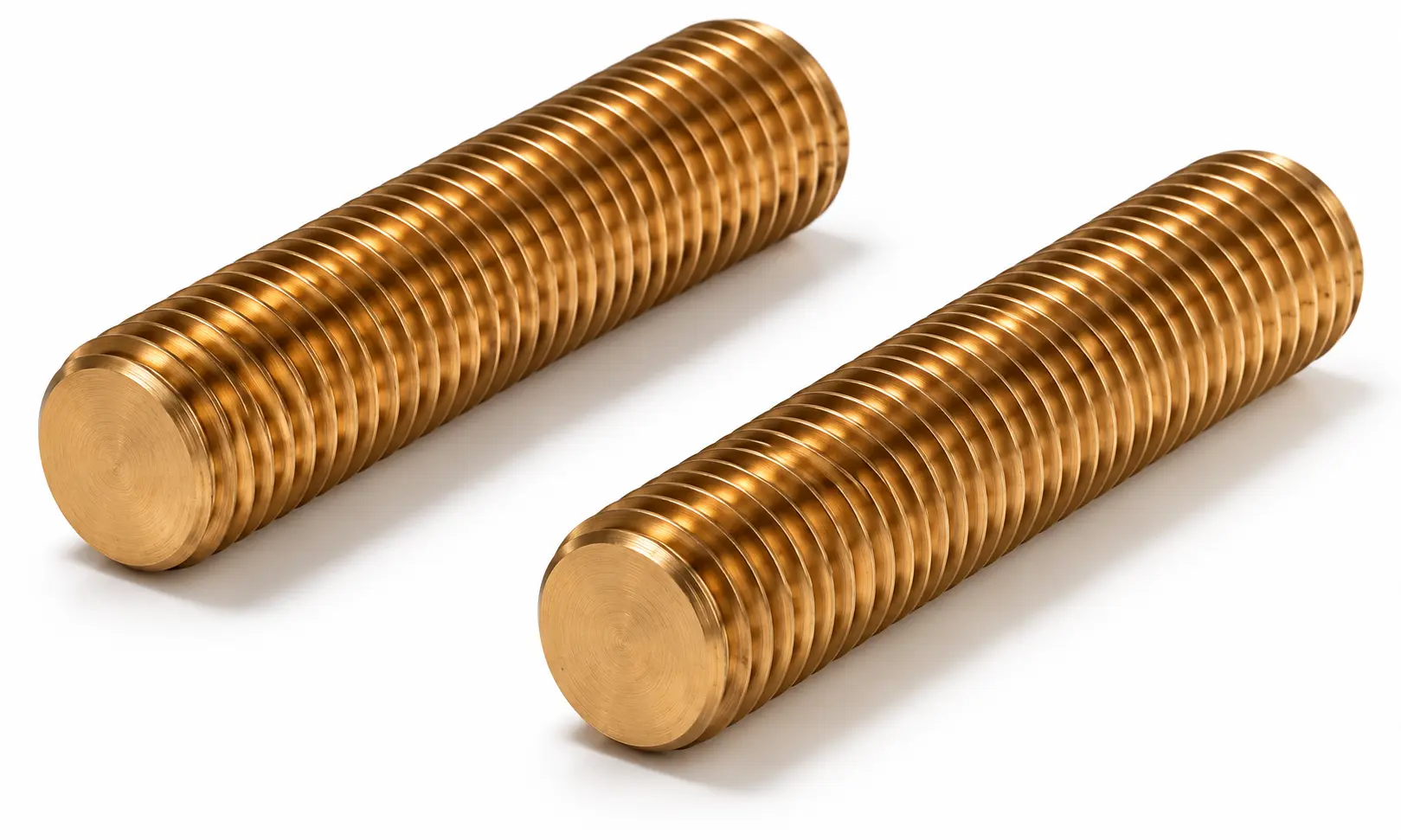
Tin Bronze C92200 Threaded Rods
Tin Bronze C92200
Threaded Rods
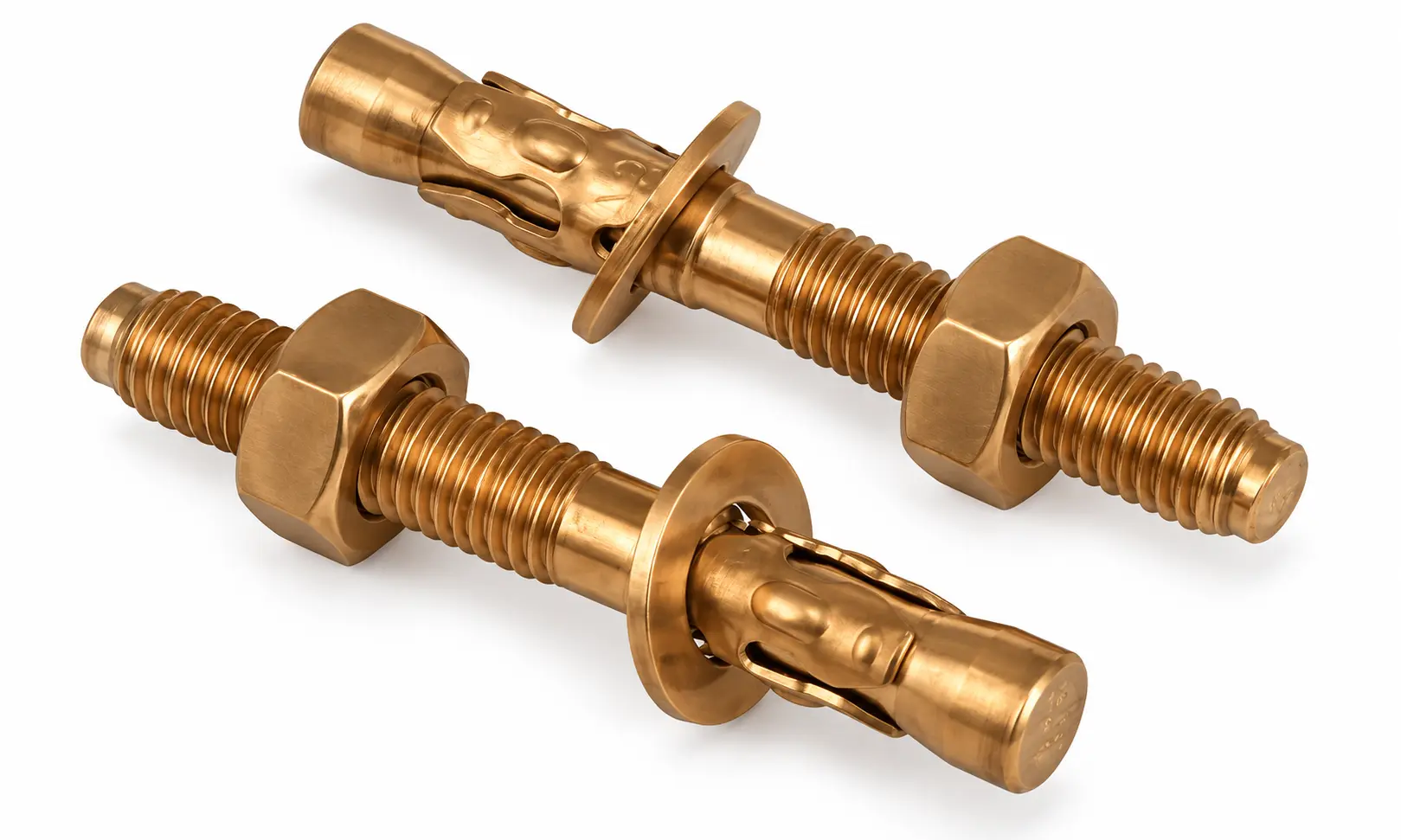
Tin Bronze C92200 Anchor Bolts
Tin Bronze C92200
Anchor Bolts
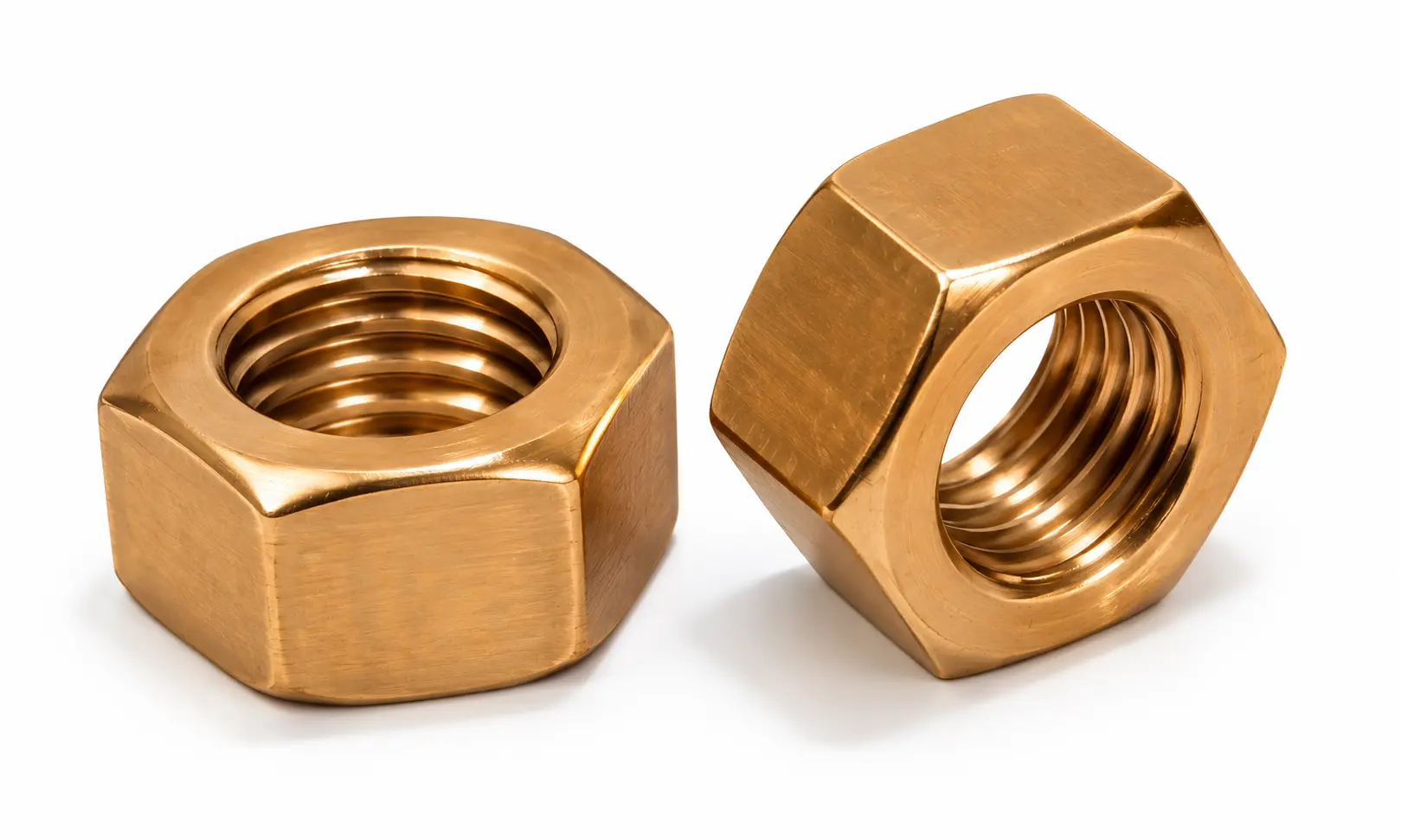
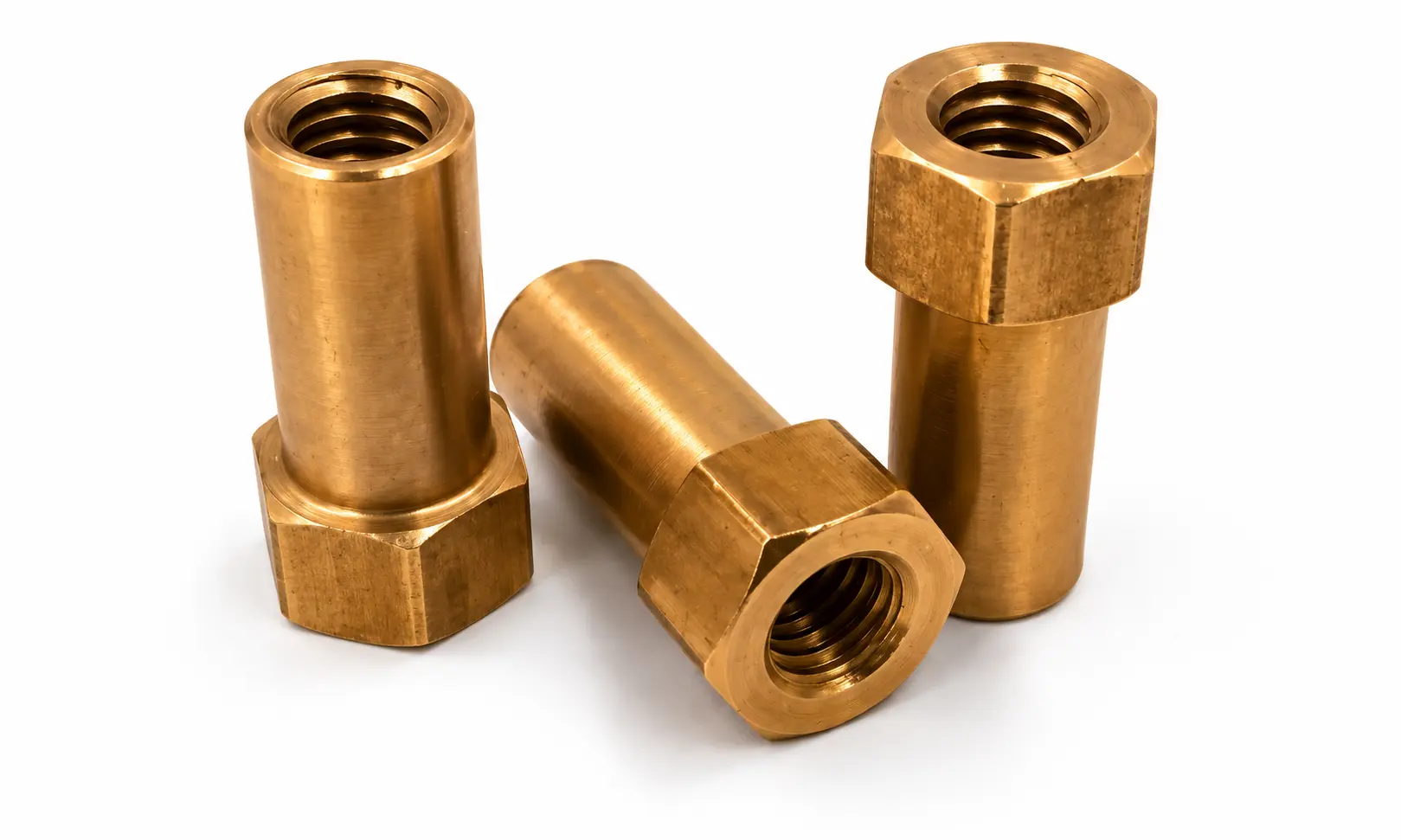
Tin Bronze C92200 Hex Nuts
Tin Bronze C92200
Hex Nuts
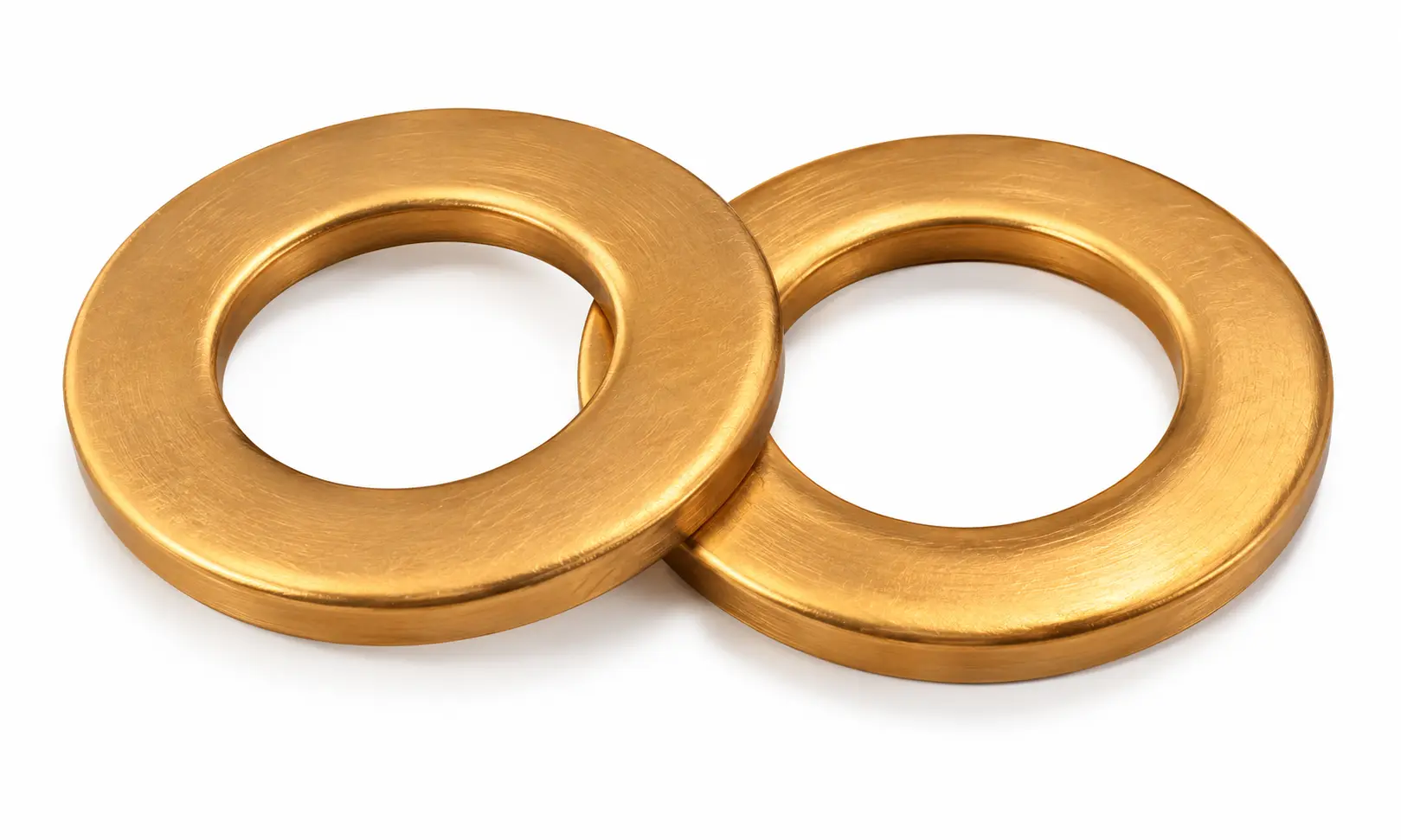
Tin Bronze C92200 Washers
Tin Bronze C92200
Washers
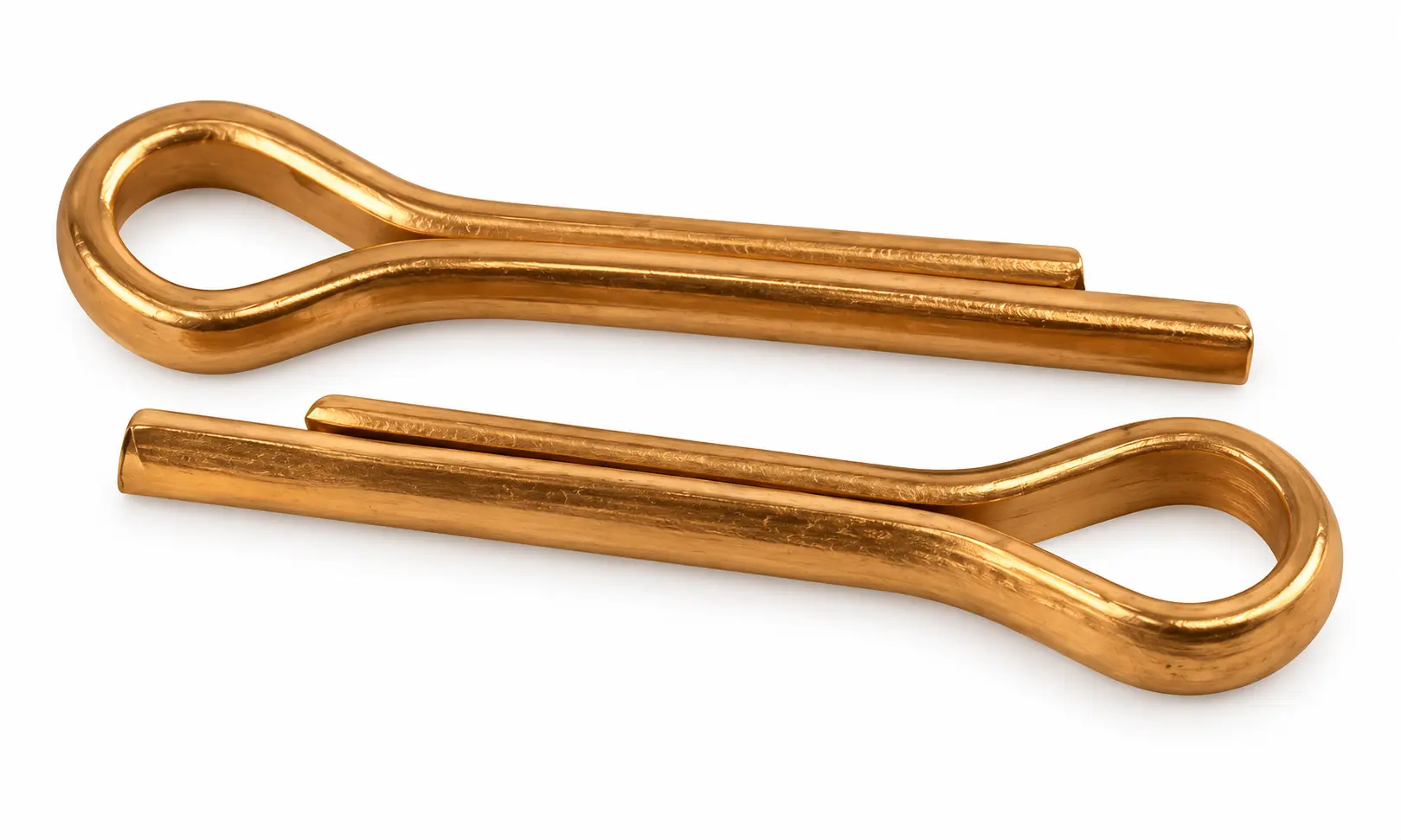
Tin Bronze C92200 Cotter Pins
Tin Bronze C92200
Cotter Pins
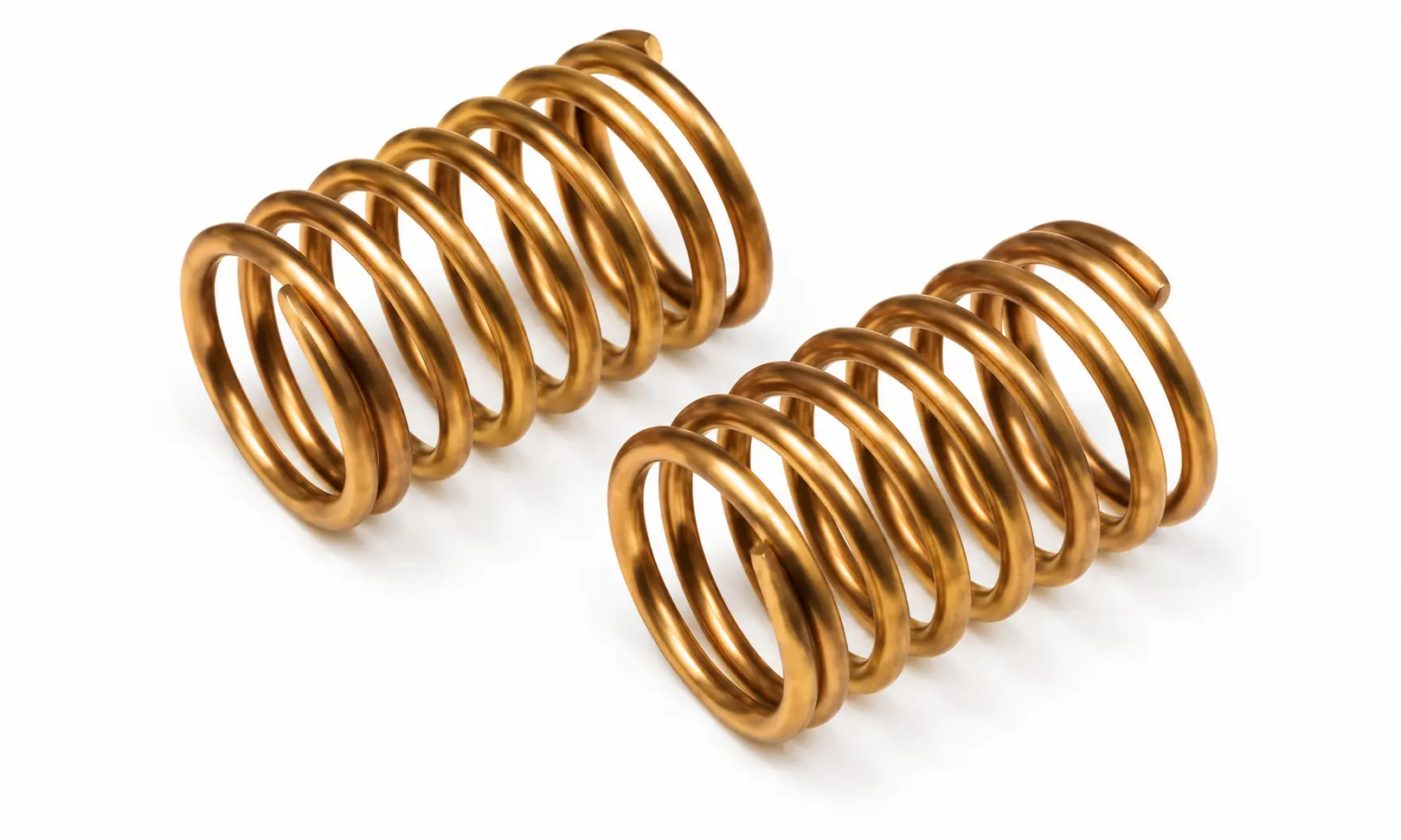
Tin Bronze C92200 Springs
Tin Bronze C92200
Springs
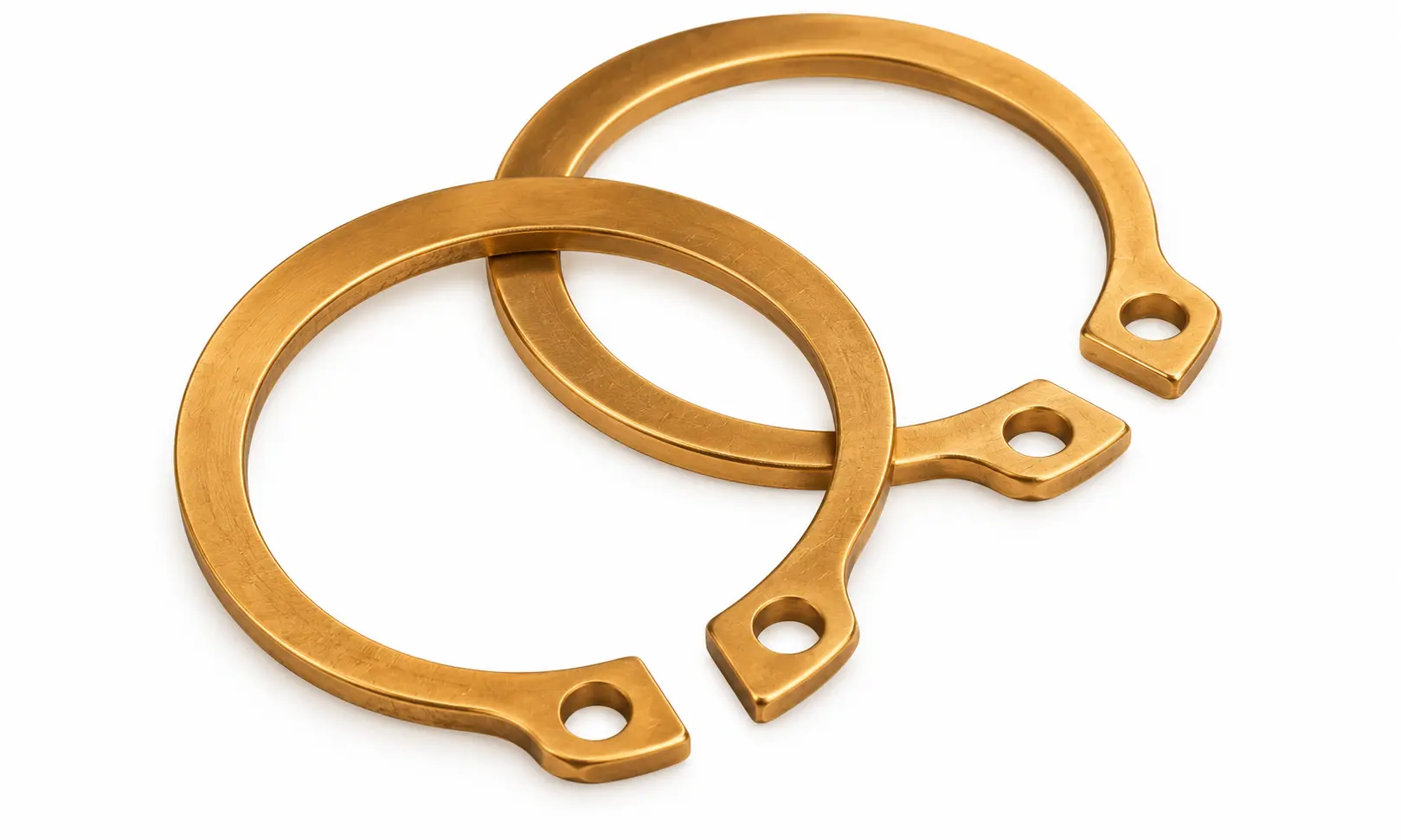
Tin Bronze C92200 Circlips
Tin Bronze C92200
Circlips
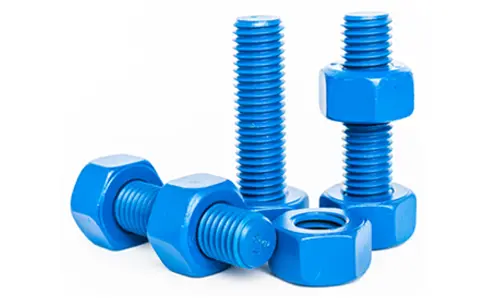
Tin Bronze C92200 Coated Fasteners
Tin Bronze C92200
Coated Fasteners
Tin Bronze C92200 Custom Spacers
Tin Bronze C92200
Custom Spacers
Technical Data

Tin Bronze C92200 Specifications

Chemical Composition — Tin Bronze C92200 (wt. %)
ElementMinimum %Maximum %
Copper (Cu) *86.090.0
Tin (Sn)5.56.5
Lead (Pb)1.02.0
Zinc (Zn)3.05.0
Nickel (Ni) **—1.0
Phosphorus (P) ***—0.05
Iron (Fe)—0.25
Antimony (Sb)—0.25
Sulphur (S)—0.05
Aluminium (Al)—0.005
Silicon (Si)—0.005
Copper + sum of named elements99.3—
Mechanical Properties — Tin Bronze C92200
ConditionUTS (MPa)YS 0.5% EUL (MPa)Elongation (%)Hardness
Sand cast M01 — specified minimum23411022—
Sand cast M01 — typical——3065 HB
Centrifugal cast M02 — specified minimum23411022—
Permanent mould cast M05 — specified minimum23411024—
Continuous cast M07 — specified minimum26213118—
Physical Properties
Density8.64 g/cm³
Melting Range826–988 °C (1518–1810 °F)
Freezing Range162 °C
Electrical Conductivity14% IACS at 20 °C
Thermal Conductivity70 W/m·K at 20 °C
Coefficient of Thermal Expansion18.0 × 10⁻⁶ /°C
Specific Heat Capacity377 J/kg·K at 20 °C
Modulus of Elasticity97 GPa
StructureCast alpha with free lead — bearing structure, not heat treatable
Machinability Rating42 (C36000 = 100)
SolderingExcellent
BrazingExcellent
Oxyacetylene WeldingNot Recommended
Gas Shielded Arc WeldingNot Recommended
Coated Metal Arc WeldingNot Recommended
Stress Relief Temperature260 °C (500 °F)
Magnetic ResponseNon-magnetic
Equivalent Grades & Standards
UNSCDA NumberCDA Alloy NameCommon Name
C92200 CDA 922 Navy M Bronze Navy M Bronze, Steam Bronze, ASTM B61, CDA 922

Key Specifications: ASTM B271/B271M / SAE J461 / SAE J462 / ASTM B505/B505M / ASTM B584 / ASTM B61 / ASME SB584 / ASME SB61 / ASTM B30 / MIL-V-17547.

*In determining the copper minimum, copper may be calculated as Cu + Ni. **The nickel value includes cobalt. ***For continuous castings phosphorus shall be 1.5% maximum.

Sand cast typical figures include a Charpy V-notch value of 19 ft-lb, compressive strengths of 103 MPa at 0.001 in/in set, 138 MPa at 0.01 in/in and 262 MPa at 0.1 in/in, a creep strength of 76 MPa and a fatigue strength of 76 MPa.

Note on fastener standards: No grade on this hub is listed in ASTM F468 or F467. That is worth saying plainly rather than leaving the reader to infer it: the nonferrous fastener standards cover wrought copper alloys, and every alloy here is a casting alloy. There is no cast tin bronze bolt, stud or nut grade in those standards.

Tin bronze castings are nonetheless bought and fitted as part of bolted assemblies constantly — as bearing bushes, valve bodies, pump housings, gears and wear components — and the fasteners that hold them are a separate decision. For a copper-alloy fastener in the same galvanic family, the certified options are Cu 655 silicon bronze at 345–552 MPa with 20% elongation, Cu 614 and Cu 642 in the 517–758 MPa band, and Cu 630 at 690–896 MPa. Exotic Alloy supplies all of those alongside the castings on this hub.

The casting standards that do apply here are ASTM B584 for general sand castings, B505 for continuous castings, B271 for centrifugal castings, B61 for steam or valve bronze, B62 for composition bronze, B66 and B67 for bearing and car-journal castings, B427 for gear bronze, B763 for valve castings, B30 for ingot, and the AMS and SAE J461/J462 listings, with acceptance criteria agreed on the order.

Every tin bronze casting order ships with EN 10204 3.1 certification giving the heat analysis, the casting method and condition, and the mechanical test results for the product form and section supplied. Tin, lead, zinc, nickel and phosphorus are reported explicitly — tin sets the strength, hardness and delta-phase content, lead governs bearing behaviour, machinability and regulatory acceptability, zinc affects fluidity and soundness, and nickel determines whether the alloy can be precipitation hardened at all. Pressure testing and radiographic or dye-penetrant examination for interdendritic shrinkage, hardness survey across section, heat-treatment certification to the TF00 cycle on C94700 and C94800, and positive material identification can all be added at order stage. Where the casting will contact drinking water, state that on the enquiry — it governs which grades on this hub are available to you at all.

Machining: this hub spans CDA ratings from 10 to 80, and lead is the variable. At the bottom sits C91300 at 10 — the lowest CDA machinability rating anywhere on this site — followed by C90200, C90700, C91000 and the nickel-tin C94700 at 20, and C90300 and C90500 at 30. The leaded tin bronzes climb to 40–70, and the high-leaded bearing grades C93600, C93700, C93800, C93900 and C94300 all reach 80. C36000 free-cutting brass is the 100 on that scale.

The unleaded high-tin grades are genuinely hard work, and for a specific reason: the hard delta intermetallic that gives them their wear resistance also abrades tooling and produces a discontinuous, crumbly chip against a soft alpha matrix. Use rigid setups, keen positive-rake carbide, moderate speed with firm feed and flood coolant, and accept short tool life. The leaded grades are the opposite — among the most pleasant copper alloys to turn, with free-breaking chips and excellent surface finish, which is exactly why bearing bushes are bored and faced from them in volume.

One practical caution on the bearing grades: lead smears. A dull tool or an insufficient feed will drag lead across the bore surface and close up the very porosity that was meant to hold oil. Finish bearing bores with a sharp tool at adequate feed, and avoid burnishing the surface.

Heat treatment: twenty-two of these twenty-four alloys are not hardenable, and two are.

For the straight, leaded and high-leaded tin bronzes there is no hardening reaction to exploit. CDA register a stress relief at 260 °C (500 °F) and no solution treatment, and the alloys are supplied and used as cast — temper codes M01 sand cast, M02 centrifugal cast, M05 permanent mould cast and M07 continuous cast. Strength comes from composition and from casting soundness, and the continuous cast condition is routinely stronger than the sand cast one for the same alloy, because the directional solidification gives a denser, finer structure: C93200 is specified at 207 MPa sand cast and 241 MPa continuous cast, and C90500 at 276 and 303 MPa respectively. Specify the casting method, not just the alloy.

The nickel-tin bronzes are the exception, and CDA publish the full cycle. C94700 and C94800 are precipitation hardenable: solution treat at 774–802 °C (1425–1475 °F) for two hours and water quench, then precipitation treat at 304 °C (580 °F) for five hours (C94700) or six hours (C94800) and air cool. That is the TF00 temper. On C94700 it takes the specified minimum tensile from 310 to 517 MPa and hardness from 85 to 180 HB, at the cost of dropping elongation from 25% to 5%. Nickel is what makes this possible — at 4.5–6% it forms a coherent nickel-tin precipitate that neither the straight nor the leaded tin bronzes can produce. State the condition on the order: as-cast and TF00 are different materials.

Joining: soldering is the strong point and arc welding is not available on most of this hub. CDA rate soldering Excellent on the straight tin bronzes, the leaded tin bronzes and the nickel-tin bronzes, and Good on the high-leaded bearing grades — these alloys take solder readily and there is no refractory oxide film to remove, unlike the aluminium bronzes. Brazing is Good to Excellent on most grades, falling to Poor on the highest-lead alloys C93800, C93900 and C94300.

Arc welding is the problem. On every leaded and high-leaded grade from C92200 through C94300, CDA rate oxyacetylene, gas shielded arc and coated metal arc welding all Not Recommended — the lead makes the alloy hot short and causes liquation cracking in the heat-affected zone. The straight tin bronzes C90200 to C91300 manage Fair across those three processes, which is the best this family offers. The one real exception is C94700, the lead-free nickel-tin bronze, which CDA rate Good for both gas shielded arc and coated metal arc welding and Excellent for brazing — at 0.09% maximum lead there is nothing to make it hot short.

In practice: design these as castings to be bolted, soldered or brazed rather than welded. Where weld repair of a casting is unavoidable, use the foundry's qualified procedure with preheat and post-weld stress relief, and expect difficulty in proportion to the lead content. If the design needs a welded copper-alloy assembly, silicon bronze is the right family.


Tin bronze is the original bronze — copper and tin, the alloy that gave an age its name — and on this hub the tin runs from 4.5% to 20%. Reading that range explains almost everything.

Tin raises strength and hardness and then destroys ductility. C90200 at 6–8% tin gives 262 MPa at 30% elongation and 70 HB. C91000 at 14–16% gives 221 MPa at 2% and 105 HB. C91300 at 18–20% gives 241 MPa at 0.5% elongation and 170 HB. That is not a misprint: the highest-tin grades here are hard and essentially brittle, with machinability falling to 10, the lowest CDA rating on this entire site. They are bearing, bell and wear materials, not structural ones.

The mechanism is the delta phase. Above roughly 8–10% tin the copper-tin system precipitates a hard intermetallic — conventionally delta, Cu₃₁Sn₈ — dispersed through the softer alpha matrix. Delta is what gives a high-tin bronze its wear resistance, its hardness and its compressive strength, and it is equally what makes the alloy brittle and difficult to cut. Choose the tin content against the duty: 5–8% for pressure-tight valve and steam castings that must take shock, 10–12% for loaded gears and worm wheels, 14% and above only where hardness and wear resistance outweigh everything else.

Copper-tin also has a wide freezing range, which is a foundry matter rather than a service one but shows up in the product: these alloys are prone to interdendritic shrinkage and microporosity rather than concentrated piping, which is why tin bronzes are specified with pressure-tightness requirements and why the zinc-bearing grades such as C92200 exist — zinc deoxidises and improves fluidity and soundness.

Lead on this hub is not primarily a machining addition. It is a bearing material. That distinction matters, because it is why the lead contents here reach levels found nowhere else in copper metallurgy: C94300 carries 23–27% lead, which is more than a quarter of the alloy by weight.

Lead is essentially insoluble in copper, so it sits as discrete soft globules throughout the casting. In a plain bearing those globules do four jobs at once. They act as a solid lubricant if the oil film breaks down, giving the bearing a chance to survive momentary starvation. They provide conformability, letting the bearing bed in to a slightly misaligned or out-of-round shaft. They give embeddability, allowing dirt and swarf to be absorbed into the surface rather than scoring the journal. And incidentally they break the chip, which takes machinability from 20–30 in the unleaded grades up to 80.

The trade is strength and pressure tightness. Compare C90500 at 0.30% lead and 276 MPa with C94300 at 23–27% lead and 165 MPa, or C94100 at 18–22% lead and 172 MPa. The high-leaded grades are soft, weak and excellent at being bearings; they are not structural castings and should not be specified as such.

The regulatory position is the serious constraint on this family, and it is more acute here than on any other hub on this site. Lead in drinking-water-contact components is capped by the US Safe Drinking Water Act at a weighted average of 0.25% of wetted surfaces, with equivalent controls under the European Drinking Water Directive and national acceptance schemes, and RoHS restricts lead in electrical and electronic equipment. Many of these alloys are traditional valve, pump and plumbing-fitting materials carrying 6–27% lead — twenty-five to a hundred times that limit. A leaded tin bronze that was the obvious choice for a water fitting thirty years ago is now unusable in that application in most markets. Confirm the position for your market before committing a design, and consider the unleaded grades C90200 to C91300 or the nickel-tin bronzes where potable contact applies.

Twenty-four grades sort into four families, and the boundaries are set by lead and nickel rather than by tin.

1. Straight tin bronzes — C90200 to C91300, lead 0.50% maximum. The classical gun metals and gear bronzes. C90500, CDA's Gun Metal, is the archetype at 9–11% tin. These are the pressure-tight, strong, relatively ductile grades at the low-tin end and the hard wear materials at the high-tin end. Machinability 10–30.

2. Leaded tin bronzes — C92200 to C92900, lead 0.30–6%. Enough lead for machinability and pressure tightness without losing structural strength. C92200, Navy M Bronze, is the classic steam and valve casting alloy, covered by ASTM B61. Machinability 40–70.

3. High-leaded tin bronzes — C93200 to C94300, lead 6–27%. The bearing bronzes. C93200 is the universal bearing bronze and the most widely specified alloy on this hub; C93700, CDA's Bearing Bronze, is the high-duty version with twelve listed specifications. Machinability 70–80.

4. Nickel-tin bronzes — C94700 and C94800, nickel 4.5–6%. The outliers, and the most interesting metallurgy on the hub: these are the only precipitation-hardenable alloys here. C94700 goes from 310 MPa as cast to 517 MPa minimum heat treated, and carries an Izod of 85 ft-lb as cast — by a wide margin the toughest figure on this site.
Key Characteristics

  • Navy M bronze — the classic steam and valve casting alloy.
  • Covered by ASTM B61, the steam or valve bronze standard.
  • Ten listed specifications — the most of any leaded grade here.
  • Tuned for pressure tightness: 6% tin, 4% zinc, 1–2% lead.
  • 234 MPa sand cast rising to 262 MPa continuous cast.
  • 22% minimum elongation, 30% typical; Charpy V-notch 19 ft-lb.
  • Creep strength 76 MPa — relevant to steam service.
  • Lead restricted in drinking-water applications.

Typical Applications

  • Steam valve bodies and fittings.
  • Pressure-tight valve castings to ASTM B61.
  • Pump casings and impellers.
  • Marine and naval fittings.
  • Hydraulic and pneumatic castings.
  • Flanges and pipe fittings.
  • General pressure-containing castings.
  • Continuous cast bar for machining.