+91 97734 41022 sales@exoticalloy.com
Material Specification

Alloy 130 (C13000)

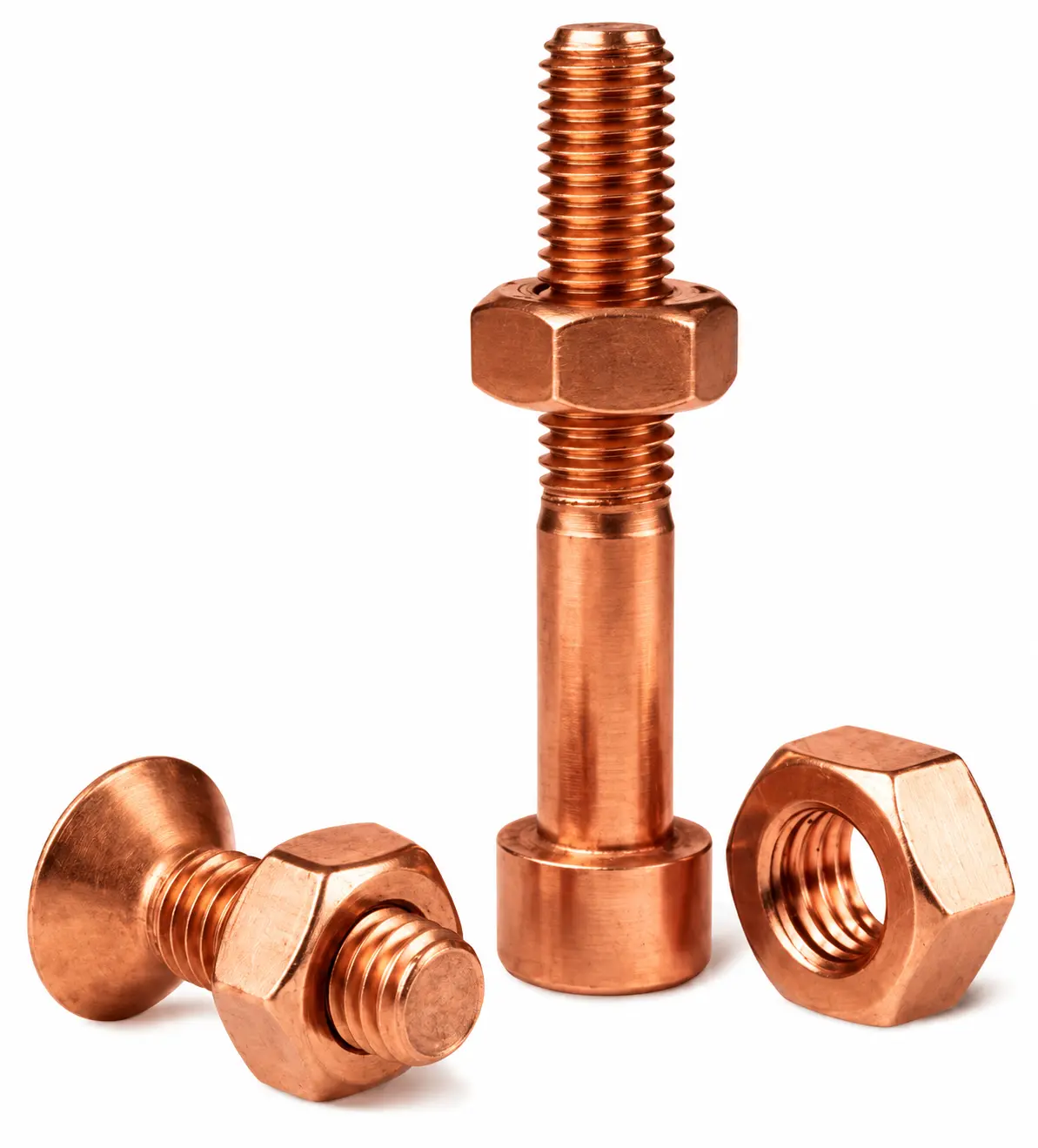
Alloy 130 (C13000) Fasteners
Silver-Bearing Tough Pitch Copper — Not a Copper-Nickel

Alloy 130 — Copper C13000 Fasteners

Alloy 130 is UNS C13000, and it is a silver-bearing tough pitch copper — not a copper-nickel. We have built this page because the grade appears on this category list, but the classification should be clear before you specify. The Copper Development Association places C13000 under Wrought Coppers, alongside C11000 and the rest of the commercially pure range, not under the Wrought Copper Nickels. Copper is 99.88% minimum including silver, and the nickel figure of 0.05% is an impurity ceiling, not an alloying addition.

What defines C13000 is a deliberate silver addition of 0.085% minimum — equivalent to 25 troy ounces of silver per ton, which is where the trade name “25-ounce silver copper” comes from. Silver raises copper's softening and recrystallisation temperature by roughly 100 °C without measurably harming conductivity, which stays at 98% IACS. That is the whole point: a cold-worked C13000 component retains its strength through a soldering or brazing operation, or in warm service, where plain tough pitch copper would anneal and go soft. Exotic Alloy supplies C13000 components and fixings.

Request a Quote
Product Range

Alloy 130 (C13000) Fasteners Available

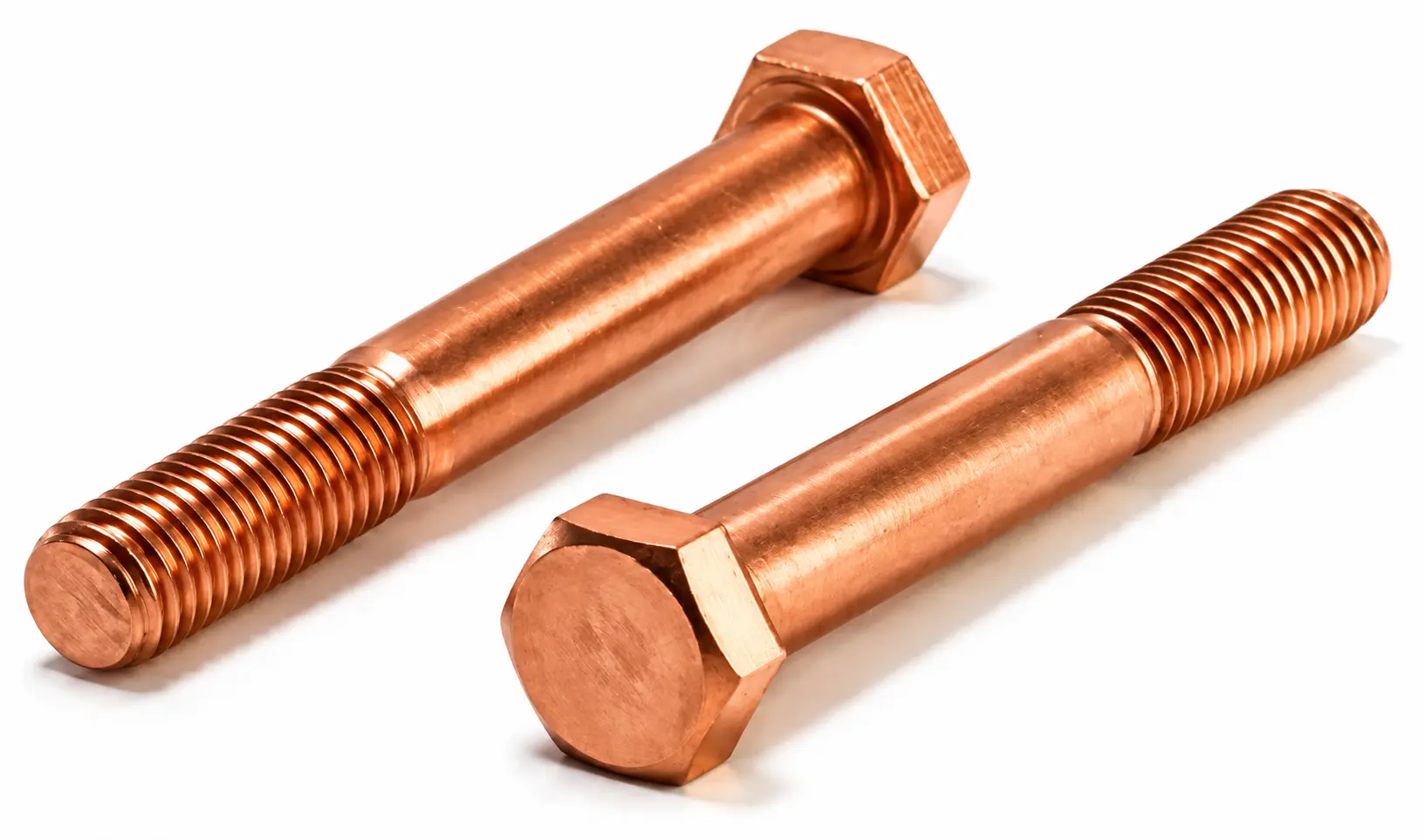
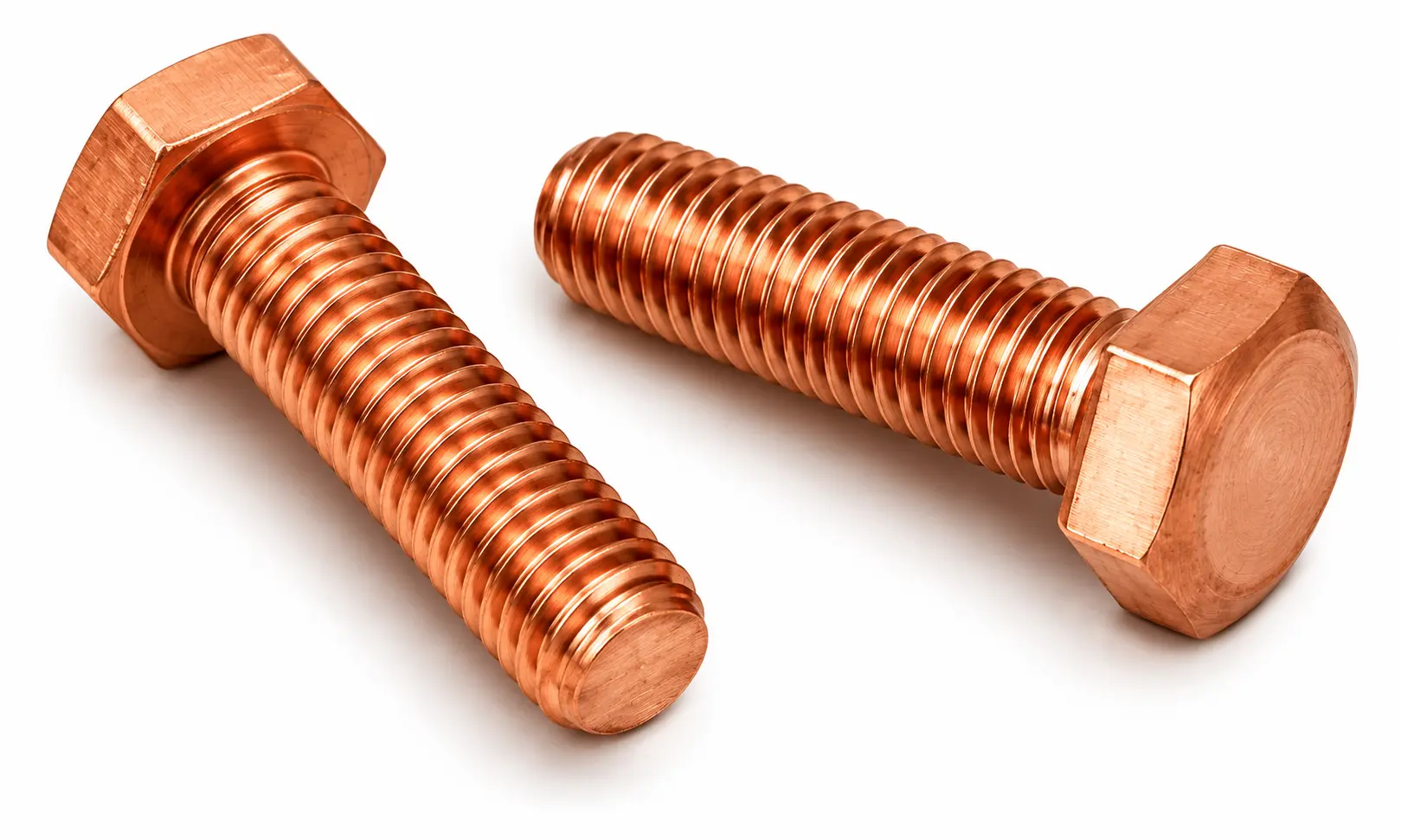
Alloy 130 (C13000) Hex Bolts
Alloy 130 (C13000)
Hex Bolts
Alloy 130 (C13000) Heavy Hex Bolts
Alloy 130 (C13000)
Heavy Hex Bolts
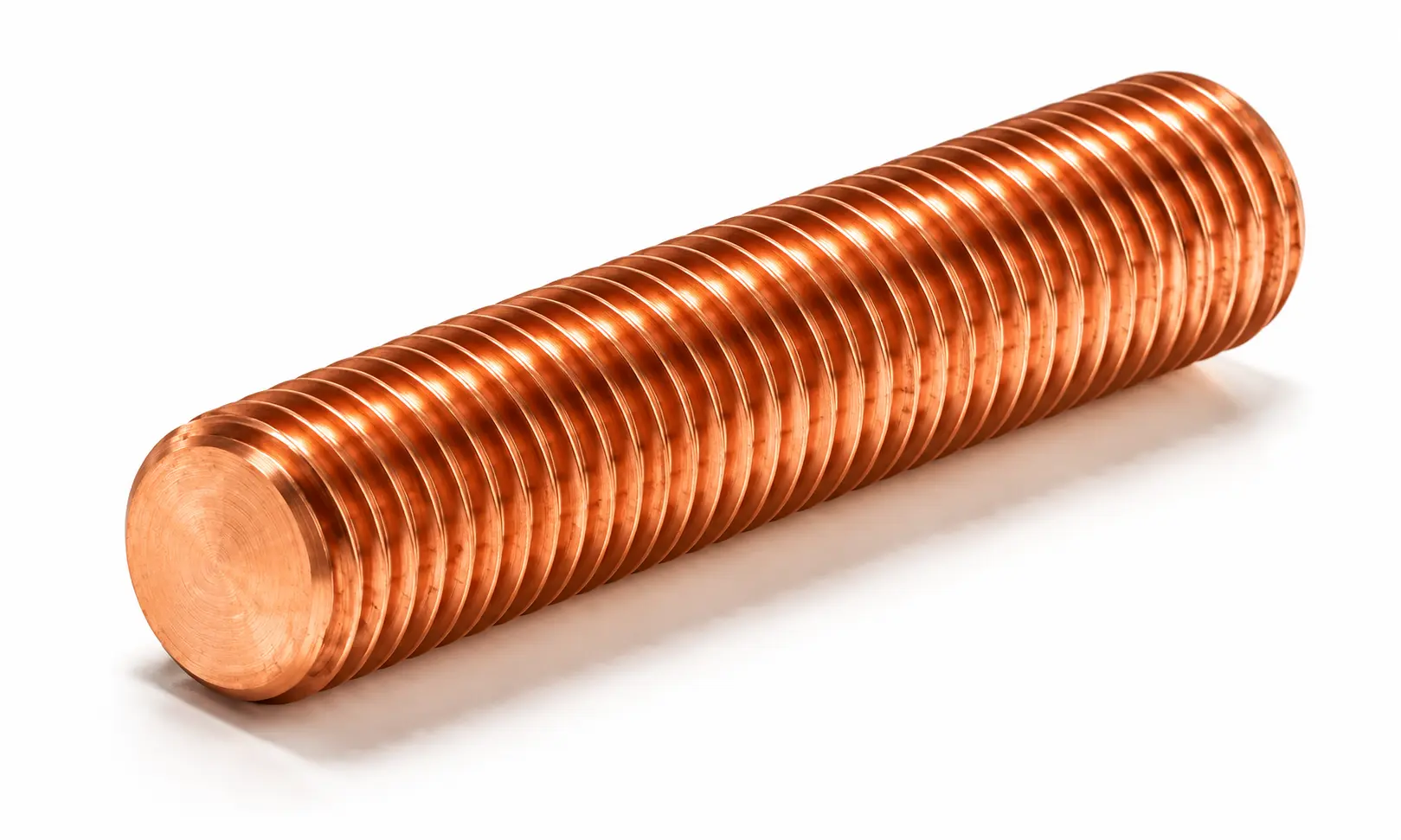
Alloy 130 (C13000) Stud Bolts
Alloy 130 (C13000)
Stud Bolts
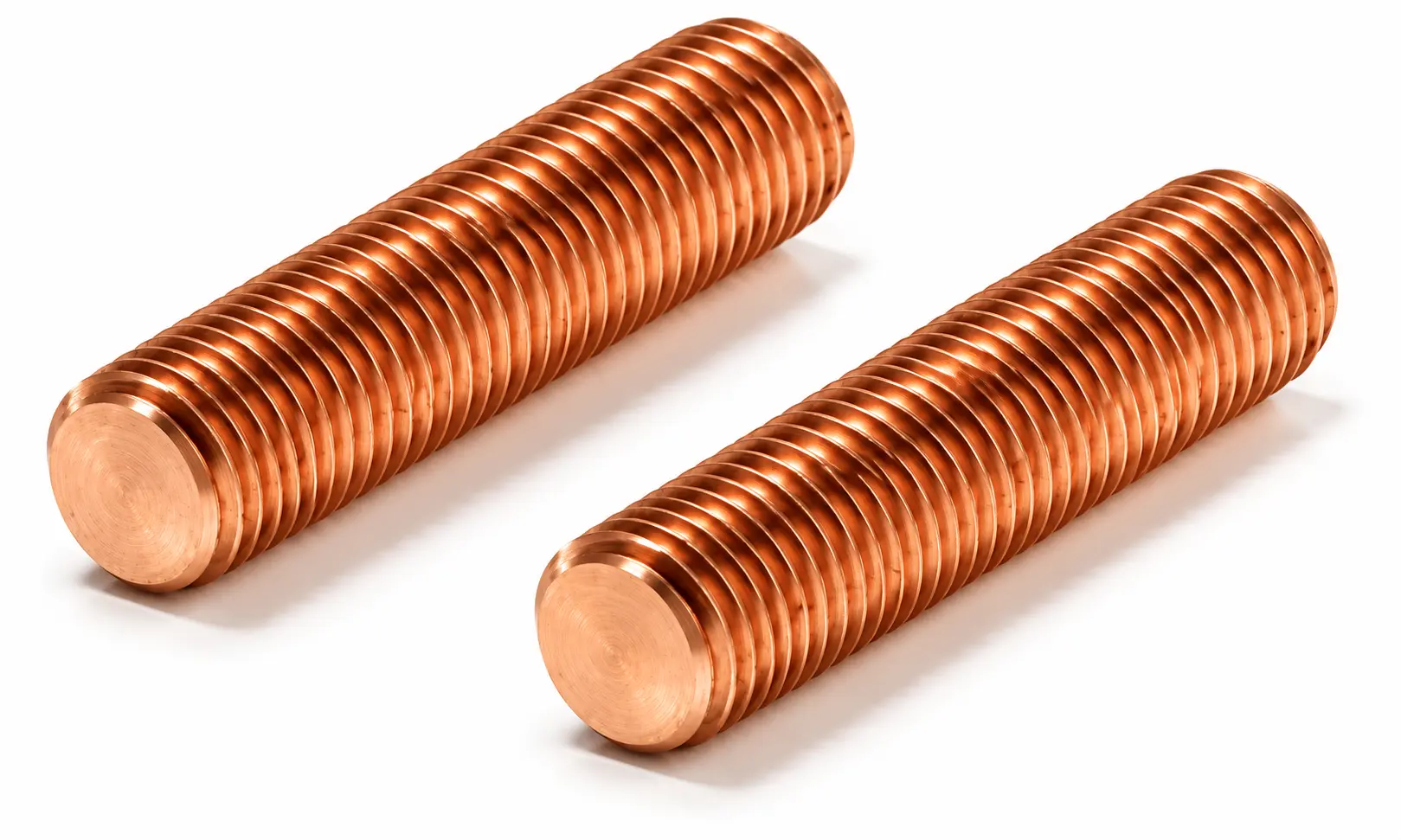
Alloy 130 (C13000) Threaded Rods
Alloy 130 (C13000)
Threaded Rods
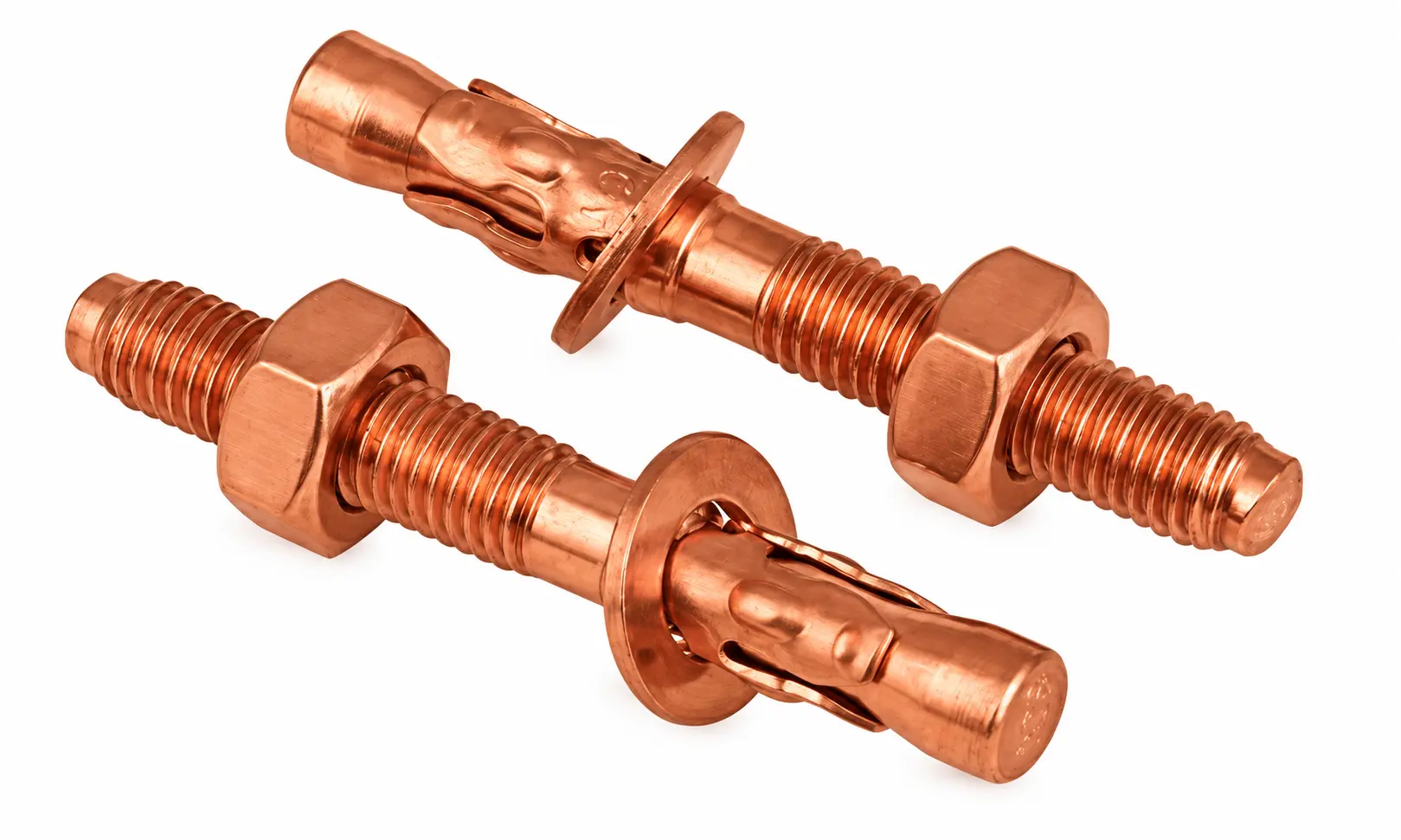
Alloy 130 (C13000) Anchor Bolts
Alloy 130 (C13000)
Anchor Bolts
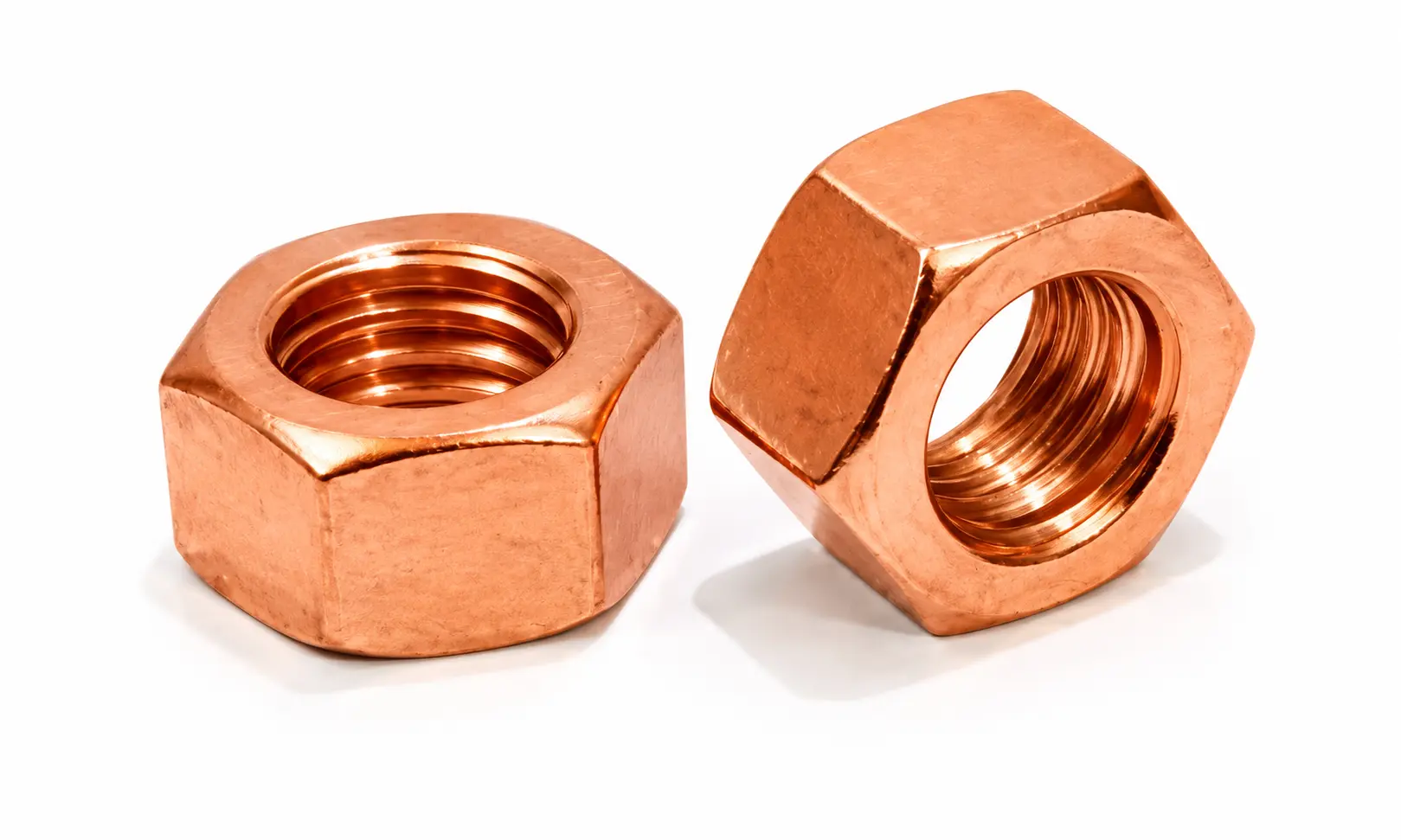
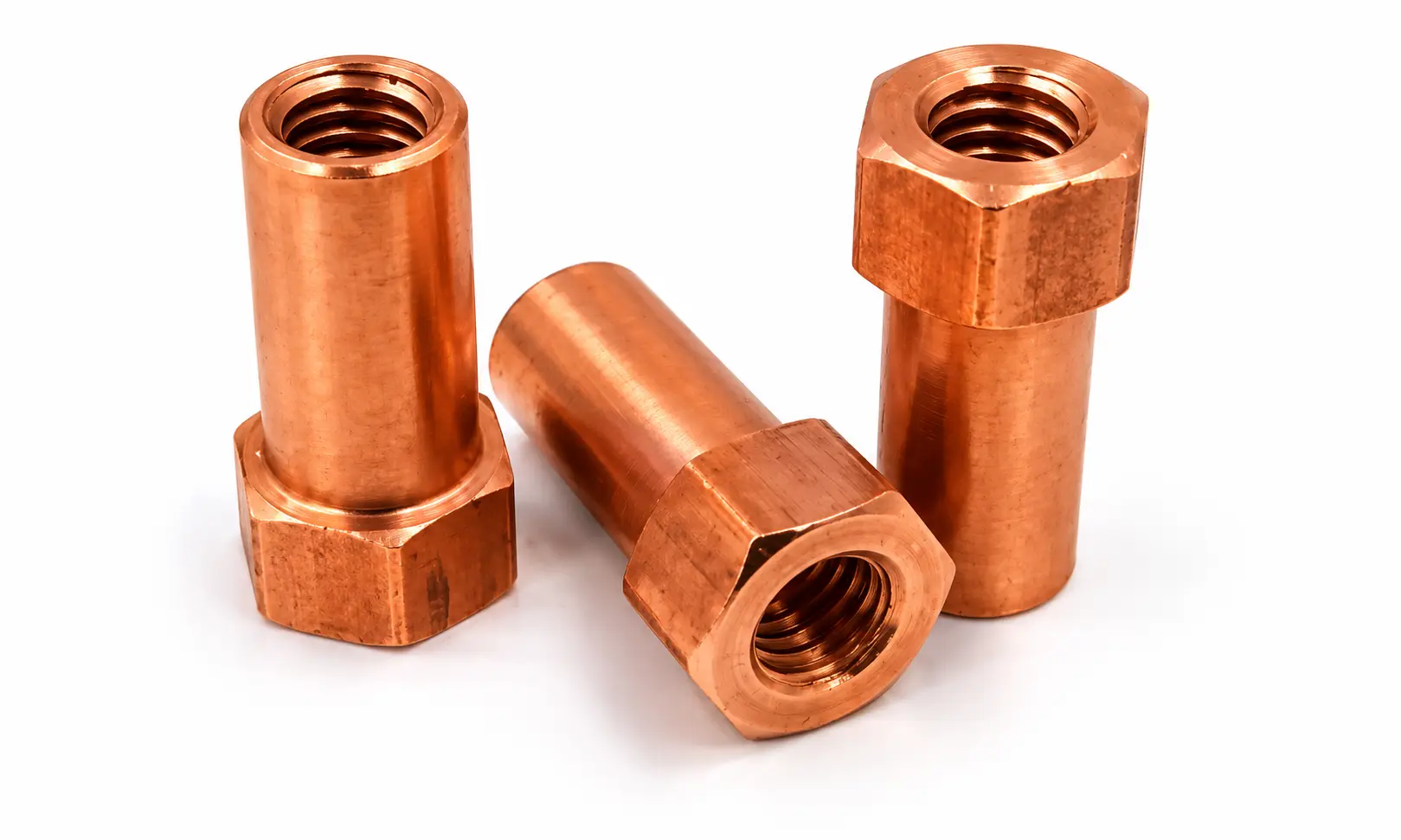
Alloy 130 (C13000) Hex Nuts
Alloy 130 (C13000)
Hex Nuts
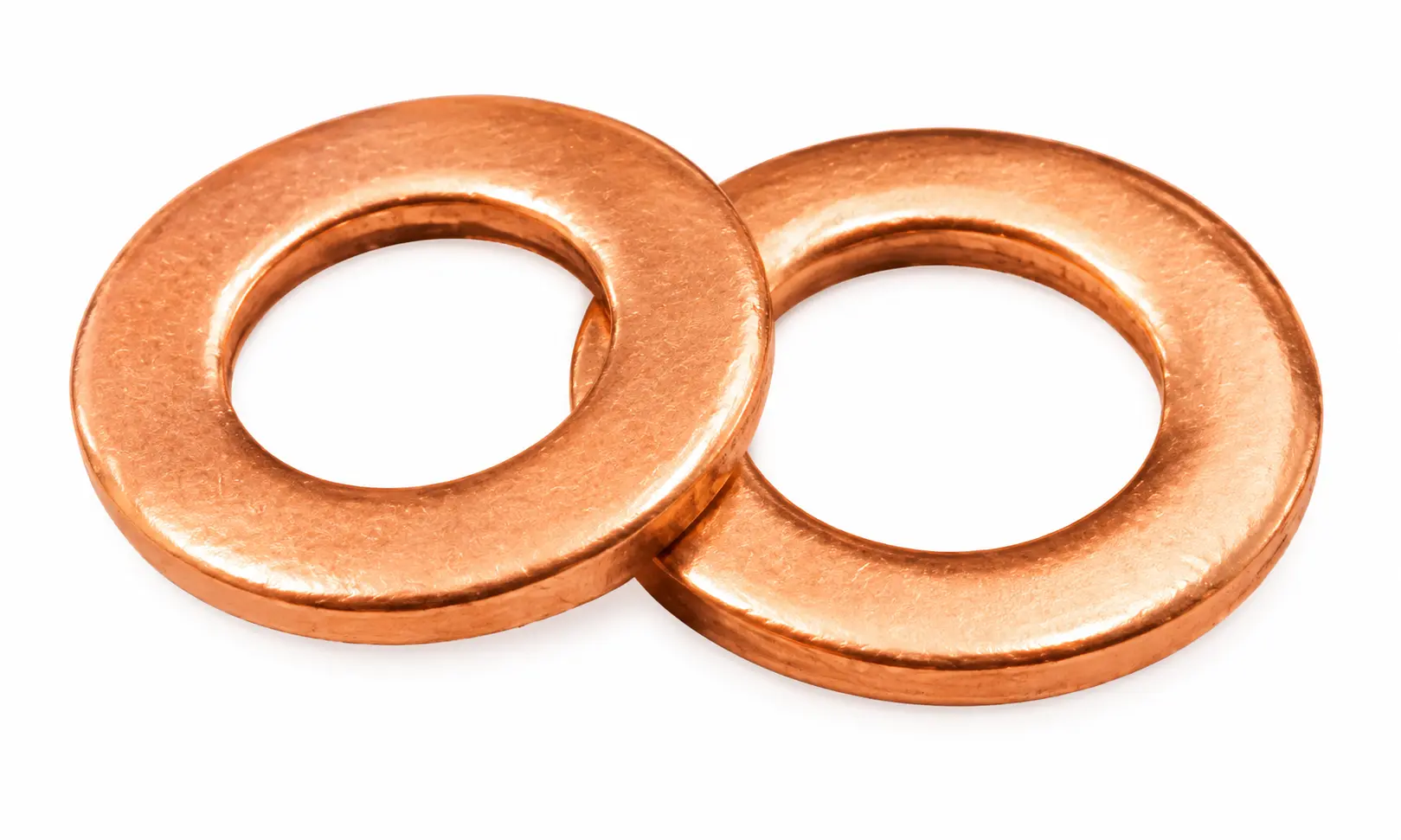
Alloy 130 (C13000) Washers
Alloy 130 (C13000)
Washers
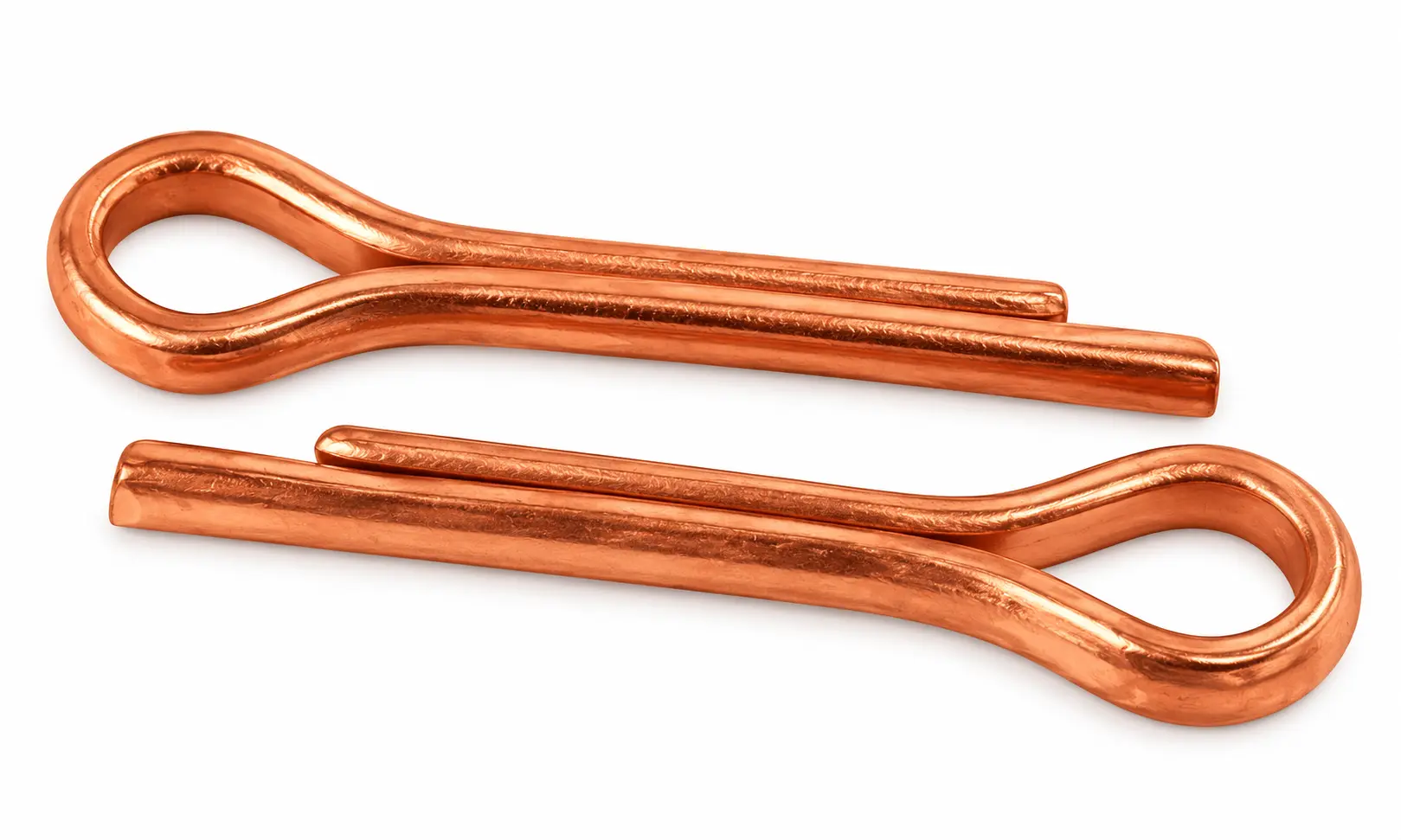
Alloy 130 (C13000) Cotter Pins
Alloy 130 (C13000)
Cotter Pins
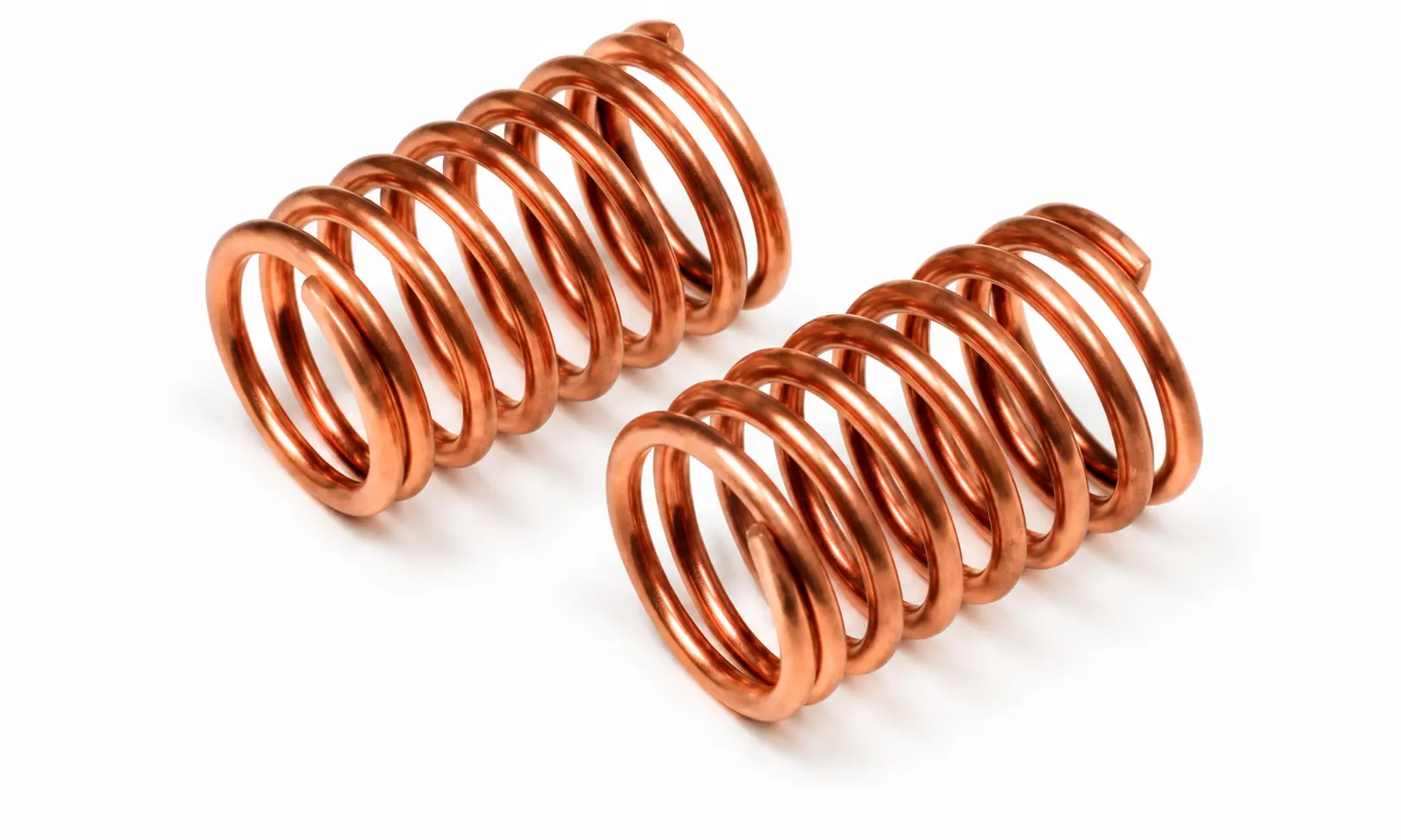
Alloy 130 (C13000) Springs
Alloy 130 (C13000)
Springs
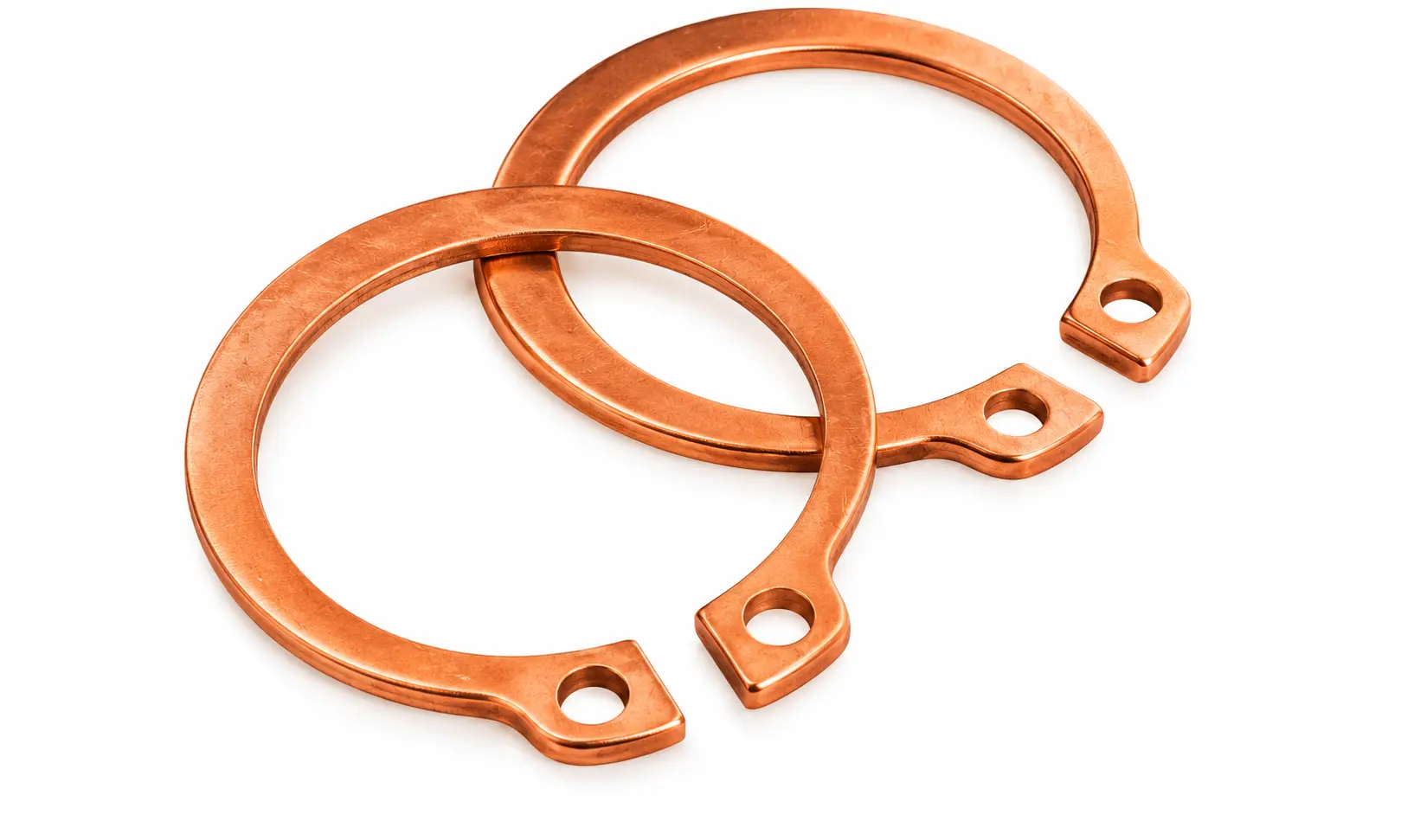
Alloy 130 (C13000) Circlips
Alloy 130 (C13000)
Circlips
Alloy 130 (C13000) Coated Fasteners
Alloy 130 (C13000)
Coated Fasteners
Alloy 130 (C13000) Custom Spacers
Alloy 130 (C13000)
Custom Spacers
Technical Data

Alloy 130 (C13000) Specifications

Chemical Composition — Alloy 130 — Copper C13000 (wt. %)
ElementMinimum %Maximum %
Copper (Cu), including silver99.88—
Silver (Ag)0.085—
Nickel (Ni) — impurity limit—0.05
Tellurium + Selenium (Te + Se)—0.025
Arsenic (As)—0.012
Lead (Pb)—0.004
Bismuth (Bi)—0.003
Antimony (Sb)—0.003
Mechanical Properties — Alloy 130 — Copper C13000
ConditionUTS (MPa)YS 0.5% EUL (MPa)Elongation (%)Hardness
Flat, as hot rolled M20234694545 HRF
Flat, annealed 0.025 mm grain OS025234764545 HRF
Flat, 1/8 hard H002481933010 HRB
Flat, 1/2 hard H022902481440 HRB
Flat, hard H04345310650 HRB
Flat, spring H08379345460 HRB
Flat, extra spring H10393365462 HRB
Rod, as hot rolled M20221695540 HRF
Rod 25 mm, hard H043313031647 HRB
Wire, hard H04379—1.5—
Wire, spring H08455—1.5—
Physical Properties
Density8.89 g/cm³ (0.321 lb/in³)
Melting Point1083 °C (1981 °F)
Electrical Conductivity98% IACS at 20 °C
Electrical Resistivity1.76 µΩ·cm at 20 °C
Thermal Conductivity377 W/m·K at 20 °C
Coefficient of Thermal Expansion16.7 × 10⁻⁶ /°C (20–100 °C)
Specific Heat Capacity385 J/kg·K at 20 °C
Modulus of Elasticity117 GPa
Modulus of Rigidity44 GPa
Machinability Rating20 (C36000 = 100)
Key PropertySilver raises the softening temperature without cost in conductivity
CDA ClassificationWrought Coppers — not Wrought Copper Nickels
Magnetic ResponseNon-magnetic
Equivalent Grades & Standards
UNSEN / CEN DesignationNominal CompositionCommon Name
C13000 — Cu + 0.085% Ag min (silver-bearing copper) Alloy 130, Silver-Bearing Copper, 25-Ounce Silver Copper

Key Specifications: CDA list no applicable product specifications for C13000 specifically; silver-bearing tough pitch coppers are generally supplied against ASTM B152/B152M, B187/B187M and the other commercially pure copper product standards with the silver content specified separately.

A note on where this grade sits. The Copper Development Association does not classify this alloy among the Wrought Copper Nickels (the C7xxxx family). We have built it here because it appears on this category list, but the classification is worth knowing when you specify, and the detail is set out below. C13000 is a commercially pure copper with a silver addition. Its nickel content is an impurity ceiling of 0.05%, and it has none of the nickel-bearing seawater behaviour of the C7xxxx grades. If you need a copper-nickel, see C70600 or C71500; if you need a commercially pure copper, see our copper hub.

Note on fastener standards: ASTM F468 and F467 list C11000 among the covered coppers but not C13000.

Every copper-nickel order ships with EN 10204 3.1 certification giving the heat analysis, the temper, and the mechanical test results for the product form and section supplied. Iron and manganese are reported explicitly on the 90/10 and 70/30 grades, because iron within the specified range is what makes the protective seawater film work and material at the bottom of the range performs measurably worse. Carbon, phosphorus and sulfur are reported on the welding grades C70620 and C71520, where they are the whole reason for the grade. Positive material identification, hardness testing and additional NDT can be added at order stage.

Machining: C13000 machines exactly as tough pitch copper does, with a CDA machinability rating of 20 — gummy, prone to built-up edge, producing long continuous swarf and a torn finish. Sharp high-rake tooling, high surface speed with a light feed and copious lubricant are needed. Where machining dominates, C14500 tellurium copper is the correct grade.

Forming: capacity for cold working and hot forming are both rated Excellent. The alloy blanks, coins, draws, spins, cold heads and roll-threads as well as any copper.

Joining: because C13000 is a tough pitch copper it carries the same restrictions as C11000: CDA rate it Excellent for soldering and Good for brazing and butt welding, but oxyacetylene welding, coated metal arc welding, spot welding and seam welding are all Not Recommended. The residual oxygen is present as cuprous oxide, so the alloy is susceptible to hydrogen embrittlement if heated above about 400 °C in a reducing atmosphere — the same mechanism that limits C11000.

Heat treatment: C13000 is not hardenable by heat treatment; strength comes from cold work and is set by the H temper. What the silver changes is the other end of the thermal story. Silver in solid solution raises the recrystallisation temperature substantially — by the order of 100 °C over plain tough pitch copper — so a cold-worked C13000 part keeps its temper through soldering, brazing and moderate warm service where C11000 would soften and relax. That resistance to softening is the commercial reason for the grade, and it is why silver-bearing copper is used for commutator segments, rotor bars and soldered electrical assemblies. Annealing, where required, follows normal copper practice, and must be carried out in a neutral or oxidising atmosphere because the alloy is tough pitch.

Before anything else: this is a copper, not a copper-nickel. CDA classify C13000 under Wrought Coppers. Its 0.05% nickel is an impurity ceiling, it carries none of the deliberate nickel and iron that give the C7xxxx grades their seawater film, and it should not be specified for seawater piping, condenser tube or any marine duty on the strength of appearing in a copper-nickel list. For those duties use C70600 or C71500.

Corrosion behaviour is that of commercially pure copper. Good resistance to fresh and potable water, atmospheric exposure where it develops the familiar patina, non-oxidising acids free of dissolved oxygen, and neutral and alkaline salt solutions. It is attacked by oxidising acids — nitric rapidly, sulfuric or hydrochloric once oxygen or ferric iron is present — by oxidising salts, and by sulfides and hydrogen sulfide. Erosion-corrosion limits it in fast or aerated water, conventionally around 1.2 m/s in seawater, well below what a copper-nickel will take.

Hydrogen embrittlement applies. As a tough pitch copper C13000 carries residual oxygen as cuprous oxide; heated above roughly 400 °C in a reducing atmosphere, diffusing hydrogen reduces those particles and the resulting steam opens intergranular cracks. The damage is permanent and invisible. Do not oxyacetylene weld it or braze it in a hydrogen furnace.

Copper-nickels are markedly more resistant to stress-corrosion cracking than the brasses, which is one of their quiet advantages. Dezincification does not apply — there is no zinc to lose — and the ammonia stress-corrosion cracking that destroys brass fittings is far less of a threat here. They are also resistant to the chloride SCC that limits austenitic stainless steel in warm seawater, which is the reason copper-nickel rather than 316 is specified for many seawater services. That said, the alloys are not immune: concentrated ammonia and amine environments should still be treated with caution for stressed components such as tightened fasteners, and stress relief after heavy cold work remains sensible practice for parts going into borderline service.

Galvanically the copper-nickels sit usefully in the middle of the seawater series. They are more noble than carbon steel, cast iron, aluminium and zinc, so a copper-nickel fastener will drive corrosion of those materials and needs isolation from them — the classic problem being copper-nickel pipework bolted into a steel structure. They are less noble than the passive stainless steels, titanium and the high-molybdenum nickel alloys, so in a mixed seawater system with those materials the copper-nickel is the part that suffers, and the area ratio matters: a small copper-nickel component among large titanium surfaces is the bad case. They are compatible with the other coppers and bronzes and with Monel. Copper-nickel is also commonly used as the sacrificial partner in controlled fashion — coupling to a small area of steel is sometimes deliberate.

How these grades divide. The two that matter for most marine work are C70600 (90/10) and C71500 (70/30). The 70/30 is stronger — 345 MPa against 262 MPa annealed — tolerates a higher flow velocity, performs better hot, and is the one carried by ASTM F468 for fasteners; the 90/10 is cheaper, conducts heat better at 45 against 29 W/m·K, and is adequate for the majority of seawater service. C70620 and C71520 are the same two compositions with carbon, phosphorus and sulfur tightened for welded fabrication. C71580 is a 70/30 variant with iron and manganese cut right back. Beyond those, the family diverges sharply: C72150 at 43–46% nickel is a Constantan-type electrical resistance alloy, not a marine material; C72420 adds aluminium and manganese for higher strength; and C72900 is a spinodally hardened Cu-15Ni-8Sn alloy reaching 1138 MPa, a different material in everything but name. Alloy 130 and Alloy 191 sit outside the copper-nickel class altogether — see the notes on those pages.
Key Characteristics

  • A silver-bearing tough pitch copper, not a copper-nickel.
  • CDA classify it under Wrought Coppers, not Wrought Copper Nickels.
  • Nickel 0.05% is an impurity ceiling, not an alloying addition.
  • Silver 0.085% minimum — 25 troy ounces per ton.
  • Silver raises the softening temperature by around 100 °C.
  • Conductivity unaffected at 98% IACS.
  • Retains cold-worked strength through soldering and brazing.
  • Tough pitch — susceptible to hydrogen embrittlement above ~400 °C.

Typical Applications

  • Commutator segments and rotor bars.
  • Soldered and brazed electrical assemblies that must stay hard.
  • Busbar and conductors operating warm.
  • Electrical contacts and terminals.
  • Automotive and transformer electrical hardware.
  • Waveguides and RF components.
  • Formed electrical fixings requiring softening resistance.
  • Heat exchanger components in non-marine service.