+91 97734 41022 sales@exoticalloy.com
Material Specification

Copper Nickel C71580

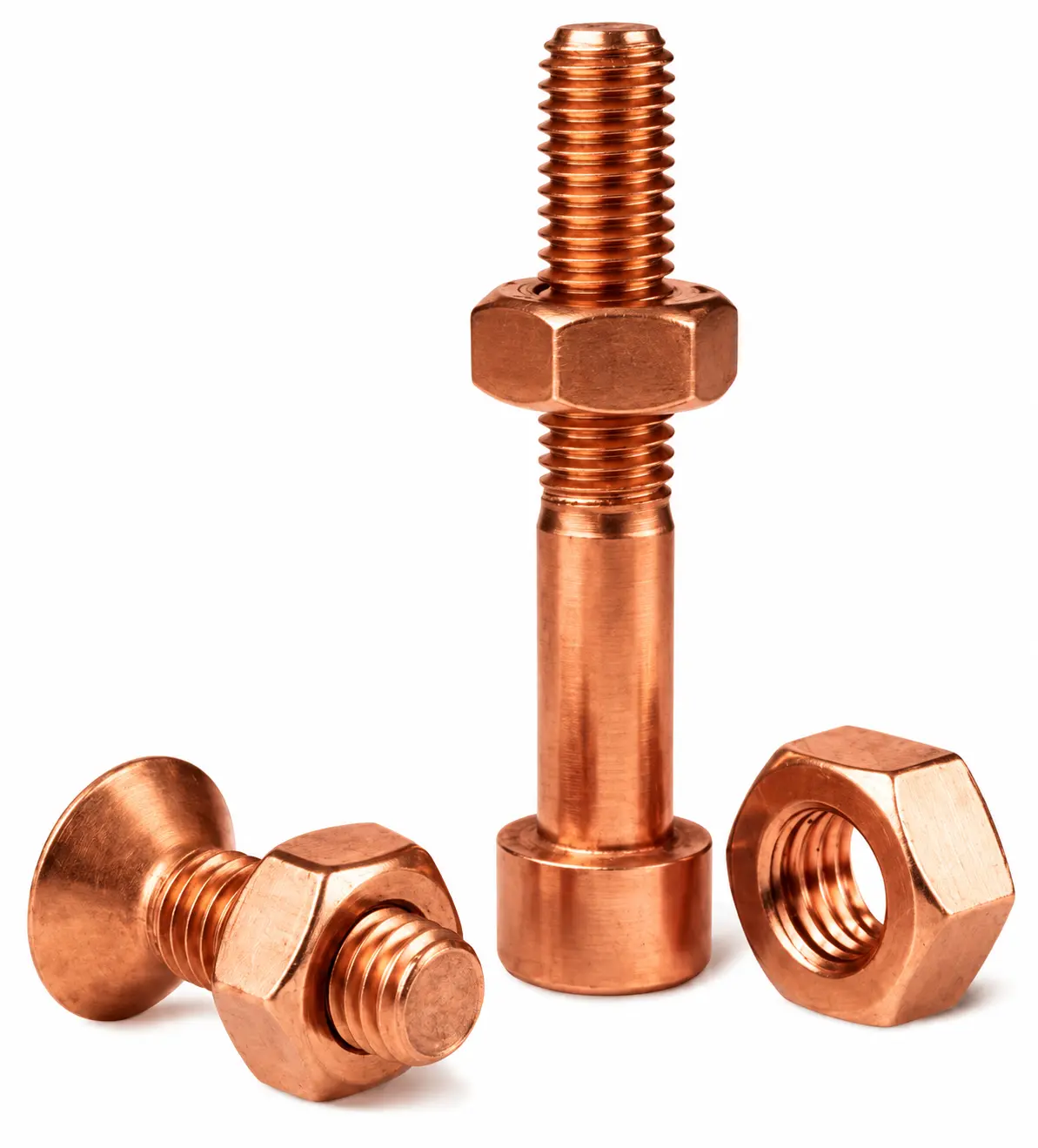
Copper Nickel C71580 Fasteners
70/30 Copper-Nickel — Low Iron and Manganese

Copper Nickel C71580 Fasteners

Copper Nickel C71580 is a 70/30 cupronickel variant with iron and manganese cut right back. Nickel is 29.0–33.0% as in C71500, but iron is limited to 0.50% maximum against C71500's deliberate 0.40–1.0% range, and manganese to 0.30% against 1.0%. Zinc is held to 0.05% and carbon to 0.07%, with additional ceilings on silicon 0.15%, sulfur 0.024%, aluminium 0.05% and phosphorus 0.03%.

The significance of that chemistry is worth understanding before specifying. In the standard marine grades, iron is an intentional addition because it is what builds the adherent protective film that gives copper-nickel its impingement resistance in flowing seawater. C71580 has no iron minimum at all, so it should not be treated as a drop-in substitute for C71500 in high-velocity seawater duty; it is a controlled-chemistry variant specified where the tighter residual limits matter more than the seawater film. Exotic Alloy supplies C71580 to order.

Request a Quote
Product Range

Copper Nickel C71580 Fasteners Available

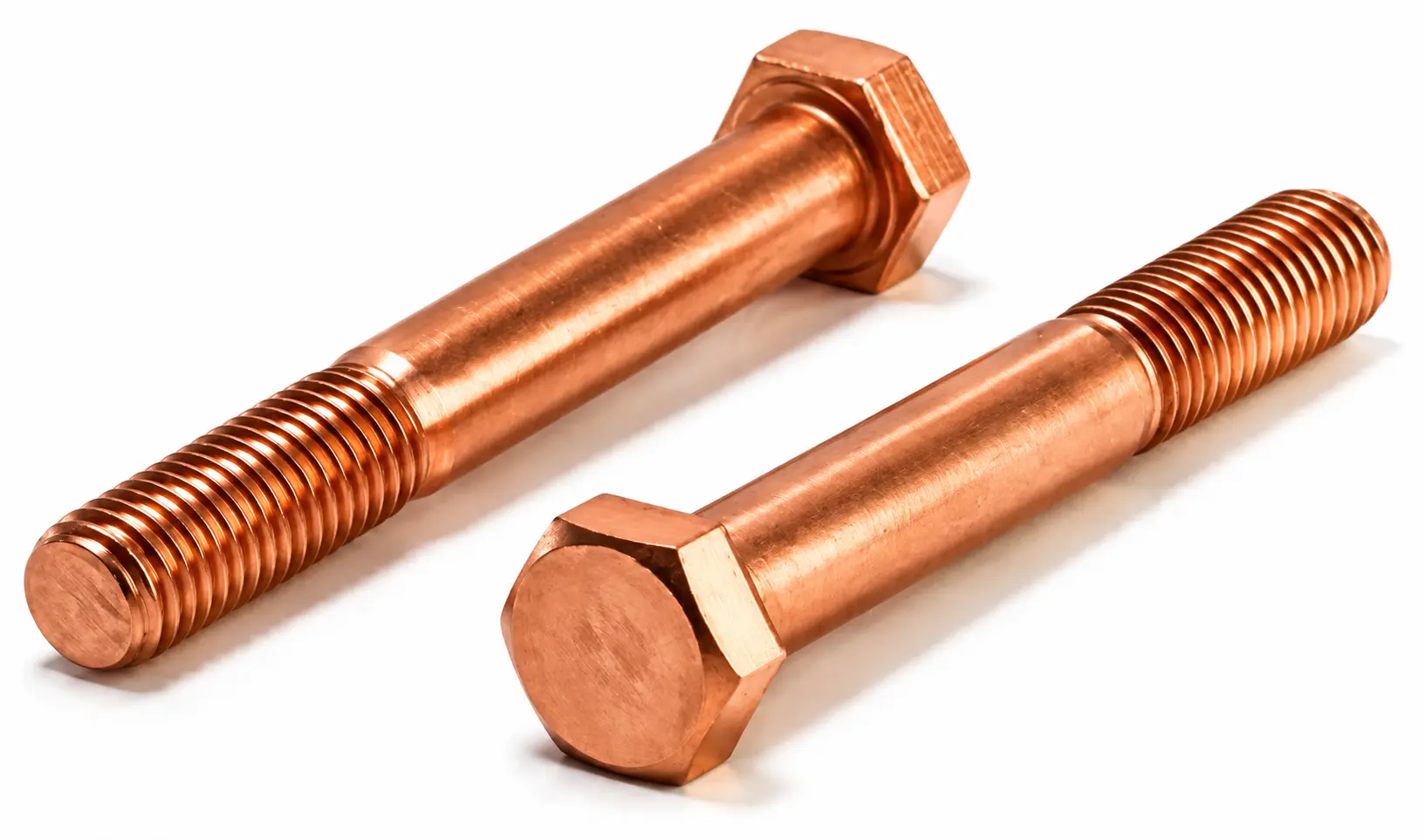
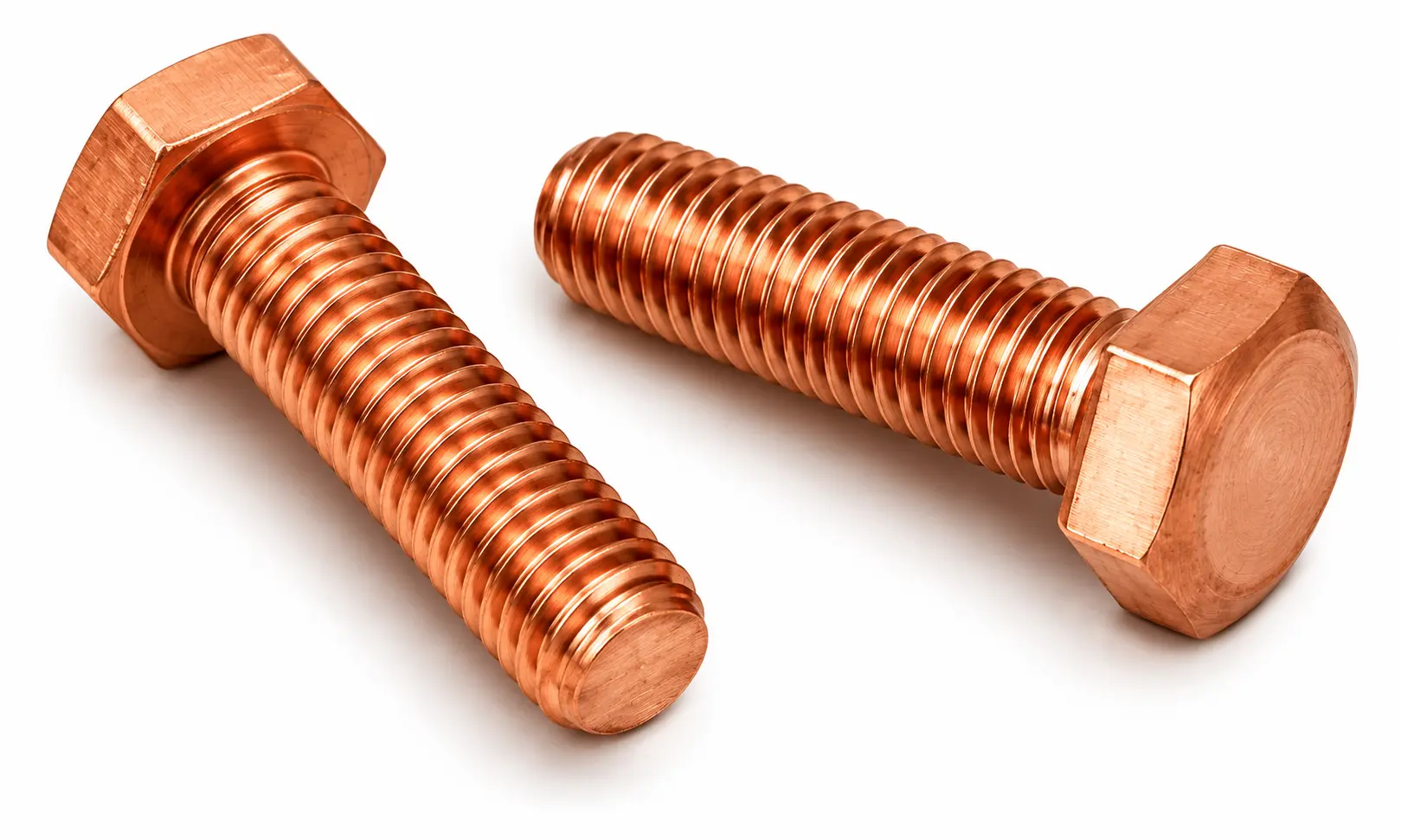
Copper Nickel C71580 Hex Bolts
Copper Nickel C71580
Hex Bolts
Copper Nickel C71580 Heavy Hex Bolts
Copper Nickel C71580
Heavy Hex Bolts
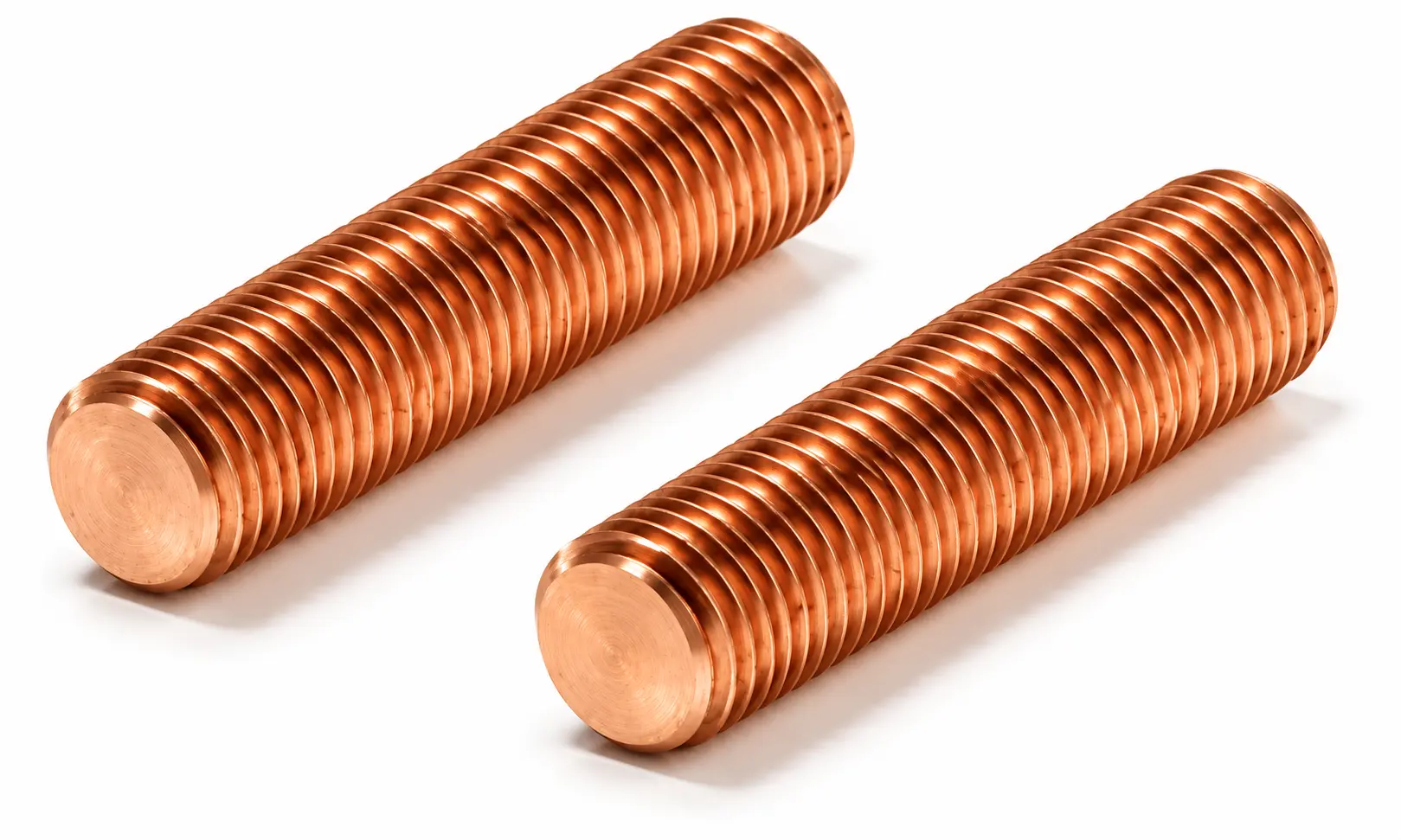
Copper Nickel C71580 Stud Bolts
Copper Nickel C71580
Stud Bolts
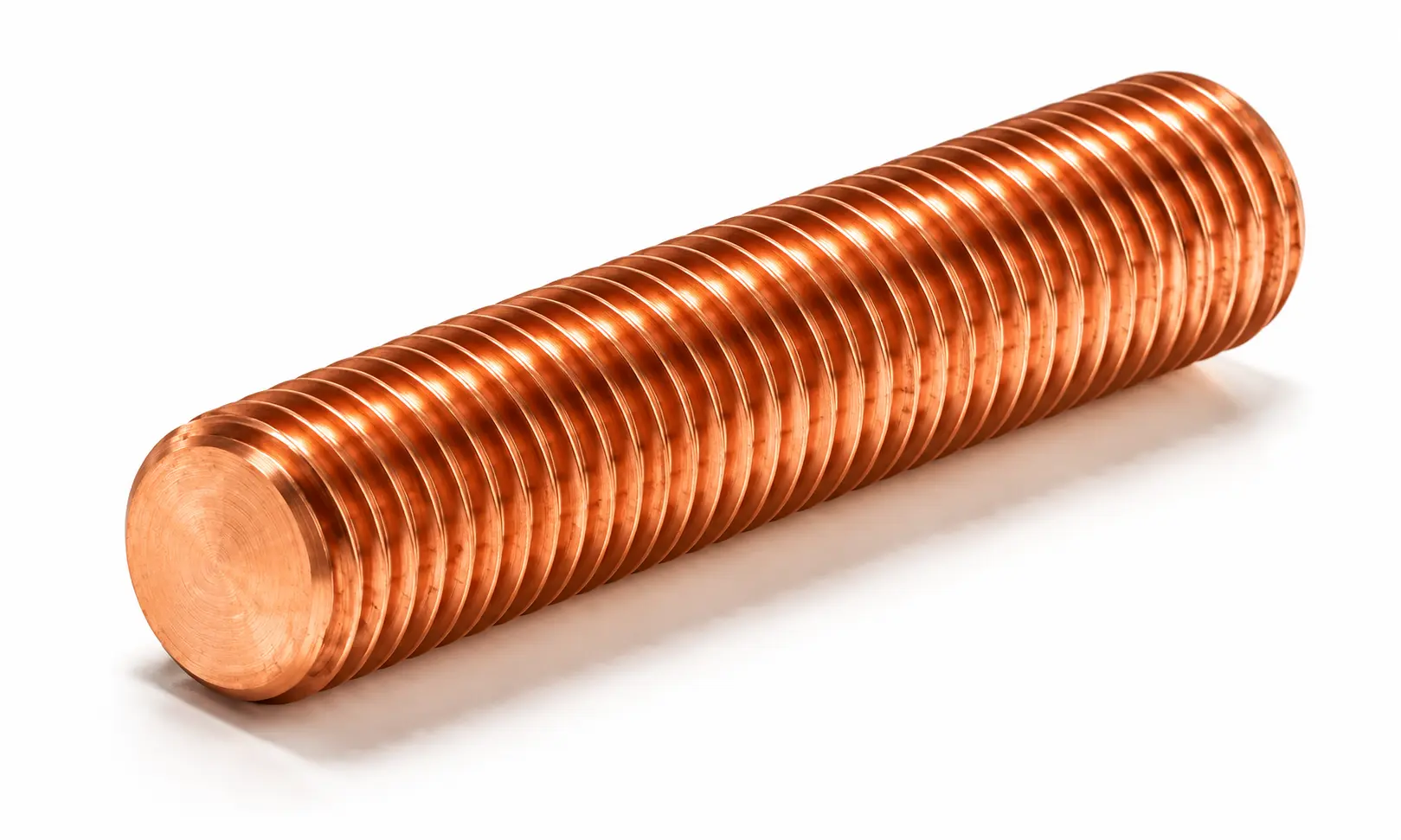
Copper Nickel C71580 Threaded Rods
Copper Nickel C71580
Threaded Rods
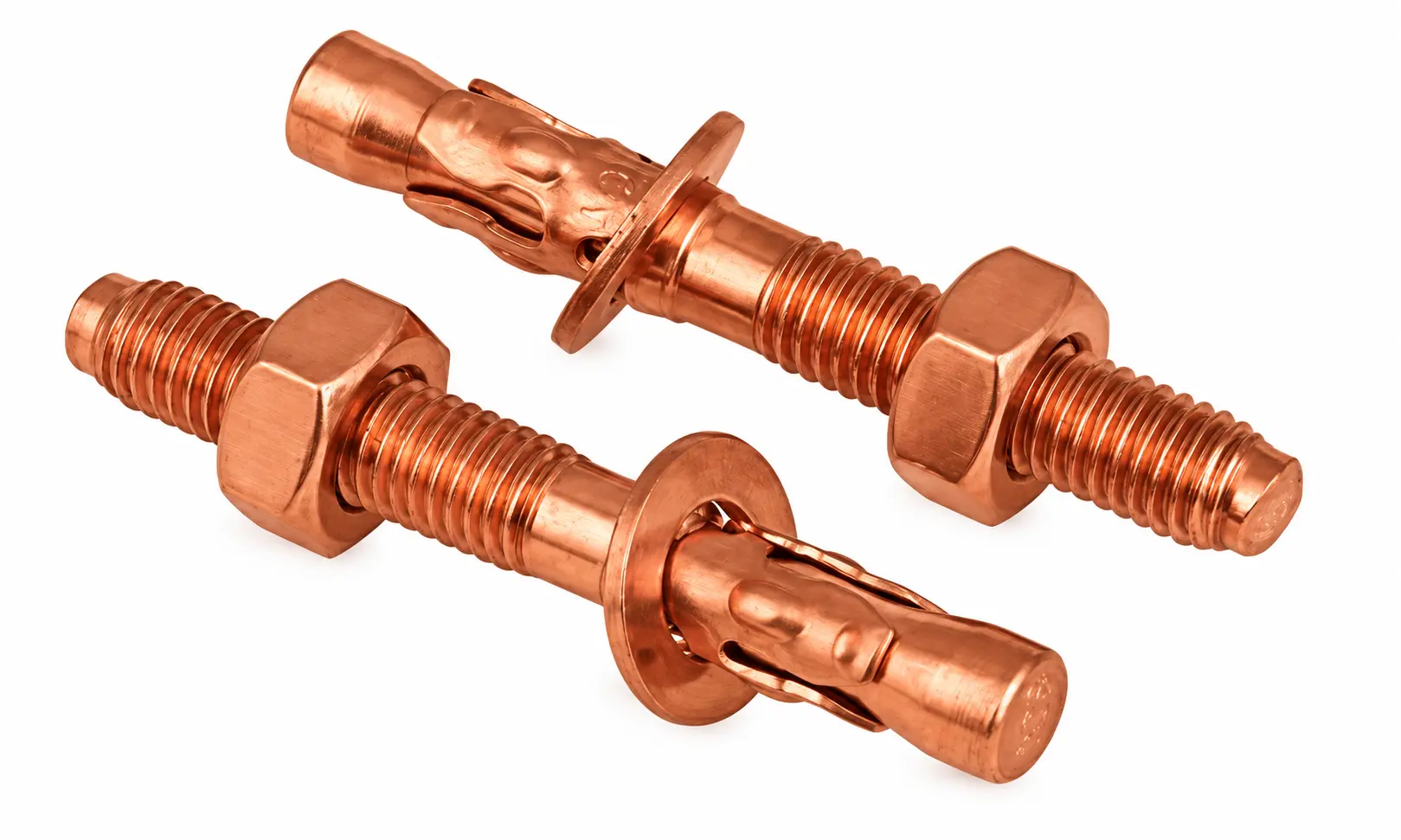
Copper Nickel C71580 Anchor Bolts
Copper Nickel C71580
Anchor Bolts
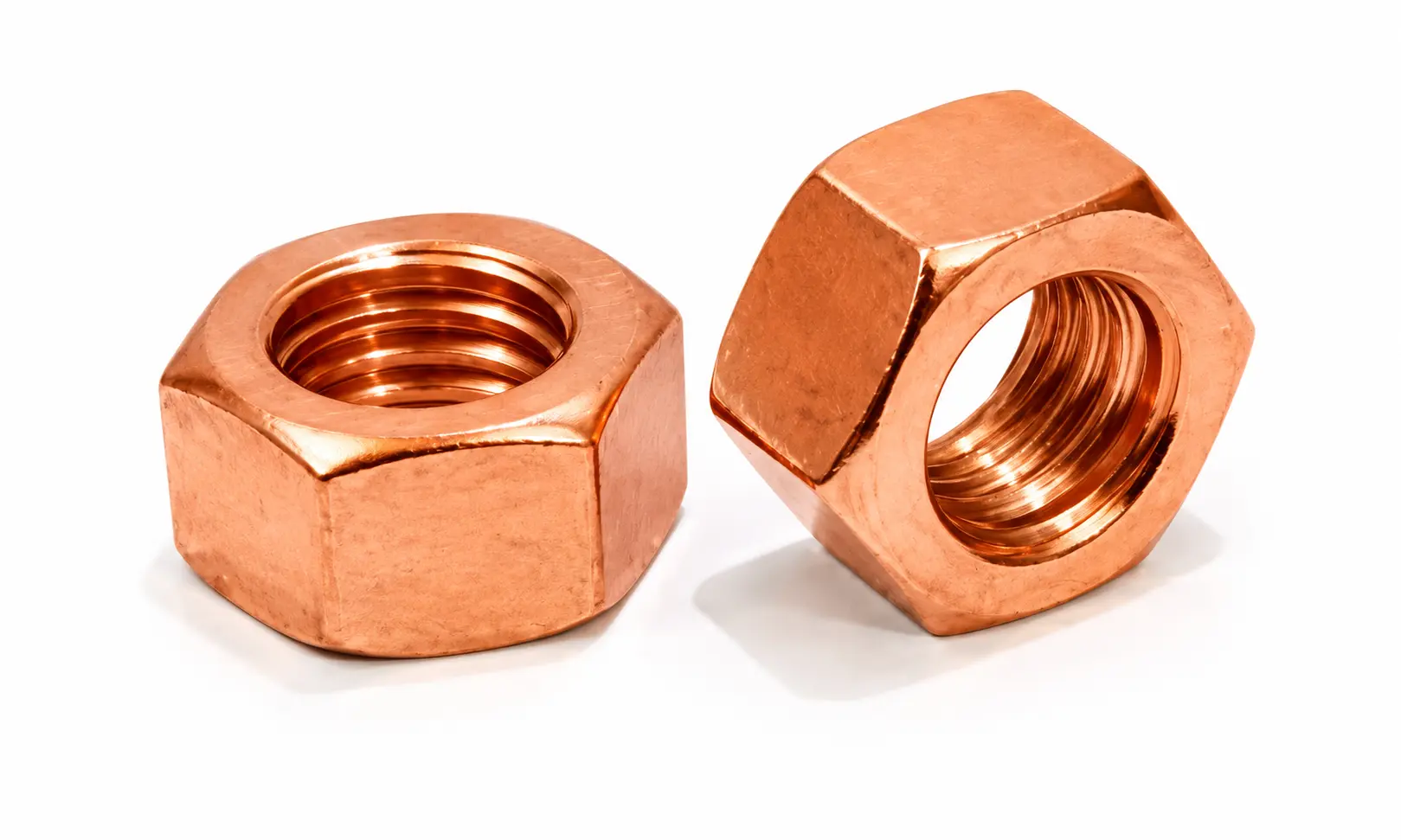
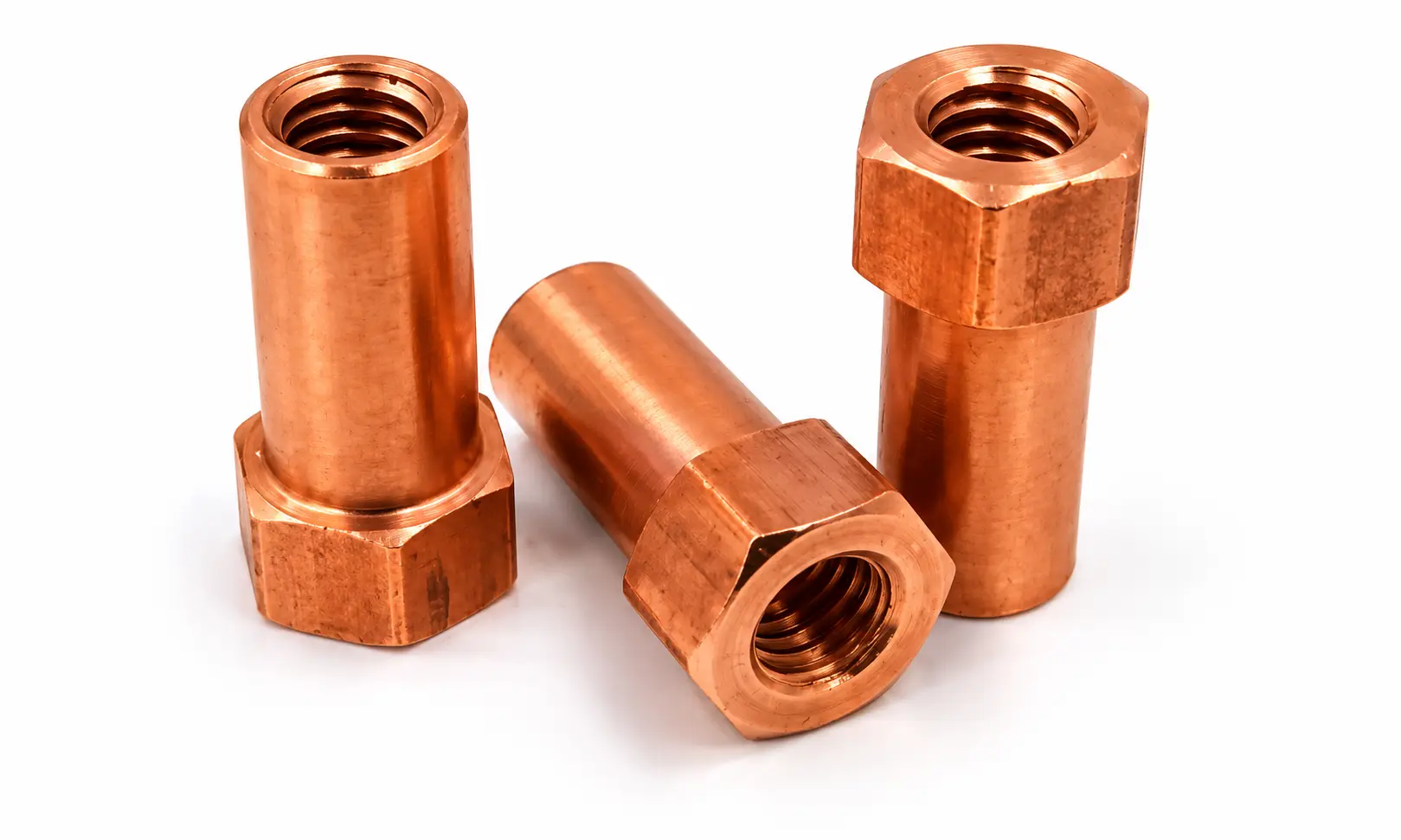
Copper Nickel C71580 Hex Nuts
Copper Nickel C71580
Hex Nuts
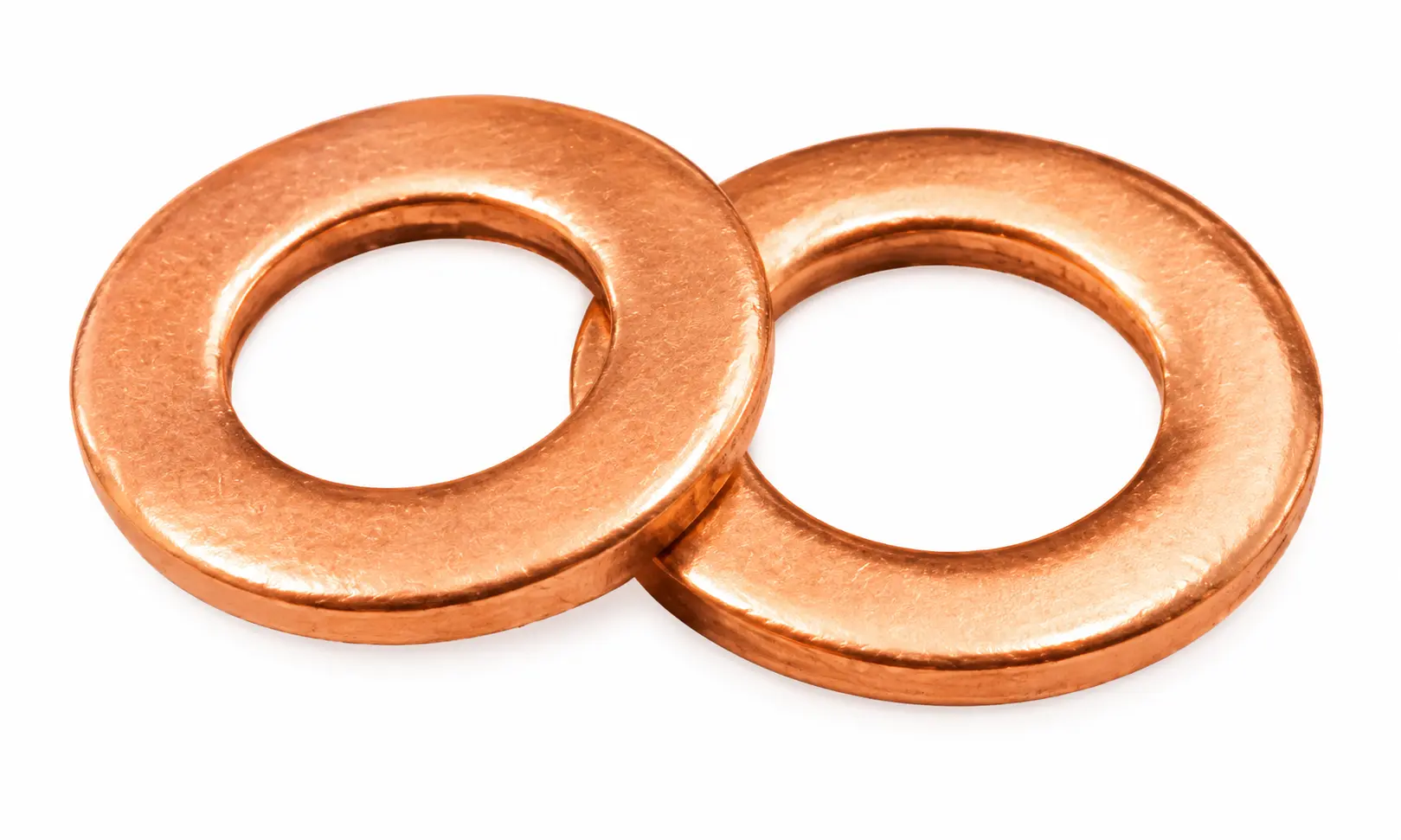
Copper Nickel C71580 Washers
Copper Nickel C71580
Washers
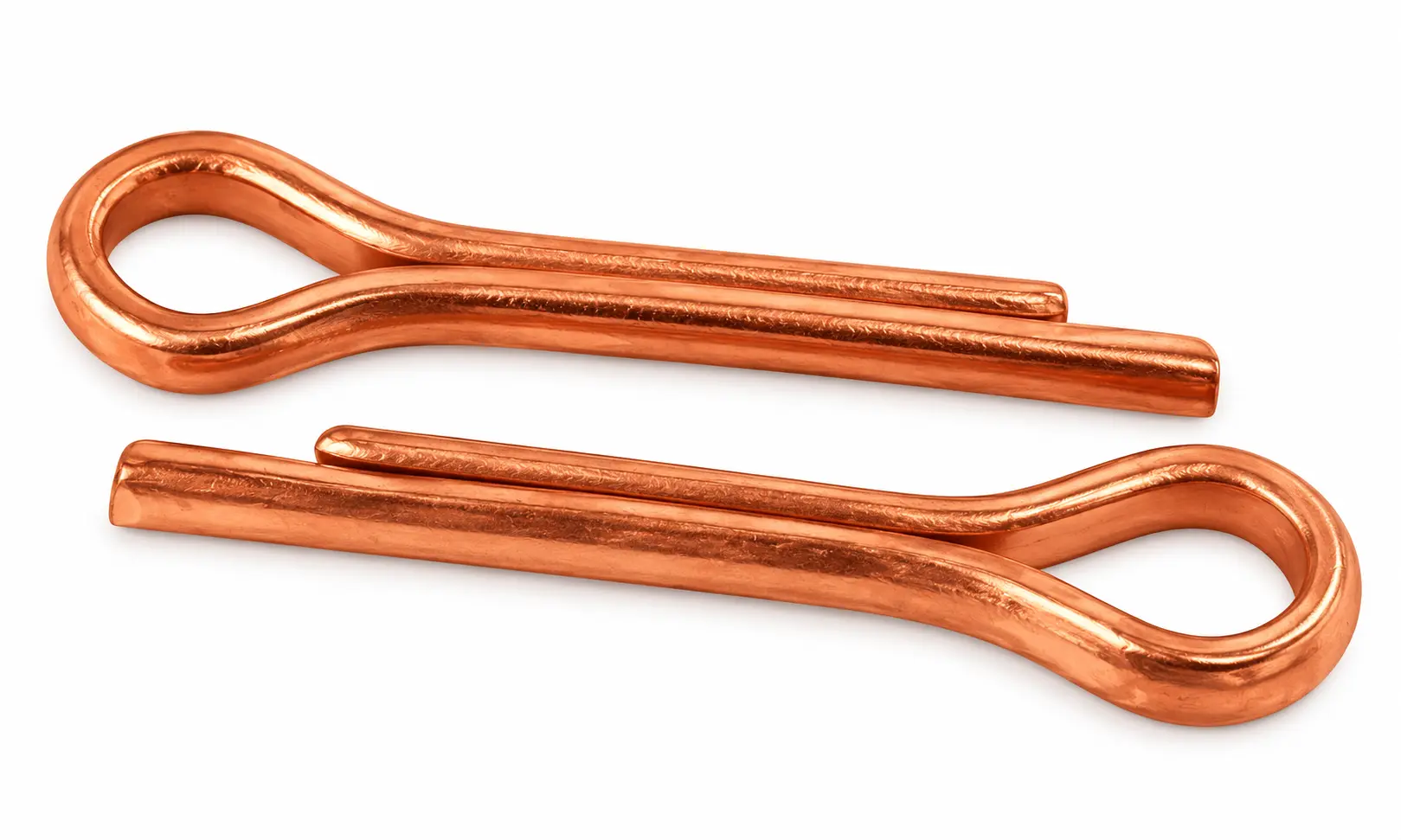
Copper Nickel C71580 Cotter Pins
Copper Nickel C71580
Cotter Pins
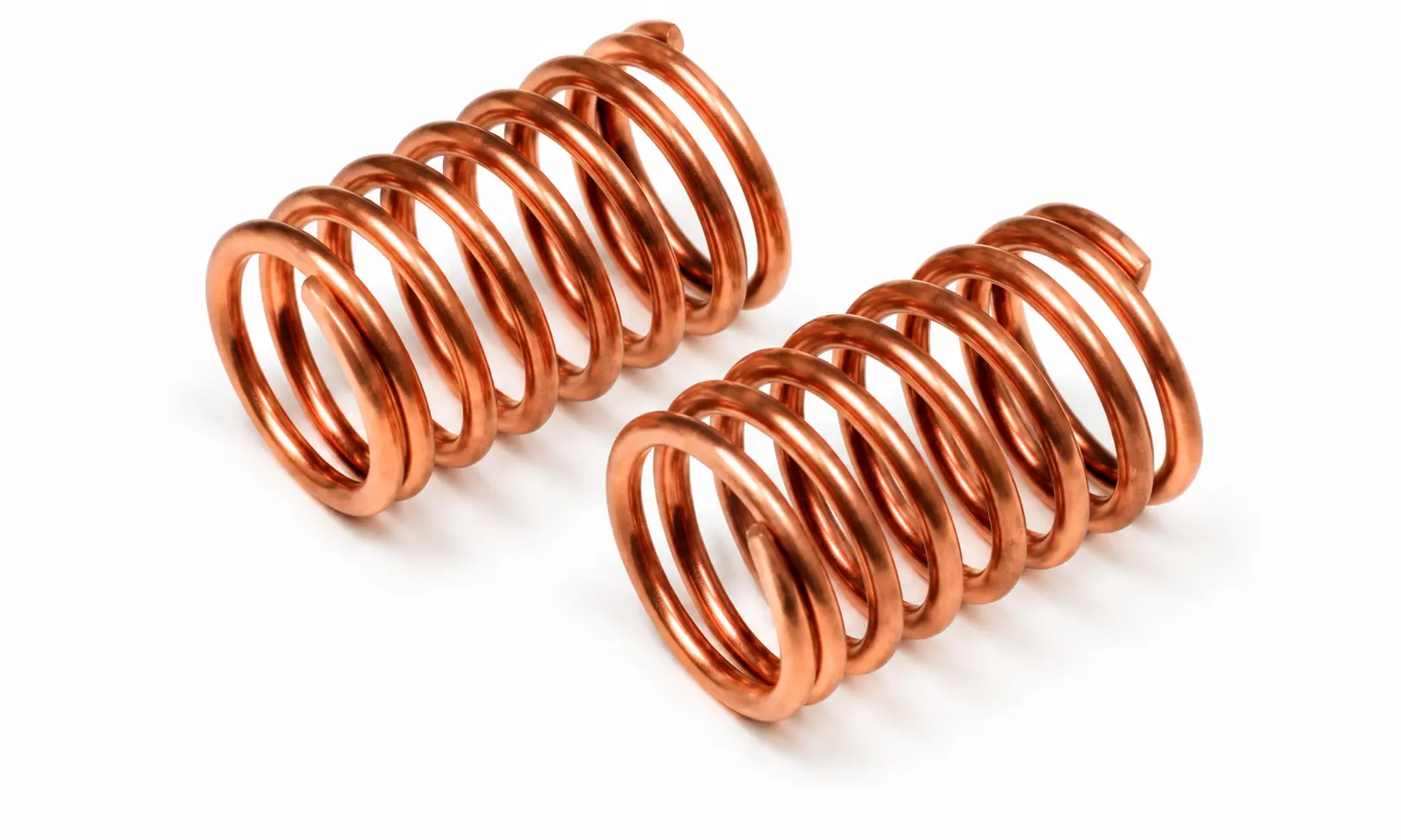
Copper Nickel C71580 Springs
Copper Nickel C71580
Springs
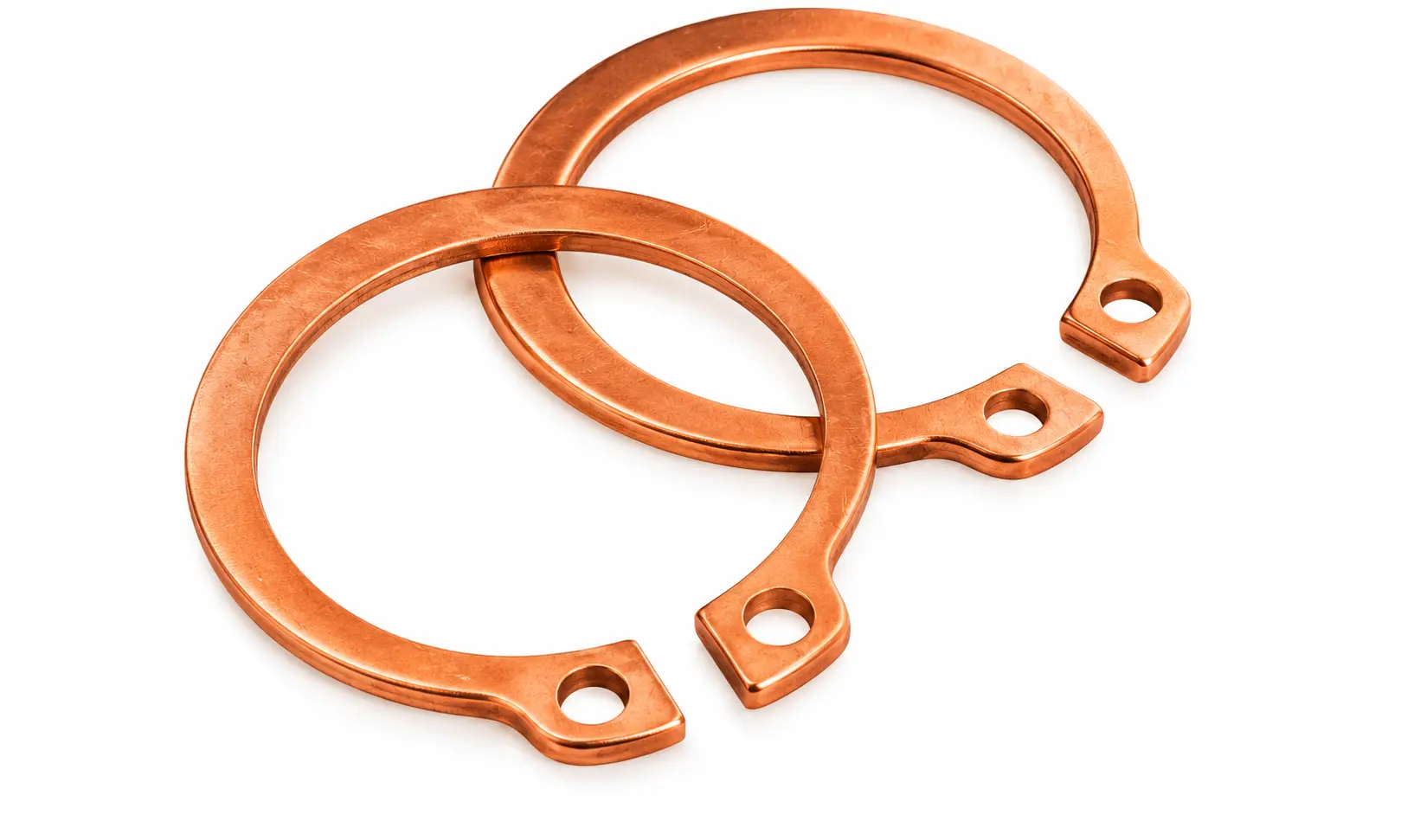
Copper Nickel C71580 Circlips
Copper Nickel C71580
Circlips
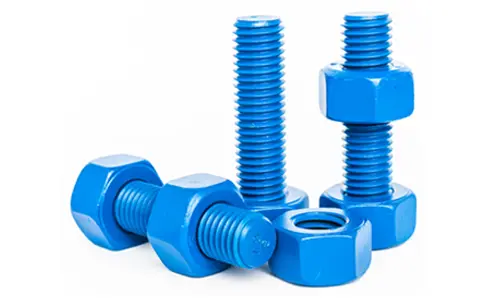
Copper Nickel C71580 Coated Fasteners
Copper Nickel C71580
Coated Fasteners
Copper Nickel C71580 Custom Spacers
Copper Nickel C71580
Custom Spacers
Technical Data

Copper Nickel C71580 Specifications

Chemical Composition — Copper Nickel C71580 (wt. %)
ElementMinimum %Maximum %
Copper (Cu), including silverRemainder—
Nickel (Ni), including cobalt29.033.0
Iron (Fe)—0.50
Manganese (Mn)—0.30
Carbon (C)—0.07
Zinc (Zn)—0.05
Lead (Pb)—0.05
Silicon (Si)—0.15
Sulfur (S)—0.024
Aluminium (Al)—0.05
Phosphorus (P)—0.03
Copper + sum of named elements99.5—
Mechanical Properties — Copper Nickel C71580
ConditionUTS (MPa)YS 0.5% EUL (MPa)Elongation (%)Hardness
The Copper Development Association publishes chemical composition limits for this alloy but no mechanical property data, and we were not able to source published specified minimums for it from ASTM B466, B122, B151 or an equivalent standard. Rather than publish figures we cannot attribute, we confirm properties against the governing specification and the mill certificate for the specific product form, temper and section at enquiry stage. Tell us the form and condition you need and we will supply the certified values with the quotation.
Physical Properties
DensityApprox. 8.94 g/cm³ — as the 70/30 grades
Nominal CompositionCu-31Ni, low iron and manganese
Magnetic ResponseNon-magnetic
Hardenable by Heat TreatmentNo — single-phase solid solution
NoteCDA publish chemical composition limits for C71580 but no physical property data. Values shown are indicative on the basis that the alloy is a 70/30 copper-nickel; certified data for the supplied form is available on request.
Equivalent Grades & Standards
UNSEN / CEN DesignationNominal CompositionCommon Name
C71580 — Cu-31Ni, low Fe and Mn 70/30 Cupronickel, low-iron variant

Key Specifications: CDA list no applicable product specifications for C71580, and it is not among the alloys covered by ASTM B466 (which carries C70400, C70600, C70620, C71000, C71500, C71520 and C72200). Material is supplied to the composition limits above with mechanical requirements, product form and acceptance criteria agreed on the order.

Note on fastener standards: Of the alloys on this hub, only C71500 is covered by the ASTM nonferrous fastener standards. ASTM F468 and F467 list C71500 (as Cu 715) along with C71000 and a range of brasses and bronzes — but C70600 is not among them, and neither are the other grades here. That is a genuinely useful distinction: where a certified copper-nickel bolt, hex cap screw, stud or nut is required, C71500 (70/30) is the grade that has a standard behind it, and specifying 90/10 instead means the fastener is supplied to the mill product requirements with acceptance criteria agreed on the order rather than to a fastener specification.

On strength, annealed 70/30 is specified at 345 MPa minimum and hard-drawn at 485 MPa, against 830 MPa for an ordinary ASTM A325 structural steel bolt. Copper-nickel fasteners are chosen for seawater corrosion resistance, biofouling resistance, freedom from chloride stress-corrosion cracking and compatibility with copper-nickel pipework — not for load. The one exception on this hub is C72900, the spinodal Cu-15Ni-8Sn alloy, which reaches 1138 MPa and is a genuine high-strength material.

Every copper-nickel order ships with EN 10204 3.1 certification giving the heat analysis, the temper, and the mechanical test results for the product form and section supplied. Iron and manganese are reported explicitly on the 90/10 and 70/30 grades, because iron within the specified range is what makes the protective seawater film work and material at the bottom of the range performs measurably worse. Carbon, phosphorus and sulfur are reported on the welding grades C70620 and C71520, where they are the whole reason for the grade. Positive material identification, hardness testing and additional NDT can be added at order stage.

Machining: the copper-nickels carry a CDA machinability rating of 20, the same as pure copper, where free-cutting brass C36000 is 100. They are tough and gummy, they work harden ahead of the tool, and they produce long continuous swarf with a strong tendency to build up on the cutting edge. Sharp positive-rake tooling kept genuinely sharp, rigid setups, a positive feed that keeps the tool cutting rather than rubbing, moderate speeds and generous lubricant are all needed. Dwelling or allowing the tool to rub will work-harden the surface and ruin the next pass.

Forming: capacity for cold working and hot forming are both rated Good. Copper-nickels bend, draw, spin and cold head satisfactorily, though they work harden faster than pure copper and interstage annealing is needed for severe work. Threads are rolled rather than cut wherever section permits.

Welding is a real strength of this family, and it is unusual among copper alloys. CDA rate C71500 Excellent for soldering, brazing, gas-shielded arc welding, coated metal arc welding, spot, seam and butt welding — a clean sweep that no pure copper comes close to, because the nickel reduces thermal conductivity enough that the weld pool can actually be established. C70600 is nearly as good, rated Excellent for soldering, brazing, gas-shielded arc and butt welding and Good for coated metal arc, spot and seam welding. Two cautions apply: avoid oxyacetylene welding where possible, and keep the weld bore free of penetration and spatter, because a protruding root bead in a seawater line creates exactly the local turbulence that initiates impingement attack.

Heat treatment: not hardenable by heat treatment — a single-phase solid solution, so strength comes from solid-solution alloying and cold work only. Annealing and hot working practice follows the 70/30 grades: annealing in the region of 649–816 °C and hot working at 927–1038 °C, with the exact cycle confirmed against the governing specification at order stage.

Read the iron limit before specifying this grade for flowing seawater. C71580 permits up to 0.50% iron but sets no minimum, where C71500 deliberately specifies 0.40–1.0%. As set out below, iron is not an impurity in the marine copper-nickels — it is what forms the adherent protective film that gives them their impingement resistance. A C71580 heat at the low end of its iron range may therefore behave quite differently in high-velocity seawater from a C71500 heat, and the grade should be qualified against the actual service rather than substituted on the assumption of equivalence.

Seawater is what copper-nickels are for, and they are the benchmark against which other marine alloys are judged. The 90/10 and 70/30 grades combine good general corrosion resistance in salt water with two properties that very few other materials offer together: high resistance to chloride stress-corrosion cracking, which is the mechanism that limits austenitic stainless steel in warm seawater, and inherent resistance to macrofouling. The copper ion released at the surface deters barnacle, mussel and algal settlement, so copper-nickel seawater piping, condenser tubing, sheathing and intake screens stay substantially cleaner than stainless or titanium equivalents without chlorination or antifouling coatings. For a heat exchanger that is a thermal performance advantage as well as a maintenance one.

The iron content is deliberate and it is what makes the protective film work. The 1.0–1.8% iron in C70600 and the 0.40–1.0% in C71500 are not impurities — iron is essential to forming the adherent, protective cuprous oxide film that gives these alloys their impingement resistance. Material at the bottom of the iron range, or with the iron tied up as coarse precipitate rather than in solution, performs measurably worse. This is a reason to buy certified material and to read the heat analysis rather than assume.

Copper-nickels have a velocity ceiling, and exceeding it is the most common way they are misapplied. Above a critical flow velocity the protective film is stripped faster than it can reform and the alloy suffers erosion-corrosion — impingement attack, typically showing as horseshoe-shaped pits pointing downstream. The commonly applied design limits are roughly 3.0–3.5 m/s for 90/10 (C70600) and 4.0–4.5 m/s for 70/30 (C71500), with the higher nickel content buying the extra margin. Those are design figures for clean seawater in well-made pipework, and local velocity matters more than bulk velocity: partly closed valves, sharp bends, badly made joints with weld penetration into the bore, and entrained air or sand all create local conditions far worse than the nominal flow. Where velocity genuinely cannot be held down, 70/30 rather than 90/10, or a different alloy family, is the answer.

Two service conditions attack copper-nickels, and both are avoidable by operating practice. The first is sulfide-polluted seawater. Hydrogen sulfide and other sulfides — from stagnant harbour water, anaerobic mud, decaying organic matter or polluted estuarine water — interfere with formation of the protective film and produce a black, non-protective corrosion product in its place. Attack can be rapid, and material that has been exposed to sulfides before its protective film matured may never develop proper resistance.

The second is stagnation, which is in practice the commissioning problem. A new copper-nickel seawater system needs time with clean, flowing, aerated seawater to develop its protective film — a matter of weeks to months for full maturity. A system that is hydrotested with seawater and then left full and stagnant during fit-out is the classic failure case: the water goes anaerobic, sulfides form, and the film never establishes properly. The established practice is to commission with clean seawater at design flow, or to drain and dry completely between tests, and never to leave the system wet and still.

Copper-nickels are markedly more resistant to stress-corrosion cracking than the brasses, which is one of their quiet advantages. Dezincification does not apply — there is no zinc to lose — and the ammonia stress-corrosion cracking that destroys brass fittings is far less of a threat here. They are also resistant to the chloride SCC that limits austenitic stainless steel in warm seawater, which is the reason copper-nickel rather than 316 is specified for many seawater services. That said, the alloys are not immune: concentrated ammonia and amine environments should still be treated with caution for stressed components such as tightened fasteners, and stress relief after heavy cold work remains sensible practice for parts going into borderline service.

Galvanically the copper-nickels sit usefully in the middle of the seawater series. They are more noble than carbon steel, cast iron, aluminium and zinc, so a copper-nickel fastener will drive corrosion of those materials and needs isolation from them — the classic problem being copper-nickel pipework bolted into a steel structure. They are less noble than the passive stainless steels, titanium and the high-molybdenum nickel alloys, so in a mixed seawater system with those materials the copper-nickel is the part that suffers, and the area ratio matters: a small copper-nickel component among large titanium surfaces is the bad case. They are compatible with the other coppers and bronzes and with Monel. Copper-nickel is also commonly used as the sacrificial partner in controlled fashion — coupling to a small area of steel is sometimes deliberate.

C70620 and C71520 exist specifically for welded fabrication, and ASME SB-466 says so outright: the standard states that these two alloys “are intended for product that will be subsequently welded.” They are the same nominal 90/10 and 70/30 compositions as C70600 and C71500 but with three elements tightened sharply: carbon to 0.05%, phosphorus to 0.02% and sulfur to 0.02%, where the standard grades carry no limit on carbon or sulfur at all. Those three are the elements that cause porosity and hot cracking in a copper-nickel weld, and controlling them is the difference between a sound weld and a leaking one. Specify the welding grade whenever the component will be welded in fabrication — the mechanical requirements under SB-466 are identical, so there is no property penalty for doing so.

How these grades divide. The two that matter for most marine work are C70600 (90/10) and C71500 (70/30). The 70/30 is stronger — 345 MPa against 262 MPa annealed — tolerates a higher flow velocity, performs better hot, and is the one carried by ASTM F468 for fasteners; the 90/10 is cheaper, conducts heat better at 45 against 29 W/m·K, and is adequate for the majority of seawater service. C70620 and C71520 are the same two compositions with carbon, phosphorus and sulfur tightened for welded fabrication. C71580 is a 70/30 variant with iron and manganese cut right back. Beyond those, the family diverges sharply: C72150 at 43–46% nickel is a Constantan-type electrical resistance alloy, not a marine material; C72420 adds aluminium and manganese for higher strength; and C72900 is a spinodally hardened Cu-15Ni-8Sn alloy reaching 1138 MPa, a different material in everything but name. Alloy 130 and Alloy 191 sit outside the copper-nickel class altogether — see the notes on those pages.
Key Characteristics

  • 70/30 copper-nickel with iron and manganese cut right back.
  • Iron 0.50% maximum with no minimum — unlike C71500.
  • Manganese 0.30% against 1.0% in C71500.
  • Additional ceilings on Si, S, Al and P.
  • Zinc held to 0.05% and carbon to 0.07%.
  • Not a drop-in substitute for C71500 in high-velocity seawater.
  • Not covered by ASTM B466.
  • Not hardenable by heat treatment.

Typical Applications

  • Controlled-chemistry 70/30 copper-nickel components.
  • Applications requiring tight residual element limits.
  • Specialist condenser and heat exchanger components.
  • Marine components in moderate-velocity service.
  • Fabricated assemblies to customer specification.
  • Fittings and fixings where chemistry is specified by the purchaser.
  • Tube and pipe to agreed requirements.
  • Custom-specified copper-nickel hardware.