+91 97734 41022 sales@exoticalloy.com
Material Specification

Zirconium R60706

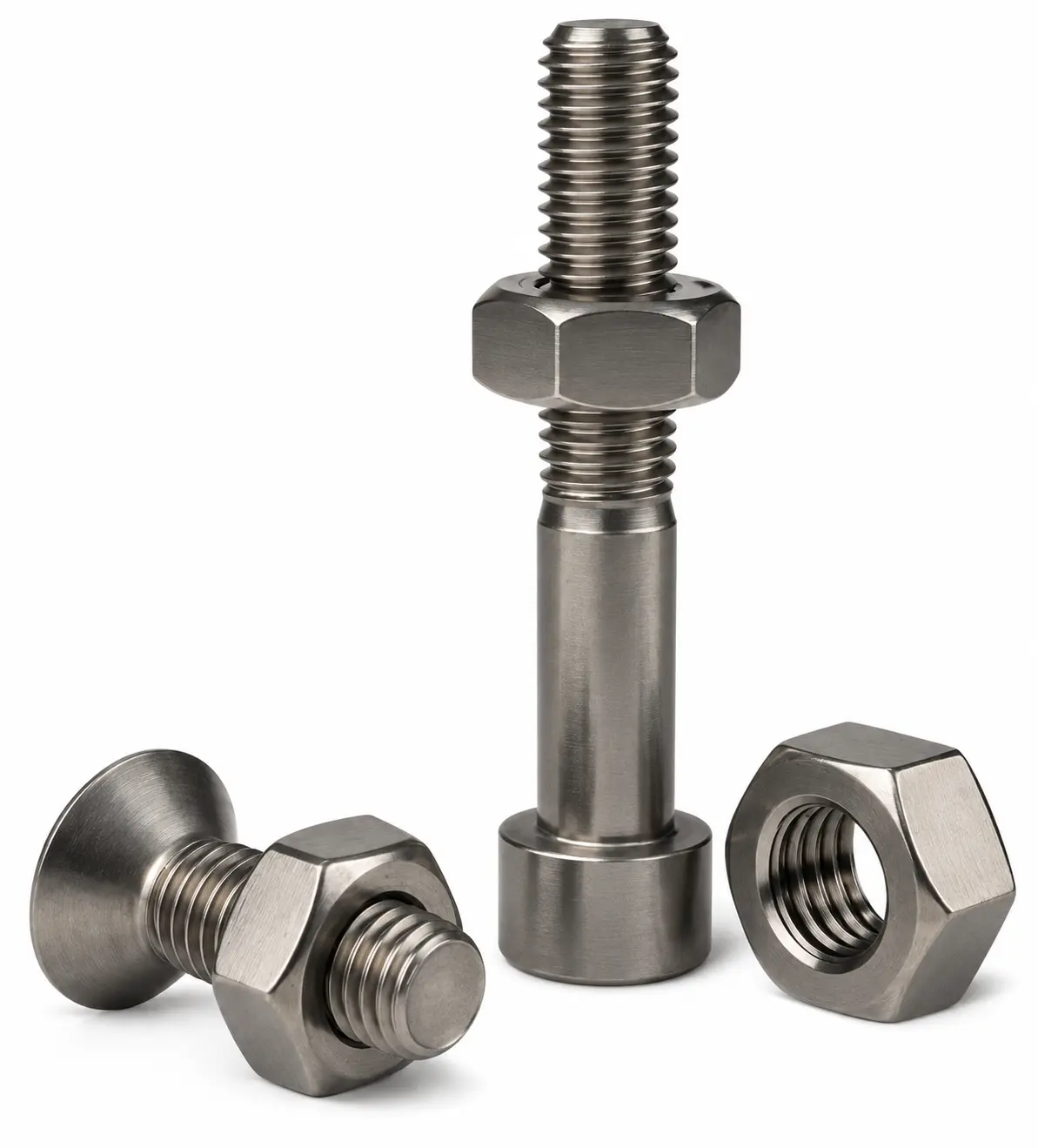
Zirconium R60706 Fasteners
Zirconium-Niobium — Tightest Bend Radius in the Standard

Zirconium R60706 Fasteners

Zirconium R60706 is the second zirconium-niobium grade in ASTM B551. Its specified composition is identical to R60705 in every element but one — zirconium plus hafnium 95.5% minimum, niobium 2.0–3.0%, the same iron, carbon, nitrogen and hydrogen limits — with oxygen reduced from 0.18% to 0.16%. Oxygen is an interstitial strengthener in zirconium, and that small reduction is what separates the two grades.

The trade is explicit in the standard's requirements. R60706 is specified at 510 MPa tensile and 345 MPa yield, around 7% and 9% below R60705, and in exchange it must pass a bend test at a 2.5T radius — the tightest in ASTM B551, against 3T for R60705 and 5T for the unalloyed grades. It is worth being precise here, because the two formability measures do not move together: R60706's specified minimum elongation is actually 14% against R60705's 16%, so it is the bend test, not elongation, that distinguishes the grade. Specify R60706 where a Zr-2.5Nb part must be bent to a tight radius. Exotic Alloy supplies R60706 to ASTM B551.

Request a Quote
Product Range

Zirconium R60706 Fasteners Available

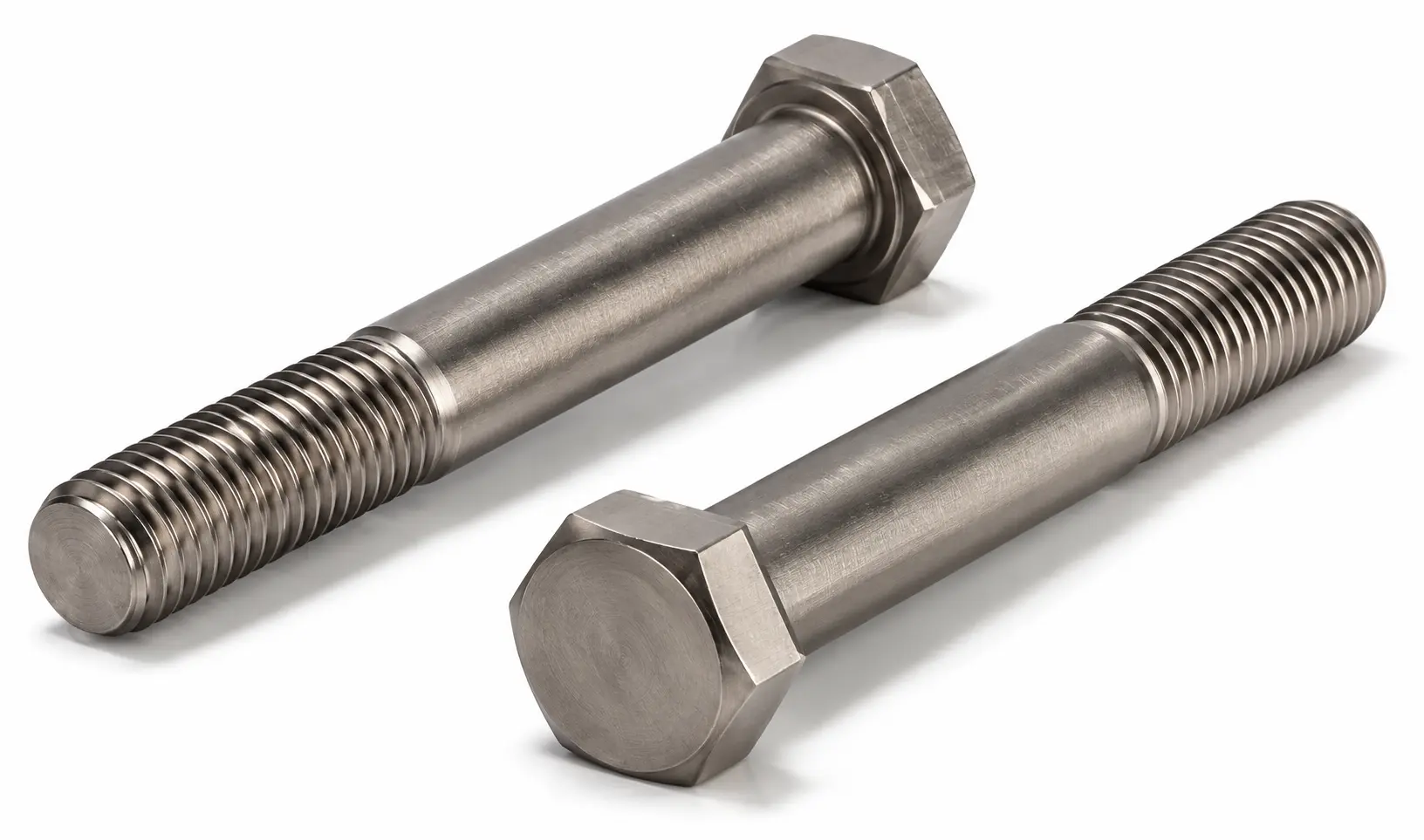
Zirconium R60706 Hex Bolts
Zirconium R60706
Hex Bolts
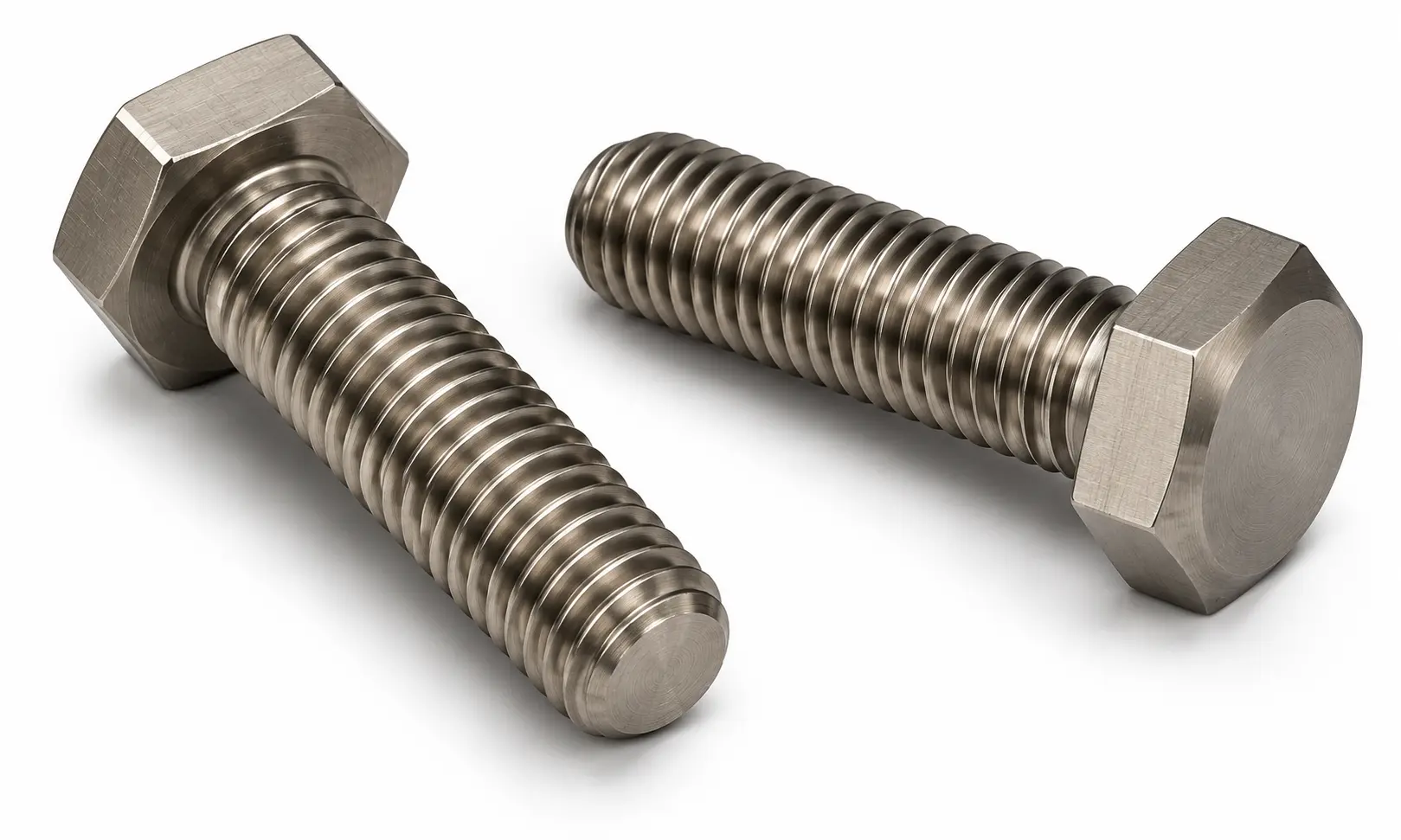
Zirconium R60706 Heavy Hex Bolts
Zirconium R60706
Heavy Hex Bolts
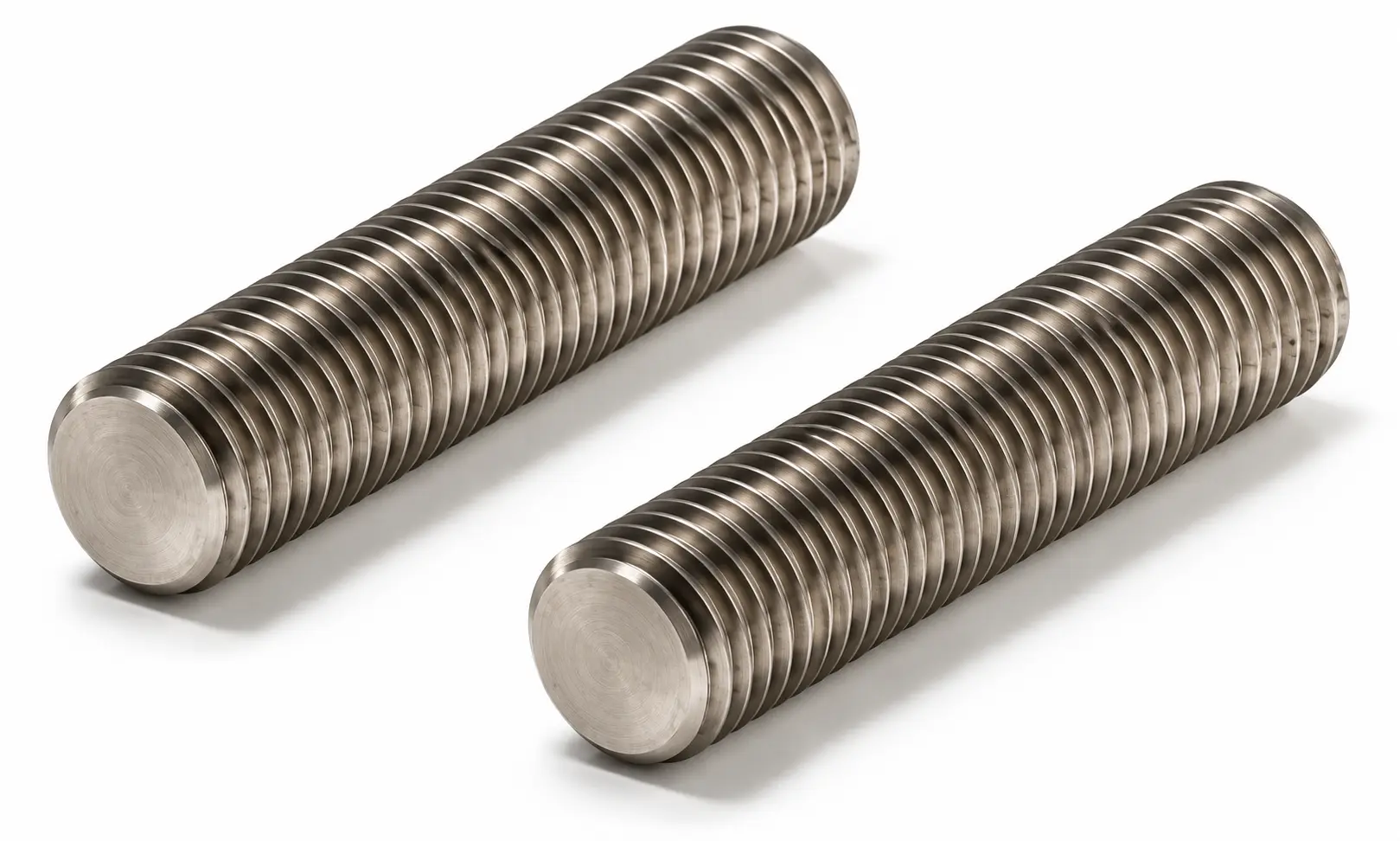
Zirconium R60706 Stud Bolts
Zirconium R60706
Stud Bolts
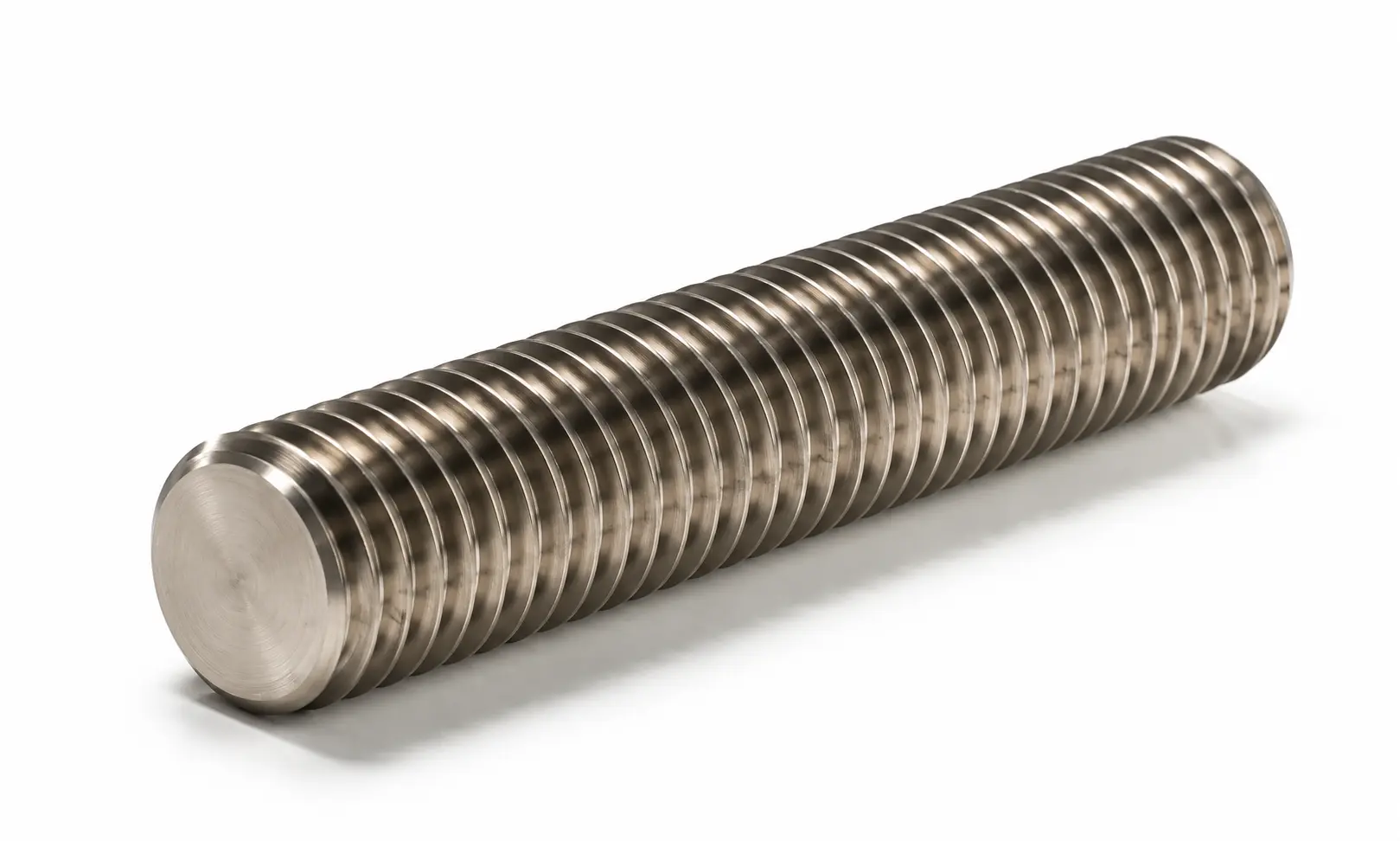
Zirconium R60706 Threaded Rods
Zirconium R60706
Threaded Rods
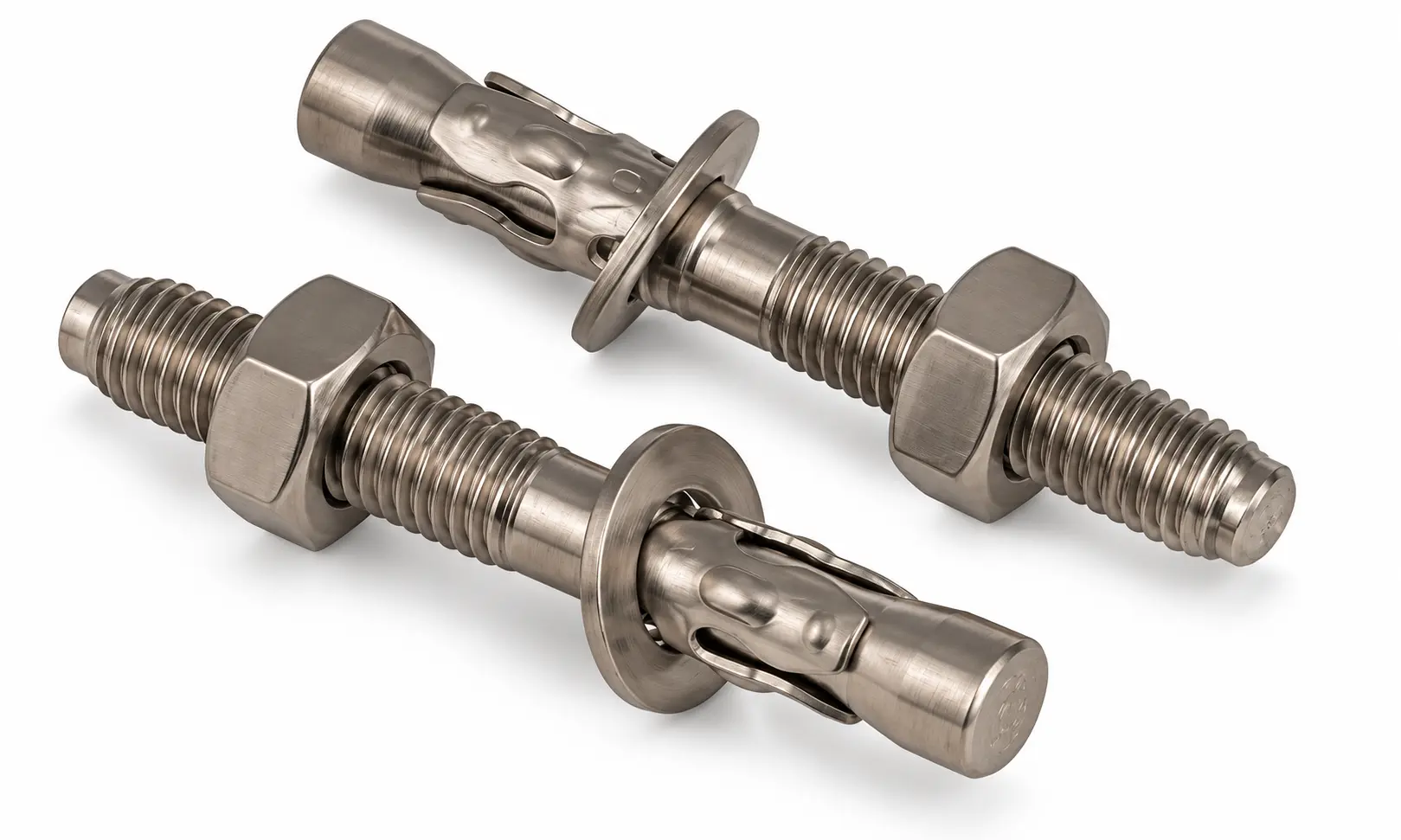
Zirconium R60706 Anchor Bolts
Zirconium R60706
Anchor Bolts
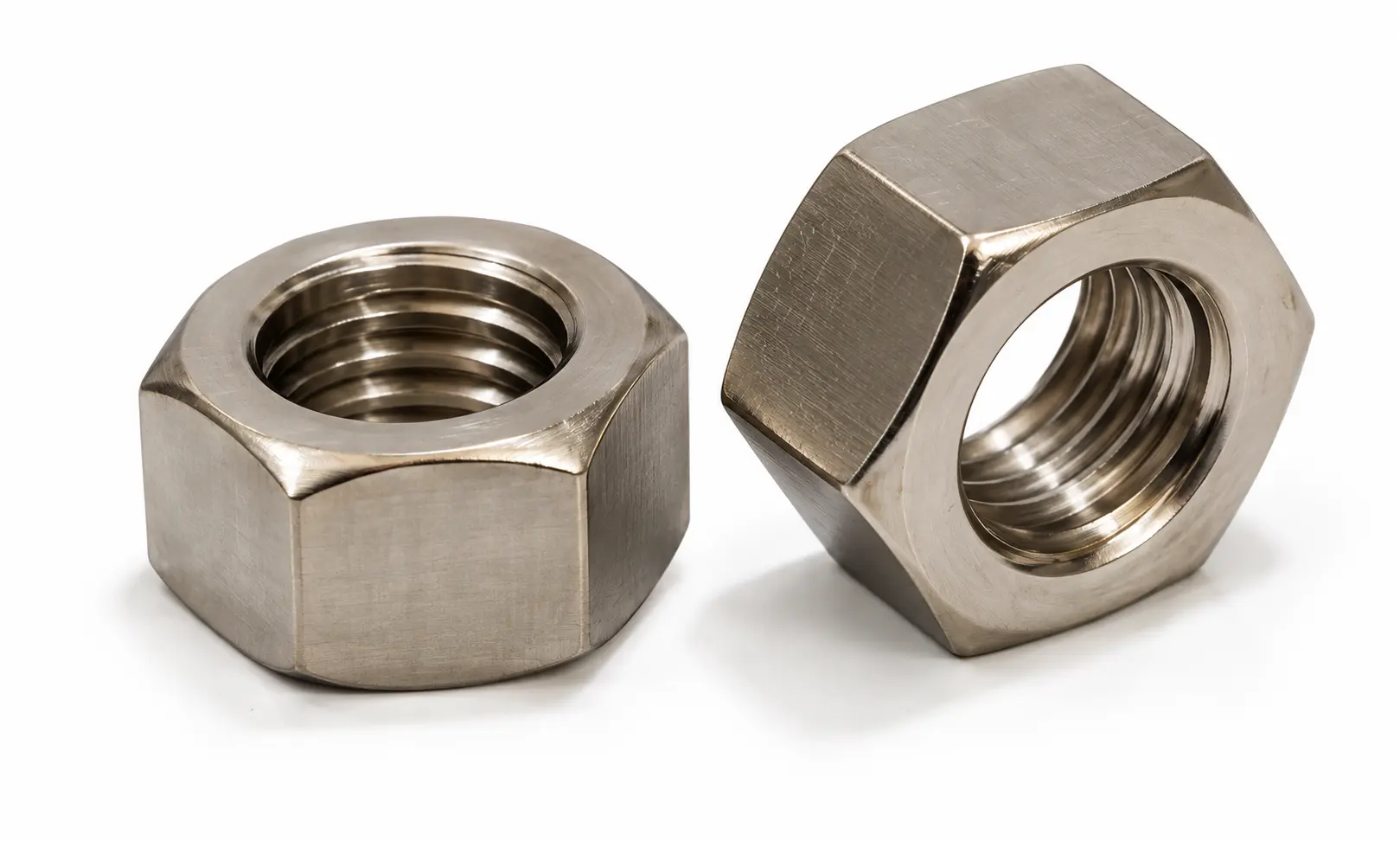
Zirconium R60706 Hex Nuts
Zirconium R60706
Hex Nuts
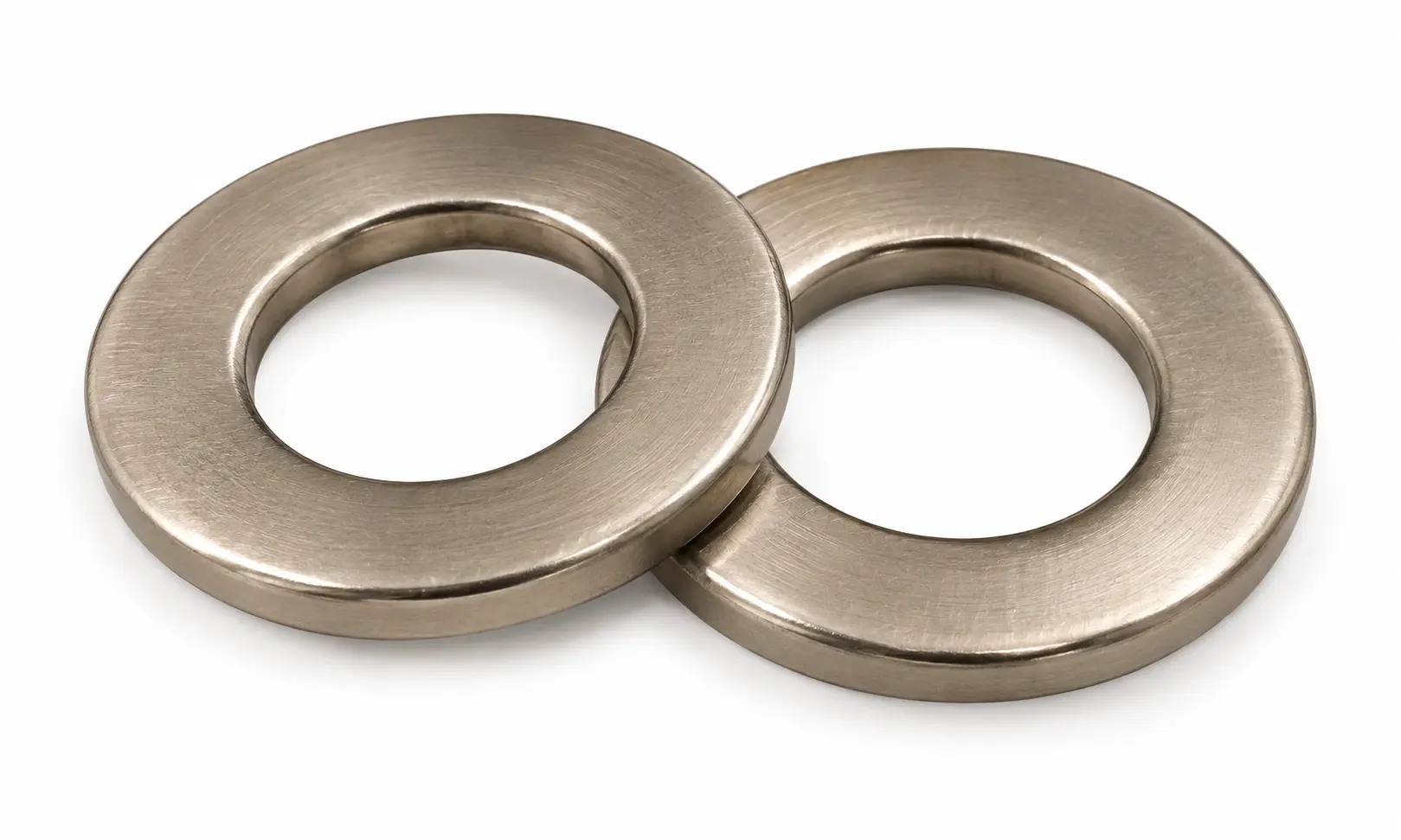
Zirconium R60706 Washers
Zirconium R60706
Washers
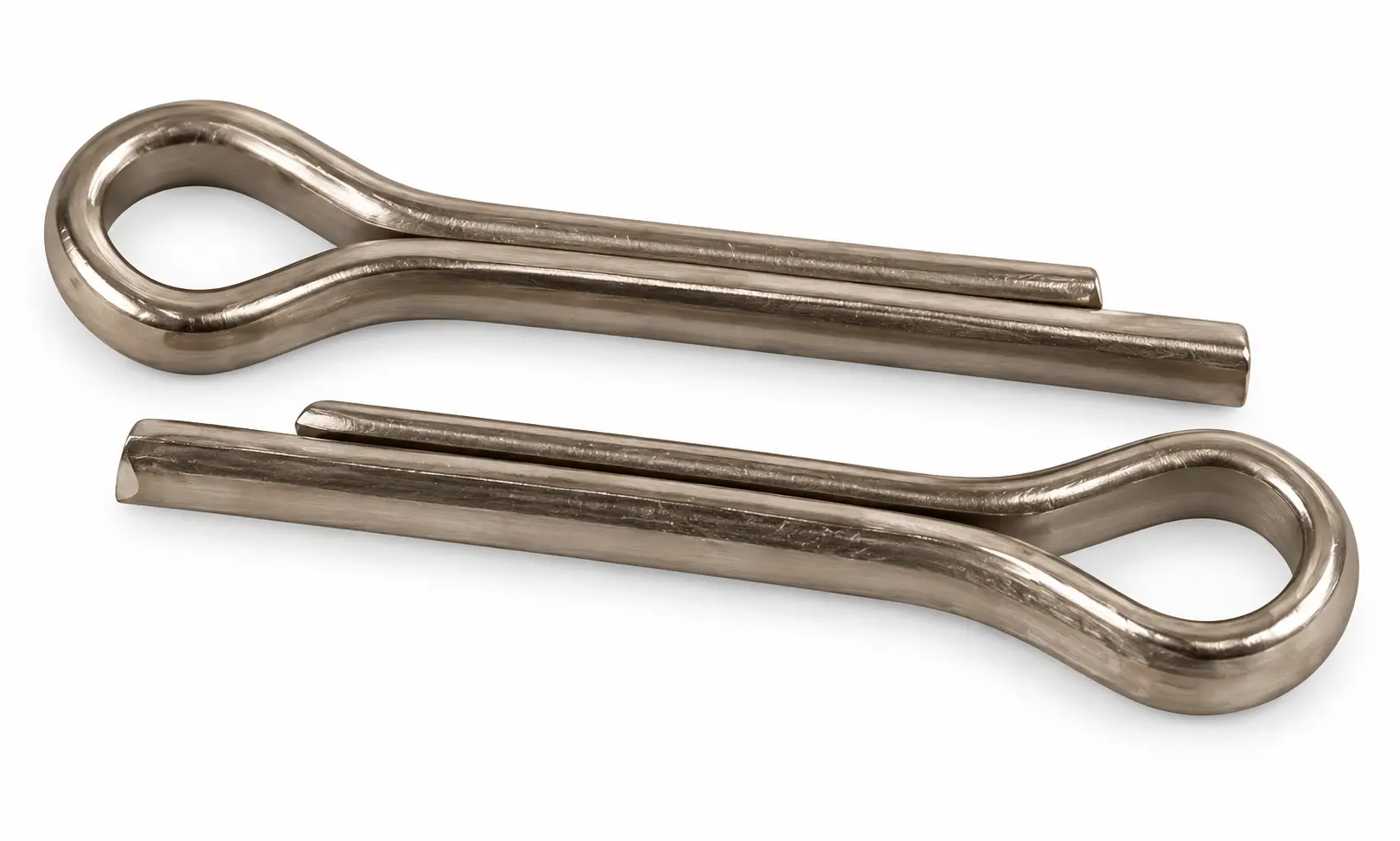
Zirconium R60706 Cotter Pins
Zirconium R60706
Cotter Pins
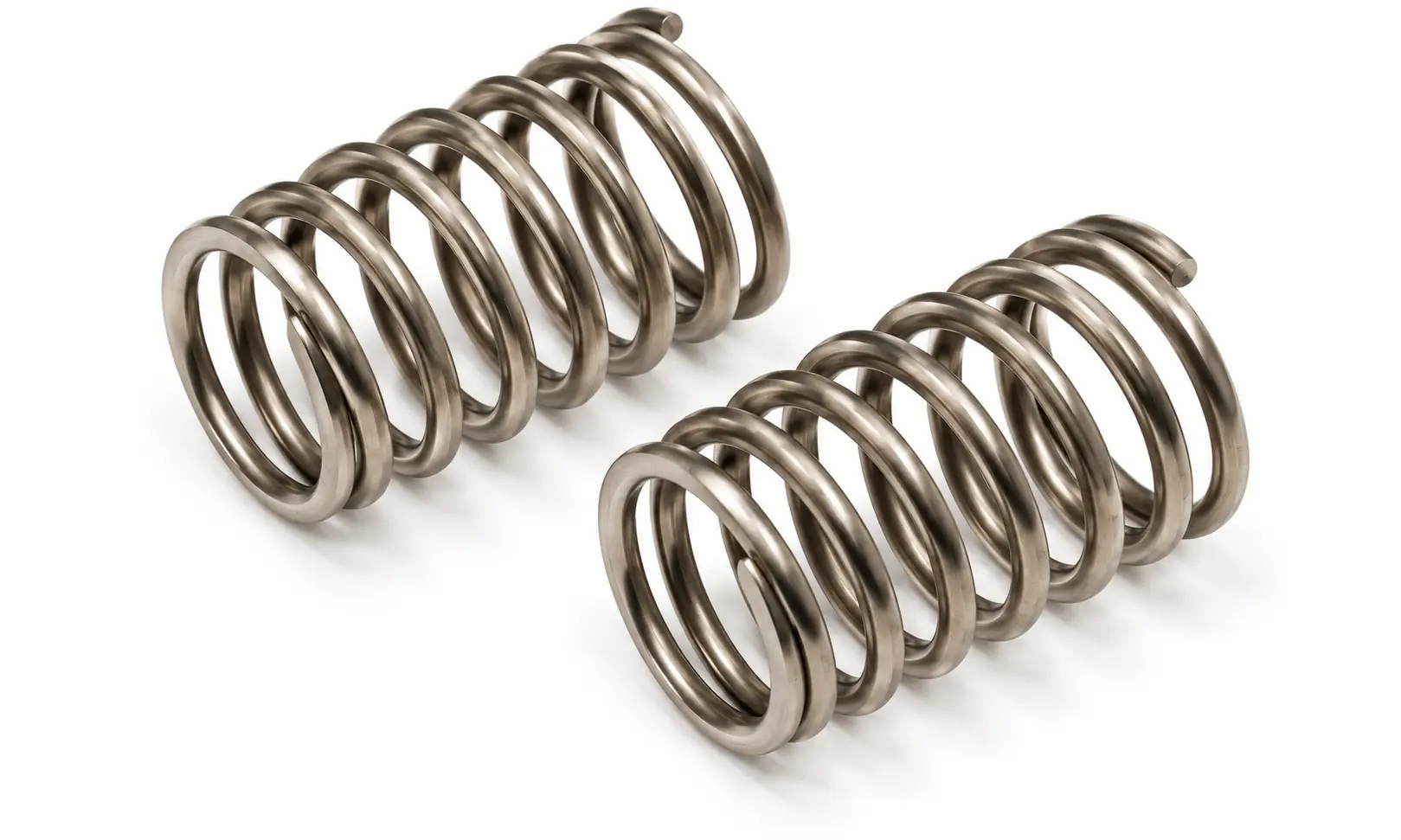
Zirconium R60706 Springs
Zirconium R60706
Springs
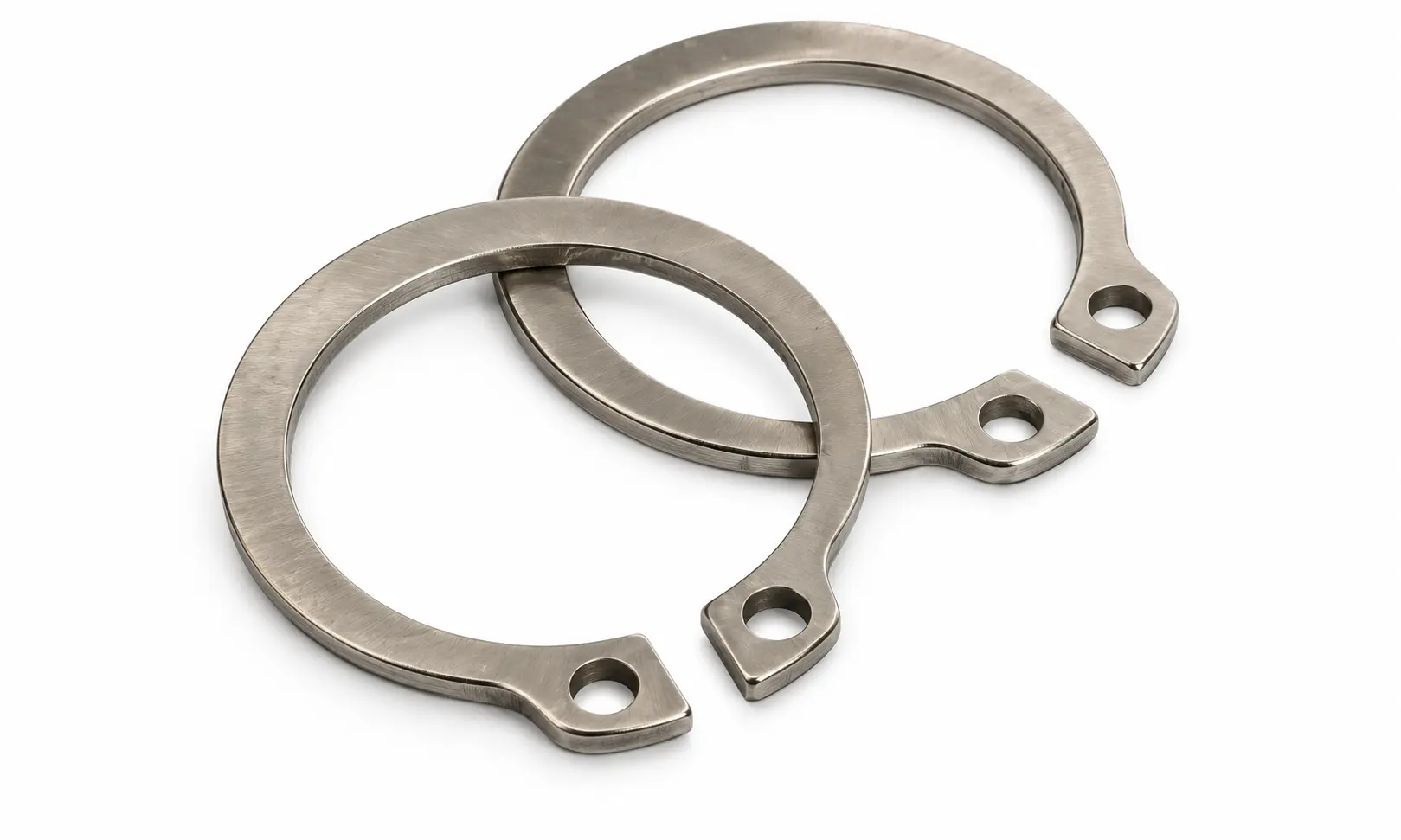
Zirconium R60706 Circlips
Zirconium R60706
Circlips
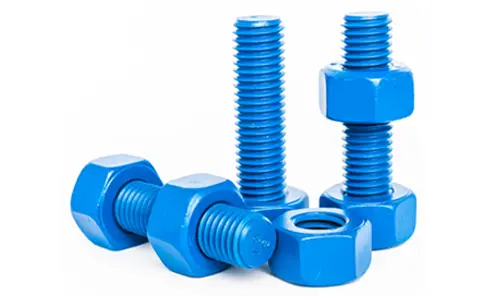
Zirconium R60706 Coated Fasteners
Zirconium R60706
Coated Fasteners
Zirconium R60706 Custom Spacers
Zirconium R60706
Custom Spacers
Technical Data

Zirconium R60706 Specifications

Chemical Composition — Zirconium R60706 (wt. %)
ElementMinimum %Maximum %
Zirconium + Hafnium95.5—
Hafnium (Hf)—4.5
Niobium (Nb)2.03.0
Iron + Chromium (Fe + Cr)—0.2
Oxygen (O)—0.16
Carbon (C)—0.05
Nitrogen (N)—0.025
Hydrogen (H)—0.005
Mechanical Properties — Zirconium R60706
ConditionUTS (MPa)YS 0.2% (MPa)Elongation (%)Bend Radius
Strip, sheet & plate, annealed (B551 min)510345142.5T
Physical Properties
Density6.64 g/cm³ (0.240 lb/in³)
Melting Point1840 °C
Modulus of Elasticity94.7 GPa at room temperature
Shear Modulus34.5 GPa at room temperature
Poisson's Ratio0.33
Thermal Conductivity17.1 W/m·K (10 BTU/hr-ft-°F), 300–800 K
Coefficient of Thermal Expansion3.6 × 10⁻⁶ /°C near ambient; 5.9 × 10⁻⁶ /°C at 371 °C
Specific Heat0.2805 kJ/kg·K (0–100 °C)
Crystal StructureHCP alpha + BCC beta below 920 °C; BCC beta above
Magnetic ResponseNon-magnetic (paramagnetic)
NoteValues are ATI's for Zircadyne 705. R60706 has the same specified composition as R60705 apart from oxygen (0.16% against 0.18%), which does not meaningfully change these physical properties.
Equivalent Grades & Standards
UNSASTM GradeProduct FormsCommon Name
R60706 ASTM B551 Grade R60706 Strip, sheet & plate Zr 706, Zr-2.5Nb, Zirconium-Niobium

Key Specifications: ASTM B551/B551M (Strip, Sheet & Plate).

Product form is the key constraint on this grade. R60706 is covered by B551 only. It is not among the three grades in ASTM B550 (bar and wire), and it is not an ASME Boiler and Pressure Vessel Code listed material, so it cannot be used for code pressure-retaining duty — where a code-listed Zr-2.5Nb is required, specify R60705. Fasteners and machined parts in R60706 are produced from plate, or supplied to B550 chemistry and property requirements by specific agreement between purchaser and manufacturer.

There is no ASTM fastener specification for zirconium. ASTM F468 and F467, which govern nonferrous bolts, screws, studs and nuts, carry copper, nickel, aluminium and titanium alloys — zirconium is not among them. Zirconium fasteners are therefore manufactured from material certified to the mill product standards, with thread conformance to the applicable ASME or ISO standard and acceptance criteria agreed on the order. The relevant product standards are ASTM B550 (bar and wire), B551 (strip, sheet and plate), B523 (seamless and welded tubing), B658 (seamless and welded pipe) and B493 (forgings).

Every zirconium order ships with EN 10204 3.1 certification giving the heat analysis against the ASTM B551 or B550 limits, the tensile results for the product form and orientation supplied, and the metallurgical condition. Hydrogen, nitrogen, carbon and oxygen are reported as standard because the interstitials govern ductility and hydride susceptibility in this material. Bend testing to the grade's specified radius, positive material identification, oxide-film enhancement and stress-relief treatment to 565 °C can all be added at order stage.

Forming: zirconium is readily cold formed and retains good ductility even at cryogenic temperatures — it shows no low-temperature ductile-to-brittle transition. It does work harden rapidly, so interstage annealing is needed on severe work, and because the alpha phase is hexagonal close-packed with only one predominant slip system, wrought zirconium is markedly anisotropic: yield strength, tensile strength, elongation, notch toughness, bend ductility and thermal expansion all vary with direction relative to the working. Forming and test orientation therefore have to be specified, not assumed. Ductility rises sharply with temperature — elongation in Zr 702 goes from about 29% at room temperature to 49% at 204 °C while yield strength falls by more than half — so warm forming around 200 °C gives much better conditions for severe work. Threads are rolled rather than cut wherever section permits, both for grain flow and to avoid the galling that afflicts cut zirconium threads.

Machining: zirconium machines broadly like austenitic stainless — it is gummy, work hardens ahead of the tool and tends to gall and smear. Sharp tooling with positive rake, rigid setups, slower speeds with a positive feed that keeps the tool cutting rather than rubbing, and heavy flood coolant are all needed. The coolant does double duty here: it is also the primary control on the pyrophoric fines hazard described below.

Welding: zirconium is readily weldable by GTAW, plasma, electron-beam and resistance processes, but like all reactive metals it getters oxygen, nitrogen and hydrogen avidly at temperature and a weld made with inadequate shielding is embrittled whatever it looks like. Welding is done in a vacuum or inert chamber, or with high-purity argon or helium covering pool, heat-affected zone and root using trailing shields and backing gas. Weld colour is the first-pass check — bright silver is acceptable, straw, blue or grey indicates increasing contamination. Note also that ATI's corrosion data flag weld sensitization in hydrochloric acid above about 32% concentration, so weld procedure and post-weld treatment matter for corrosion performance, not only for mechanical integrity.

Heat treatment: zirconium mill products are supplied in the recrystallised annealed condition unless otherwise specified, and ASTM B551 requires that condition. None of these grades is hardened by a conventional quench-and-temper route; strength comes from oxygen as an interstitial strengthener, from the tin or niobium addition where present, and from cold work.

Stress relief is carried out at 565 °C (1050 °F ± 50 °F) for half an hour to one hour at temperature, and matters more here than on most metals because residual stress is one of the three ingredients of the stress-corrosion cracking described below. Zirconium also work hardens rapidly, so a stress relief or full anneal is often needed between forming operations.

Oxide film enhancement is a treatment specific to this metal and worth knowing about. The protective oxide that forms spontaneously in air can be deliberately thickened by a controlled heat treatment in air or steam. The resulting film markedly improves erosion resistance in high-velocity systems, provides an excellent bearing surface against a range of materials — which is the standard answer to zirconium's galling tendency on threads — and improves corrosion resistance in certain aggressive environments. All thermal processing must be done under controlled atmosphere or with subsequent removal of the contaminated surface layer, because zirconium absorbs oxygen, nitrogen and hydrogen rapidly at temperature.

R60706 specifically: like R60705 the 2.0–3.0% niobium produces a two-phase alpha-plus-beta structure below approximately 920 °C. The lower oxygen ceiling makes the alloy marginally softer and is what allows the tighter 2.5T bend radius the standard requires of this grade.

Zirconium's distinguishing feature is that it resists acids and alkalis alike. Most corrosion-resistant metals are good on one side of the pH scale: tantalum is outstanding in acid and is destroyed by caustic, while most stainless and nickel alloys struggle in reducing acid. Zirconium does both, and that is why it is specified. ATI's corrosion data show rates below 1 mpy in hydrochloric acid at every concentration to 37% and temperatures to 225 °C; below 1 mpy in nitric acid from 10 to 70% up to 260 °C; below 1 mpy in sulfuric acid to 75% at ambient; and below 2 mpy in sodium hydroxide from 5% to 50% up to about 150 °C and in potassium hydroxide to 50% at boiling. It is essentially inert to the organic acids — acetic, formic, lactic, hydroxyacetic — at all concentrations to boiling and beyond, including the acetic acid streams carrying iodide, bromide and ferric contamination that defeat most alternatives. Protection comes from a tightly adherent zirconium oxide film that forms spontaneously in air and can be deliberately thickened by a heat treatment, which improves erosion resistance in high-velocity systems and gives an excellent bearing surface.

Zirconium has a short but absolute exclusion list, and the items on it are not obvious. Hydrofluoric acid attacks it at any concentration, even at room temperature (>50 mpy), and as with tantalum the real hazard is trace fluoride rather than deliberate HF: ATI's data show 90% nitric acid, normally a duty zirconium handles at under 1 mpy, jumping to over 50 mpy with just 200 ppm of HF present. Oxidising chloride salts are the second exclusion and the one that catches people out: ferric chloride and cupric chloride attack zirconium at over 50 mpy at all concentrations from room temperature to boiling, which rules out the ferric-chloride-bearing streams common in etching, pickling and some leaching duties. Aqua regia attacks it. So does concentrated sulfuric acid above roughly 70% — the transition is sharp and temperature-sensitive, from under 1 mpy at 75% and 20 °C to over 50 mpy at 77.5% and 100 °C — and phosphoric acid above about 55% at elevated temperature.

The wet-versus-dry chlorine behaviour is the inverse of titanium's, and the two are routinely confused. Zirconium handles dry chlorine gas at under 5 mpy but is destroyed by wet chlorine — chlorine gas with more than 0.13% water, or chlorine-saturated water — at over 50 mpy. Titanium is exactly the opposite: it needs moisture to maintain its oxide and reacts violently with dry chlorine. Substituting one for the other in a chlorine service on the assumption that both are “corrosion-resistant reactive metals” is a serious error.

Zirconium is susceptible to stress-corrosion cracking in a specific and well-documented set of environments, and a tightened fastener supplies exactly the sustained tensile stress that SCC requires. The environments to watch are ferric and cupric chloride solutions, which both corrode and crack it; concentrated nitric acid above about 70%, where ATI's own data note SCC observed even though the general corrosion rate stays below 1 mpy — a dangerous combination, because the metal looks untouched right up until it cracks; methanol-halide mixtures; and hydrochloric acid carrying ferric chloride, where 100 ppm of FeCl₃ in 10% HCl produced SCC at a general rate still under 1 mpy. The practical implications are that a corrosion-rate chart alone is not sufficient to qualify zirconium for a duty, that residual stress from forming and welding should be removed by a stress-relief anneal, and that oxidising-chloride contamination must be assessed even when it is present only in traces.

Hydrogen embrittlement is zirconium's other failure mode. Zirconium absorbs hydrogen readily and precipitates it as brittle zirconium hydride platelets, which cut ductility and can cause delayed cracking. As with tantalum, the metal does not have to be corroding to pick hydrogen up — it only needs to be cathodic. Couple zirconium electrically to a less noble metal in an acidic electrolyte, or apply cathodic polarisation, and atomic hydrogen is evolved on its surface and diffuses in. A zirconium bolt clamping a carbon steel or stainless flange in acid service is precisely that configuration. The mitigations are the same three: electrical isolation with non-conducting gaskets, sleeves and washers; anodic protection; or an oxidising addition to the stream to depolarise the cathode reaction. A thickened oxide film produced by heat treatment also slows hydrogen ingress. Hydrogen is held to 0.005% maximum in the as-supplied material by ASTM B551 precisely because the starting level matters.

Zirconium galls, and it is galvanically noble. Like titanium, zirconium has a thin oxide over an adhesive metal, so a zirconium thread run against another zirconium thread will cold-weld and seize, often badly enough that the fastener must be cut off. Every zirconium bolted joint needs one of three mitigations: an anti-seize compound or dry-film lubricant such as molybdenum disulphide; a thickened oxide film produced by heat treatment, which ATI note serves as an excellent bearing surface and is the approach specific to this metal; or a nut in a dissimilar material. Separately, zirconium sits well above carbon steel, aluminium and zinc on the galvanic series, so a zirconium fastener will not itself corrode in a less noble assembly but will drive corrosion of the structure around it — and, as above, will take up hydrogen while doing so. Insulating washers and sleeves address both problems at once.

Zirconium fines are pyrophoric, and this is a genuine machine-shop hazard rather than a formality. Fine turnings, grinding dust and powder ignite readily in air — sometimes spontaneously — and burn at very high temperature. A zirconium fire must not be fought with water, which decomposes and feeds it hydrogen and oxygen, nor with carbon dioxide or halogenated agents; only a Class D agent such as dry powdered graphite, sodium chloride or limestone is appropriate. Machining is therefore done with heavy flood coolant that keeps chips wet and cool, swarf is collected wet, kept submerged or damp, and stored in covered containers away from the shop, and grinding is kept wet throughout. Exotic Alloy handles all zirconium machining and grinding under these controls. The bulk metal in a finished fastener presents no fire risk whatever — the hazard is entirely in the fines generated making it.

A note on hafnium, because it causes confusion. Hafnium occurs with zirconium in nature and is chemically almost inseparable from it, so the commercial grades on this hub simply permit it: ASTM B551 allows up to 4.5% hafnium in all five grades, and the zirconium content is specified as a combined “zirconium + hafnium” minimum rather than as zirconium alone. ATI state plainly that the presence of hafnium at these levels does not significantly influence the physical, mechanical or corrosion properties, so for every chemical-process and fastener application it is simply irrelevant. It matters in exactly one place: nuclear service. Hafnium has a thermal neutron absorption cross-section around 600 times that of zirconium, so reactor-grade zirconium has the hafnium painstakingly removed to the order of 0.010% and is bought under an entirely separate set of nuclear specifications and UNS numbers. None of the five grades here is a nuclear grade, and none should be offered for reactor core duty.

Which grades exist in which product form is not uniform, and it governs what can actually be made. ASTM B551 covers five grades of strip, sheet and plate — R60700, R60702, R60704, R60705 and R60706. ASTM B550, the bar and wire specification, covers only three: R60702, R60704 and R60705. R60700 and R60706 are flat-product grades and are not covered by the bar and wire standard, which is the practical constraint on making conventional turned or headed fasteners in them — parts in those two grades are normally produced from plate, or supplied to B550 chemistry and property requirements by specific agreement between purchaser and manufacturer. Separately, only R60702 and R60705 carry ASME Boiler and Pressure Vessel Code allowable stresses (Section II Part D, under SB-493, SB-523, SB-550, SB-551 and SB-658); R60700, R60704 and R60706 are not ASME code-listed materials and must not be specified for code pressure-retaining duty. Tell us the service and we will confirm form availability before you commit a drawing to a grade.

How these five grades divide. They separate on two axes — alloy addition and oxygen content — and ASTM B551's bend test radius is the clearest single indicator of where each one sits. R60702 is unalloyed zirconium and the workhorse: 380 MPa tensile minimum, ASME code-listed in every product form, and the default for chemical process duty. R60700 is the same metal with oxygen cut to 0.10% and is the odd one out in the standard — it is the only grade specified by maximum strength rather than minimum, capped at 380 MPa tensile and 305 MPa yield, with the highest minimum elongation at 20%. You buy it to guarantee softness and formability, not strength. R60704 adds 1.0–2.0% tin with a raised iron-plus-chromium range for a modest strength gain to 415 MPa. R60705 adds 2.0–3.0% niobium and is much the strongest at 550 MPa tensile and 380 MPa yield, while also bending tighter than the unalloyed grades at 3T — the niobium improves strength and formability together. R60706 is chemically the same Zr-2.5Nb alloy as R60705 with oxygen reduced from 0.18% to 0.16%, trading specified strength down to 510/345 MPa in exchange for the tightest bend radius in the standard at 2.5T.
Key Characteristics

  • Chemically identical to R60705 except oxygen: 0.16% against 0.18%.
  • Tightest bend radius in ASTM B551 at 2.5T.
  • 510 MPa tensile and 345 MPa yield specified minimum.
  • Minimum elongation 14% — the bend test, not elongation, defines this grade.
  • 2.0–3.0% niobium; two-phase alpha + beta structure.
  • Full zirconium corrosion resistance in acids and alkalis.
  • Covered by ASTM B551 only; not in the B550 bar and wire standard.
  • Not an ASME code-listed material — specify R60705 for code duty.

Typical Applications

  • Tightly bent and formed Zr-2.5Nb sheet components.
  • Formed process equipment internals and baffles.
  • Bellows, expansion joints and flexible connections in Zr-2.5Nb.
  • Vessel linings requiring tight-radius forming.
  • Rupture discs and diaphragms at higher strength than unalloyed zirconium.
  • Fabricated chemical process hardware from plate.
  • Clad plate and bonded transition assemblies.
  • Formed brackets, clips and retaining hardware.