+91 97734 41022 sales@exoticalloy.com
Material Specification

Tantalum R05400

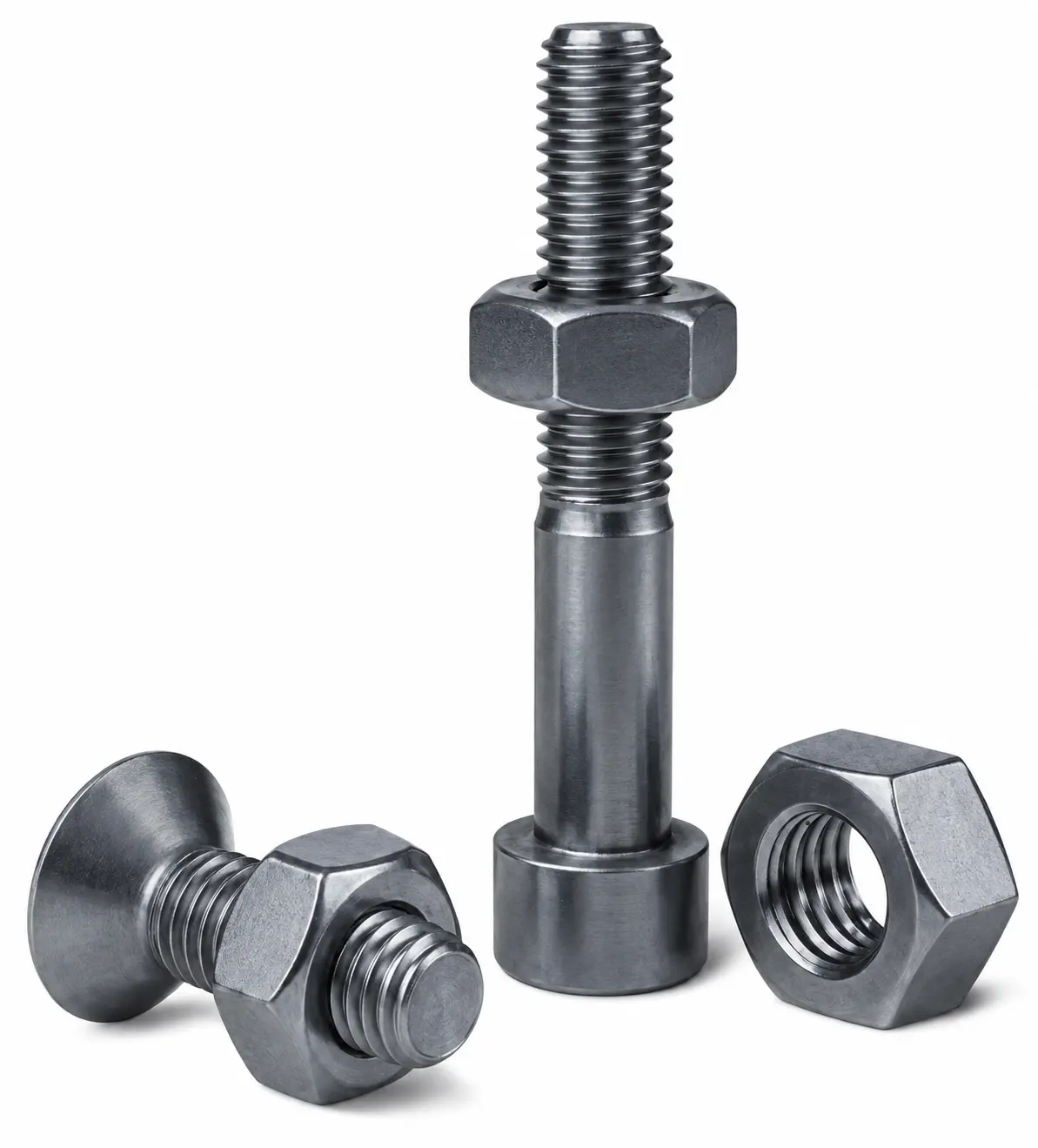
Tantalum R05400 Fasteners
Unalloyed Tantalum — Powder-Metallurgy Consolidated

Tantalum R05400 Fasteners

Tantalum R05400 is unalloyed tantalum produced by powder-metallurgy consolidation — tantalum powder compacted and vacuum sintered, rather than melted in an electron-beam or vacuum-arc furnace as R05200 is. That is the only material difference between the two grades, and ASTM reflects it in exactly one number: the oxygen ceiling is 0.030% for R05400 against 0.015% for R05200. Every other element is held to the same limit, and the ASTM mechanical minimums for both grades are identical.

The practical choice between them is therefore a procurement question rather than a performance one. R05400 is often the more available and more economical route, particularly in larger sections and plate, and the powder route gives a fine, uniform grain structure; R05200 is specified where the lower interstitial ceiling genuinely matters — demanding cold-forming work, electron-device service, or anywhere the oxygen content is being controlled for ductility. Corrosion resistance is the same, and it is tantalum’s: inert to virtually every acid but hydrofluoric. Exotic Alloy supplies R05400 fasteners and components to ASTM B708, B365 and B521.

Request a Quote
Product Range

Tantalum R05400 Fasteners Available

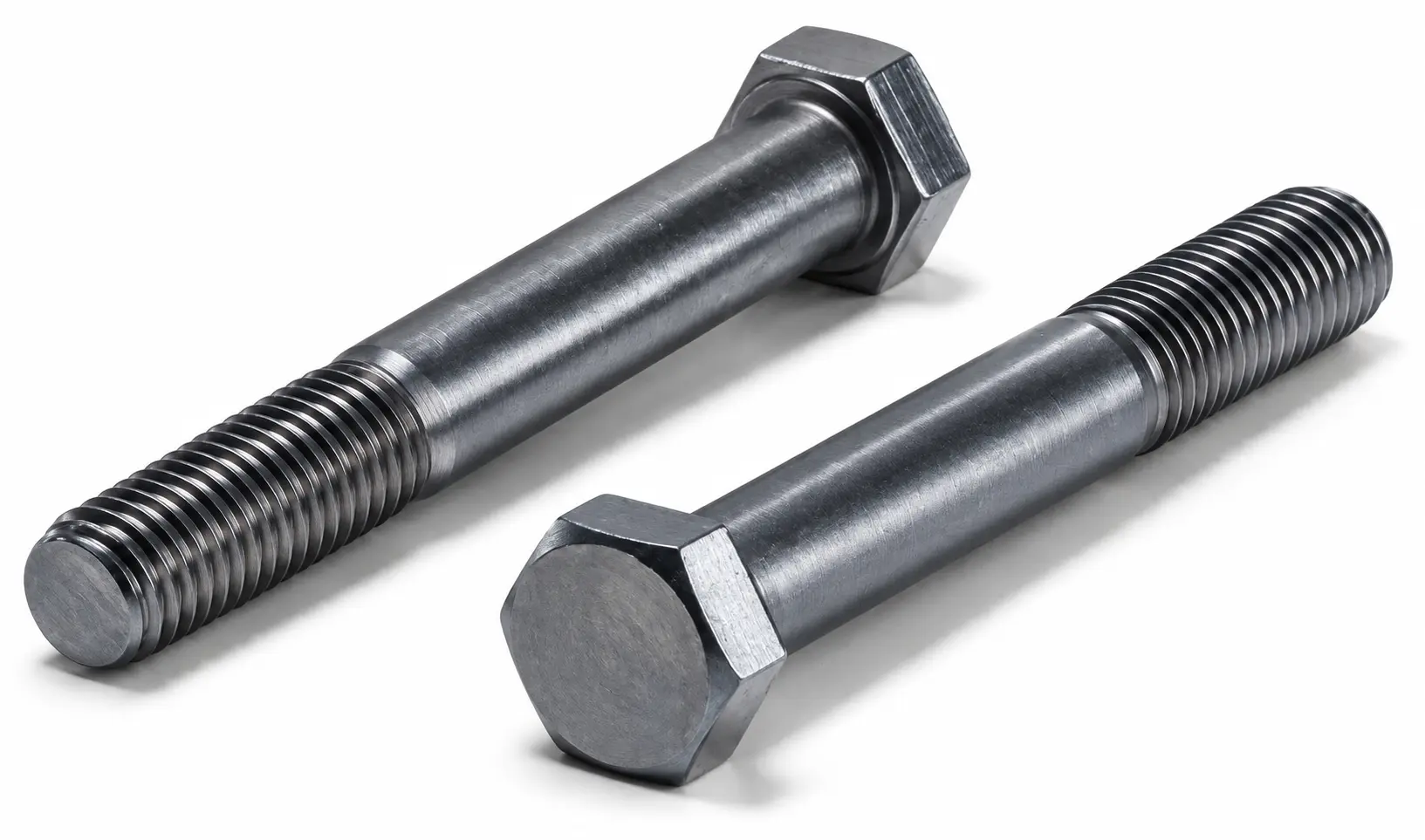
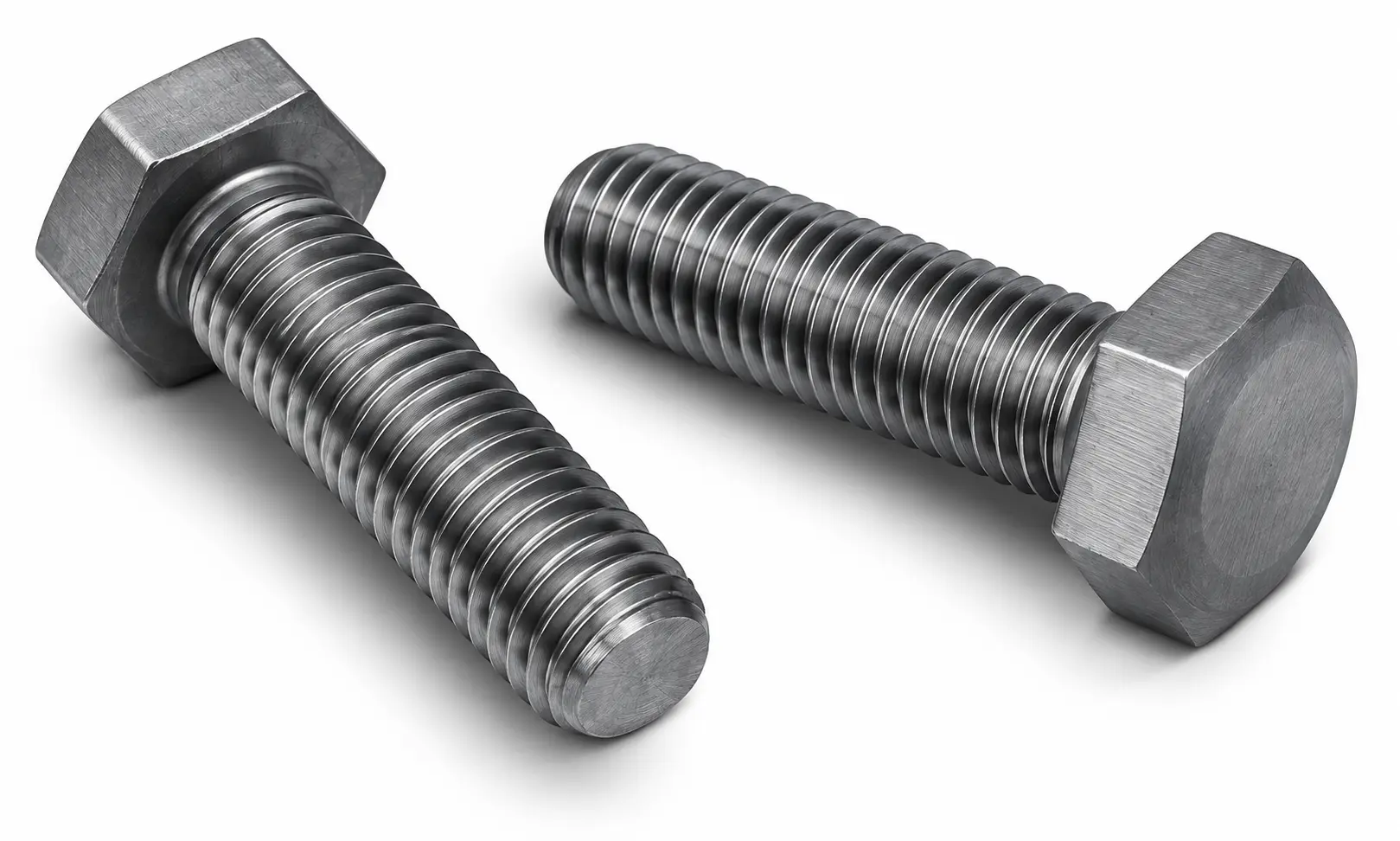
Tantalum R05400 Hex Bolts
Tantalum R05400
Hex Bolts
Tantalum R05400 Heavy Hex Bolts
Tantalum R05400
Heavy Hex Bolts
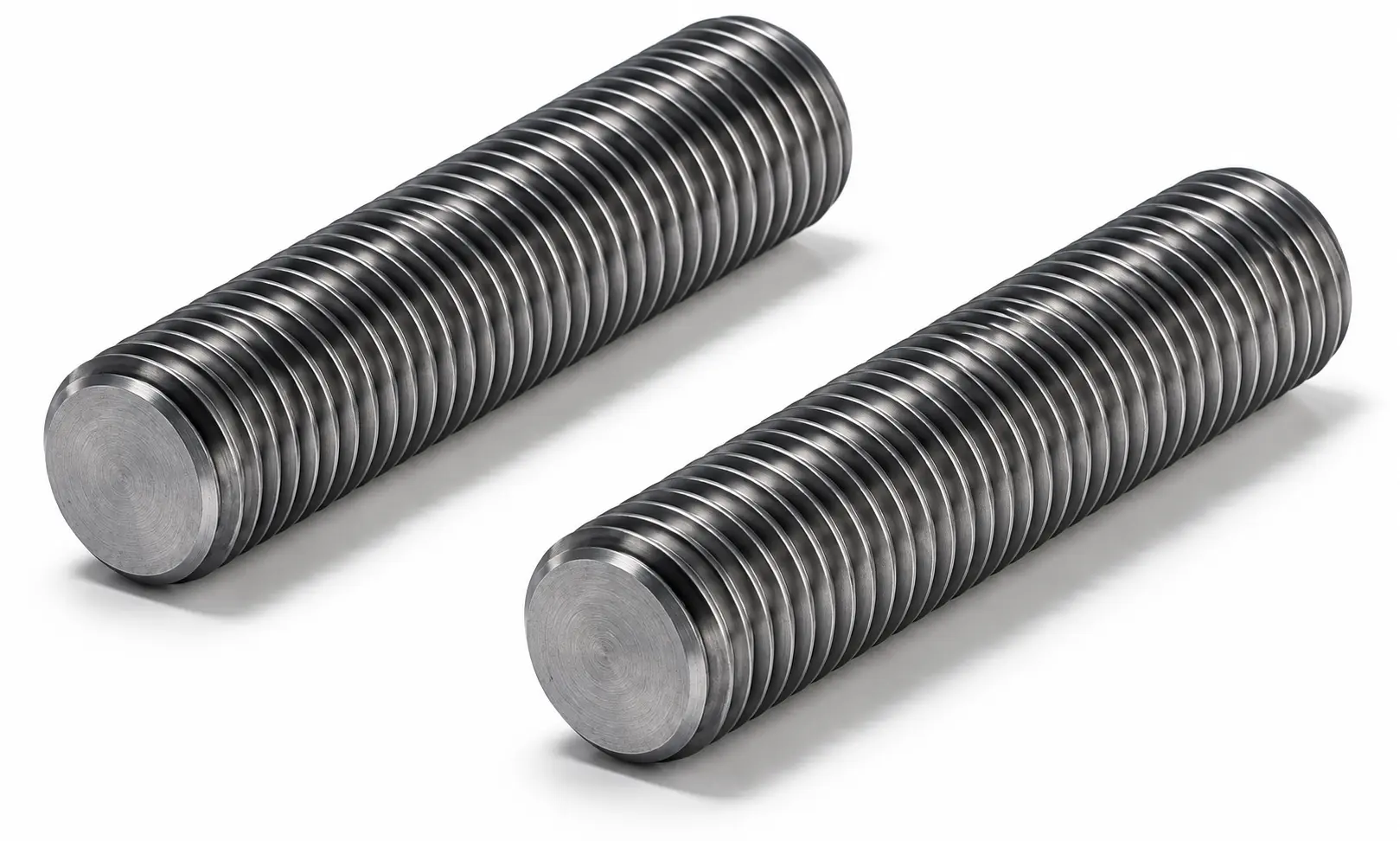
Tantalum R05400 Stud Bolts
Tantalum R05400
Stud Bolts
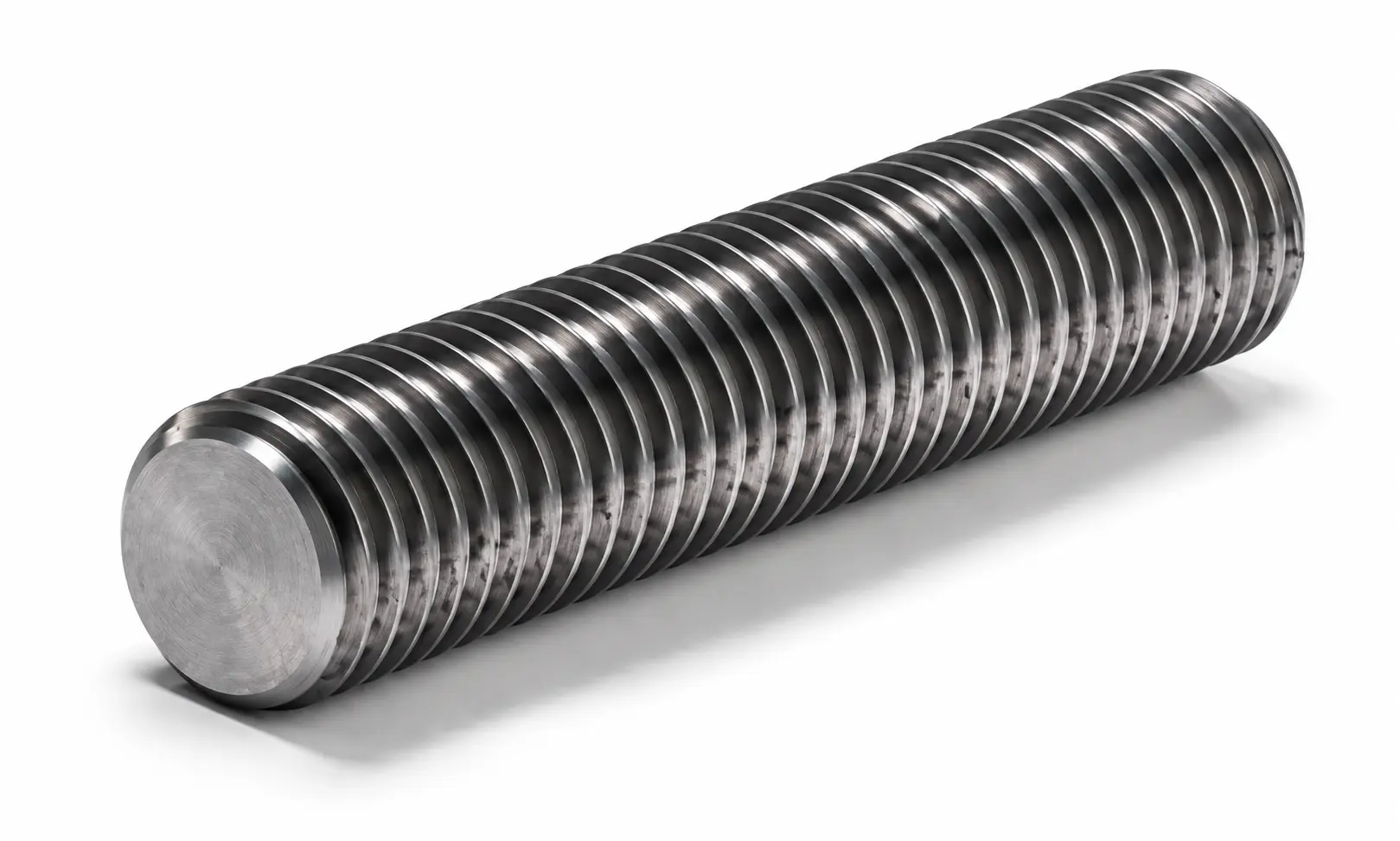
Tantalum R05400 Threaded Rods
Tantalum R05400
Threaded Rods
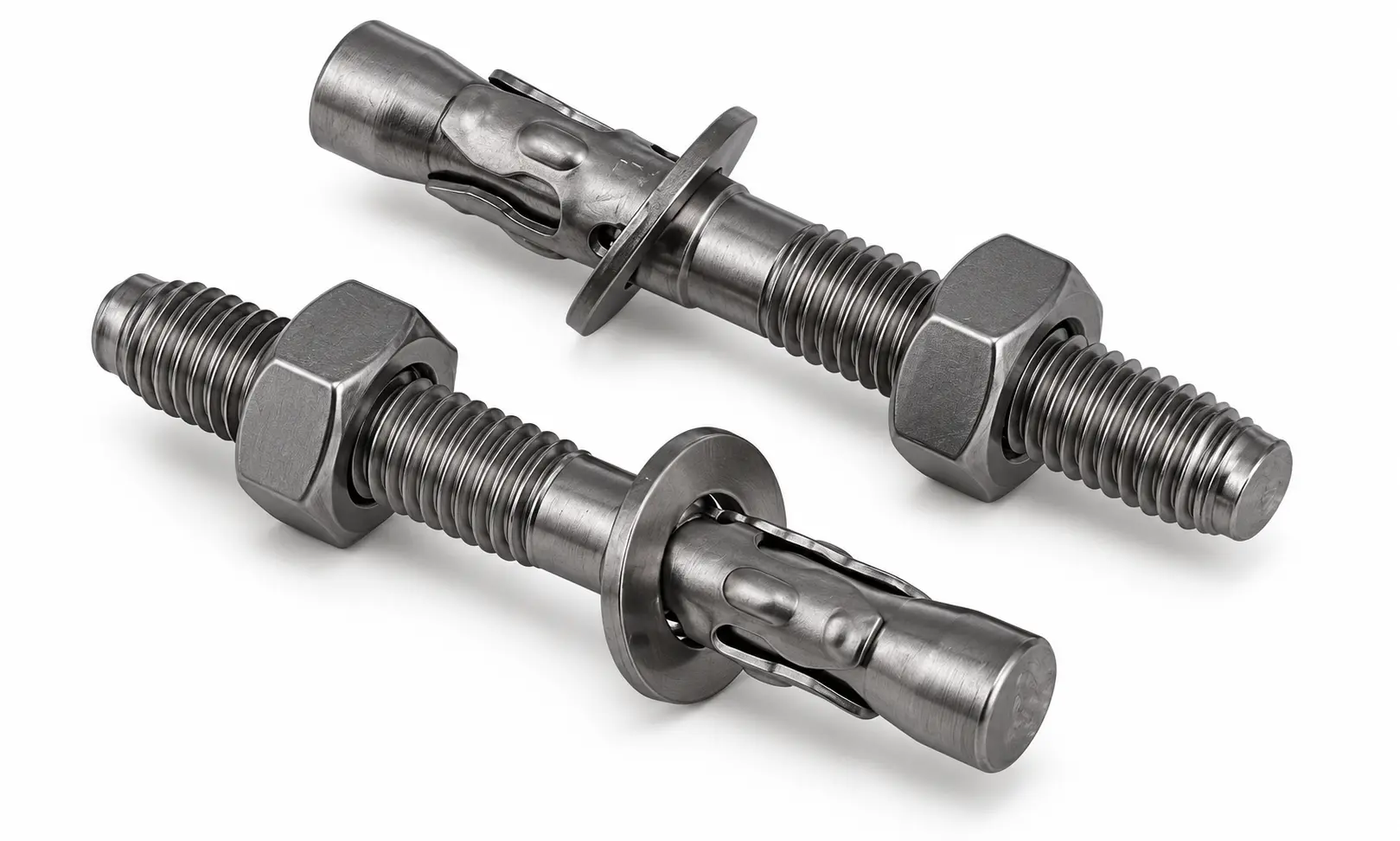
Tantalum R05400 Anchor Bolts
Tantalum R05400
Anchor Bolts
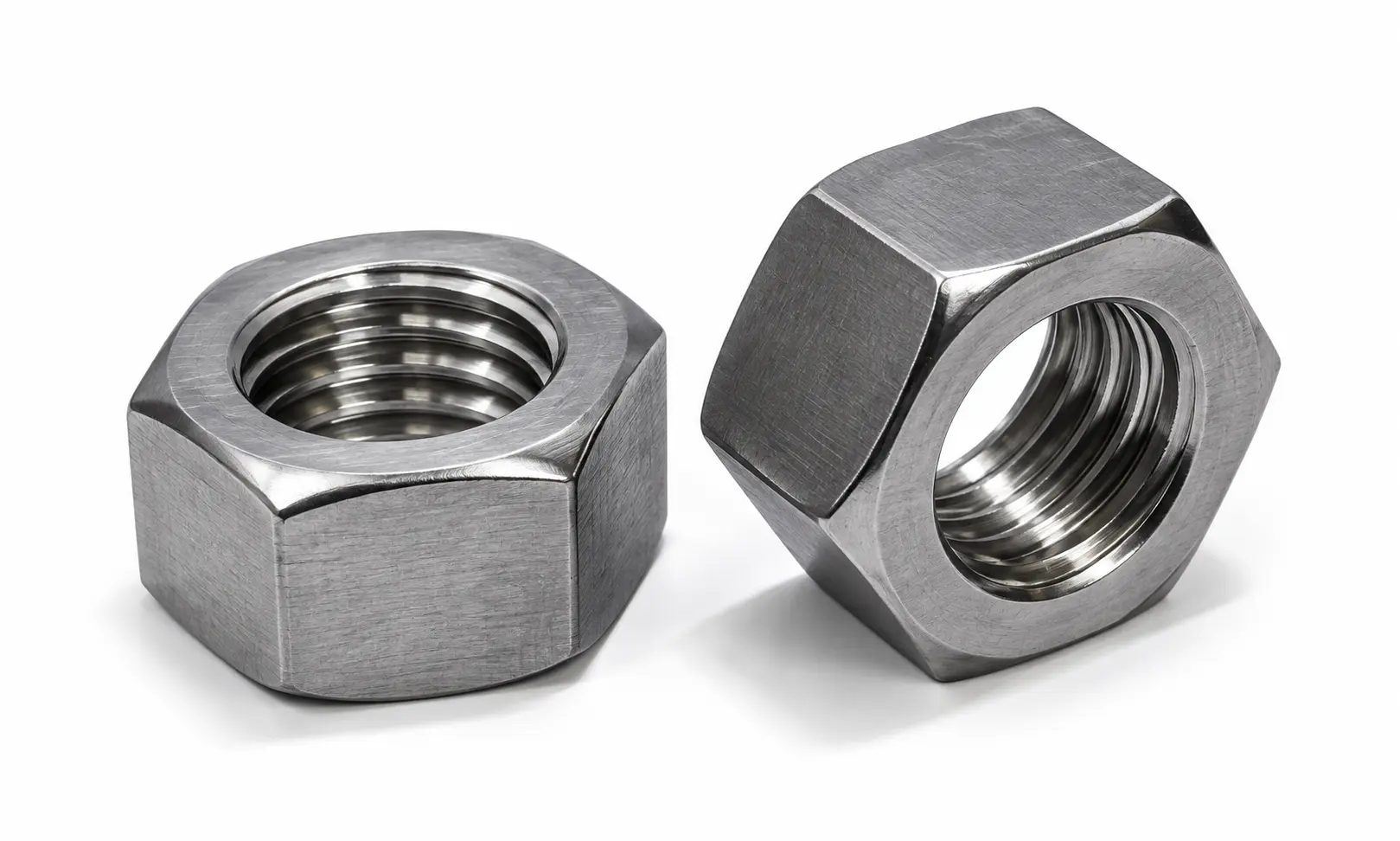
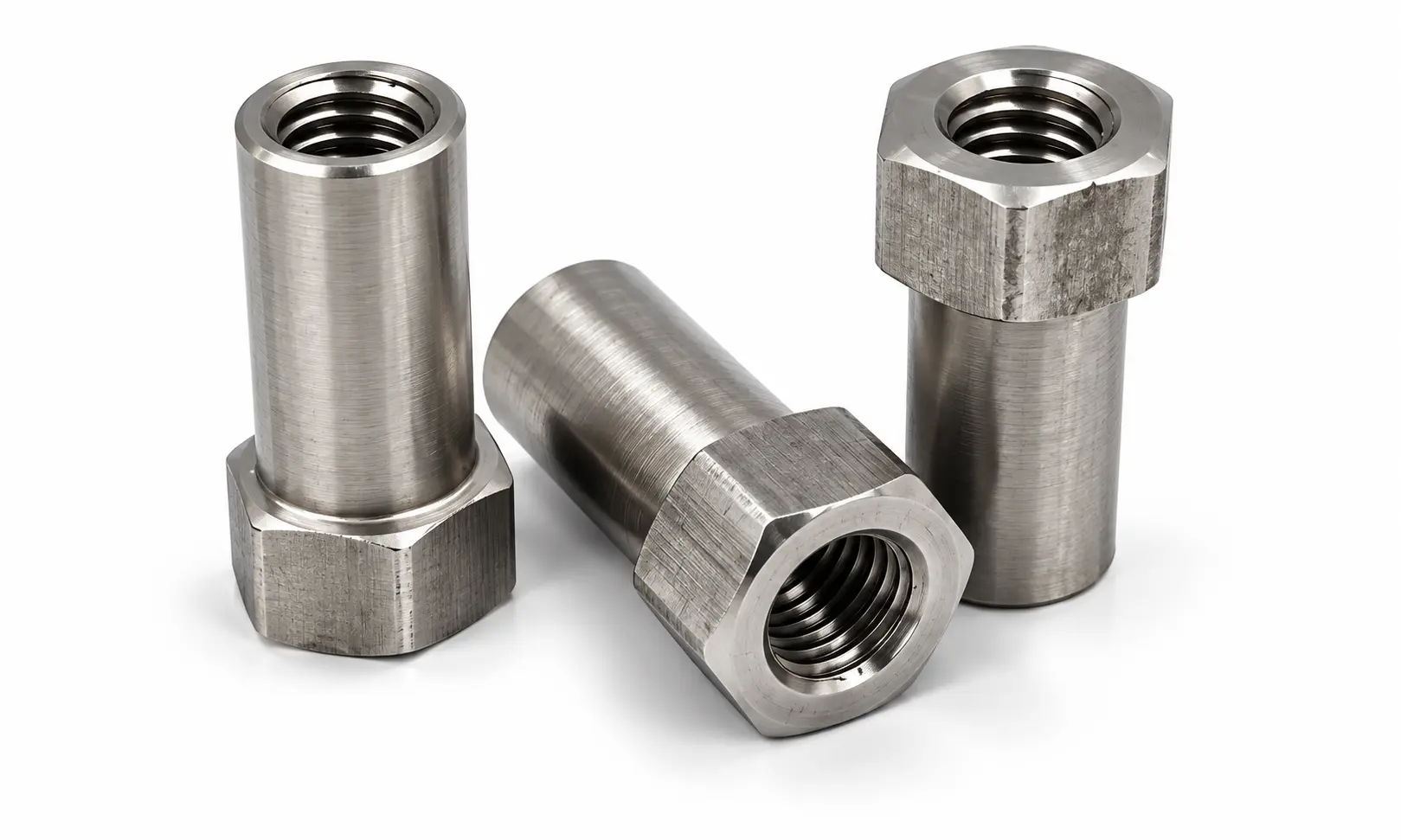
Tantalum R05400 Hex Nuts
Tantalum R05400
Hex Nuts
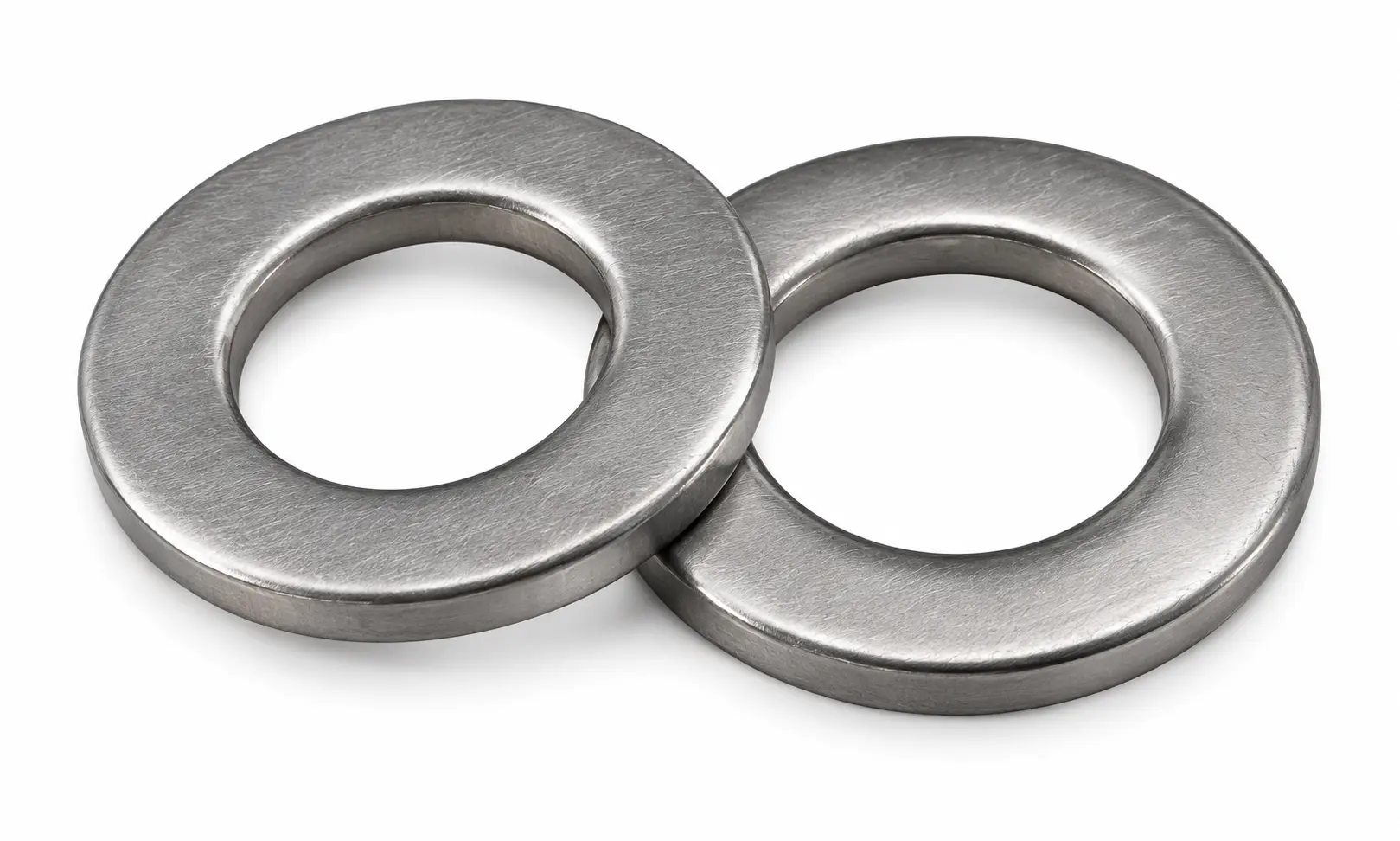
Tantalum R05400 Washers
Tantalum R05400
Washers
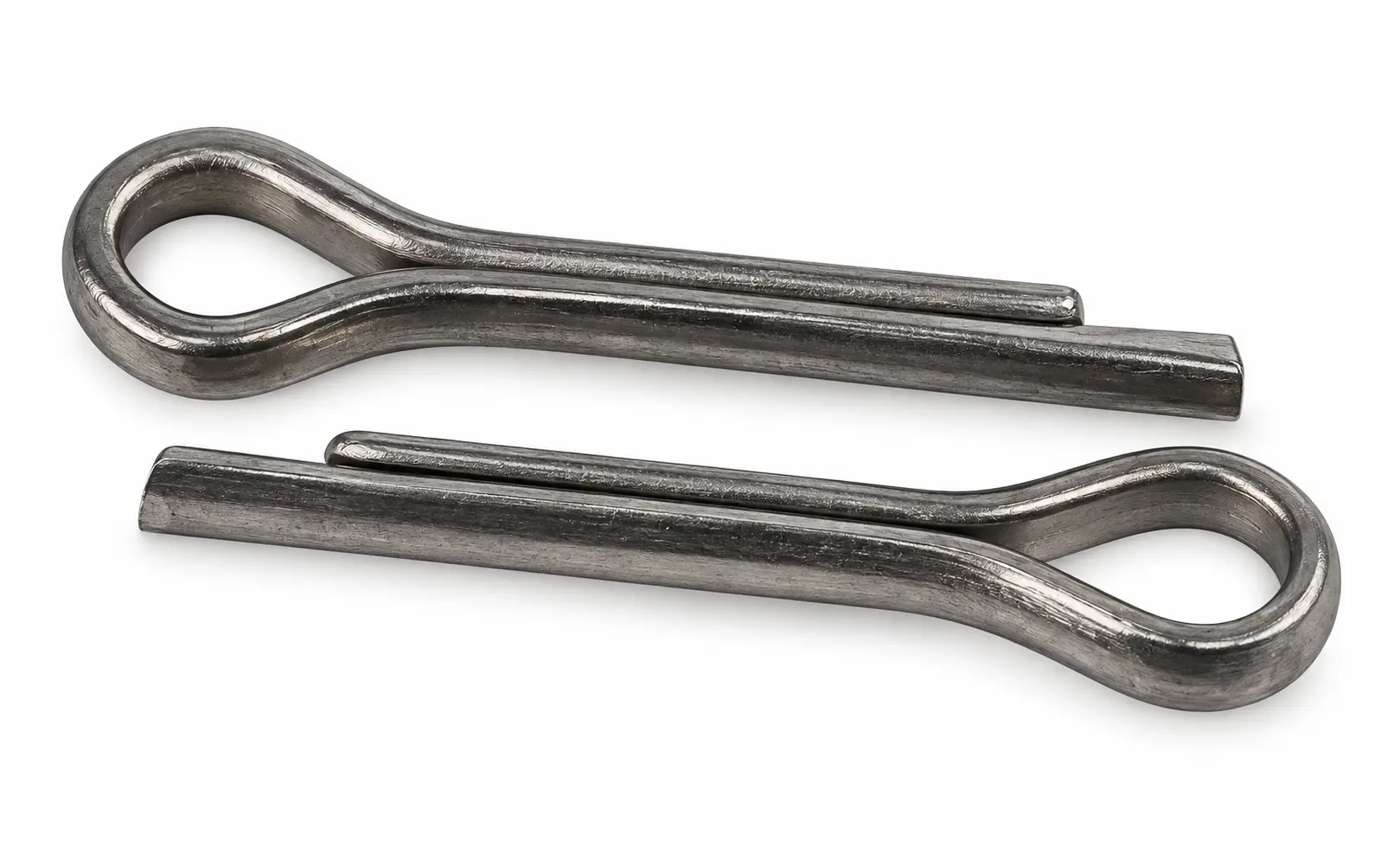
Tantalum R05400 Cotter Pins
Tantalum R05400
Cotter Pins
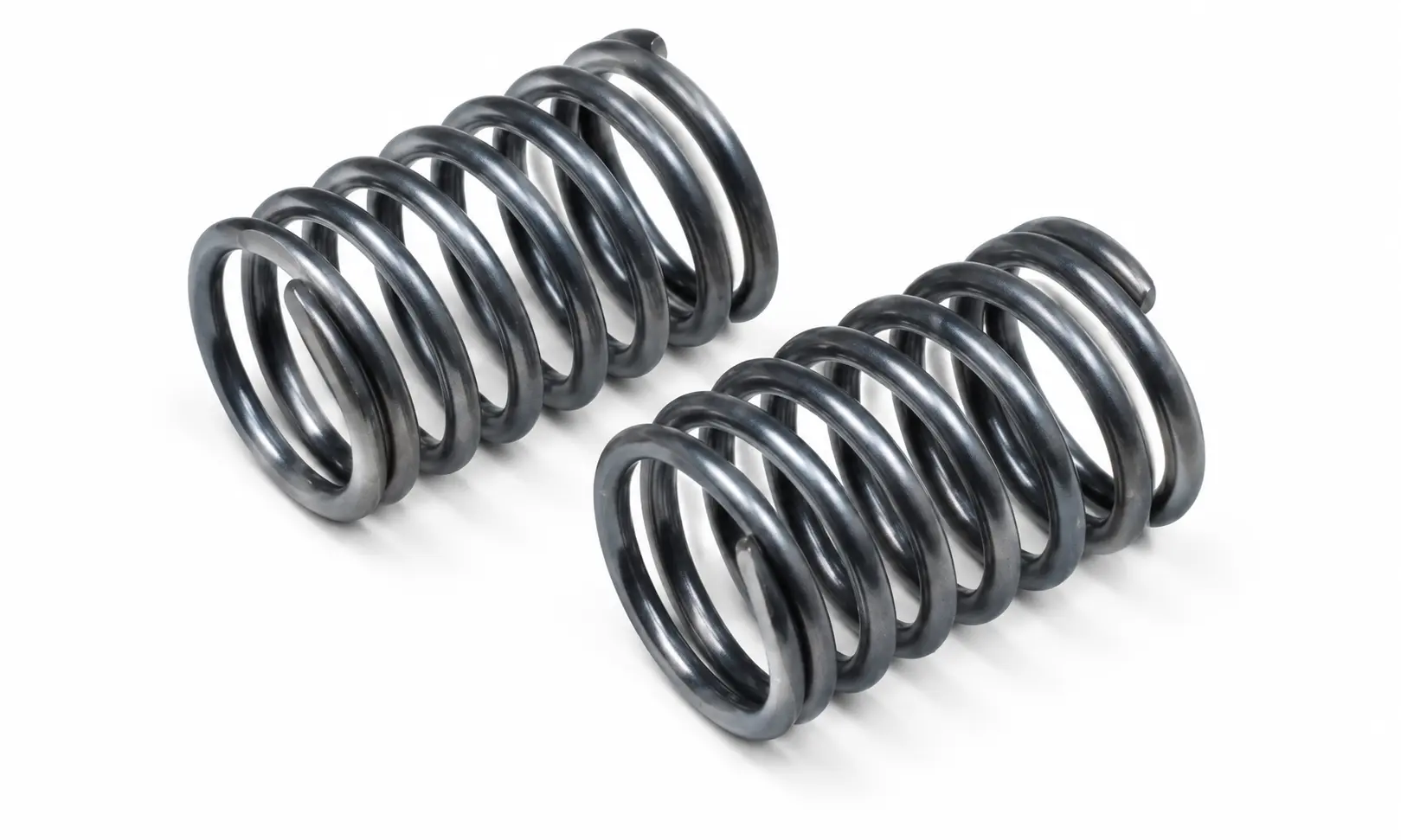
Tantalum R05400 Springs
Tantalum R05400
Springs
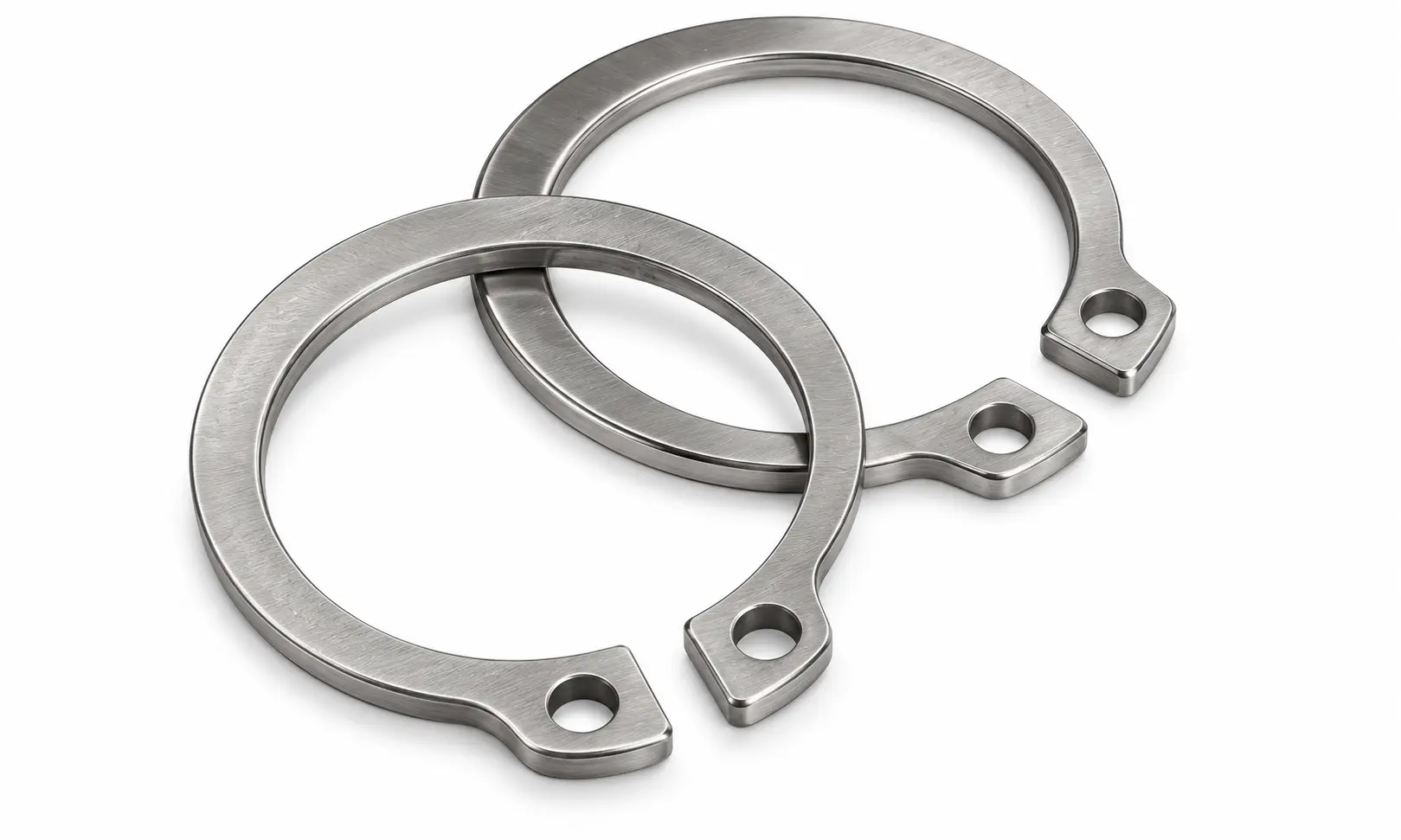
Tantalum R05400 Circlips
Tantalum R05400
Circlips
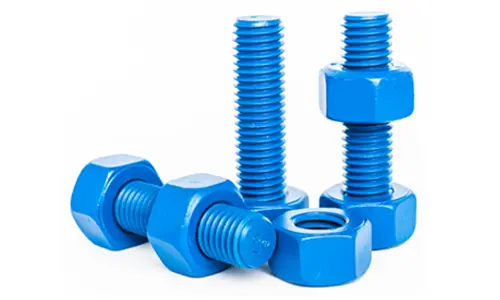
Tantalum R05400 Coated Fasteners
Tantalum R05400
Coated Fasteners
Tantalum R05400 Custom Spacers
Tantalum R05400
Custom Spacers
Technical Data

Tantalum R05400 Specifications

Chemical Composition — Tantalum R05400 (wt. %)
ElementMinimum %Maximum %
Tantalum (Ta)Remainder—
Niobium (Nb)—0.100
Tungsten (W)—0.05
Carbon (C)—0.010
Oxygen (O)—0.030
Nitrogen (N)—0.010
Hydrogen (H)—0.0015
Iron (Fe)—0.010
Titanium (Ti)—0.010
Molybdenum (Mo)—0.020
Nickel (Ni)—0.010
Silicon (Si)—0.005
Mechanical Properties — Tantalum R05400
ConditionUTS (MPa)YS 0.2% (MPa)Elongation (%)Hardness
Sheet & strip < 1.52 mm, annealed (B708 min)20713820—
Plate & sheet ≥ 1.52 mm, annealed (B708 min)17210330—
Rod & wire 3.2–63.5 mm, annealed (B365 min)17210325—
Seamless & welded tube, annealed (B521 min)20713825—
Physical Properties
Density16.6 g/cm³ (0.602 lb/in³)
Melting Point2996 °C (5425 °F)*
Modulus of Elasticity179 GPa (26 × 10⁶ psi)
Electrical Resistivity12.5 µΩ·cm at 20 °C
Thermal Conductivity54.4 W/m·K at 20 °C
Coefficient of Thermal Expansion6.7 × 10⁻⁶ /°C (20–500 °C)
Coefficient of Thermal Expansion6.96 × 10⁻⁶ /°C (20–1000 °C)
Hardness, annealed35 HRB
Crystal StructureBody-centred cubic (BCC)
Recrystallisation TemperatureApprox. 1200–1400 °C
Maximum Service Temperature in Air260 °C — vacuum or inert gas required above
Magnetic ResponseNon-magnetic (paramagnetic)
Equivalent Grades & Standards
UNSASTM GradeProduction RouteCommon Name
R05400 ASTM B708 / B365 Grade R05400 Powder-metallurgy consolidation Sintered Unalloyed Tantalum, PM Tantalum

Key Specifications: ASTM B365 (Rod & Wire) / ASTM B708 (Plate, Sheet & Strip) / ASTM B521 (Seamless & Welded Tube) / ASTM B364 (Ingots) / ASTM F560 (Unalloyed Tantalum for Surgical Implant Applications) / ASME SB708 and SB521.

Note on the oxygen limit: ASTM B708 gives 0.030% maximum oxygen for R05400, which is the figure used here. Some published cross-reference tables and the surgical-implant specification ASTM F560 show 0.035% for this grade. Where oxygen content is a controlling requirement, state the governing standard and revision on the order and we will certify against it.

Tantalum is not covered by the ASTM nonferrous fastener standards. ASTM F468 and F467, which govern nonferrous bolts, screws, studs and nuts, carry copper, nickel, aluminium and titanium alloys — tantalum is not among them, and there is no ASTM fastener specification for tantalum at all. Tantalum fasteners are therefore manufactured from material certified to the mill product standards — ASTM B365 for rod and wire, B708 for plate, sheet and strip, B521 for seamless and welded tube, B364 for ingot — with dimensional and thread conformance to the applicable ASME or ISO thread standard and acceptance criteria agreed on the order. Anyone quoting a tantalum bolt “to F468” is quoting something that does not exist; specify the material standard, the product form, the thread standard and the test requirements explicitly instead.

Every tantalum order ships with EN 10204 3.1 certification giving the heat analysis against the controlling ASTM limits, the mechanical test results for the product form and section supplied, and the condition. Interstitial analysis for carbon, oxygen, nitrogen and hydrogen is reported as standard because it is what governs ductility in this material, and positive material identification, hydrogen-content verification and grain-size assessment can be added at order stage. Material to ASTM F560 limits for surgical implant applications is available on request.

Forming: tantalum is remarkably ductile with a low work-hardening rate, and it is one of the easiest refractory metals to cold form. Annealed unalloyed tantalum will take 50% elongation and can be deep drawn, spun, bent and cold headed at room temperature without interstage annealing in many cases; cold reductions of 90% and more are routine in strip rolling. That formability is why tantalum is fabricated into vessel linings, bellows, diaphragms and thin-wall heat exchanger components. Thread rolling is preferred over thread cutting both for the grain flow and because cut tantalum threads finish poorly.

Machining: tantalum machines badly in the same way copper and austenitic stainless do, and worse than either. It is soft, tough and extremely ductile, so it does not break a chip; it smears, builds up on the cutting edge, galls against the tool and tears rather than shears. Sharp high-rake tooling with a keenly honed edge, slow speeds with a positive feed that keeps the tool cutting rather than rubbing, rigid setups and heavy flood lubrication — chlorinated or sulphurised oil rather than plain coolant — are all necessary. Tantalum is expensive enough that swarf is collected and returned, which is a further reason to form rather than cut wherever the geometry allows.

Welding: tantalum is readily weldable by GTAW, electron-beam, resistance and laser processes, and a properly made weld has essentially the same properties as the base metal. The non-negotiable condition is atmosphere. Tantalum getters oxygen, nitrogen and hydrogen avidly at welding temperature, and a weld made with inadequate shielding is embrittled whatever it looks like. Welding is done in a vacuum or inert-gas chamber, or with high-purity argon or helium shielding covering the pool, the heat-affected zone and the root with trailing shields and backing gas. Weld colour is the first-pass check: bright silver is acceptable and any straw, blue or grey tint indicates contamination. Tantalum must not be welded to steel or to most other metals directly.

Heat treatment: none of the grades on this page is hardenable by heat treatment. Tantalum and its alloys are single-phase body-centred-cubic solid solutions with no transformation and no precipitation reaction to exploit, so strength comes from solid-solution alloying — the tungsten in Ta-2.5W and Ta-10W — and from cold work. Annealed unalloyed tantalum runs around 275 MPa tensile; the same material cold rolled 90% reaches about 860 MPa with elongation down to 2%, and a stress-relief or full anneal takes it back again. Stress relieving is carried out at approximately 850 °C and full recrystallisation annealing at approximately 1200–1400 °C for unalloyed tantalum, with the exact temperature set by the prior cold work and the grain size wanted.

Every thermal operation must be done in vacuum or high-purity inert gas. This is not a quality preference but a requirement: at annealing temperature tantalum absorbs oxygen, nitrogen and hydrogen from the atmosphere within minutes and the embrittlement that follows cannot be reversed. Vacuum annealing is also used deliberately to remove hydrogen from material that has picked it up in service, which is the only repair available for mild hydrogen embrittlement.

Tantalum is the most corrosion-resistant metal in commercial use, and that single property is the reason anyone pays for it. A dense, self-healing, tightly adherent Ta₂O₅ film makes it effectively inert to almost every mineral and organic acid at the concentrations and temperatures found in industrial process plant — its behaviour is routinely compared to glass rather than to other metals. It resists hydrochloric acid at all concentrations and well above the boiling point, sulfuric acid to high concentration and temperature, nitric acid, phosphoric, hydrobromic, chromic, perchloric, and the organics including formic and acetic acid. It resists wet chlorine, bromine and iodine, aqua regia, ferric and cupric chloride, and most salt solutions. These are duties in which every stainless steel, most nickel alloys and in many cases zirconium and titanium all fail; tantalum is specified precisely where the process has already defeated those cheaper options.

Four absolute exclusions apply to every grade on this page, and no alloying addition changes them. First, hydrofluoric acid at any concentration or temperature attacks tantalum rapidly, and a nitric-plus-hydrofluoric mixture will dissolve it completely — HF is in fact the standard reagent for machining and pickling tantalum. Second, any fluoride-bearing acidic solution behaves the same way, which matters because fluoride is a frequent trace contaminant rather than a deliberate ingredient; a process stream that is nominally pure sulfuric acid but carries fluoride will destroy a tantalum component. Third, free sulfur trioxide — oleum and hot fuming sulfuric acid — attacks it, and plain concentrated sulfuric acid becomes aggressive above roughly 175–200 °C, where corrosion rate rises sharply and hydrogen pickup begins. Fourth, strong alkalis attack tantalum even at room temperature, and molten sodium or potassium hydroxide attacks it rapidly; tantalum is an acid-service metal and must not be used on the alkaline side. Alkaline peroxide and fused alkaline salts are likewise excluded.

Hydrogen embrittlement is the single most important practical fact about tantalum in service, and it is what actually fails tantalum equipment — not wall loss. Tantalum absorbs atomic hydrogen readily and becomes brittle as it does so; embrittlement is significant by the time hydrogen reaches roughly 100 ppm, and the damage is permanent. The danger is that tantalum does not need to be corroding to pick hydrogen up. It only needs to be cathodic. Couple tantalum electrically to a less noble metal — carbon or stainless steel, a steel flange, a graphite gasket, a steel bolt — in an acidic electrolyte and the tantalum becomes the cathode of a galvanic cell, atomic hydrogen is evolved on its surface, and it diffuses straight into the metal. The same thing happens under any applied cathodic polarisation. The component then cracks or blisters with no measurable thinning and no warning.

For a tantalum fastener this is a design rule, not a footnote. A tantalum bolt clamping a less noble flange in acid service is exactly the configuration that embrittles, and the bolt is the part you cannot afford to lose. Three mitigations are used, and at least one is mandatory: electrical isolation — non-conducting gaskets, sleeves and washers so no galvanic circuit exists, which is why tantalum-lined vessels are built with insulating joints; anodic protection by impressed current, holding the tantalum anodic so no hydrogen is evolved on it; or an oxidising addition to the process stream — nitric acid, ferric or cupric ions — which depolarises the cathode reaction. Graphite is a particular trap: it is noble, conductive and common as a gasket material, and a graphite gasket wetted by acid against a tantalum face is a working galvanic cell. Tell Exotic Alloy the mating material and the electrolyte and we will advise on the isolation detail.

Tantalum cannot be used hot in air, and this is a separate limit from hydrogen embrittlement. Above roughly 260–300 °C tantalum oxidises rapidly in air or any oxidising atmosphere, and the oxide that forms is not protective — it grows, spalls and consumes the section. Over the same range the metal also absorbs oxygen, nitrogen and hydrogen directly from the atmosphere, all of which embrittle it. The consequence is that tantalum’s very high melting point is only usable under vacuum or an inert atmosphere: as a furnace element, heat shield, crucible or liner it performs superbly to well over 2000 °C, and in open air it is finished at 260 °C. Where oxidising service above that temperature is unavoidable the alloy must be coated — silicide and tin-aluminium coating systems are used on Ta-10W for rocket nozzle work — and coating life, not alloy strength, then governs the design.

Tantalum is expensive, and specifying it well means using as little as possible. It is a conflict-mineral-regulated, supply-constrained metal carried at a price well above nickel alloys and titanium, and process plant reflects that: vessels and columns are built as steel pressure shells with a loose tantalum liner or an explosion-bonded tantalum clad layer, not in solid tantalum, and tantalum is also the standard patch material for repairing glass-lined equipment. Solid tantalum is reserved for the parts that cannot be clad — bayonet heaters, thermowells, spargers, rupture discs, small-bore piping, and the fasteners, which is where Exotic Alloy comes in. A tantalum fastener is specified because the alternatives have already been tried and dissolved, so it is worth getting the isolation and the certification right rather than economising on them.

How these five grades divide. The two unalloyed grades are chemically almost identical and are chosen on production route: R05200 is electron-beam or vacuum-arc melted with oxygen held to 0.015%, while R05400 is consolidated by powder metallurgy and allowed double the oxygen at 0.030%. They carry the same ASTM mechanical minimums, so R05200 is specified where the lower interstitial ceiling or the melted structure matters and R05400 where availability and cost govern. R05252 (Ta-2.5W) adds a modest tungsten solid-solution addition that raises specified tensile strength from 207 to 276 MPa while leaving corrosion resistance and formability essentially intact — it is the usual upgrade when unalloyed tantalum is corrosion-adequate but not strong enough. R05255 (Ta-10W) more than doubles that again to 482 MPa specified and 550–655 MPa typical, and holds useful strength to beyond 2000 °C in vacuum; it is the structural and aerospace grade, bought for strength rather than for chemical duty. R05240 (Ta-40Nb) goes the other way: diluting with 40% niobium cuts density by roughly a quarter and cuts cost substantially while keeping much of tantalum’s acid resistance, which makes it the economic choice for bulk acid service where the very last increment of corrosion performance is not required.

*Tantalum’s melting point is given as 2996 °C on industrial mill data sheets, which is the figure quoted here; current elemental reference data gives 3017 °C. The difference is a reference-data discrepancy, not a material difference, and has no bearing on service limits — which in air are set at 260 °C by oxidation, some 2700 °C below either value.
Key Characteristics

  • Powder-metallurgy consolidated — compacted and vacuum sintered.
  • Oxygen limit 0.030% — double that of melted R05200.
  • All other chemical limits and all ASTM mechanical minimums identical to R05200.
  • Fine, uniform grain structure from the powder route.
  • Often the more available and economical unalloyed grade, especially in plate.
  • Same corrosion resistance as R05200 — inert to all acids but HF and free SO₃.
  • Limited to 260 °C in air; vacuum or inert atmosphere required above.
  • Biocompatible; available to ASTM F560 surgical implant limits.

Typical Applications

  • Fasteners and studs for tantalum-lined acid process equipment.
  • Acid-service heat exchangers, condensers and bayonet heaters.
  • Chemical process vessel linings, plate and fabricated components.
  • Thermowells and thermocouple protection sheaths.
  • Vacuum furnace hot-zone components, heat shields and liners.
  • Sputtering targets and vacuum-deposition hardware.
  • Capacitor anode material and electronic component substrates.
  • Surgical implant and medical device components to ASTM F560.