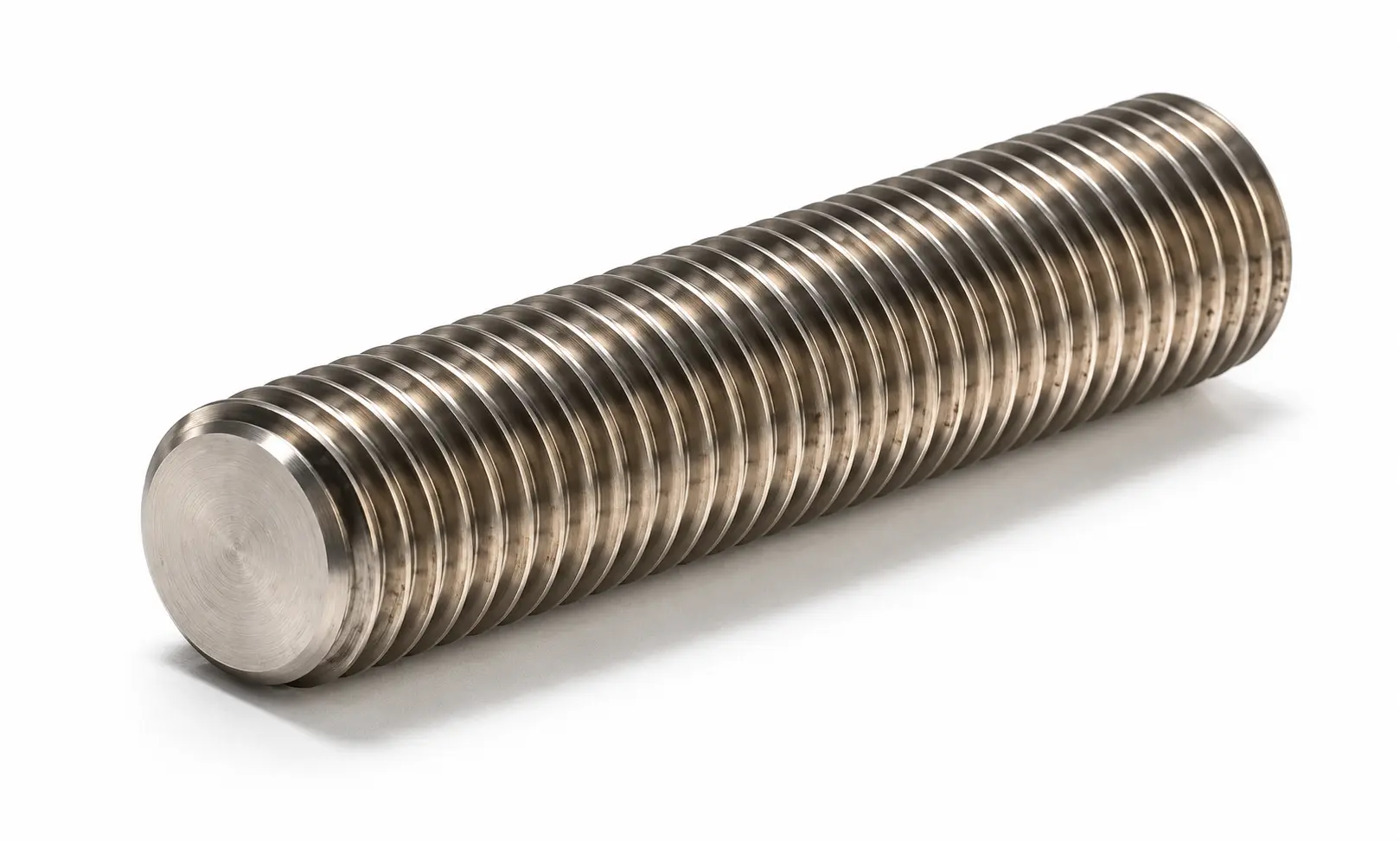
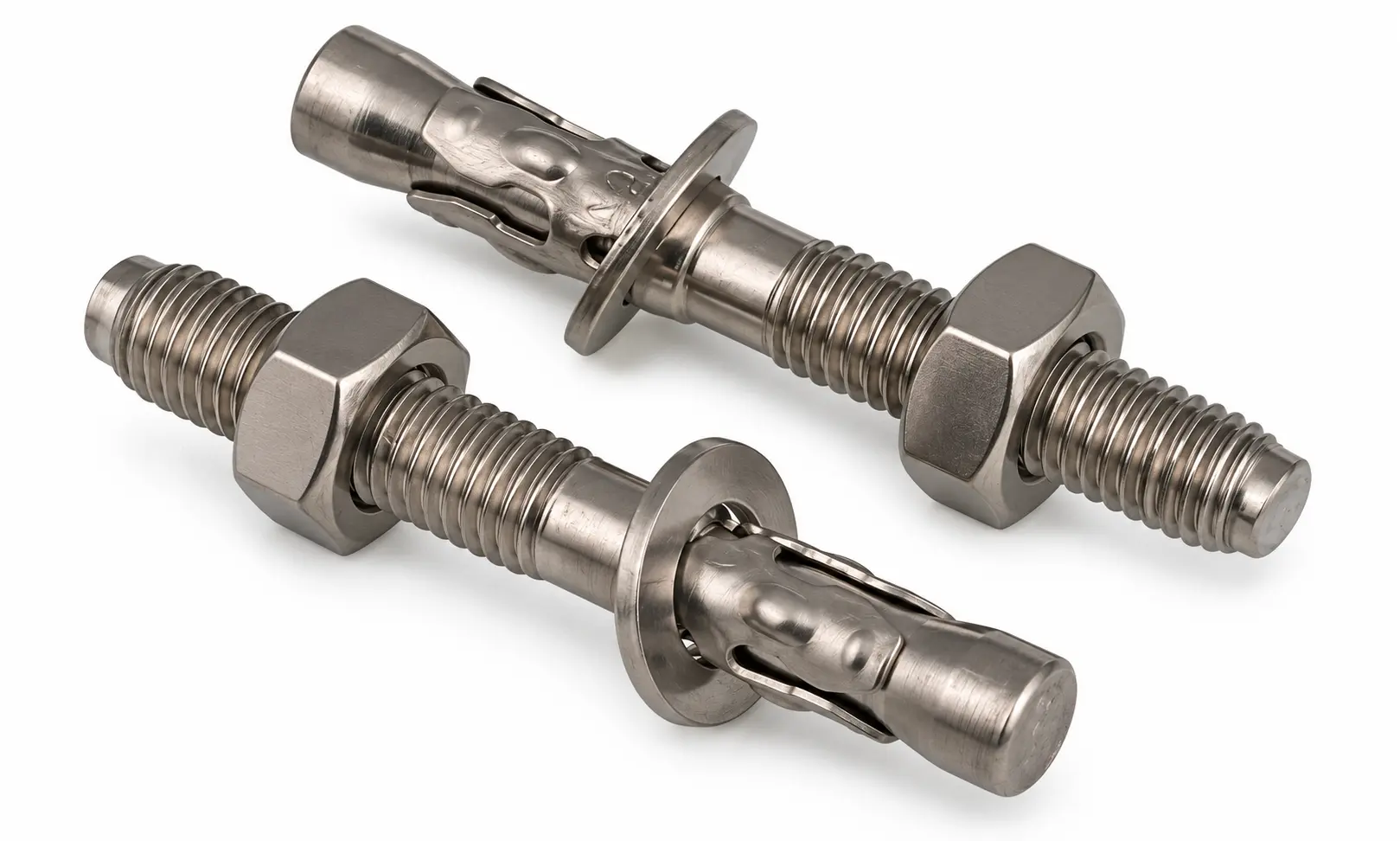
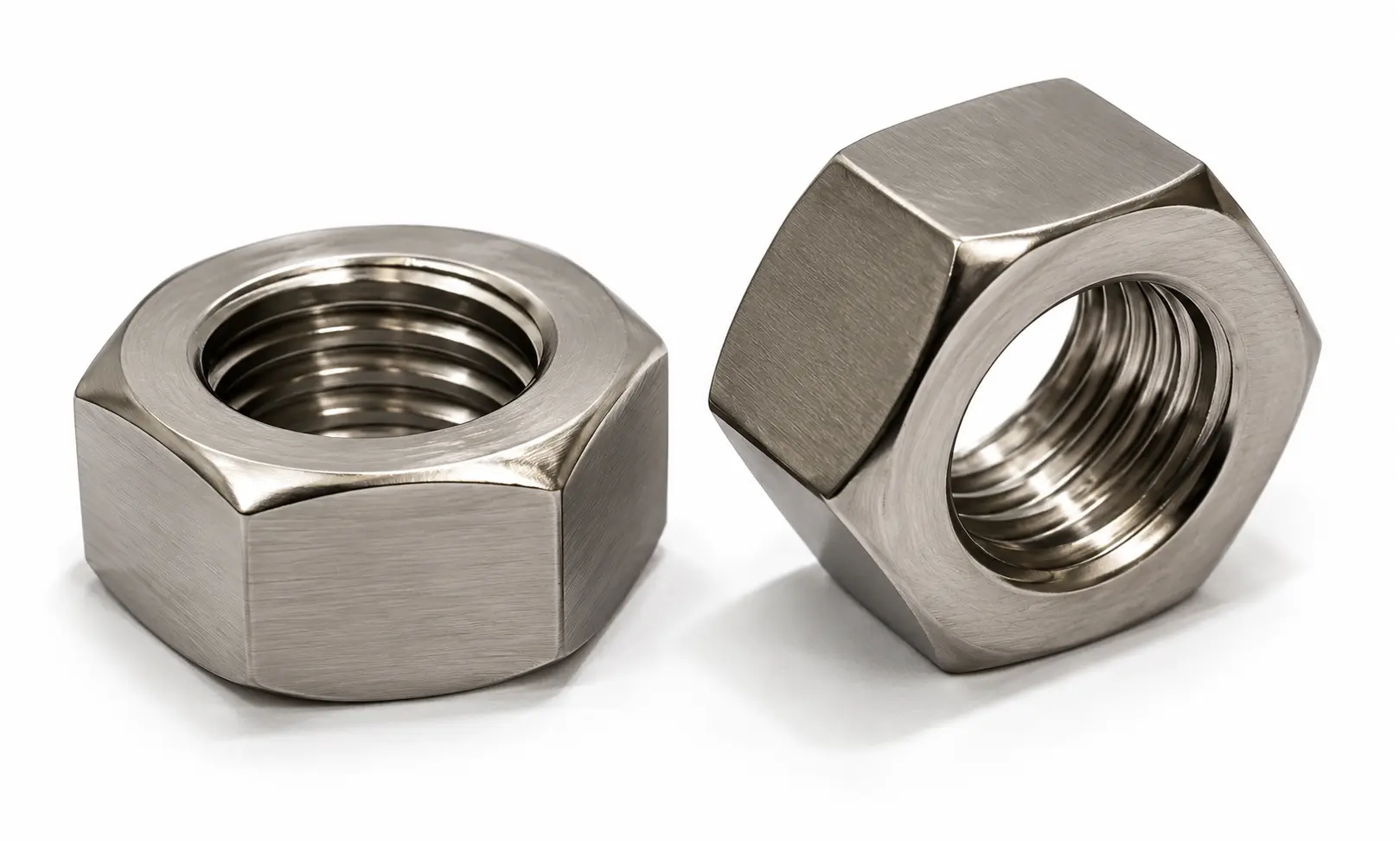
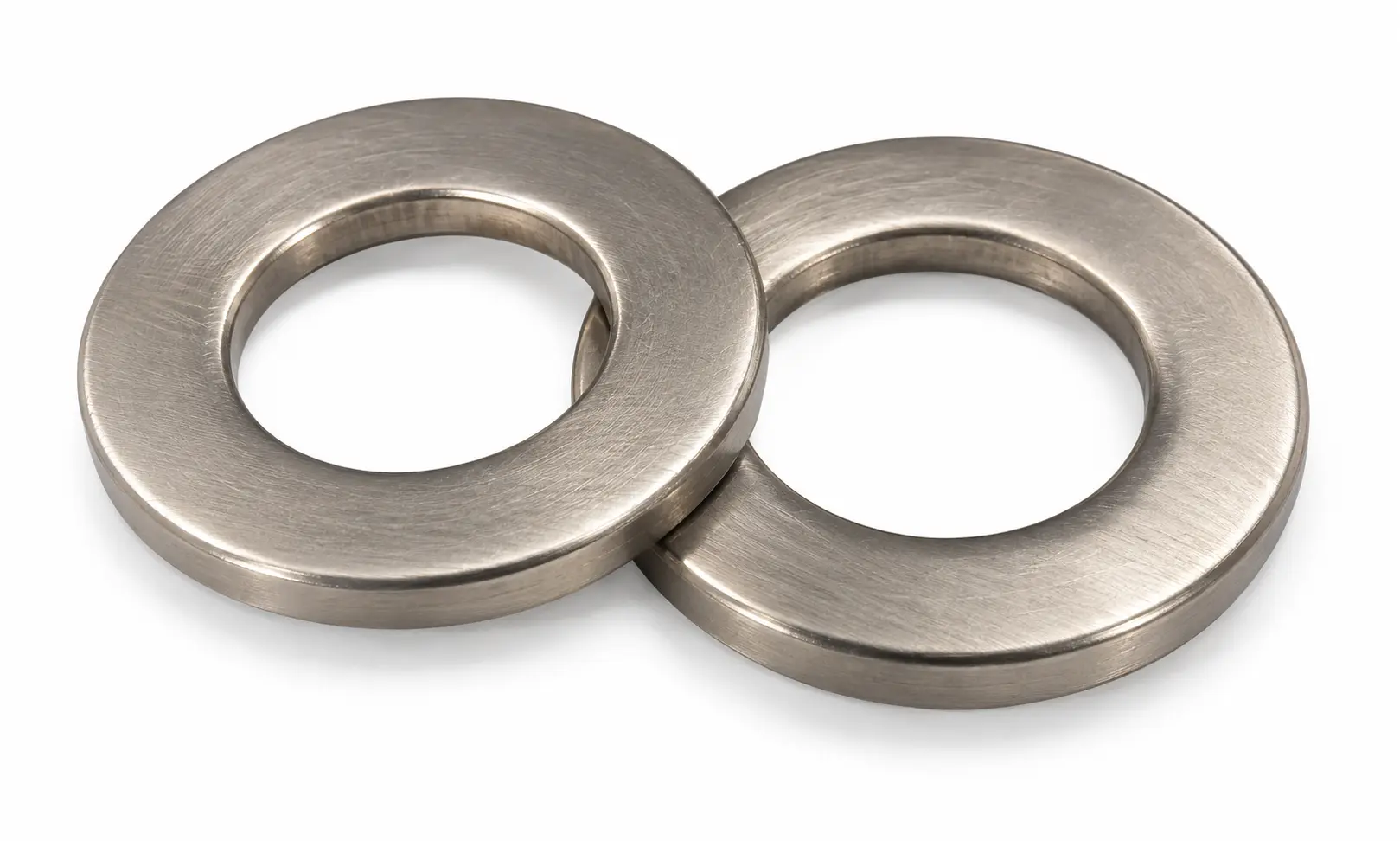
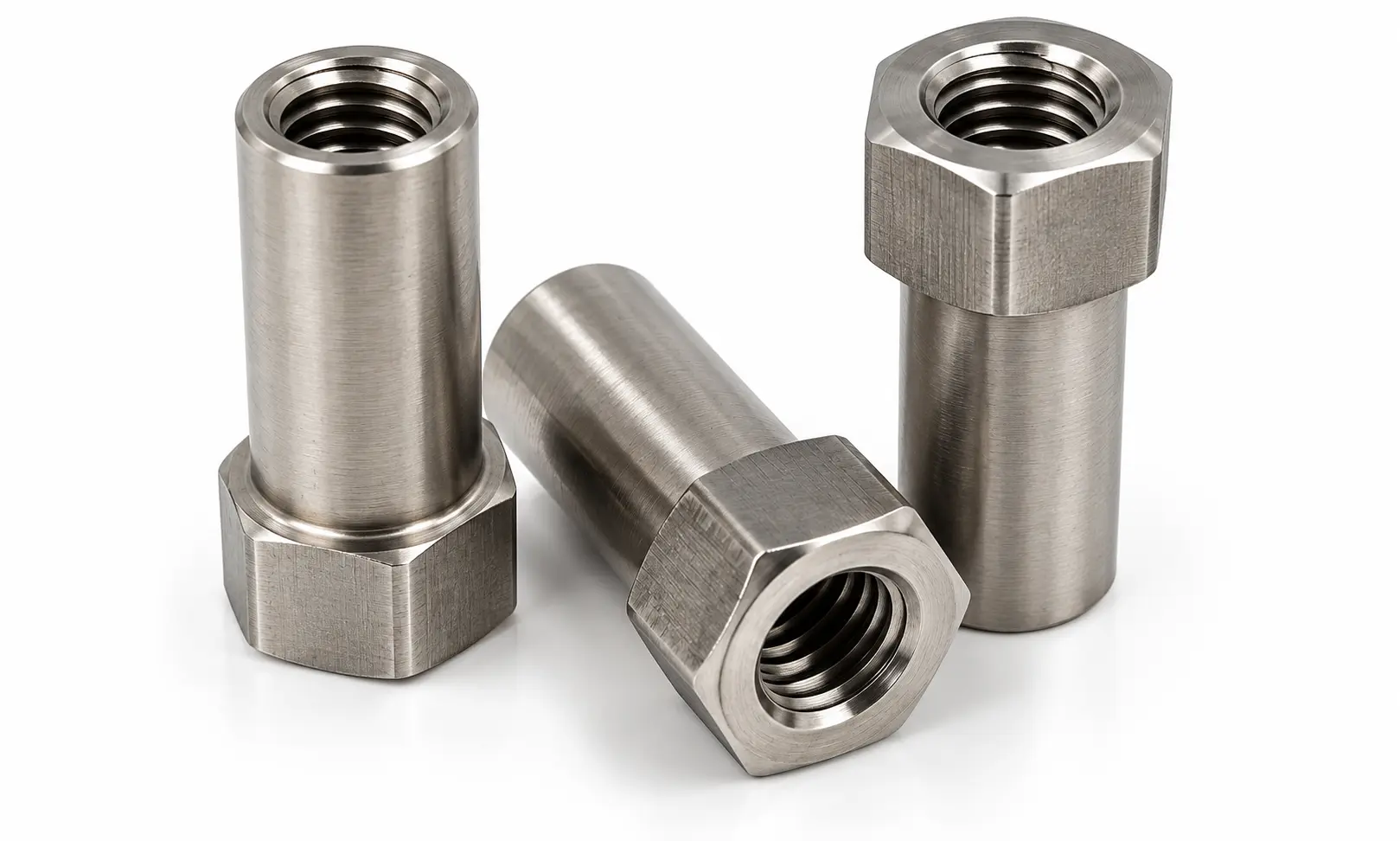
Resistance to caustic alkalis is what commercially pure nickel is for, and nothing else matches it. Special Metals describe Nickel 200 as
unexcelled in resistance to caustic alkalies, and that is not marketing language — nickel handles sodium hydroxide at every concentration and every temperature, including the molten state, where stainless steels, the copper alloys and even most nickel
alloys fail. It is the standard material of construction for caustic soda evaporators, concentrators and storage in the chlor-alkali industry, and for potassium hydroxide service. Nickel also resists the alkaline and neutral salt solutions that accompany those duties. The one caution within caustic service is that concentrated caustic above roughly 300 °C can cause caustic stress-corrosion cracking in stressed, non-stress-relieved material, so heavily cold-worked or welded components for hot concentrated service should be stress relieved.
Beyond caustic, nickel's corrosion profile follows a clear rule: it is good in reducing conditions and poor in oxidising ones. It resists distilled and natural waters, neutral and alkaline salt solutions, the organic acids, dry halogens including chlorine and fluorine gas at elevated temperature, and non-oxidising mineral acids where oxygen is excluded — dilute deaerated hydrochloric and sulfuric acid are handled, though aeration or any oxidising contaminant changes that immediately. It is also used to maintain product purity in food, synthetic fibre and pharmaceutical handling, because it does not contaminate the product.
The exclusions are specific. Nickel is attacked by
oxidising acids, nitric acid in particular, which it has essentially no resistance to. It is attacked by
oxidising salts — ferric chloride, cupric chloride, hypochlorites and persulfates. It is attacked by
ammonia and ammonium hydroxide above about 1% concentration when oxygen is present, which rules out aerated ammoniacal service. And it is attacked by
moist sulfur dioxide and by sulfur-bearing gases at temperature, which is a separate and more serious matter covered below.
Sulfur embrittlement is the single most important practical hazard with nickel, and it is a shop-floor problem as much as a service one. Nickel and sulfur form a nickel–nickel sulfide (Ni–Ni₃S₂) eutectic that melts at about
645 °C. If sulfur is present on the surface when nickel is heated above that temperature, the eutectic forms as a liquid film along the grain boundaries and the component fails intergranularly — catastrophically and without warning. The damage is permanent and cannot be heat treated out.
The sulfur usually comes from the workshop, not the process. Sulfur-bearing marking crayons and inks, cutting and forming lubricants, grease, oil, paint, temperature-indicating sticks and even fingerprints are all credible sources. The rule is absolute:
nickel must be thoroughly cleaned and degreased before any heating operation — annealing, stress relieving, welding, brazing or hot forming — and only sulfur-free marking materials and lubricants should ever be used on it. Furnace atmospheres must likewise be sulfur-free; fuel-fired furnaces burning sulfur-bearing fuel are not acceptable. In service, nickel should not be used in sulfur-bearing atmospheres at elevated temperature at all.
Nickel is ferromagnetic, which separates it from every other non-ferrous metal on this site. Copper, titanium, zirconium, tantalum and aluminium fasteners are all non-magnetic; nickel is strongly magnetic at room temperature, with a
Curie temperature of about 360 °C above which it becomes paramagnetic. That matters in two opposite directions. Where a non-magnetic fastener is required — MRI and medical imaging environments, magnetometer and compass proximity, sensitive instrumentation — commercially pure nickel is the wrong choice and titanium or a copper alloy should be specified instead. Where magnetic or magnetostrictive behaviour is wanted, it is precisely the point: nickel has good magnetostrictive properties and is used for transducers, with
Nickel 205 chemistry-modified specifically to raise the magnetostrictive coefficient and the Curie temperature. Nickel also has high thermal and electrical conductivity compared with the nickel alloys, low gas content and low vapour pressure, which is the basis of its use in electron devices.
The carbon limit is the entire reason Nickel 201 exists, and it sets the temperature ceiling. Nickel 200 permits up to
0.15% carbon. Held at temperature above roughly 315 °C, that carbon precipitates out of solution as
graphite at the grain boundaries, and the resulting intergranular film embrittles the metal and destroys its ductility. Nickel 201 is the same metal with carbon restricted to
0.02% maximum, which leaves too little carbon for graphitisation to occur.
The ASME Boiler and Pressure Vessel Code reflects this directly. Both grades are approved for pressure-vessel construction under Section VIII Division 1, but
Nickel 200 is approved only to
315 °C (600 °F) while
Nickel 201 is approved to
677 °C (1250 °F) — a difference of more than 360 degrees from a single element. Nickel 201's lower carbon also makes it softer and more ductile in the annealed condition, with a lower work-hardening rate, so it is preferred for spinning, deep drawing and severe cold forming even where temperature is not a factor. If a nickel component will run hot, specify 201.
Galvanically, nickel sits in the middle of the series. It is more noble than carbon steel, aluminium and zinc, so a nickel fastener will drive corrosion of those materials and should be isolated from them with non-conducting washers and sleeves or a barrier coating. It is close to copper and the copper alloys and compatible with them in most service. It is less noble than the passive stainless steels, titanium and the high-molybdenum nickel alloys, so in a seawater joint with those materials the nickel is the part that suffers. Nickel is also subject to pitting and crevice attack in stagnant seawater and chloride solutions, which is why the copper-nickels and Monel — not pure nickel — are the usual marine choices in this family.
How these six grades divide. They fall into two families. The
structural and process grades are
Nickel 200 and
Nickel 201, which are the same metal differing only in carbon — 0.15% against 0.02% — and therefore in service temperature, 315 °C against 677 °C under ASME Section VIII. Use 200 for ambient and near-ambient caustic and process duty, and 201 whenever the part will run hot or needs severe cold forming. The
electronic and special-purpose grades are controlled to much tighter residual levels under ASTM F3 and F290:
Nickel 205 is magnesium-modified for a high magnetostrictive coefficient and Curie temperature;
Nickel 233 is held to closely controlled low-residual levels for active cathodes and vacuum-tube anodes;
Nickel 270 is the purest at 99.9% minimum, made by powder metallurgy, with very low base hardness and high ductility; and
Nickel 211 is the outlier — a nickel-manganese alloy with 4.25–5.25% manganese, harder than the pure grades.