+91 97734 41022 sales@exoticalloy.com
Material Specification

Nickel 200

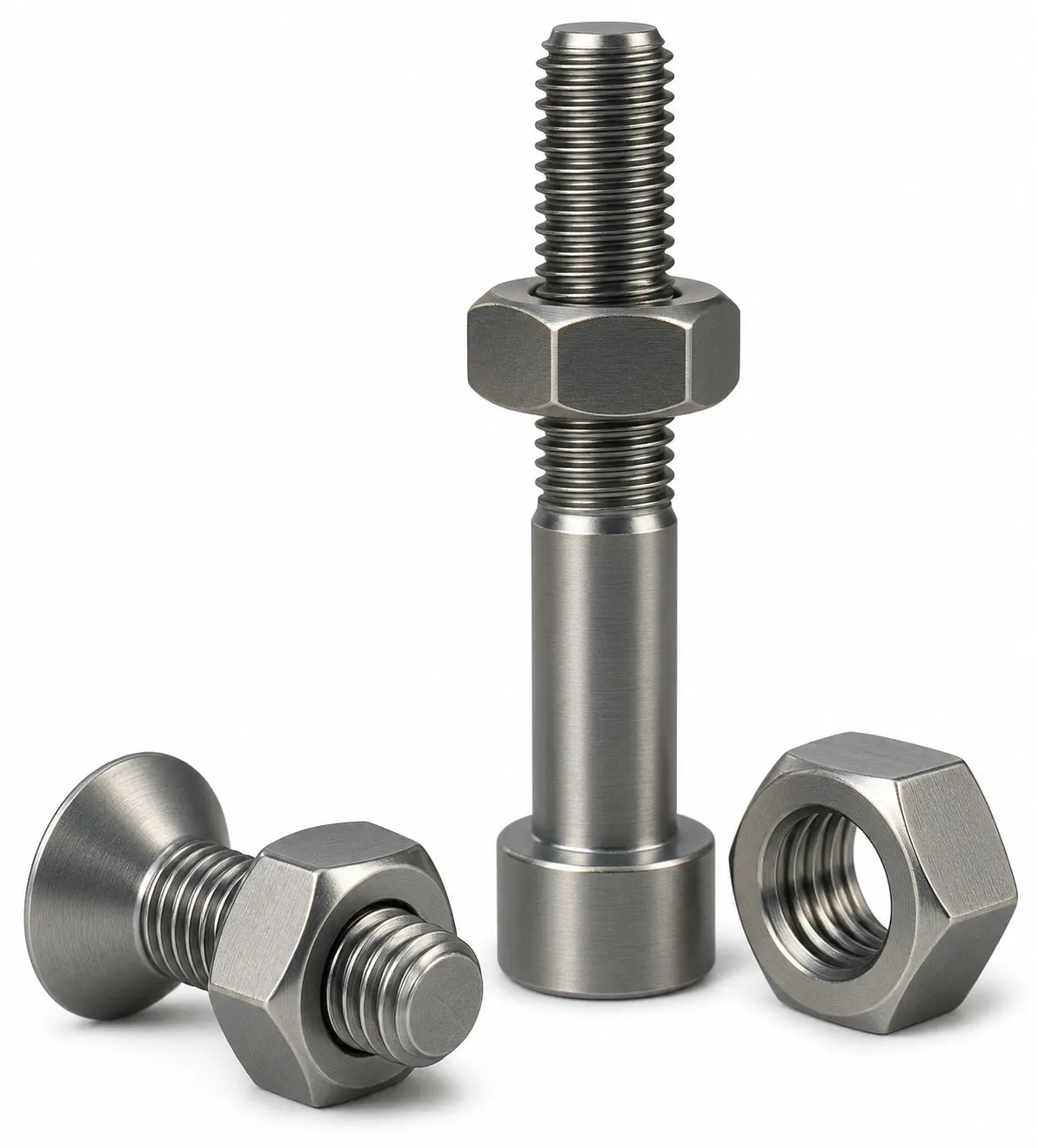
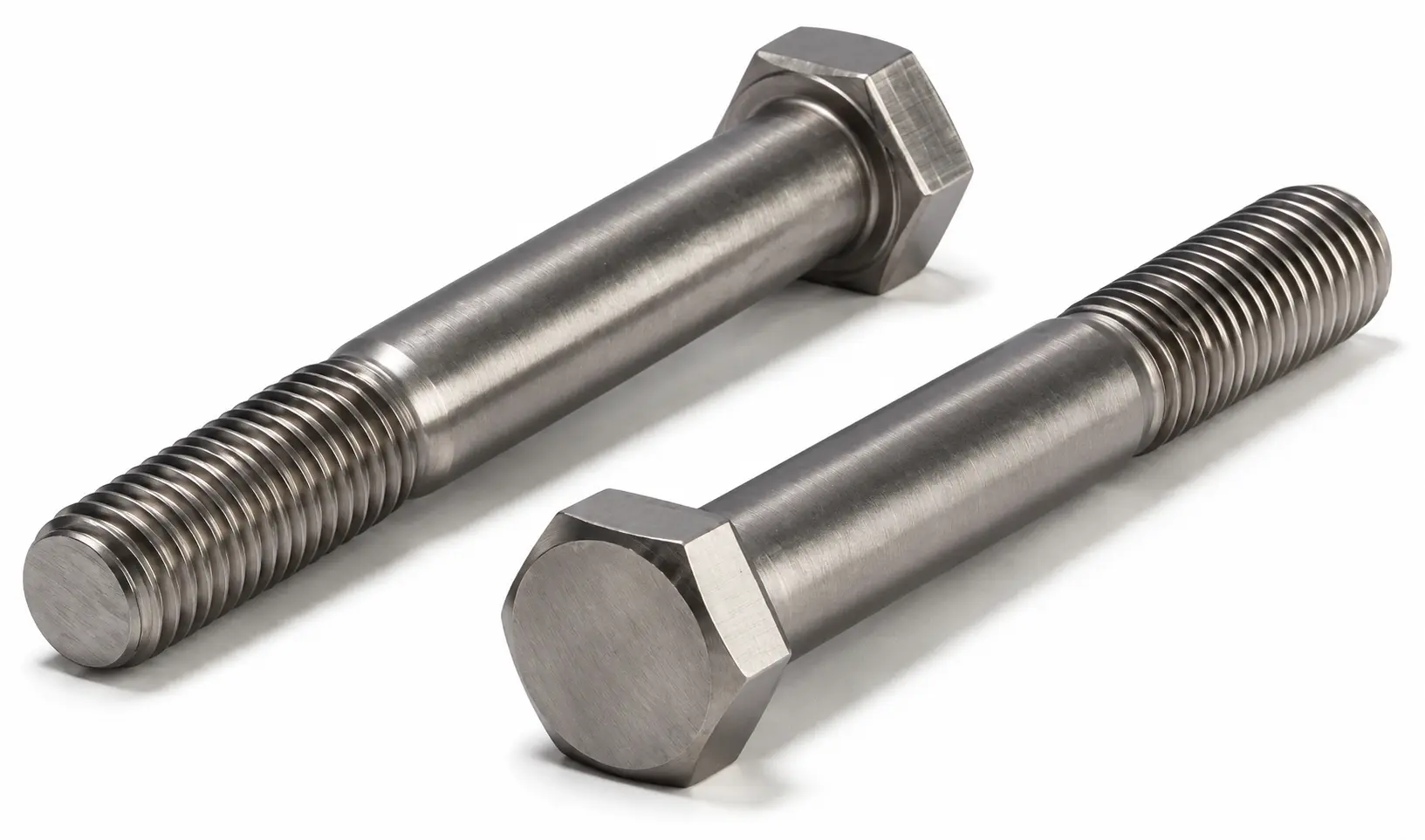
Nickel 200 Fasteners
Commercially Pure Nickel — 99.0% Ni Minimum

Nickel 200 Fasteners

Nickel 200 is commercially pure wrought nickel — UNS N02200, Werkstoff 2.4060 and 2.4066 — specified at 99.0% nickel plus cobalt minimum with copper to 0.25%, iron to 0.40%, manganese and silicon to 0.35% each, carbon to 0.15% and sulfur to 0.01%. Typical material runs around 99.6% nickel. It is the base grade of the commercially pure nickel family and the one most process equipment is built from.

Nickel 200 is bought above all for its resistance to caustic alkalis, where Special Metals describe it as unexcelled — it handles sodium hydroxide at all concentrations and temperatures including molten, which is why it dominates caustic evaporator and chlor-alkali construction. It also maintains product purity in food, synthetic fibre and pharmaceutical handling, and offers high thermal and electrical conductivity, useful magnetic and magnetostrictive properties, low gas content and low vapour pressure. The one limit to design around is carbon: at 0.15% maximum, Nickel 200 graphitises above about 315 °C and is ASME-approved only to that temperature. For hot service specify Nickel 201.

Request a Quote
Product Range

Nickel 200 Fasteners Available

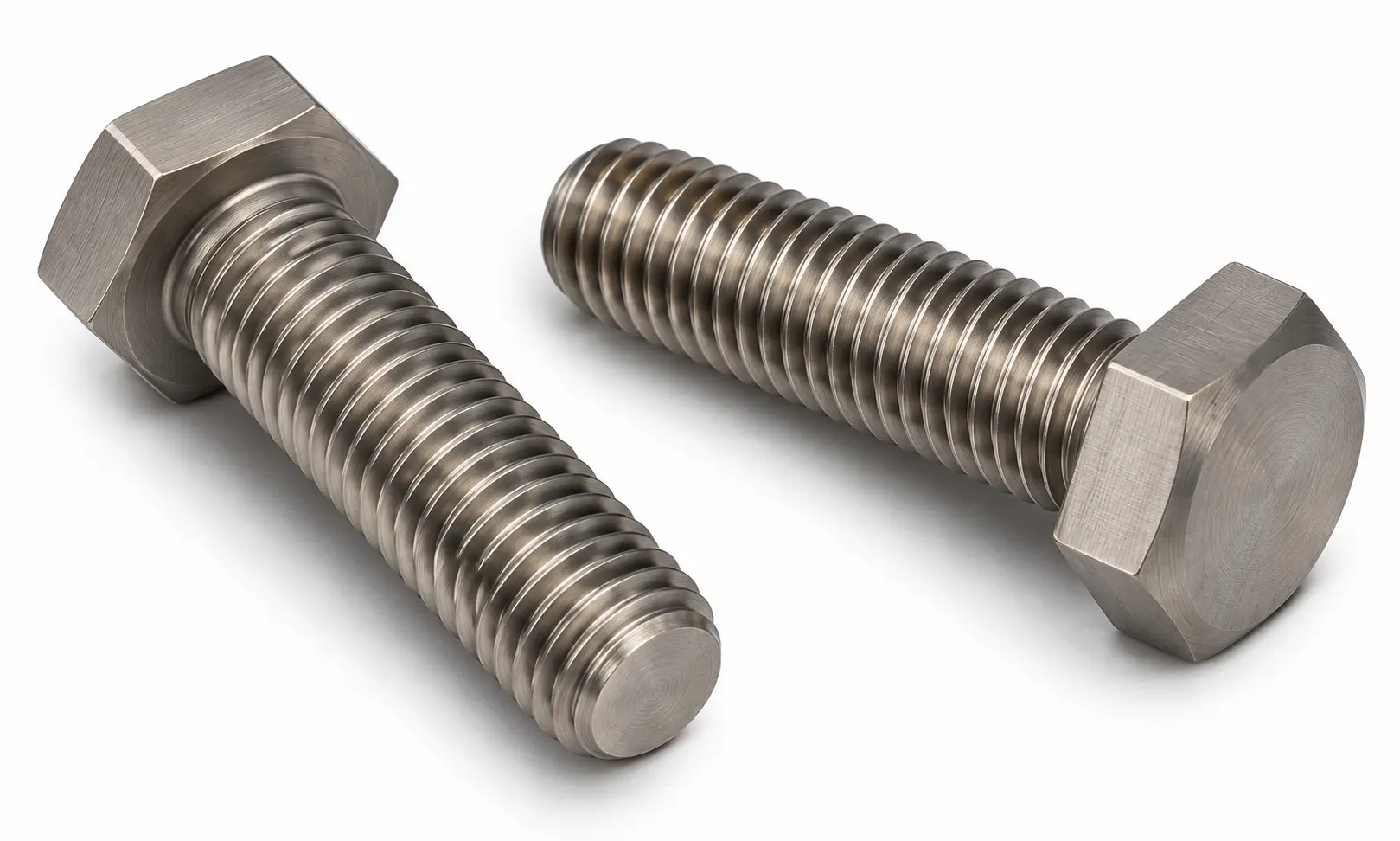
Nickel 200 Hex Bolts
Nickel 200
Hex Bolts
Nickel 200 Heavy Hex Bolts
Nickel 200
Heavy Hex Bolts
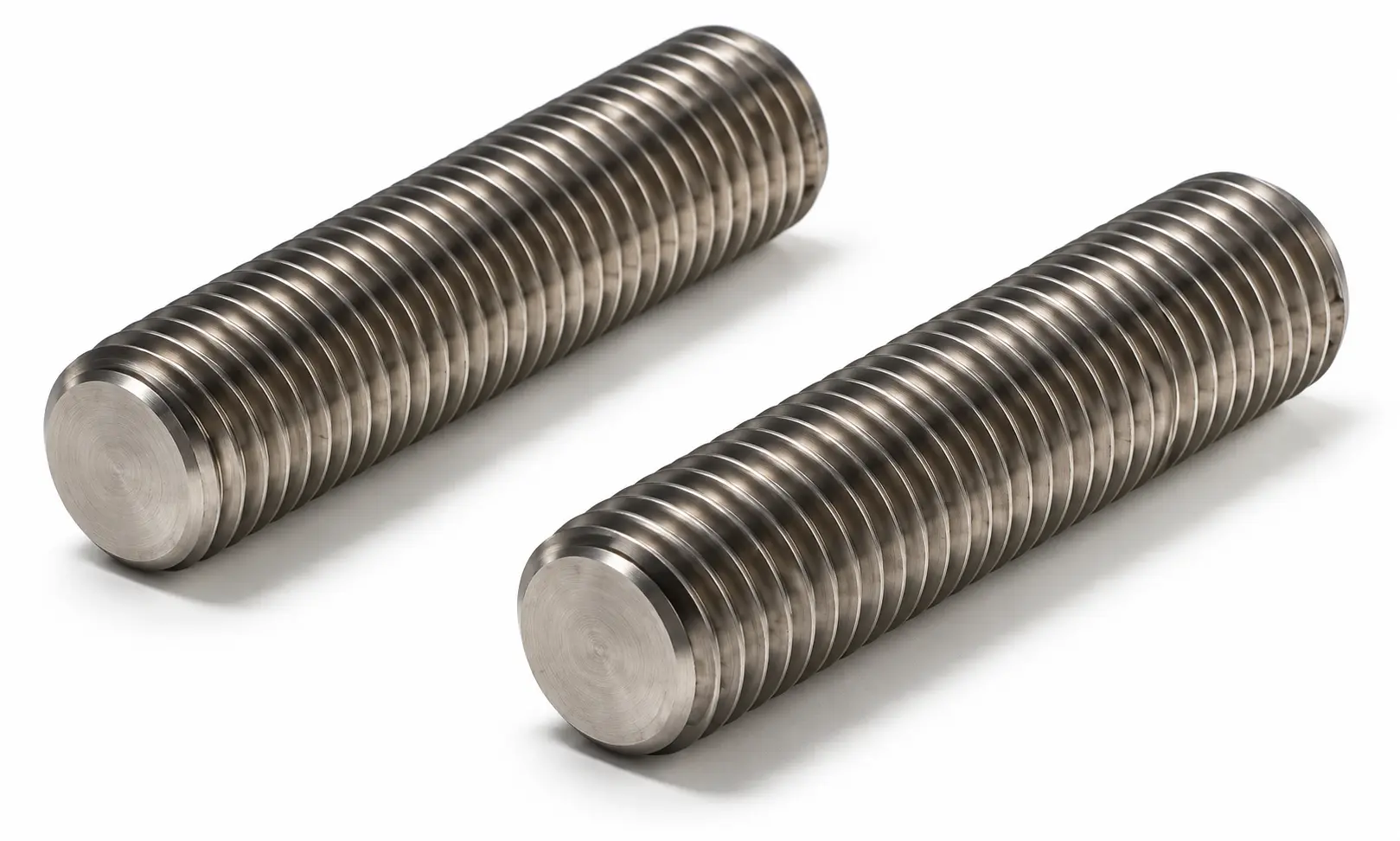
Nickel 200 Stud Bolts
Nickel 200
Stud Bolts
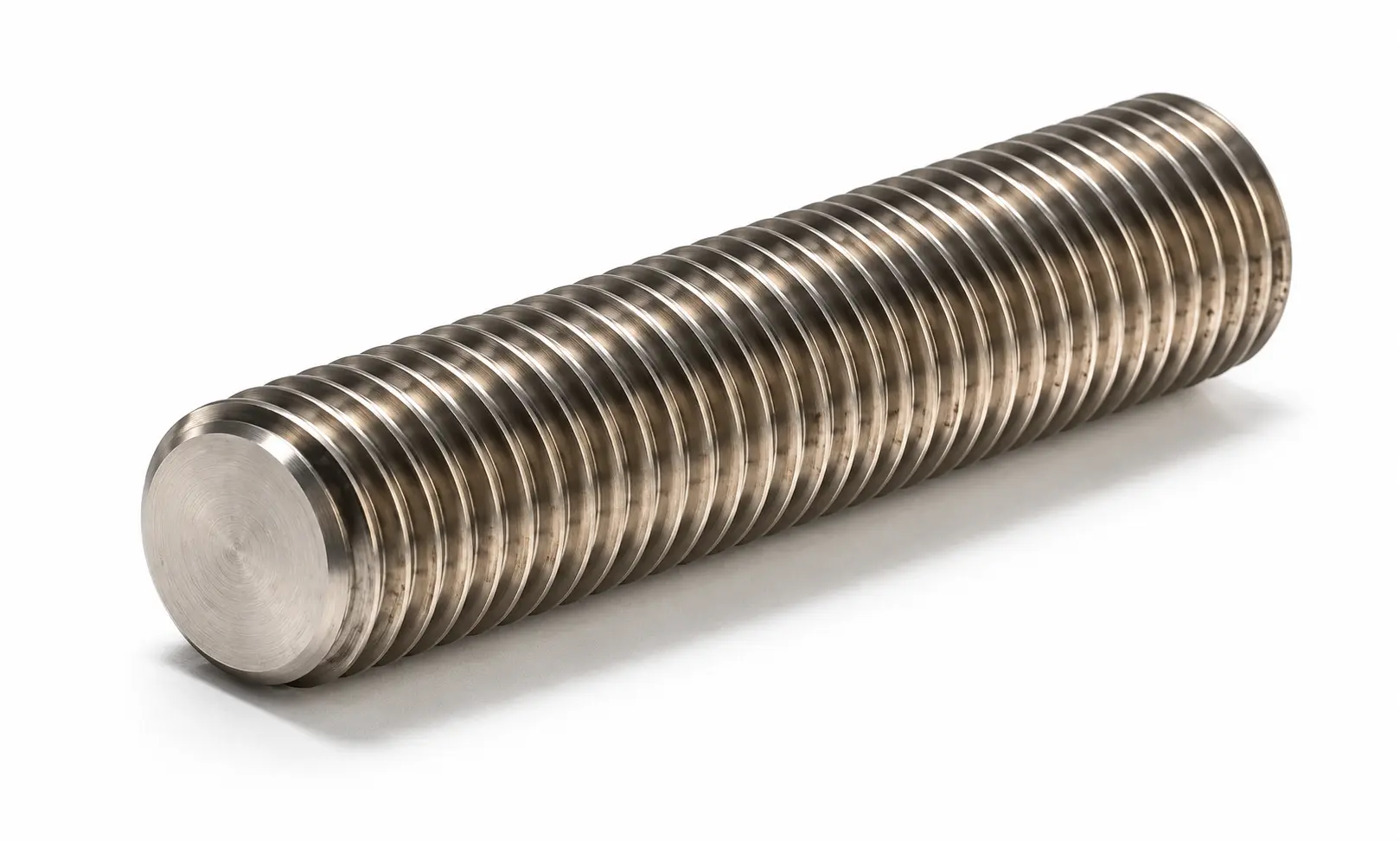
Nickel 200 Threaded Rods
Nickel 200
Threaded Rods
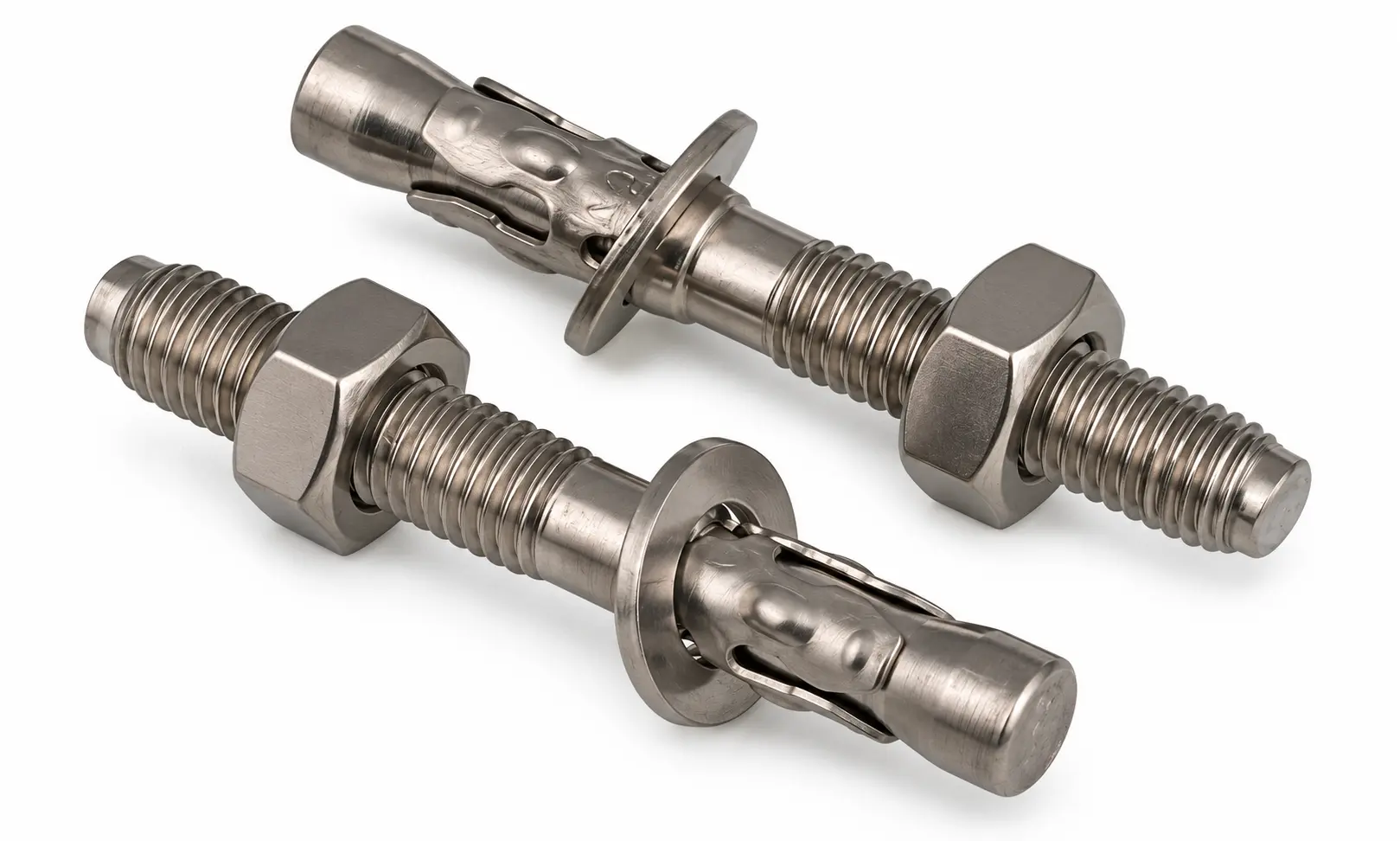
Nickel 200 Anchor Bolts
Nickel 200
Anchor Bolts
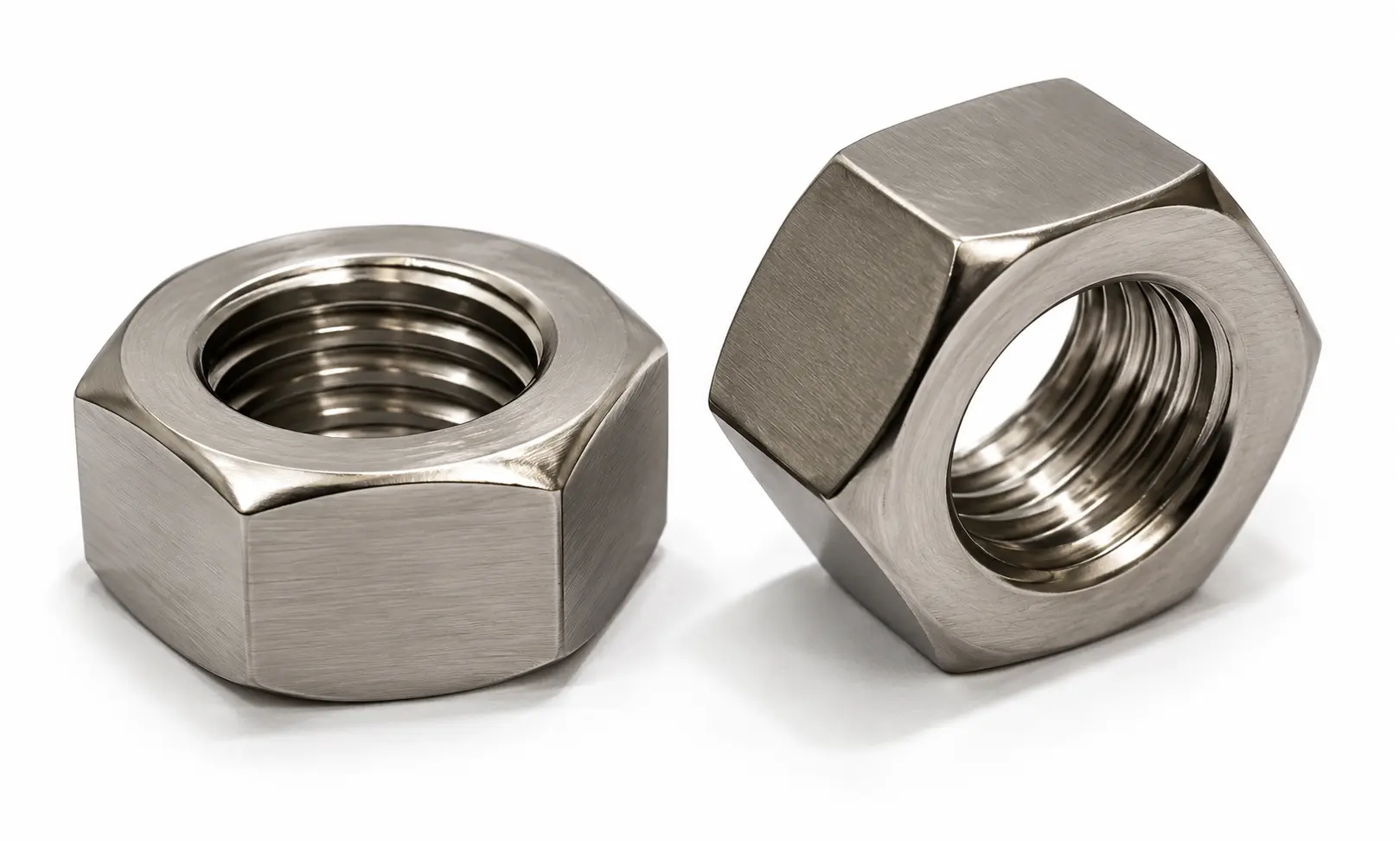
Nickel 200 Hex Nuts
Nickel 200
Hex Nuts
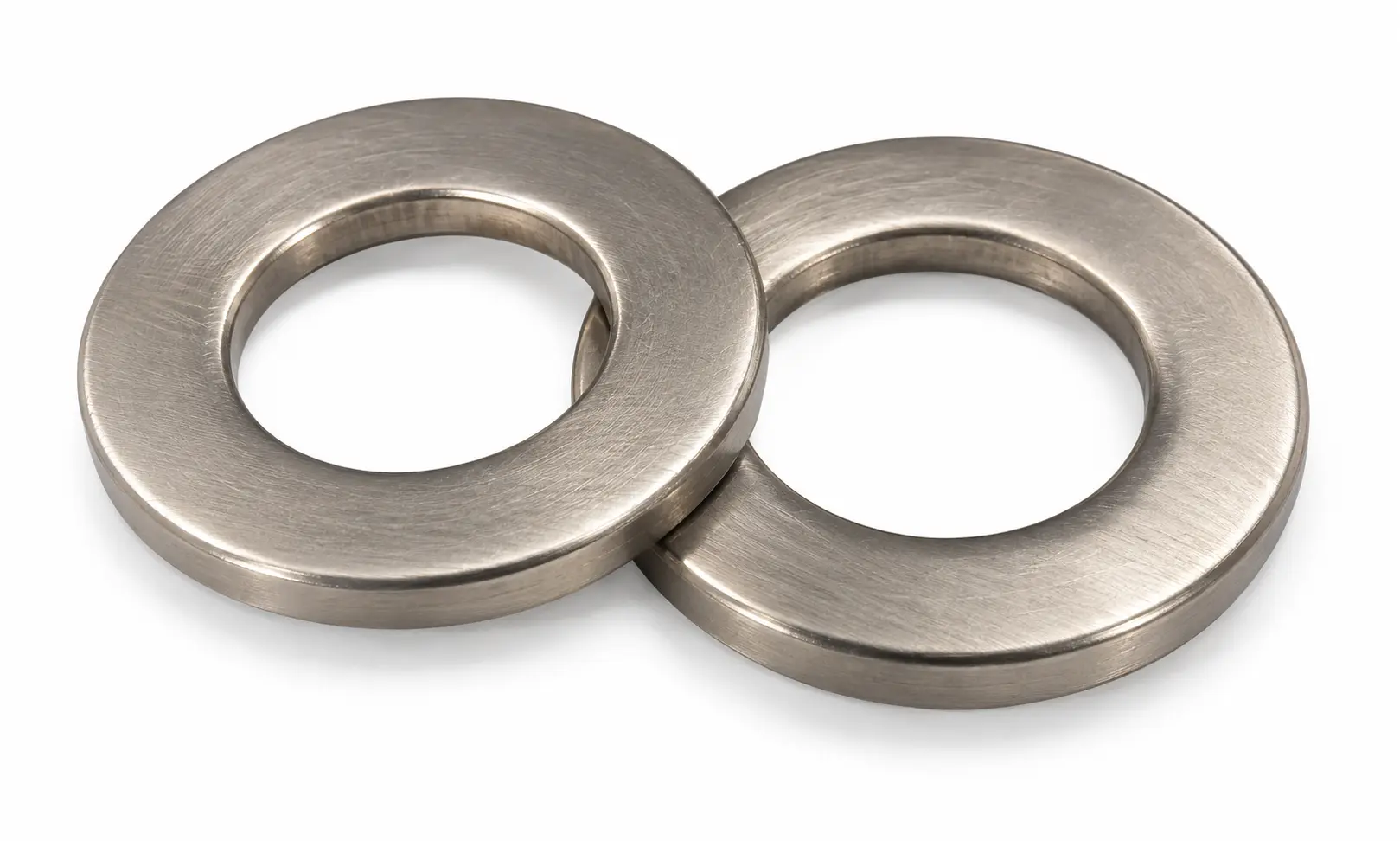
Nickel 200 Washers
Nickel 200
Washers
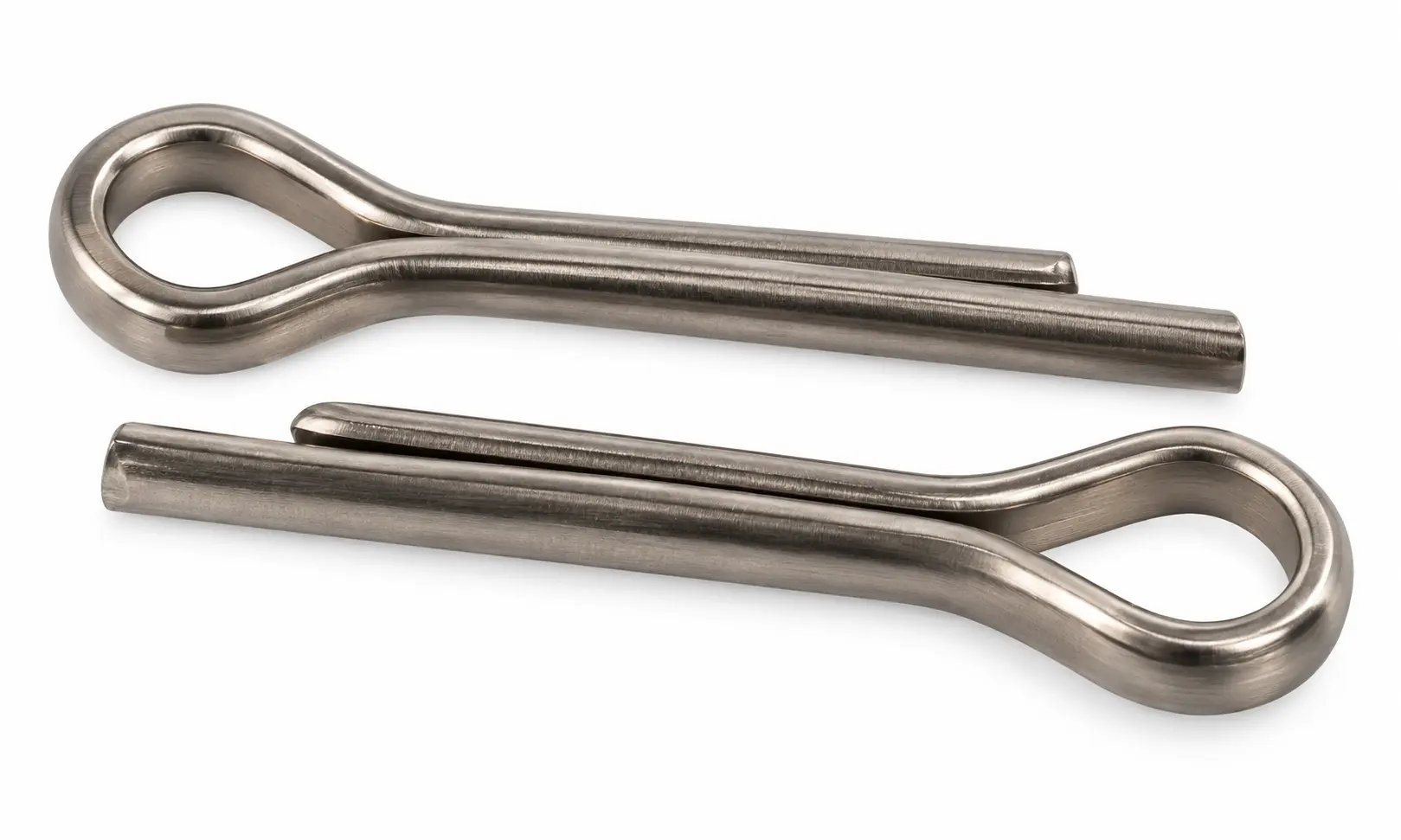
Nickel 200 Cotter Pins
Nickel 200
Cotter Pins
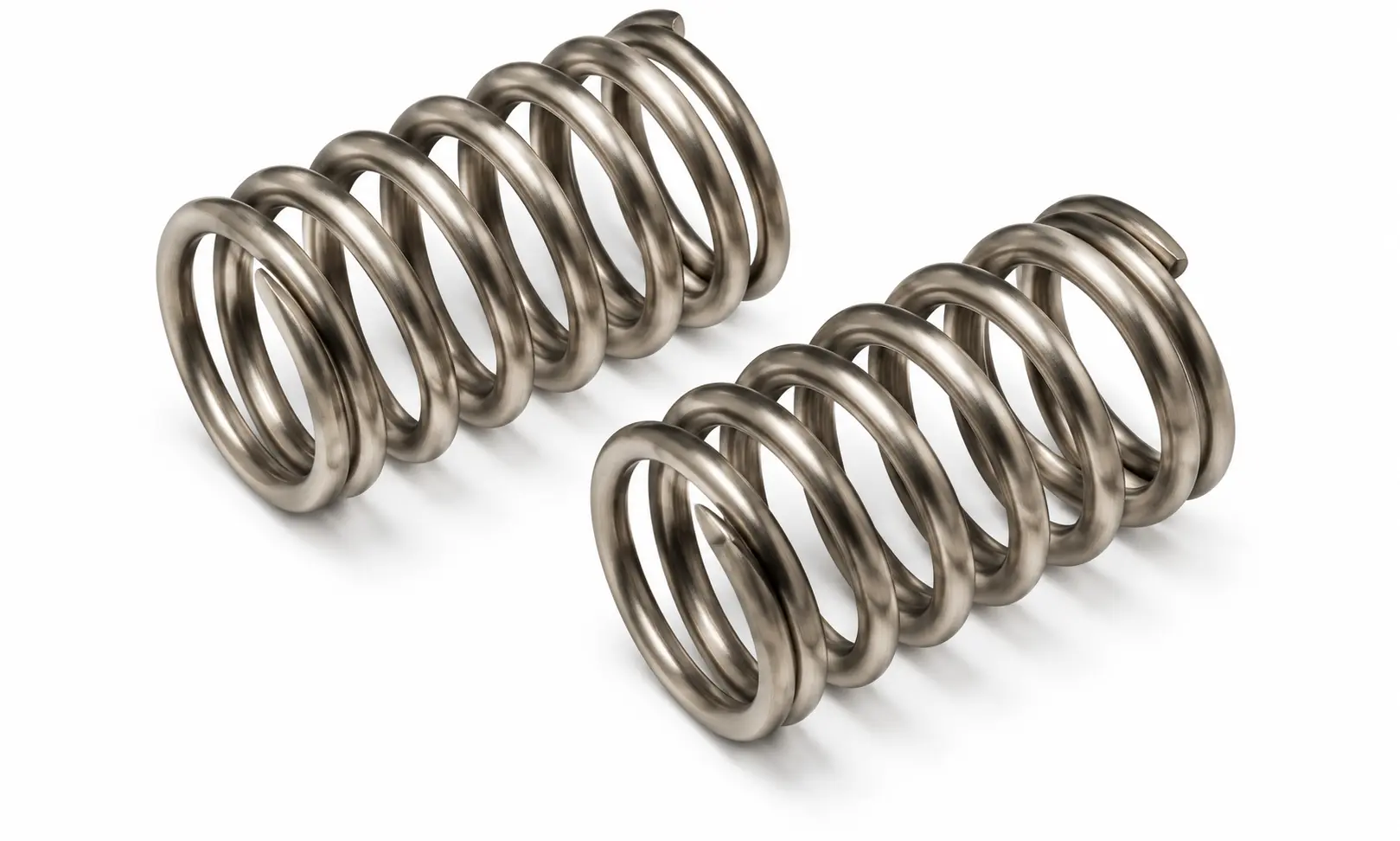
Nickel 200 Springs
Nickel 200
Springs
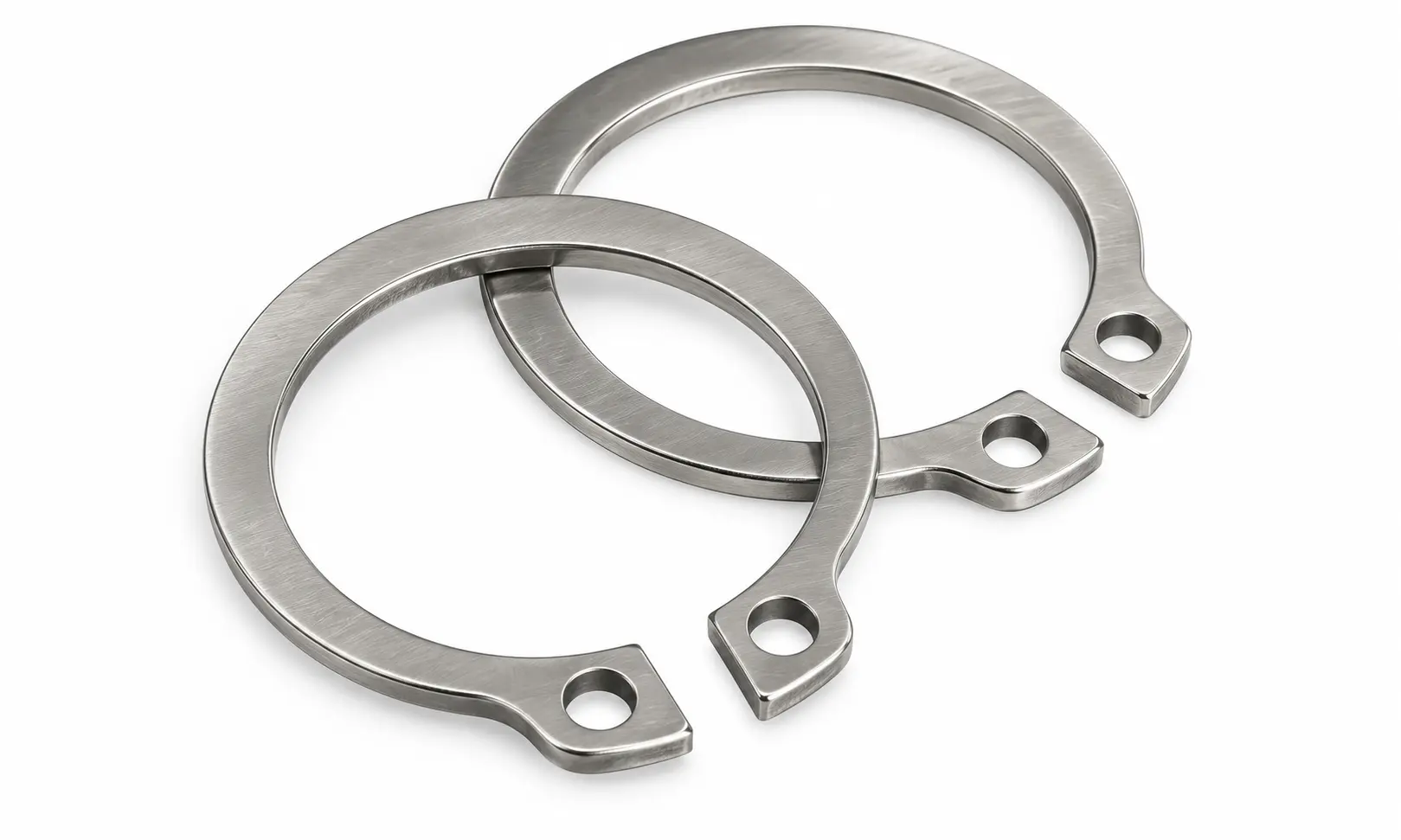
Nickel 200 Circlips
Nickel 200
Circlips
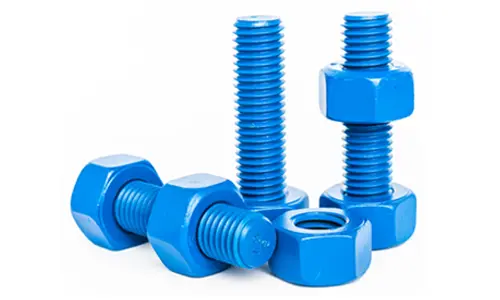
Nickel 200 Coated Fasteners
Nickel 200
Coated Fasteners
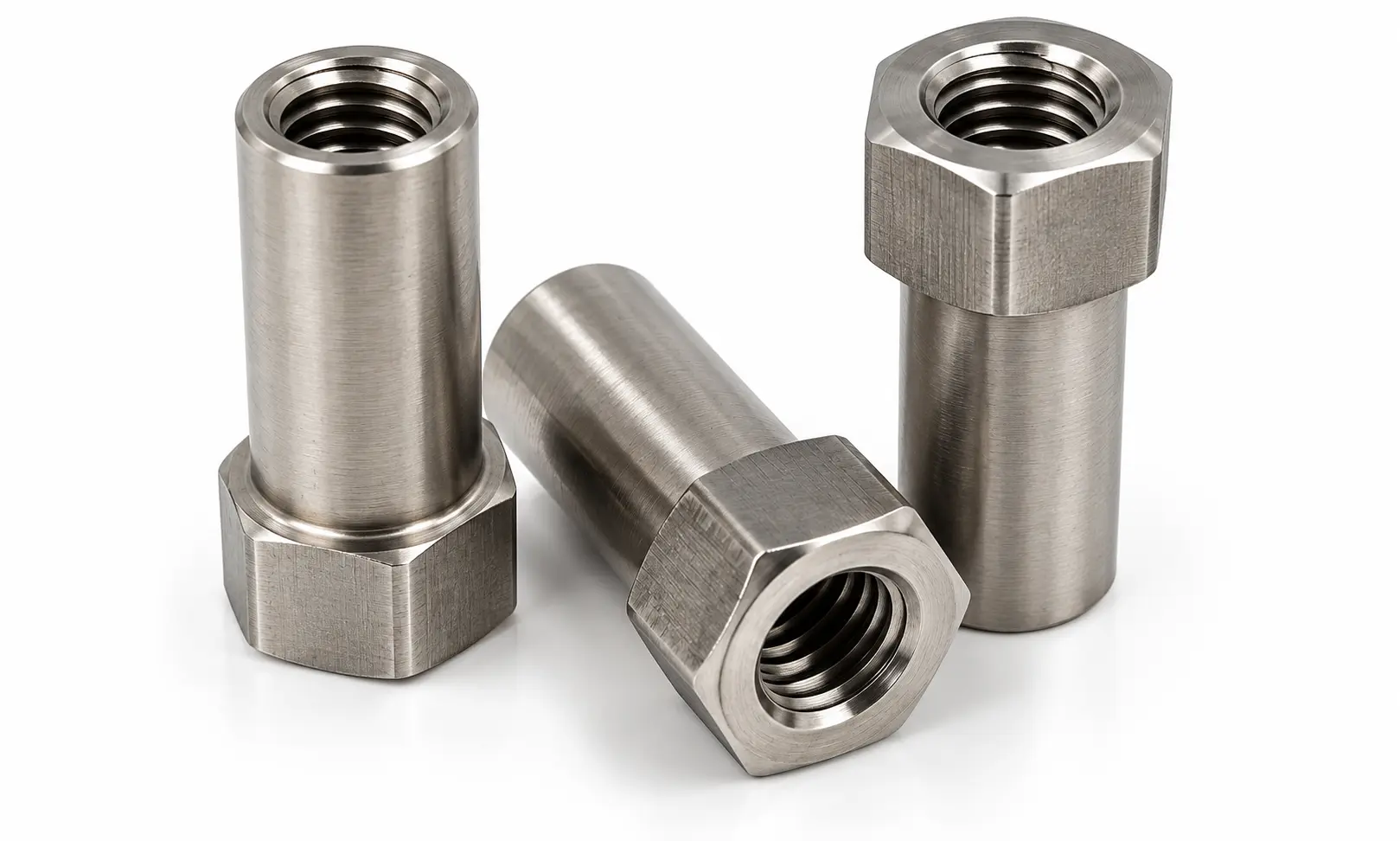
Nickel 200 Custom Spacers
Nickel 200
Custom Spacers
Technical Data

Nickel 200 Specifications

Chemical Composition — Nickel 200 (wt. %)
ElementMinimum %Maximum %
Nickel (plus cobalt)99.0—
Carbon (C)—0.15
Copper (Cu)—0.25
Iron (Fe)—0.40
Manganese (Mn)—0.35
Silicon (Si)—0.35
Sulfur (S)—0.01
Mechanical Properties — Nickel 200
ConditionUTS (MPa)YS 0.2% (MPa)Elongation (%)Hardness
Rod & bar, annealed380–520105–21055–4090–120 HB
Rod & bar, hot-finished415–585105–31055–3590–150 HB
Rod & bar, cold-drawn450–760275–69035–10140–230 HB
Plate, hot-rolled annealed380–550105–27560–4090–140 HB
Plate, hot-rolled380–690140–55055–35100–150 HB
Sheet, annealed380–520105–21055–4070 HRB max
Sheet, hard620–795480–72515–290 HRB min
Strip, spring620–895480–79515–295 HRB min
Physical Properties
Density8.89 g/cm³ (0.321 lb/in³)
Melting Range1435–1446 °C (2615–2635 °F)
Curie Temperature360 °C (680 °F)
Specific Heat456 J/kg·°C (0.109 Btu/lb·°F)
Magnetic ResponseFerromagnetic below the Curie temperature
Maximum ASME Service Temperature315 °C (600 °F) — Section VIII Division 1
Crystal StructureFace-centred cubic (FCC)
Hardenable by Heat TreatmentNo — strength from cold work only
Equivalent Grades & Standards
UNSWerkstoff Nr.ASTM SpecificationCommon Name
N02200 2.4060 / 2.4066 ASTM B160, B161, B162, B163 Nickel 200, Alloy 200, CP Nickel

Key Specifications: ASTM B160 (Rod & Bar) / ASTM B161 (Seamless Pipe & Tube) / ASTM B162 (Plate, Sheet & Strip) / ASTM B163 (Seamless Tube for Condensers & Heat Exchangers) / ASTM B366 (Fittings) / ASTM B564 (Forgings) / ASTM B725 (Welded Pipe) / ASTM B730 (Welded Tube) / ASME SB-160, SB-161, SB-162 and SB-163.

Nickel 200 is approved for pressure-vessel construction under the ASME Boiler and Pressure Vessel Code Section VIII Division 1 up to 315 °C (600 °F). Above that temperature specify Nickel 201, which is code-approved to 677 °C.

Commercially pure nickel is not covered by the ASTM nonferrous fastener standards. ASTM F468 and F467 do carry nickel materials — alloys 400, 405, 500, 625, 276, 335, 59 and 686 — but Nickel 200 and 201 are not among them, and neither are the electronic grades. Fasteners in commercially pure nickel are therefore manufactured from material certified to the mill product standards, with thread conformance to the applicable ASME or ISO standard and acceptance criteria agreed on the order. This is worth stating plainly because the F468 nickel listing invites the assumption that all nickel materials are covered; they are not.

On strength: annealed commercially pure nickel runs roughly 380–520 MPa tensile with 105–210 MPa yield, against 830 MPa for an ordinary ASTM A325 structural steel bolt. Cold drawing lifts it to 450–760 MPa, but nickel fasteners are specified for caustic resistance, product purity, magnetic or magnetostrictive behaviour, electrical and thermal conductivity and electron-device compatibility — not for load. Where high strength is needed in a nickel-base material, Monel 400, Monel K-500 or Inconel 625 are the alternatives, and all three are covered by F468.

Every nickel order ships with EN 10204 3.1 certification giving the heat analysis against the controlling limits, the mechanical test results for the product form and condition supplied, and the temper or condition. Carbon content is reported explicitly on Nickel 200 and 201 because it is what separates the two grades and sets the service temperature ceiling. Positive material identification, sulfur analysis, grain-size assessment and certification of sulfur-free processing can all be added at order stage.

Forming: annealed nickel has low hardness with good ductility and malleability, and a relatively low work-hardening rate for a face-centred-cubic metal, so it can be cold worked to moderately high strength while keeping useful ductility. It spins, deep draws, bends and cold heads well, and the Special Metals data show annealed rod at 55 to 40% elongation. Nickel 201, with its lower carbon, is softer still and is the preferred grade for severe forming. Threads are rolled rather than cut wherever section permits.

Machining: nickel machines like an austenitic stainless and needs the same discipline. It is tough and gummy, it work hardens ahead of the tool, and it will glaze a surface and ruin tool life if the tool is allowed to rub rather than cut. Rigid setups, sharp positive-rake tooling, a positive feed that keeps the cut below the work-hardened layer, reduced surface speeds and generous flood lubricant are all required. Interrupted cuts and dwelling are particularly damaging.

Welding: nickel has good weldability by GTAW, GMAW, SMAW and resistance processes, and is readily brazed and soldered. Two cautions apply. First and most important, every surface must be cleaned of sulfur-bearing contamination before welding — see the sulfur embrittlement note. Second, molten nickel is sluggish and does not flow like steel, so joint preparation needs wider included angles and the weld pool must be placed rather than allowed to run. Nickel 201 or a matching low-carbon filler is used where the weldment will see elevated temperature.

Heat treatment: commercially pure nickel is not hardenable by heat treatment. There is no transformation and no precipitation reaction to exploit, so strength comes only from cold work, and the only thermal treatments that change properties are stress relieving and annealing. Annealing restores the soft, ductile condition and removes cold-worked strength permanently; stress relieving at a lower temperature removes residual stress while retaining most of the strength, and is worth specifying for components that will see hot concentrated caustic, where residual stress contributes to caustic stress-corrosion cracking.

Every thermal operation must be preceded by thorough cleaning and degreasing, and run in a sulfur-free atmosphere. This is not a quality preference but a hard requirement — see the sulfur embrittlement note below. For Nickel 200 specifically, remember that prolonged exposure above about 315 °C causes graphitisation regardless of atmosphere; where heat is involved in service rather than processing, specify Nickel 201.

Resistance to caustic alkalis is what commercially pure nickel is for, and nothing else matches it. Special Metals describe Nickel 200 as unexcelled in resistance to caustic alkalies, and that is not marketing language — nickel handles sodium hydroxide at every concentration and every temperature, including the molten state, where stainless steels, the copper alloys and even most nickel alloys fail. It is the standard material of construction for caustic soda evaporators, concentrators and storage in the chlor-alkali industry, and for potassium hydroxide service. Nickel also resists the alkaline and neutral salt solutions that accompany those duties. The one caution within caustic service is that concentrated caustic above roughly 300 °C can cause caustic stress-corrosion cracking in stressed, non-stress-relieved material, so heavily cold-worked or welded components for hot concentrated service should be stress relieved.

Beyond caustic, nickel's corrosion profile follows a clear rule: it is good in reducing conditions and poor in oxidising ones. It resists distilled and natural waters, neutral and alkaline salt solutions, the organic acids, dry halogens including chlorine and fluorine gas at elevated temperature, and non-oxidising mineral acids where oxygen is excluded — dilute deaerated hydrochloric and sulfuric acid are handled, though aeration or any oxidising contaminant changes that immediately. It is also used to maintain product purity in food, synthetic fibre and pharmaceutical handling, because it does not contaminate the product.

The exclusions are specific. Nickel is attacked by oxidising acids, nitric acid in particular, which it has essentially no resistance to. It is attacked by oxidising salts — ferric chloride, cupric chloride, hypochlorites and persulfates. It is attacked by ammonia and ammonium hydroxide above about 1% concentration when oxygen is present, which rules out aerated ammoniacal service. And it is attacked by moist sulfur dioxide and by sulfur-bearing gases at temperature, which is a separate and more serious matter covered below.

Sulfur embrittlement is the single most important practical hazard with nickel, and it is a shop-floor problem as much as a service one. Nickel and sulfur form a nickel–nickel sulfide (Ni–Ni₃S₂) eutectic that melts at about 645 °C. If sulfur is present on the surface when nickel is heated above that temperature, the eutectic forms as a liquid film along the grain boundaries and the component fails intergranularly — catastrophically and without warning. The damage is permanent and cannot be heat treated out.

The sulfur usually comes from the workshop, not the process. Sulfur-bearing marking crayons and inks, cutting and forming lubricants, grease, oil, paint, temperature-indicating sticks and even fingerprints are all credible sources. The rule is absolute: nickel must be thoroughly cleaned and degreased before any heating operation — annealing, stress relieving, welding, brazing or hot forming — and only sulfur-free marking materials and lubricants should ever be used on it. Furnace atmospheres must likewise be sulfur-free; fuel-fired furnaces burning sulfur-bearing fuel are not acceptable. In service, nickel should not be used in sulfur-bearing atmospheres at elevated temperature at all.

The carbon limit is the entire reason Nickel 201 exists, and it sets the temperature ceiling. Nickel 200 permits up to 0.15% carbon. Held at temperature above roughly 315 °C, that carbon precipitates out of solution as graphite at the grain boundaries, and the resulting intergranular film embrittles the metal and destroys its ductility. Nickel 201 is the same metal with carbon restricted to 0.02% maximum, which leaves too little carbon for graphitisation to occur.

The ASME Boiler and Pressure Vessel Code reflects this directly. Both grades are approved for pressure-vessel construction under Section VIII Division 1, but Nickel 200 is approved only to 315 °C (600 °F) while Nickel 201 is approved to 677 °C (1250 °F) — a difference of more than 360 degrees from a single element. Nickel 201's lower carbon also makes it softer and more ductile in the annealed condition, with a lower work-hardening rate, so it is preferred for spinning, deep drawing and severe cold forming even where temperature is not a factor. If a nickel component will run hot, specify 201.

Nickel is ferromagnetic, which separates it from every other non-ferrous metal on this site. Copper, titanium, zirconium, tantalum and aluminium fasteners are all non-magnetic; nickel is strongly magnetic at room temperature, with a Curie temperature of about 360 °C above which it becomes paramagnetic. That matters in two opposite directions. Where a non-magnetic fastener is required — MRI and medical imaging environments, magnetometer and compass proximity, sensitive instrumentation — commercially pure nickel is the wrong choice and titanium or a copper alloy should be specified instead. Where magnetic or magnetostrictive behaviour is wanted, it is precisely the point: nickel has good magnetostrictive properties and is used for transducers, with Nickel 205 chemistry-modified specifically to raise the magnetostrictive coefficient and the Curie temperature. Nickel also has high thermal and electrical conductivity compared with the nickel alloys, low gas content and low vapour pressure, which is the basis of its use in electron devices.

Galvanically, nickel sits in the middle of the series. It is more noble than carbon steel, aluminium and zinc, so a nickel fastener will drive corrosion of those materials and should be isolated from them with non-conducting washers and sleeves or a barrier coating. It is close to copper and the copper alloys and compatible with them in most service. It is less noble than the passive stainless steels, titanium and the high-molybdenum nickel alloys, so in a seawater joint with those materials the nickel is the part that suffers. Nickel is also subject to pitting and crevice attack in stagnant seawater and chloride solutions, which is why the copper-nickels and Monel — not pure nickel — are the usual marine choices in this family.

How these six grades divide. They fall into two families. The structural and process grades are Nickel 200 and Nickel 201, which are the same metal differing only in carbon — 0.15% against 0.02% — and therefore in service temperature, 315 °C against 677 °C under ASME Section VIII. Use 200 for ambient and near-ambient caustic and process duty, and 201 whenever the part will run hot or needs severe cold forming. The electronic and special-purpose grades are controlled to much tighter residual levels under ASTM F3 and F290: Nickel 205 is magnesium-modified for a high magnetostrictive coefficient and Curie temperature; Nickel 233 is held to closely controlled low-residual levels for active cathodes and vacuum-tube anodes; Nickel 270 is the purest at 99.9% minimum, made by powder metallurgy, with very low base hardness and high ductility; and Nickel 211 is the outlier — a nickel-manganese alloy with 4.25–5.25% manganese, harder than the pure grades.
Key Characteristics

  • 99.0% nickel plus cobalt minimum; typically around 99.6%.
  • Unexcelled resistance to caustic alkalis at all concentrations and temperatures.
  • ASME Section VIII Division 1 approved to 315 °C.
  • Carbon 0.15% maximum — graphitises above about 315 °C.
  • Ferromagnetic with a Curie temperature of 360 °C.
  • High thermal and electrical conductivity for a nickel material.
  • Low work-hardening rate; excellent formability and weldability.
  • Density 8.89 g/cm³; melting range 1435–1446 °C.

Typical Applications

  • Caustic soda evaporators, concentrators and chlor-alkali plant.
  • Fasteners and fixings for caustic and alkaline process equipment.
  • Food, synthetic fibre and pharmaceutical handling equipment.
  • Chemical process vessels, piping and heat exchangers.
  • Electrical and electronic components and lead wires.
  • Magnetostrictive transducers and magnetic components.
  • Aerospace and missile structural components.
  • Electroplating anodes and electrochemical hardware.