+91 97734 41022 sales@exoticalloy.com
Material Specification

Aluminium 6066

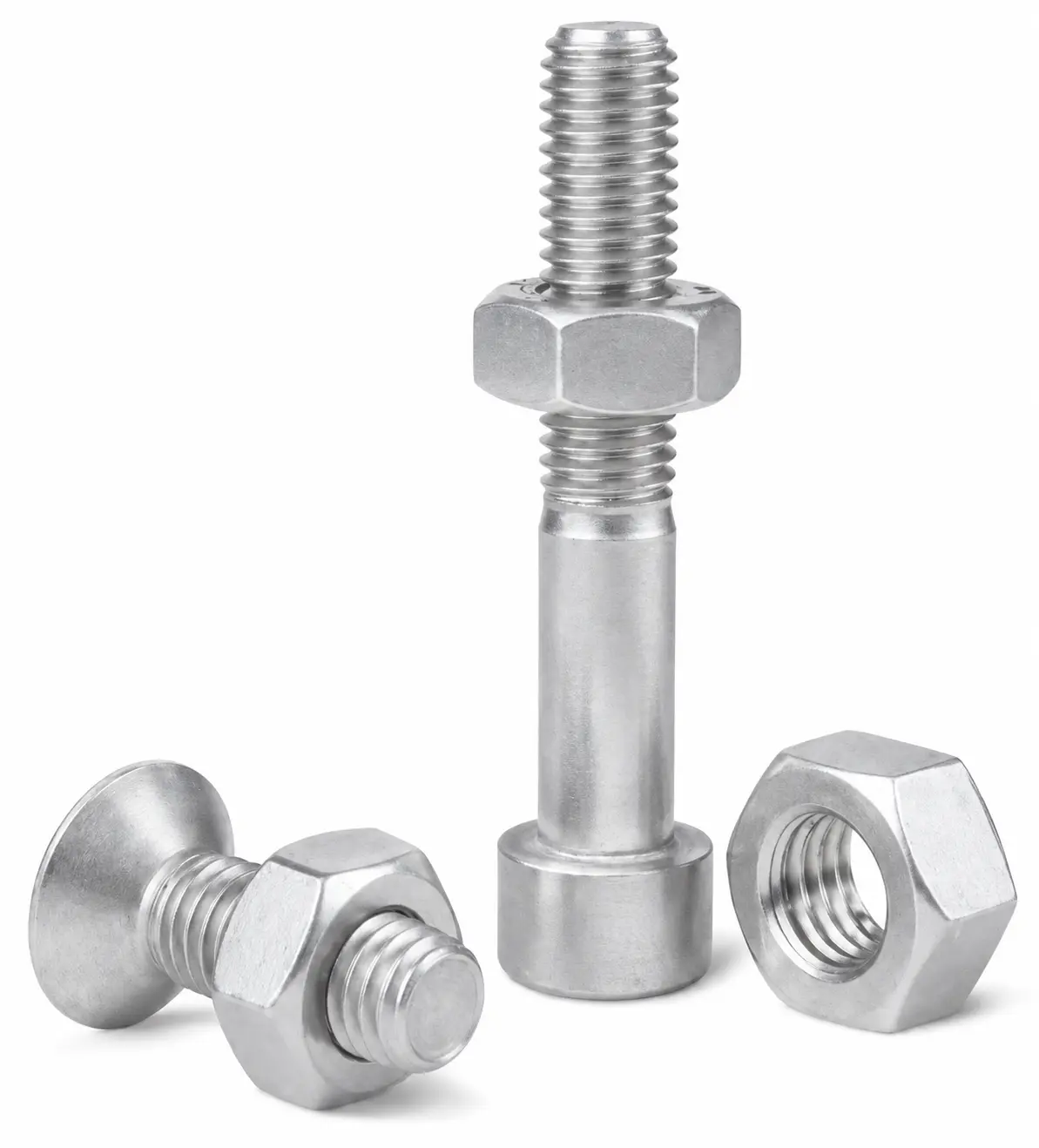
Aluminium 6066 Fasteners
High-Strength 6xxx — Heavily Alloyed Extrusion Grade

Aluminium 6066 Fasteners

Aluminium 6066 is the strongest alloy in the 6xxx series, achieved by alloying far more heavily than the rest of the family: 0.9–1.8% silicon, 0.8–1.4% magnesium, 0.7–1.2% copper and 0.6–1.1% manganese. Compare that with 6063, which has roughly a third of the silicon and no copper at all.

The heavy alloying delivers substantially higher strength than 6061 in the T6 temper while keeping the 6xxx series' heat-treatability and reasonable weldability. The trade-offs follow from the same chemistry: the copper content reduces corrosion resistance below that of the leaner 6xxx alloys, extrudability is poorer so sections are simpler and slower to press, and anodised finish quality is not up to 6063 standards. 6066 is specified where a 6xxx alloy is wanted for its weldability and general behaviour but 6061 is not strong enough. Exotic Alloy supplies 6066 extruded sections and machined components.

Request a Quote
Product Range

Aluminium 6066 Fasteners Available

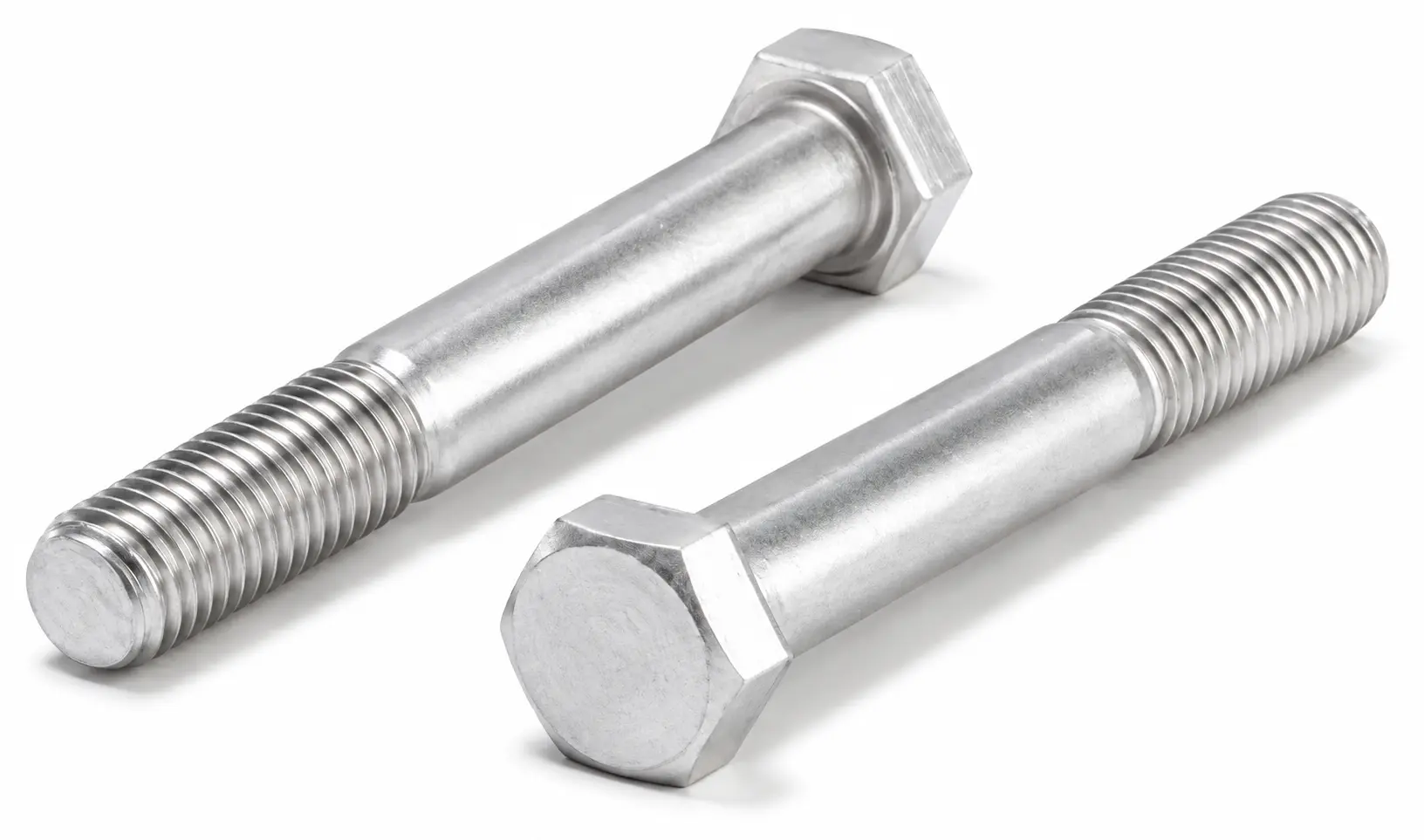
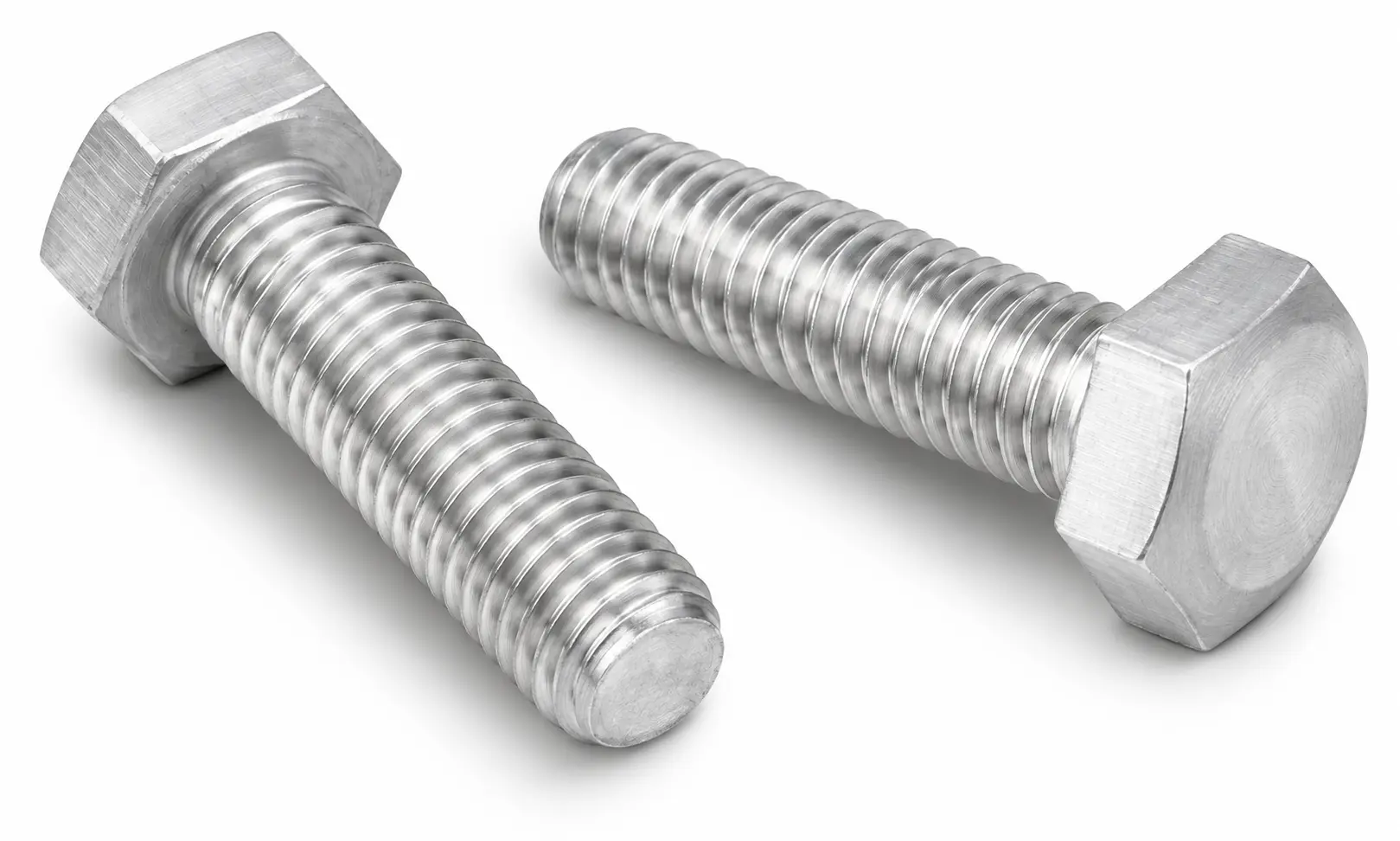
Aluminium 6066 Hex Bolts
Aluminium 6066
Hex Bolts
Aluminium 6066 Heavy Hex Bolts
Aluminium 6066
Heavy Hex Bolts
Aluminium 6066 Stud Bolts
Aluminium 6066
Stud Bolts
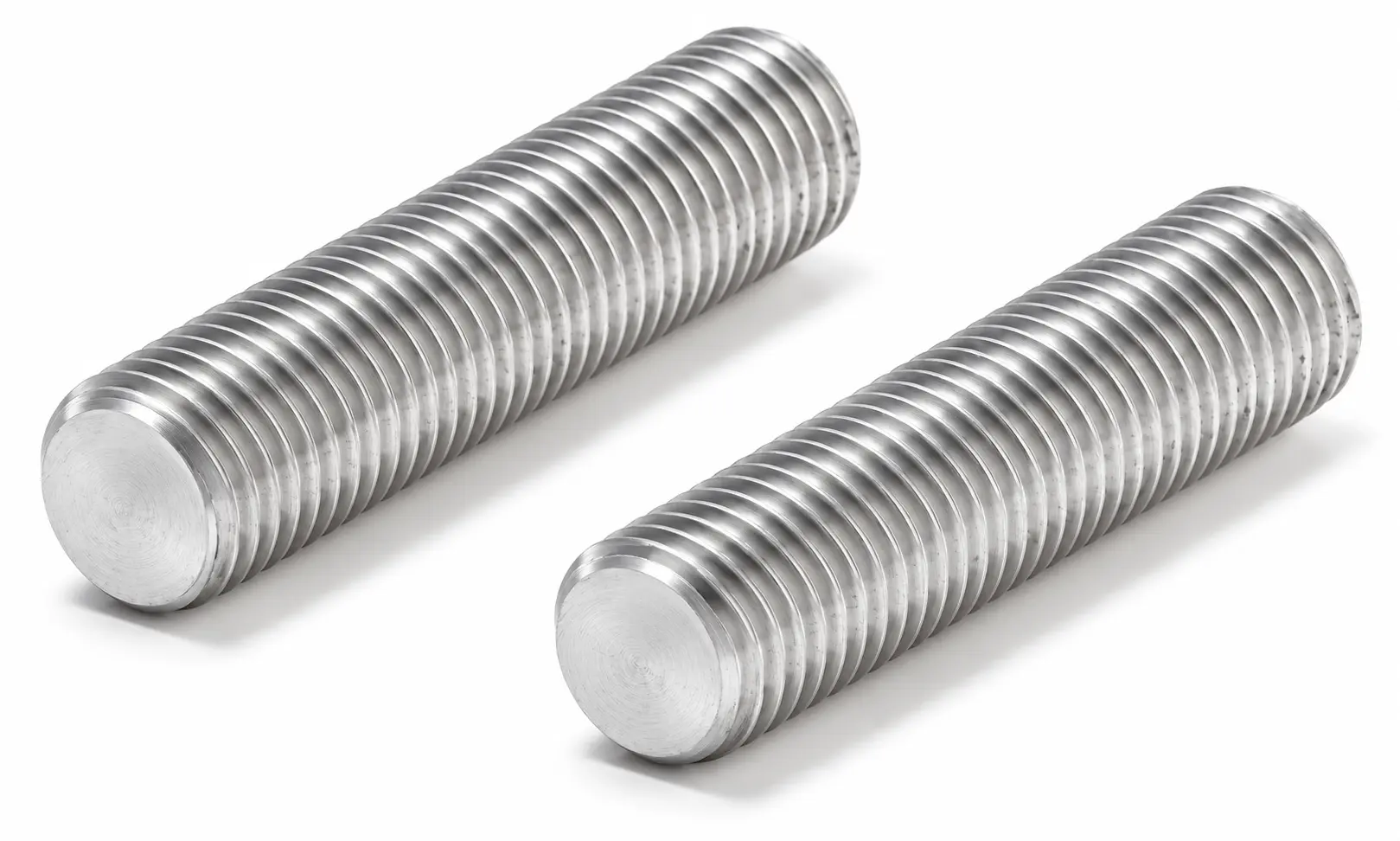
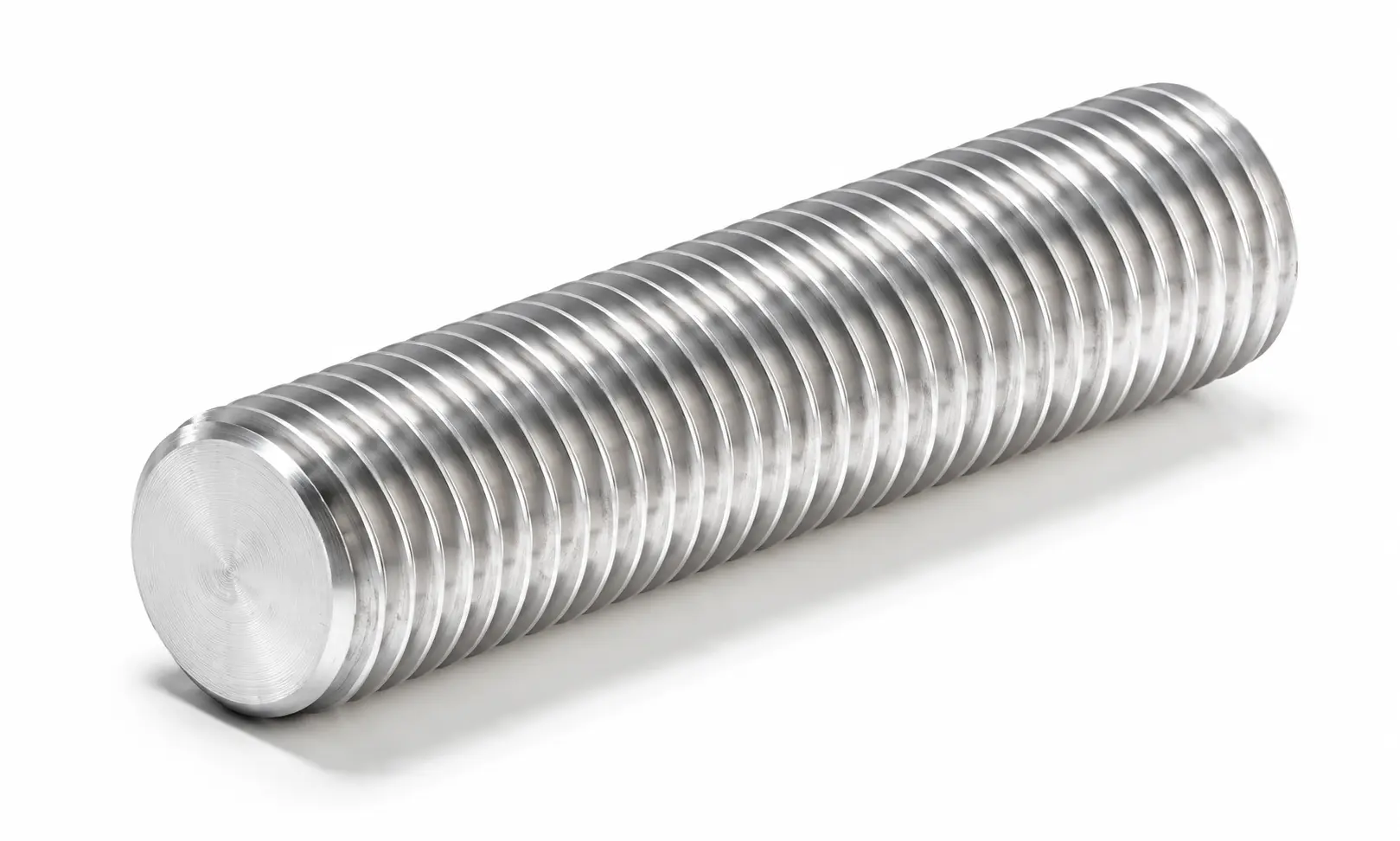
Aluminium 6066 Threaded Rods
Aluminium 6066
Threaded Rods
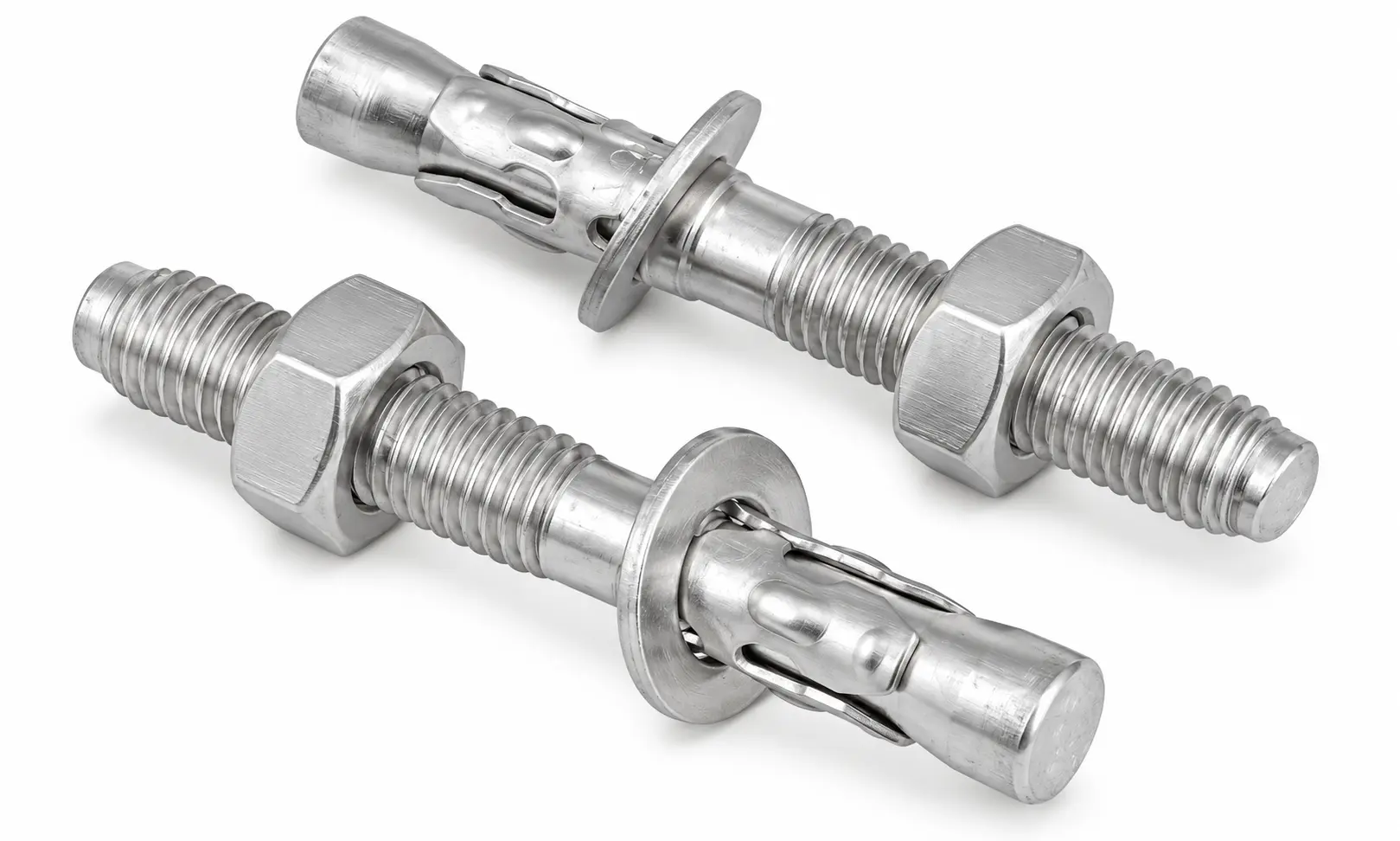
Aluminium 6066 Anchor Bolts
Aluminium 6066
Anchor Bolts
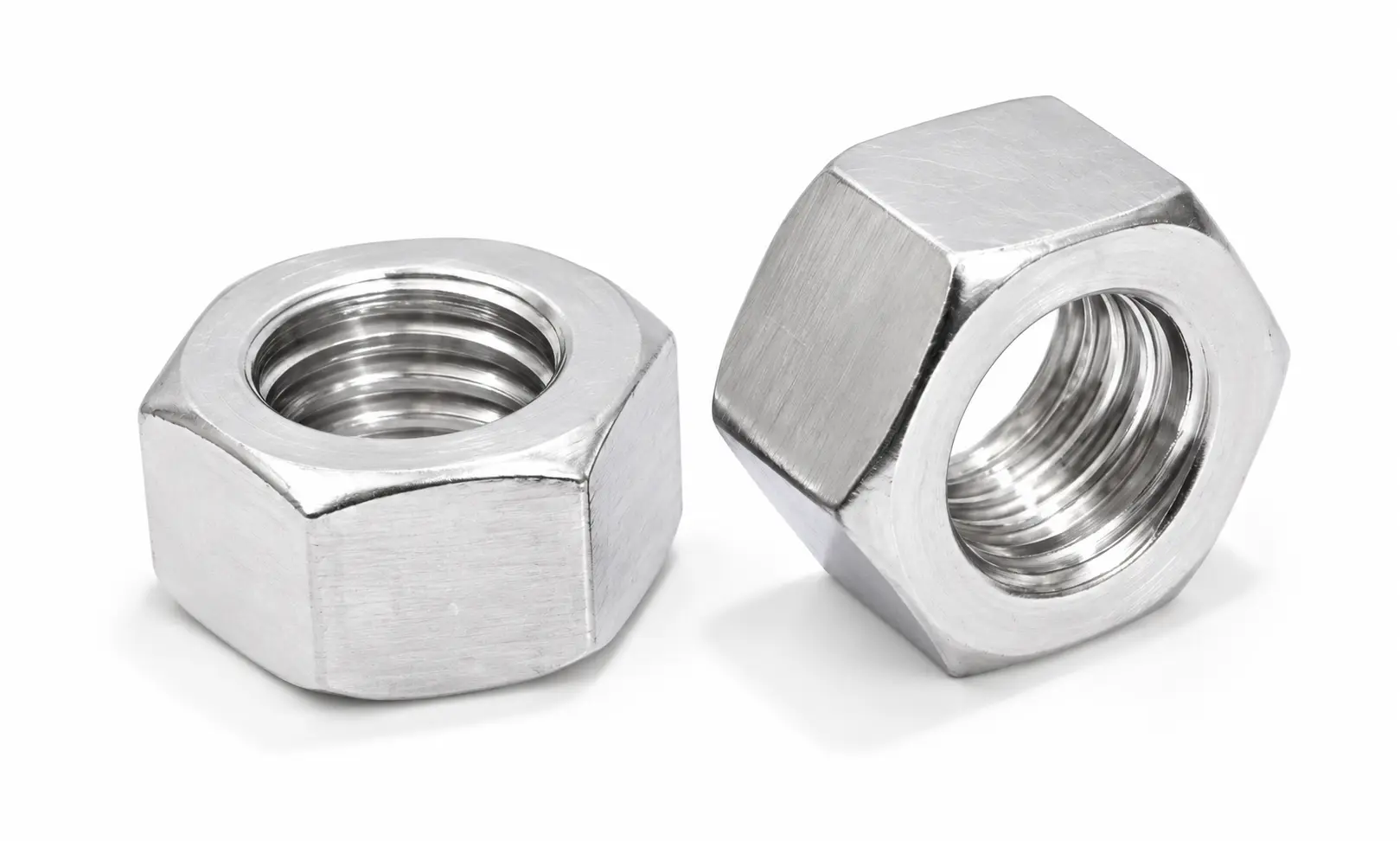
Aluminium 6066 Hex Nuts
Aluminium 6066
Hex Nuts
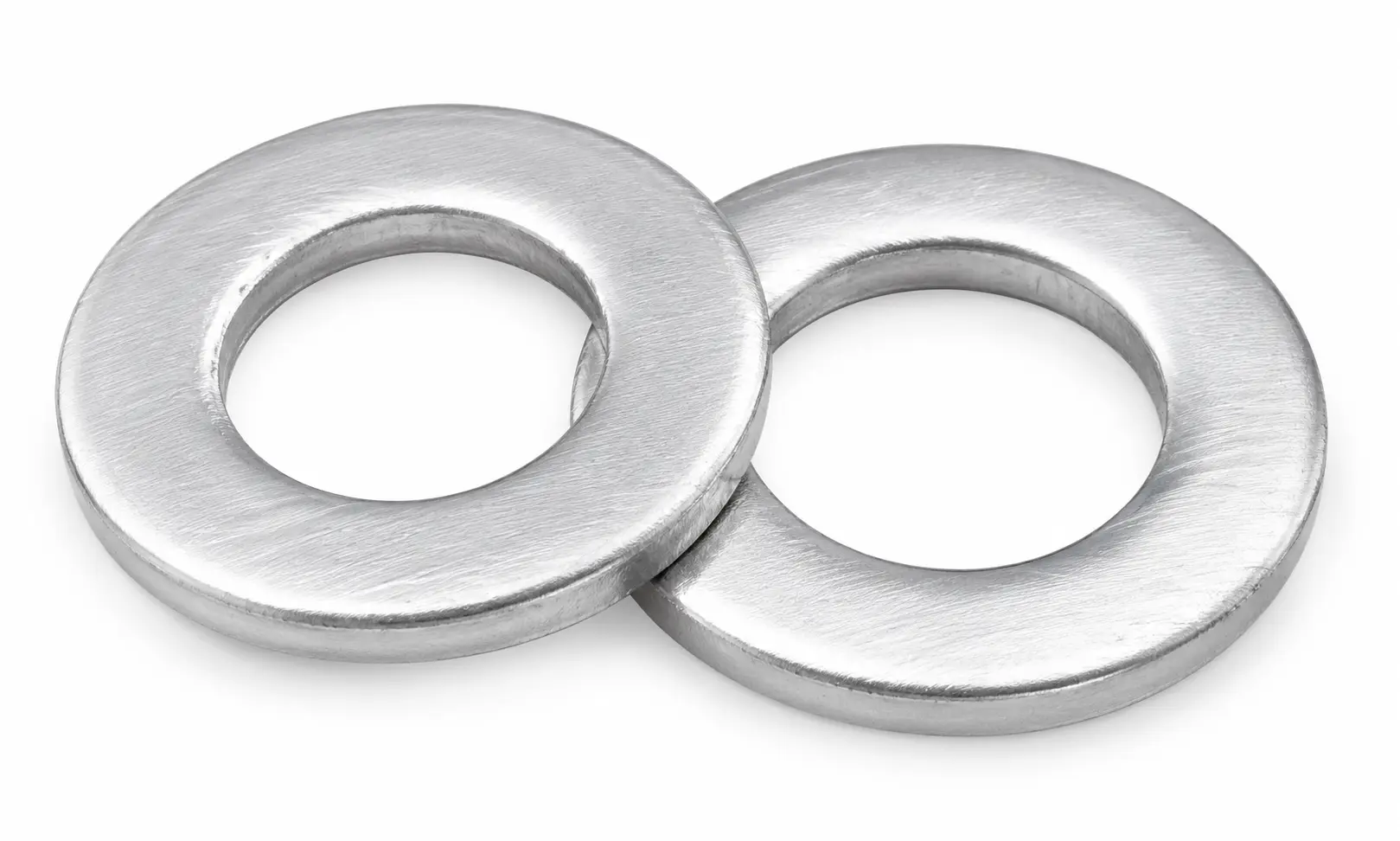
Aluminium 6066 Washers
Aluminium 6066
Washers
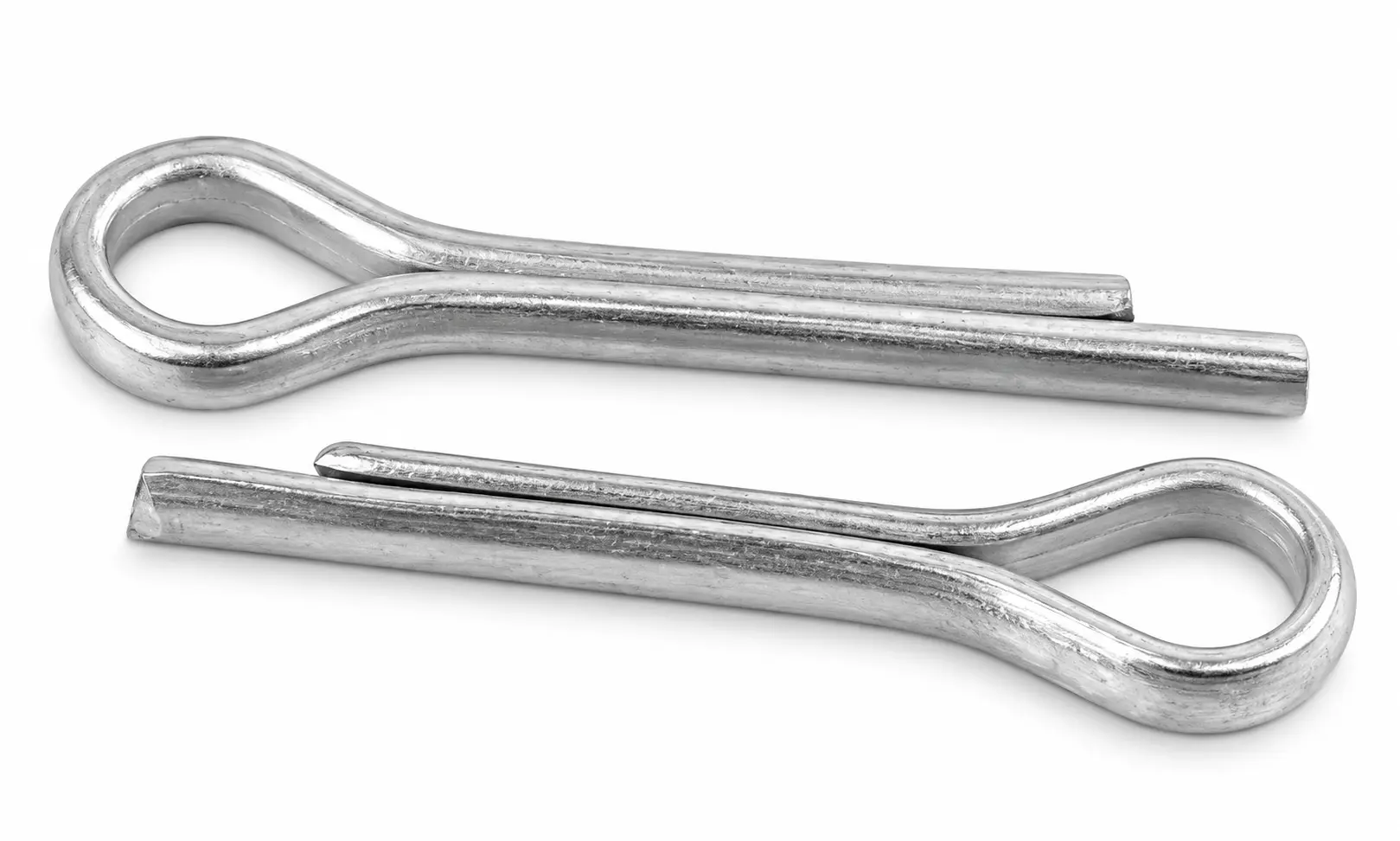
Aluminium 6066 Cotter Pins
Aluminium 6066
Cotter Pins
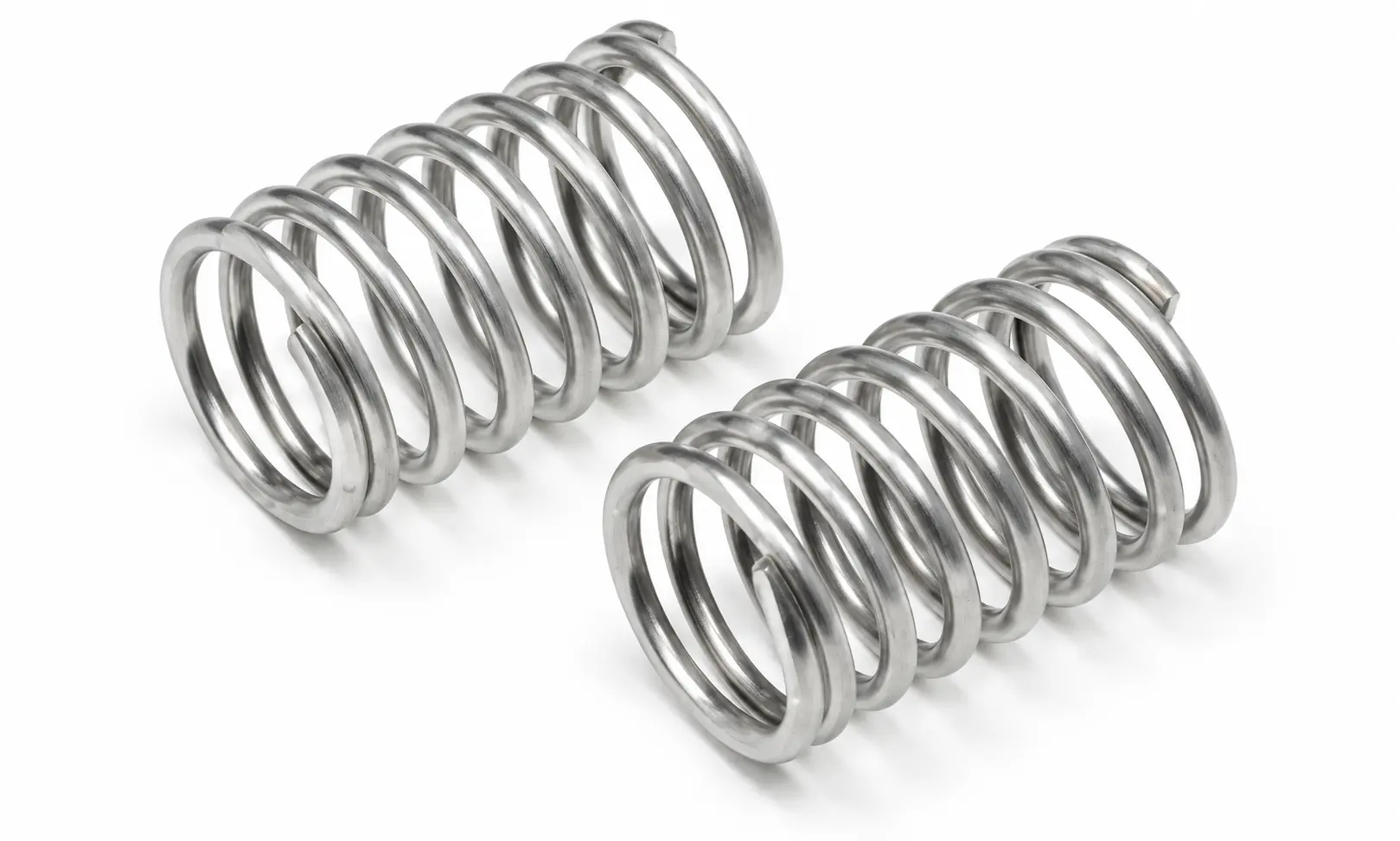
Aluminium 6066 Springs
Aluminium 6066
Springs
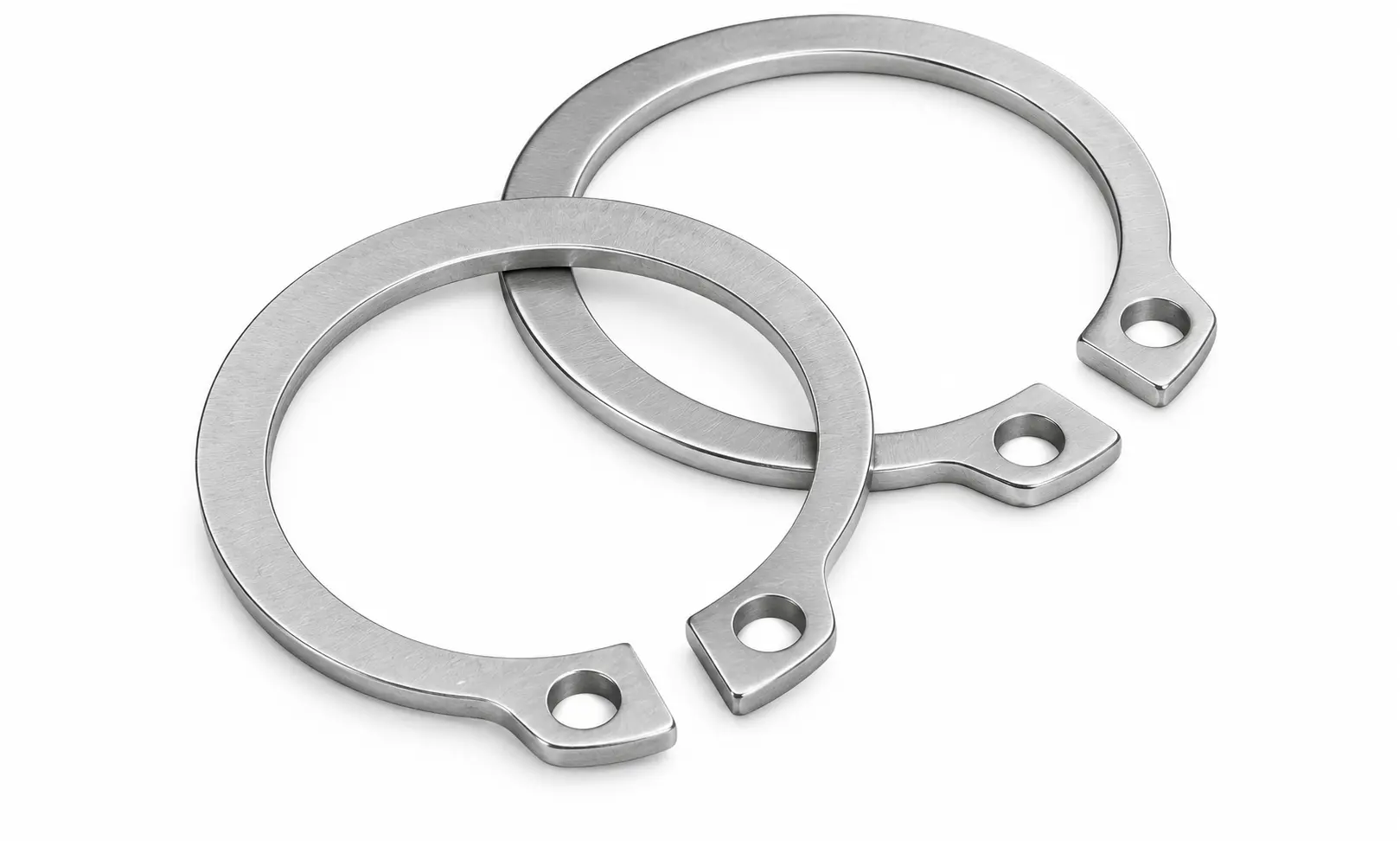
Aluminium 6066 Circlips
Aluminium 6066
Circlips
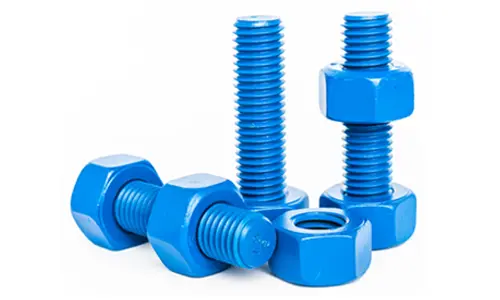
Aluminium 6066 Coated Fasteners
Aluminium 6066
Coated Fasteners
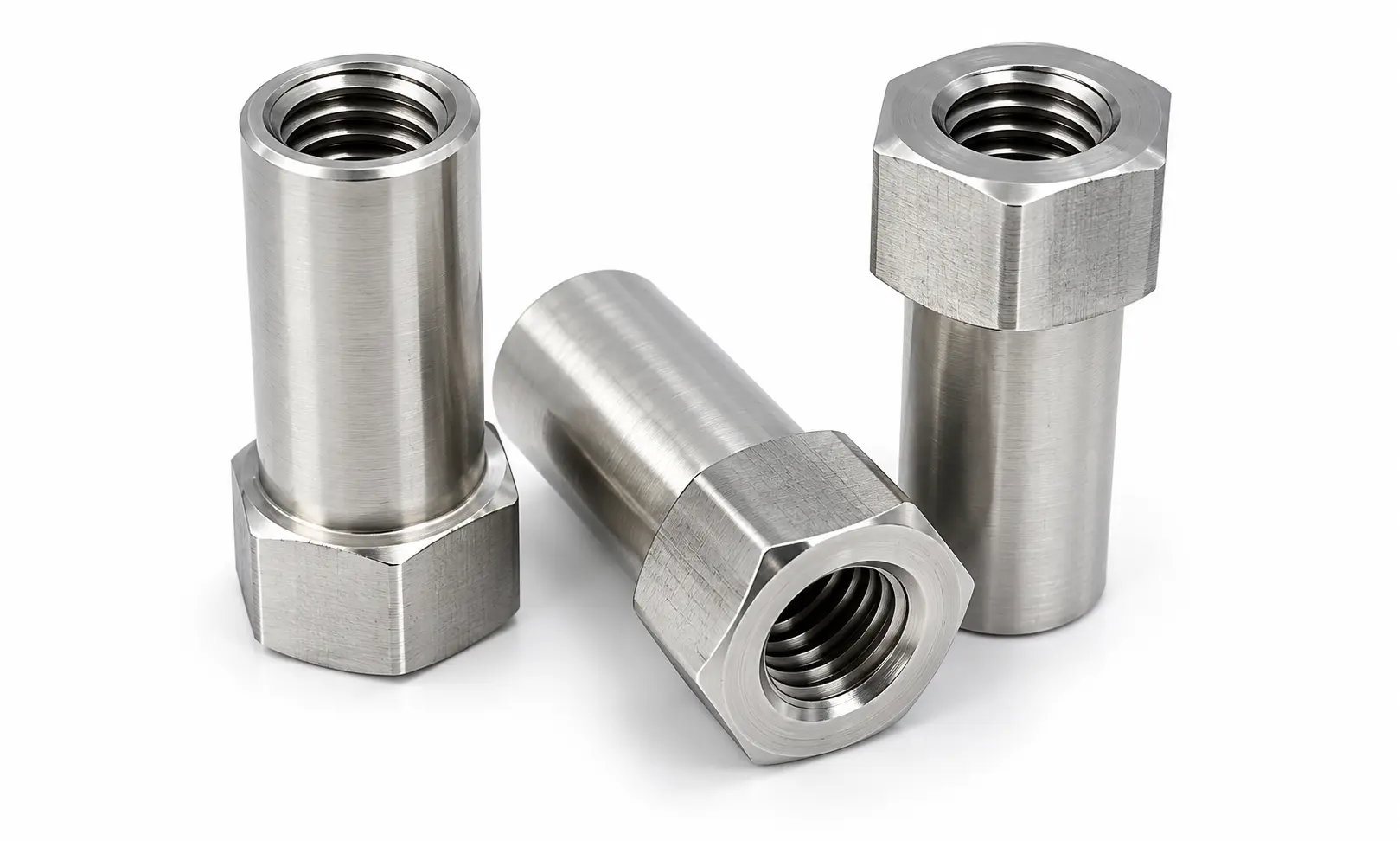
Aluminium 6066 Custom Spacers
Aluminium 6066
Custom Spacers
Technical Data

Aluminium 6066 Specifications

Chemical Composition — Aluminium 6066 (wt. %)
ElementMinimum %Maximum %
Silicon (Si)0.91.8
Iron (Fe)—0.50
Copper (Cu)0.71.2
Manganese (Mn)0.61.1
Magnesium (Mg)0.81.4
Chromium (Cr)—0.40
Zinc (Zn)—0.25
Titanium (Ti)—0.20
Other elements, each—0.05
Other elements, total—0.15
Aluminium (Al)Remainder—
Mechanical Properties — Aluminium 6066
ConditionUTS (MPa)YS 0.2% (MPa)Elongation (%)Hardness
Mechanical properties for this alloy depend entirely on temper, product form and section, and we were not able to source published specified minimums for it from ASTM B209/B221 or an equivalent standard. Rather than publish figures we cannot attribute, we confirm properties against the governing specification and the mill certificate for the specific temper and form at enquiry stage. Tell us the temper and product form you need and we will supply the certified values with the quotation.
Physical Properties
Density2.72 g/cm³
Alloy Series6xxx — aluminium-magnesium-silicide
Principal Alloying AdditionMagnesium and silicon (Mg₂Si)
Heat TreatableYes — precipitation hardening
Modulus of Elasticity69 GPa (nominal, wrought aluminium)
Coefficient of Thermal Expansionapprox. 23.6 × 10⁻⁶ /°C (20–100 °C)
Melting Point of Pure Aluminium660 °C — alloys melt over a lower range
Crystal StructureFace-centred cubic (FCC) — no ductile-to-brittle transition
Magnetic ResponseNon-magnetic; non-sparking
Conductivity NoteElectrical and thermal conductivity in aluminium are strongly temper- and alloy-dependent; certified values for the supplied temper are available on request.
Equivalent Grades & Standards
UNSEN / ISO DesignationPrincipal AdditionCommon Name
A96066 — Magnesium + silicon Aluminium 6066

Key Specifications: ASTM B221 (Extruded Bars, Rods, Wire, Profiles & Tubes) / ASTM B241 (Seamless Pipe & Tube) / EN 573-3 / Aluminum Association Teal Sheets.

Note on fastener standards: ASTM F468 and F467 cover only aluminium alloys 2024-T4, 6061-T6 and 7075-T73. Fasteners in this alloy are manufactured to the composition and temper requirements of the mill product standards above, with thread conformance to the applicable ASME or ISO standard and acceptance criteria agreed on the order.

Every aluminium order ships with EN 10204 3.1 certification giving the heat analysis against the Aluminum Association composition limits, the temper, and the mechanical test results for the product form, section and orientation supplied. Because temper governs properties in this material, the certificate states the temper explicitly and the test results correspond to it. Positive material identification, conductivity testing as a temper check, anodising, chromate conversion coating and exfoliation testing to ASTM G66 or G67 can all be added at order stage.

Machining: aluminium cuts fast but not always cleanly, and the behaviour varies sharply by series. The soft 1xxx, 3xxx and 5xxx alloys and the annealed tempers are gummy — they smear, build up on the cutting edge and tear rather than shear, giving poor finish and oversize holes. The harder heat-treated tempers of the 2xxx, 6xxx and 7xxx series machine very well by comparison, with 2024-T351, 6061-T6 and 7075-T651 all being everyday CNC materials. The outright free-machining choice is 2011, whose bismuth and lead additions break the chip mechanically and make it the standard screw-machine aluminium. General practice across the family is high surface speed, sharp polished high-rake tooling, generous chip clearance, and a lubricant rather than plain coolant to prevent built-up edge; uncoated carbide or polished-flute tooling is usual, and aluminium-specific geometry matters more than cutting speed.

Forming: aluminium cold forms well in the annealed and low tempers and poorly in the hard ones, and the relationship is direct — the higher the temper, the lower the formability. Parts are therefore normally formed in O, T4 or a low H temper and then aged or work hardened to the final condition. Cold heading and thread rolling are the preferred routes for aluminium fasteners, both for the grain flow and because rolled threads are significantly stronger than cut ones in a material this soft. The heat-treatable alloys in the naturally ageing T4 condition have a limited working window after solution treatment, which is why aircraft rivets in 2024 are stored refrigerated to suppress ageing until they are driven.

Weldability splits along the same lines as everything else in aluminium. The 1xxx, 3xxx, 5xxx and 6xxx alloys are readily arc weldable by GTAW and GMAW. The 2xxx and 7xxx alloys, with the notable exception of 2219, are generally considered unweldable by fusion processes — they are highly susceptible to hot cracking in the weld and heat-affected zone, and welded joints in 2024 or 7075 lose a large fraction of their strength besides. Those alloys are joined mechanically, by riveting, bolting or adhesive bonding, or by friction stir welding where the geometry allows it. Filler selection matters: 4043 or 5356 for the 6xxx alloys, 5356 or 5183 for the 5xxx.

Heat-affected zone softening is the issue even on the weldable alloys. Welding a 6061-T6 part locally destroys the T6 temper and leaves the heat-affected zone at something closer to T4 strength, and a welded 6061 structure must be designed on that reduced value rather than on parent-metal properties unless the whole assembly is re-solution-treated and re-aged. In the strain-hardened 5xxx and 3xxx alloys the weld zone reverts towards the annealed O condition for the same reason, and cannot be restored by heat treatment at all. Aluminium's high thermal conductivity also means welding demands much more heat input than the equivalent steel joint, and the tenacious oxide film — which melts at around 2050 °C against the metal's 650 °C — must be removed by AC cleaning action or mechanical means or it will trap inclusions in the weld.

Heat treatment: the 6xxx alloys are heat treatable, and their strength comes from precipitation of magnesium silicide, Mg₂Si. The sequence is solution heat treatment at approximately 530 °C, quench, and then artificial ageing at around 160–180 °C for several hours to reach the T6 condition. The naturally aged T4 temper is the intermediate state and is deliberately used as the forming condition: parts are formed at T4, where ductility is far better, and then aged to T6 for service. Extruded 6xxx product is often press-quenched directly from the extrusion heat and aged, which is the T5 temper — cheaper than a separate solution treatment and the reason 6063-T5 is so common in architectural extrusion.

Welding destroys the temper locally, and this is the practical issue with 6xxx structures: the heat-affected zone of a welded T6 part reverts to roughly T4 strength and must be designed on that basis unless the whole assembly is re-solution-treated and re-aged after welding.

The single most important division in aluminium is heat-treatable against non-heat-treatable. The 1xxx, 3xxx and 5xxx series are non-heat-treatable: they contain no element that will precipitation harden, so the only way to strengthen them is cold work, and the only way to soften them is annealing. Their strength is set by the H temper. The 2xxx, 6xxx and 7xxx series are heat-treatable: copper, magnesium-silicide and zinc-magnesium respectively form coherent precipitates when the alloy is solution treated, quenched and then aged, and that precipitation is what produces the strength. Their strength is set by the T temper. The practical consequences run right through fabrication: a non-heat-treatable alloy cannot be restored to full strength after welding, because its strength came from cold work that the weld heat removed; a heat-treatable alloy can be re-solution-treated and re-aged, though rarely economically on a large weldment.

Aluminium is protected by a tough, instantly self-healing oxide film, and it is at its best in the neutral range. The film forms in milliseconds on exposed metal and is what gives aluminium its genuinely excellent atmospheric and marine durability — architectural and marine aluminium lasts decades with no coating. The film is stable from roughly pH 4 to pH 9, and outside that window aluminium is amphoteric: it is attacked by strong acids and, more aggressively still, by strong alkalis. Sodium hydroxide dissolves it rapidly, which is why aluminium must never be used for caustic service and why alkaline cleaners attack aluminium parts. Wet cement, lime and uncured concrete are alkaline enough to etch it. It resists most organic compounds, dry gases and the great majority of foodstuffs, and it is non-toxic and non-sparking.

Corrosion resistance varies enormously across the series, and it tracks copper content. The 1xxx, 3xxx, 5xxx and 6xxx alloys have good to excellent resistance, with the 5xxx magnesium alloys the best of all in seawater. The 2xxx and 7xxx alloys are the problem: the copper that gives them their strength also makes them markedly less corrosion resistant than any other aluminium, prone to pitting and to intergranular attack. That is precisely why Alclad exists — a thin layer of pure or 7072 aluminium roll-bonded to each face of a 2024 or 7075 core, which is anodic to the core and protects it sacrificially. Where a 2xxx or 7xxx part will see a corrosive environment, specify Alclad material, anodising, or a primer and paint system; bare 2024 and 7075 should not be left exposed.

The 6xxx alloys combine useful heat-treatable strength with genuinely good corrosion resistance, which is the combination that makes them the structural workhorse of the aluminium family. They have no significant copper, so they avoid the pitting and intergranular attack that limit the 2xxx and 7xxx series, and they resist atmospheric and general corrosion well, including in most marine atmospheres. They also anodise cleanly and consistently, giving clear, protective and decorative films — which is why architectural aluminium is almost always 6xxx. Resistance in prolonged seawater immersion is good but below that of the 5xxx alloys.

Aluminium is anodic, and this reverses everything that applies to the other corrosion-resistant metals. Copper, titanium, zirconium and tantalum fasteners are all galvanically noble — they survive and drive corrosion of whatever they are bolted into. Aluminium is the opposite. It sits near the active end of the galvanic series, below carbon steel and far below stainless steel, copper and the nickel alloys, so in a mixed-metal joint the aluminium is the part that dissolves. The geometry makes it worse rather than better: a small aluminium fastener clamping a large stainless or steel assembly is a small anode against a large cathode, which is the most damaging configuration there is, and the fastener can be consumed while the structure around it is untouched.

An aluminium bolt in a stainless or steel joint, wet, will fail. Copper is the worst partner of all — even trace copper dissolved in water and redeposited on aluminium will initiate pitting, which is why aluminium should not be plumbed downstream of copper. The mitigations are insulating washers, sleeves and gaskets so no electrical circuit exists; a barrier coating or sealant at the faying surface; cadmium, zinc or aluminium-pigmented coatings on the steel part to bring it closer to aluminium's potential; and anodising, which is particularly effective here because the anodic film is an electrical insulator as well as a corrosion barrier. Where a steel fastener must be used in aluminium structure, specify it hot-dip galvanised, aluminium-coated or 300-series stainless with an isolating washer — never bare carbon steel.

Aluminium loses strength quickly with temperature and has essentially no useful creep strength above about 150 °C. This is a hard limit on the whole family and it is often underestimated, because the loss is not linear: a 6061-T6 part retains most of its strength to 100 °C, has lost a substantial fraction by 200 °C, and is structurally useless by 300 °C. Worse, the loss in the heat-treatable alloys is permanent, because time at temperature over-ages the precipitate structure that was providing the strength — the part does not recover when it cools. Aluminium bolting in anything that runs warm must be assessed at service temperature and not at room temperature, and prolonged exposure above roughly 120 °C should be treated as a design issue rather than a detail. Conversely aluminium is excellent at low temperature: it has a face-centred-cubic structure with no ductile-to-brittle transition, and both strength and toughness increase as temperature falls, which is why 5083 is a standard cryogenic tank material down to liquid-helium temperatures.

With aluminium the temper matters as much as the alloy, and quoting one without the other is meaningless. The same alloy can differ in strength by a factor of three between tempers, so “6061” on a drawing is an incomplete specification — it must be 6061-T6, or 6061-T4, or 6061-O. The designation system under ANSI H35.1 runs as follows. F is as-fabricated and O is annealed, the softest and most formable condition. H tempers are strain hardened and apply to the non-heat-treatable alloys: H1x is strain hardened only, H2x is strain hardened then partially annealed, H3x is strain hardened then stabilised, and the second digit gives the degree — 2 is quarter hard, 4 half hard, 6 three-quarter hard, 8 full hard and 9 extra hard. T tempers are thermally treated and apply to the heat-treatable alloys: T4 is solution heat treated and naturally aged, T6 solution heat treated and artificially aged to peak strength, T3 solution treated, cold worked and naturally aged, and T8 solution treated, cold worked and artificially aged. The T7x series is deliberately over-aged past peak strength — T73, T7351 and T76 exist specifically to buy stress-corrosion resistance at the cost of about 10 to 15% of the strength, which is why they dominate thick-section 7xxx work. A trailing 51, as in T351, T651 and T7351, means the product was stress relieved by controlled stretching after solution treatment, which matters greatly for parts that will be heavily machined.

ASTM F468 and F467 cover exactly three aluminium alloys: 2024-T4, 6061-T6 and 7075-T73. Those are the only aluminium alloys for which a certified nonferrous bolt, hex cap screw, stud or nut standard exists, and the specified conditions are part of the designation — F468 will not accept 7075-T6 for the stress-corrosion reasons described below. The F468 strength requirements put aluminium fasteners in perspective: 6061-T6 is 255–359 MPa full-size tensile, 2024-T4 is 379–483 MPa and 7075-T73 is 421–524 MPa, against 830 MPa for an ordinary ASTM A325 structural steel bolt and 1040 MPa for property class 10.9. Even the strongest aluminium bolt is roughly half the strength of a plain structural steel one, at about a third of the density.

Aluminium is chosen for weight, conductivity, non-magnetic behaviour and corrosion resistance — not for load. Three further practical points follow. Aluminium threads gall and seize readily, so an anti-seize compound or dry-film lubricant is standard practice and an aluminium nut on an aluminium bolt is poor practice. Aluminium threads also strip easily — a tapped hole in aluminium needs roughly twice the thread engagement of a steel one, or a steel threaded insert. And aluminium has low bearing strength under the head, so wide flange heads or large washers are needed to avoid embedment and the preload loss that follows. Torque figures for steel fasteners must never be carried across to aluminium ones.

Anodising is the standard surface treatment and it does several jobs at once. The process grows a controlled, thick, integral aluminium oxide layer that is far more protective than the natural film: sulfuric acid anodising for general corrosion protection and for colour, and hard anodising for a thick, very wear-resistant layer. For fasteners three points matter. First, the anodic film is an electrical insulator, which makes anodising an effective galvanic isolation measure in its own right — but by the same token an anodised fastener will not provide an earth path or electrical bonding, which is a common and awkward surprise. Second, the film grows outward as well as inward and adds meaningfully to thread dimensions, so anodised threads must be cut or rolled to allow for the coating thickness or they will not assemble. Third, anodising quality is alloy-dependent: the 5xxx and 6xxx alloys anodise beautifully and give clear, consistent films, while the high-copper 2xxx alloys anodise poorly and give patchy, less protective and discoloured coatings. Chromate and chromate-free conversion coatings are the alternative where electrical conductivity must be retained.

How the series divide. The first digit of the designation names the principal alloying element, and it tells you most of what you need to know. 1xxx — 1050, 1060, 1070, 1080, 1100 and 1145 — is 99% or purer aluminium, bought for electrical and thermal conductivity, corrosion resistance and formability, not strength. 2xxx is aluminium-copper, heat treatable to high strength with poor corrosion resistance and generally no weldability: 2014, 2017 and 2024 are the aerospace alloys, 2011 is the free-machining one and 2090 the aluminium-lithium. 3xxx — 3003 — is aluminium-manganese, the general-purpose sheet alloy. 5xxx is aluminium-magnesium, the marine and cryogenic family: 5052 for general service and 5083 for the highest strength available without heat treatment. 6xxx is aluminium-magnesium-silicide, the structural and extrusion workhorse combining moderate heat-treatable strength with good corrosion resistance and weldability: 6061, 6063, 6066 and 6082. 7xxx is aluminium-zinc, the highest strength of all and the most SCC-sensitive: 7075 and 7050.
Key Characteristics

  • The strongest alloy in the 6xxx series.
  • Heavily alloyed: 0.9–1.8% Si, 0.8–1.4% Mg, 0.7–1.2% Cu, 0.6–1.1% Mn.
  • Substantially stronger than 6061 in the T6 temper.
  • Heat treatable with reasonable weldability for its strength.
  • Copper content reduces corrosion resistance below leaner 6xxx alloys.
  • Poorer extrudability — simpler sections, slower press speeds.
  • Anodised finish quality below that of 6063.
  • Density 2.72 g/cm³.

Typical Applications

  • High-strength extruded structural sections.
  • Forged and machined structural components.
  • Heavy-duty fasteners and threaded components.
  • Hydraulic and pneumatic cylinder bodies.
  • Automotive and transport structural parts.
  • Welded high-strength fabrications.
  • Machined fittings, manifolds and housings.
  • Load-bearing brackets and mounting hardware.