+91 97734 41022 sales@exoticalloy.com
Material Specification

Alloy B2

Alloy B2 Fasteners
Nickel-Molybdenum Alloy – Hydrochloric, Sulfuric & Reducing Acid Service

Hastelloy B-2 Fasteners

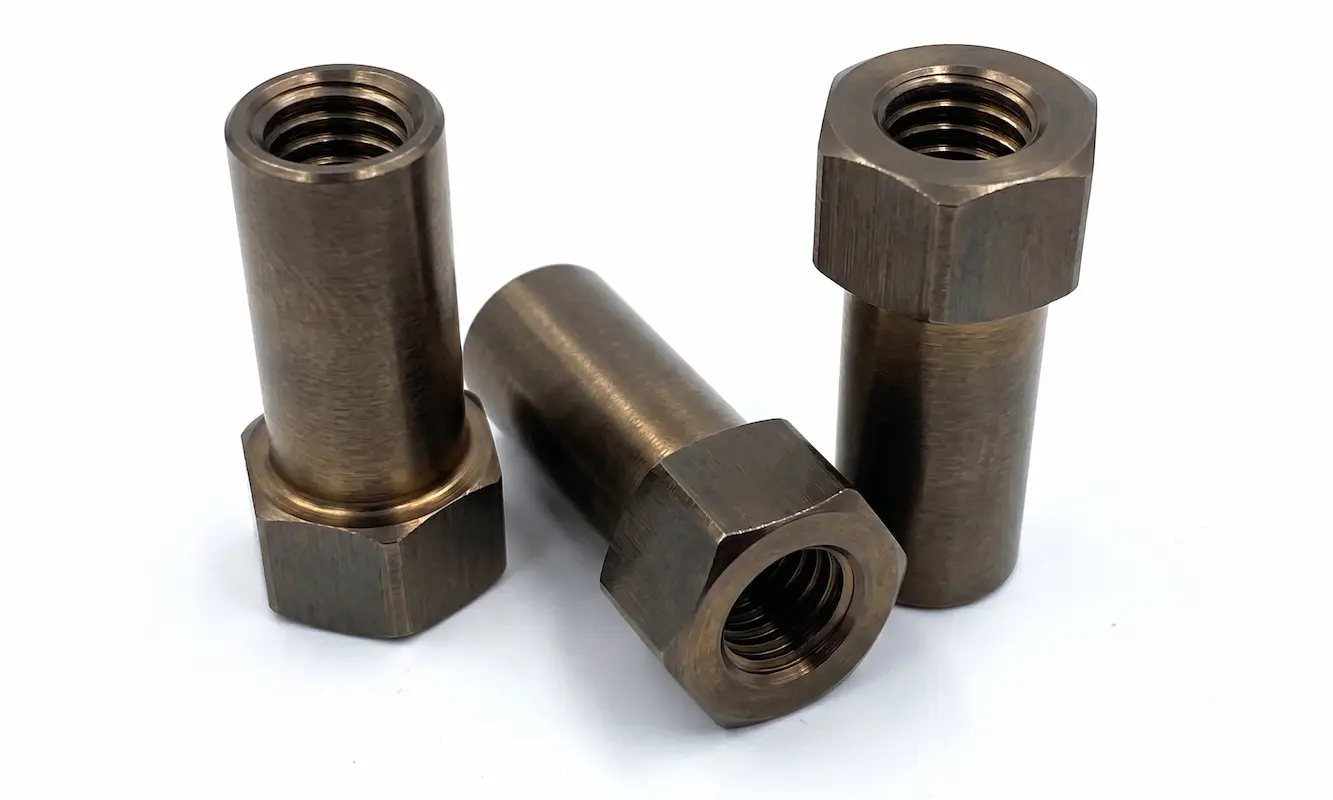
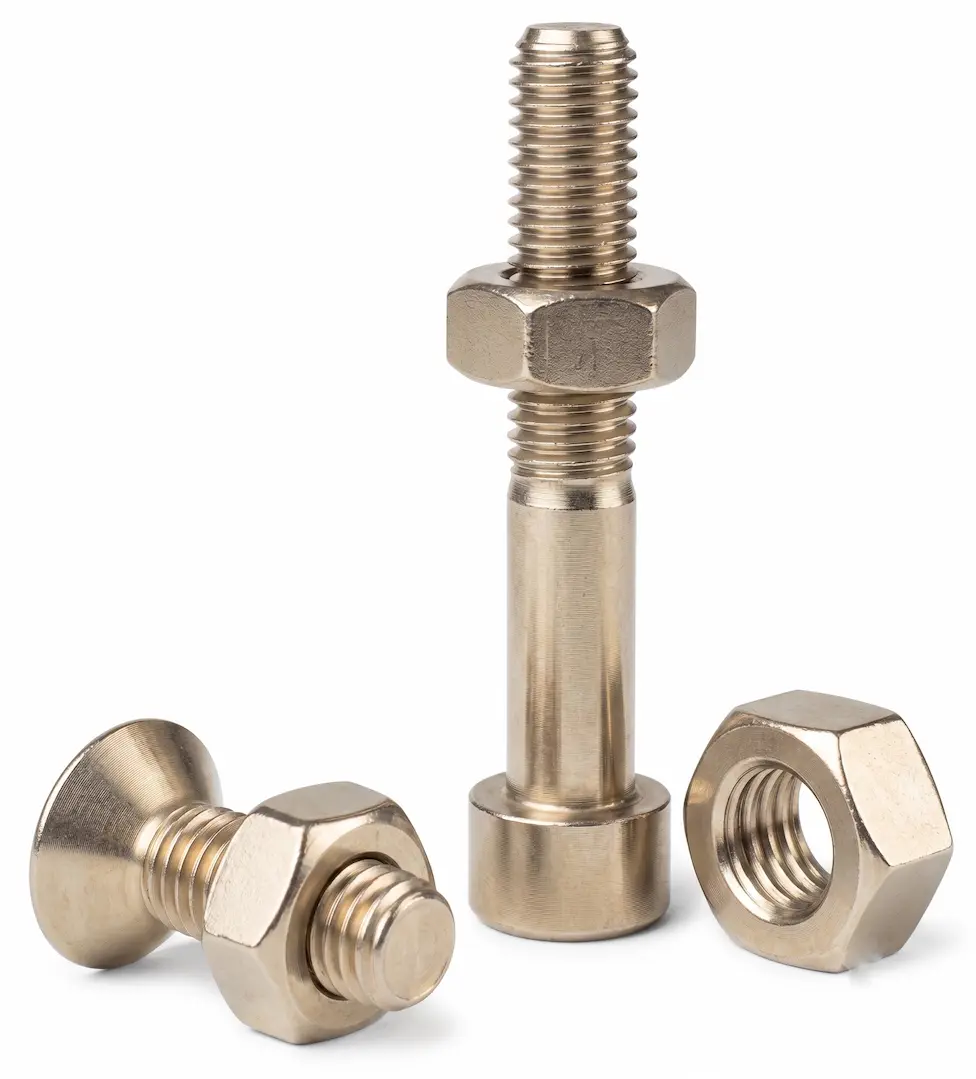
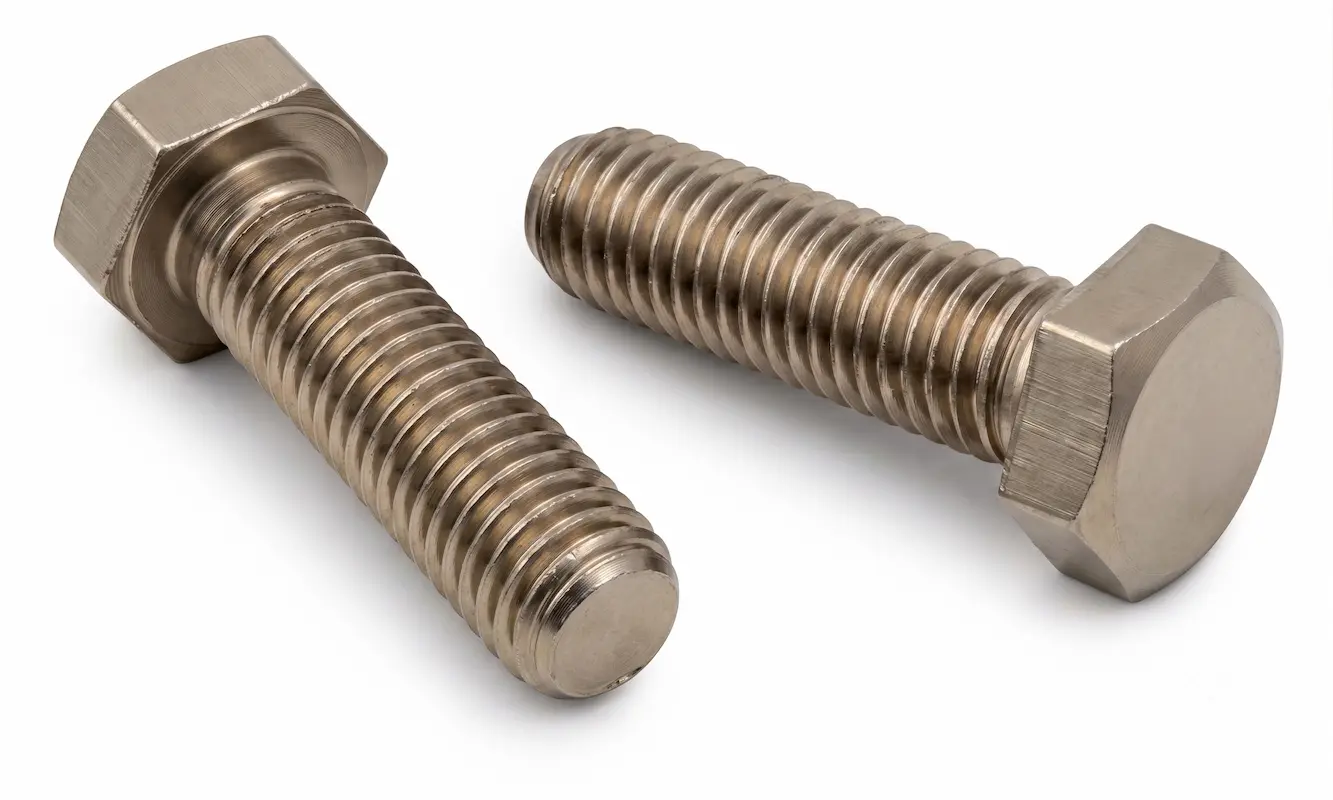
Buy Hastelloy Alloy B-2 (UNS N10665 / Werkstoff 2.4617 / ASTM B335) bolts, stud bolts, heavy hex nuts, socket cap screws, and custom CNC fasteners from Exotic Alloy. Hastelloy B-2 is a solid-solution-strengthened nickel-molybdenum alloy containing approximately 69% Ni and 28% Mo with deliberately restricted chromium and iron, giving it the highest resistance of any commercial alloy to hydrochloric acid at all concentrations and temperatures up to the boiling point.

Exotic Alloy manufactures Hastelloy B-2 fasteners conforming to ASTM B335, ASME SB-335 and DIN 17744 in metric M6–M100 and imperial ¼"–4" sizes, supplied in the solution-annealed and rapid-quenched condition with full EN 10204 3.1 material test certificates for hydrochloric acid plants, chemical processing and pharmaceutical reactor applications.

Request a Quote
Product Range

Alloy B2 Fasteners Available

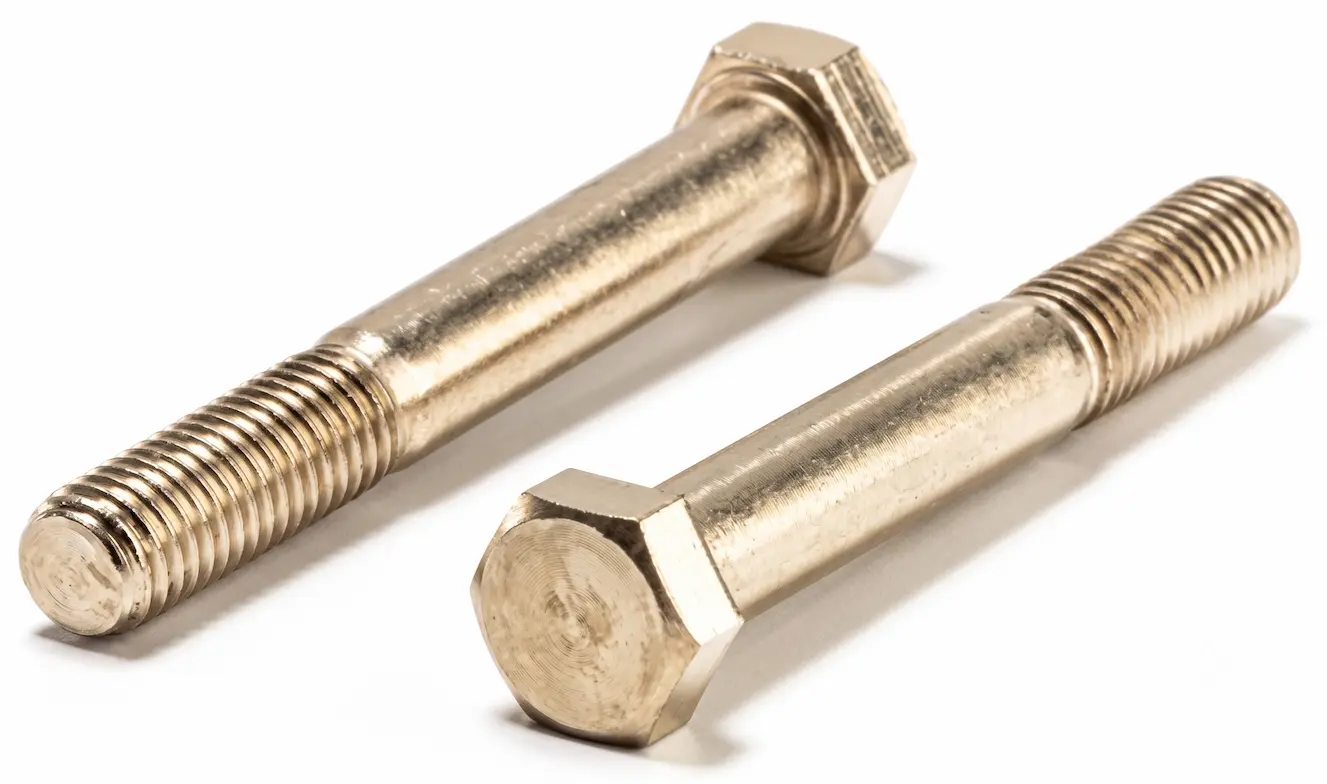
Alloy B2 Hex Bolts
Alloy B2
Hex Bolts
Alloy B2 Heavy Hex Bolts
Alloy B2
Heavy Hex Bolts
Alloy B2 Stud Bolts
Alloy B2
Stud Bolts
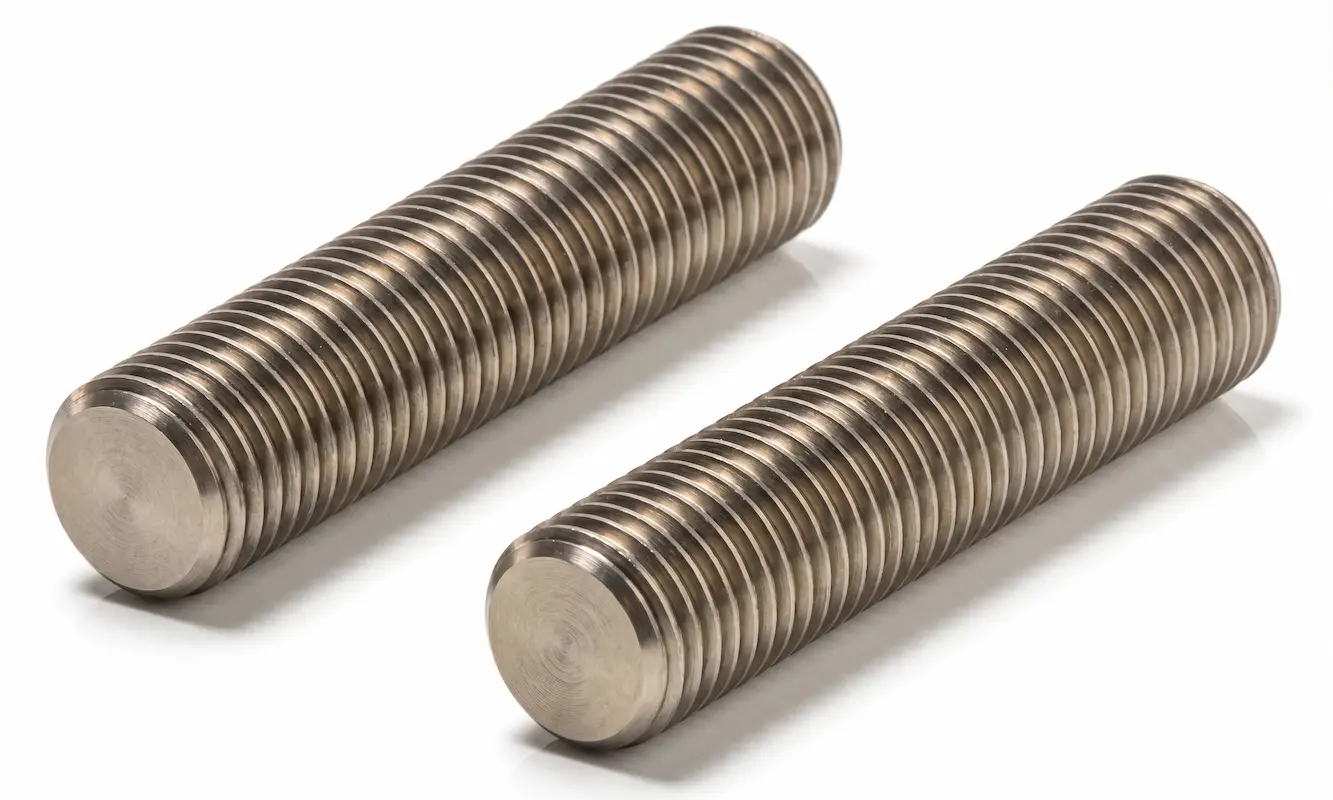
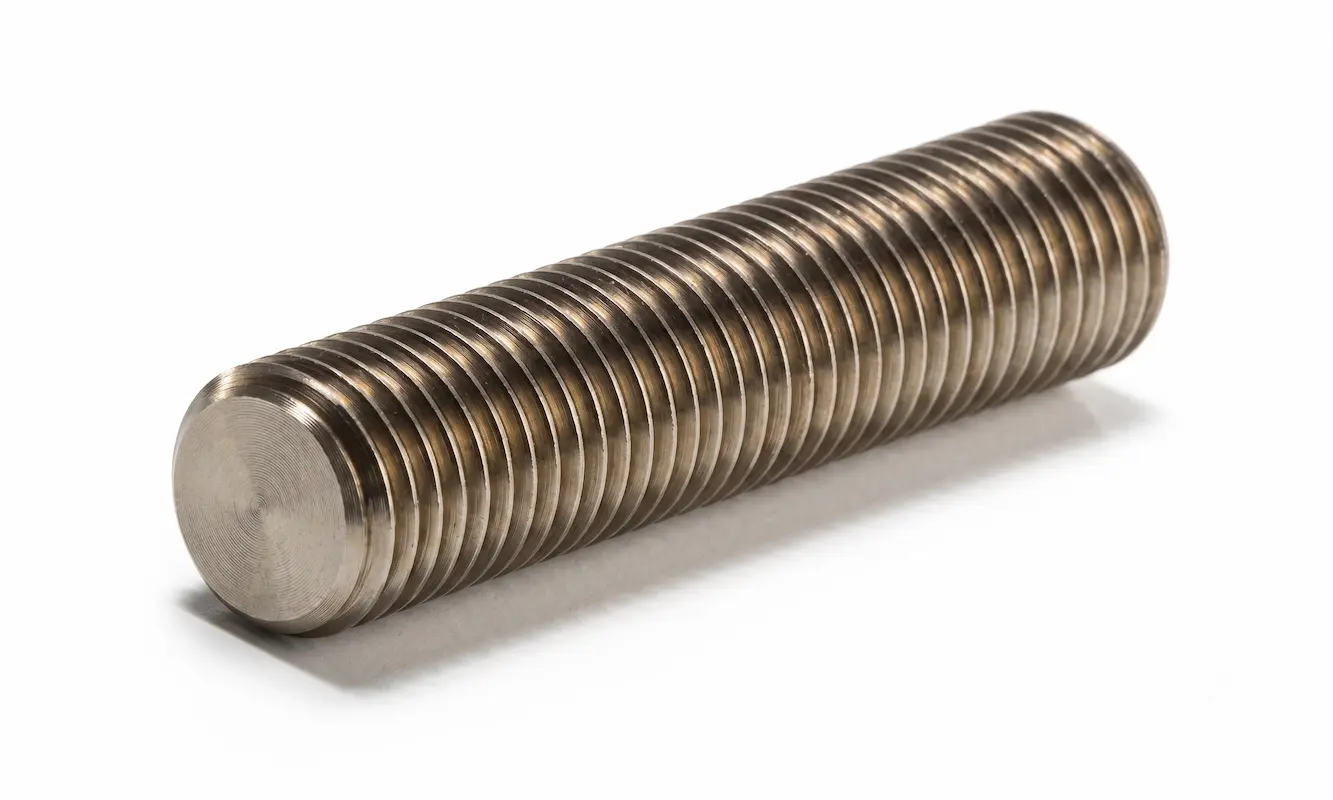
Alloy B2 Threaded Rods
Alloy B2
Threaded Rods
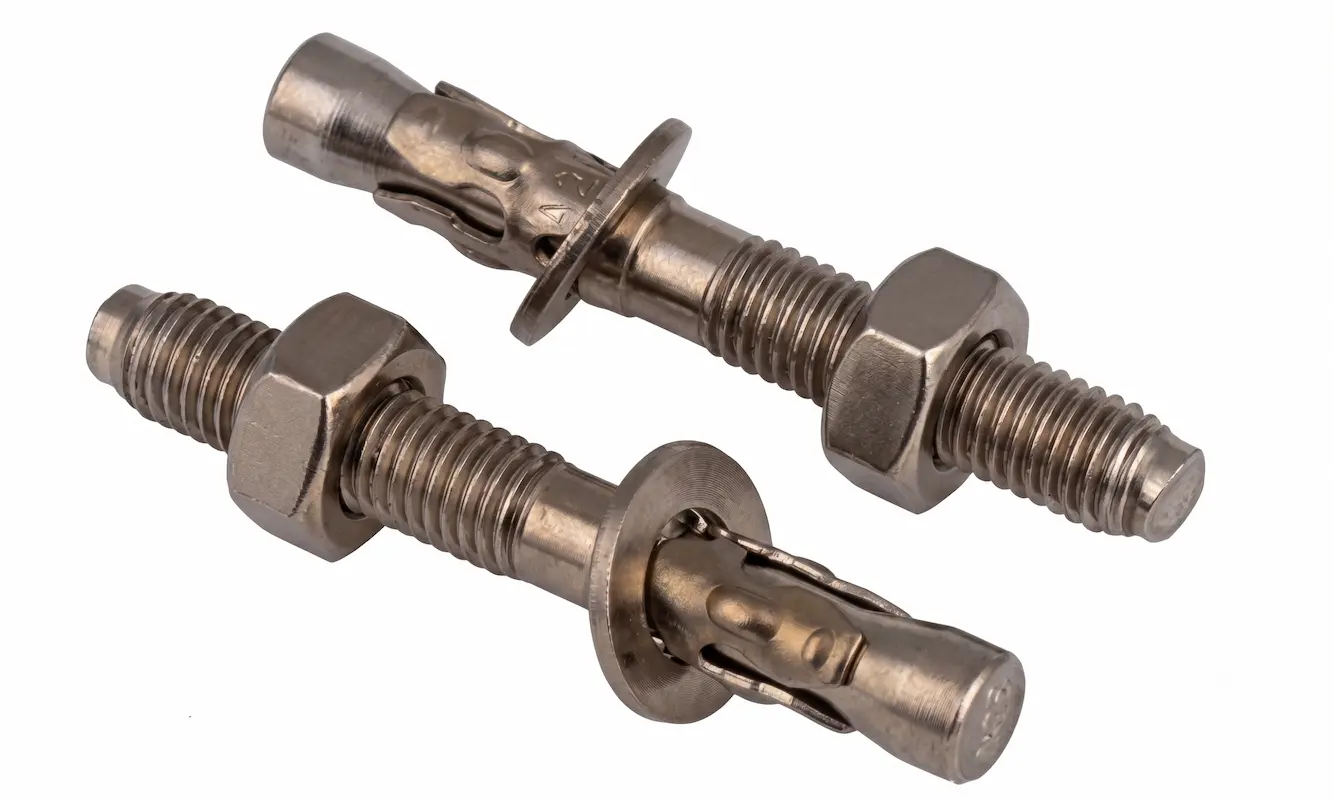
Alloy B2 Anchor Bolts
Alloy B2
Anchor Bolts
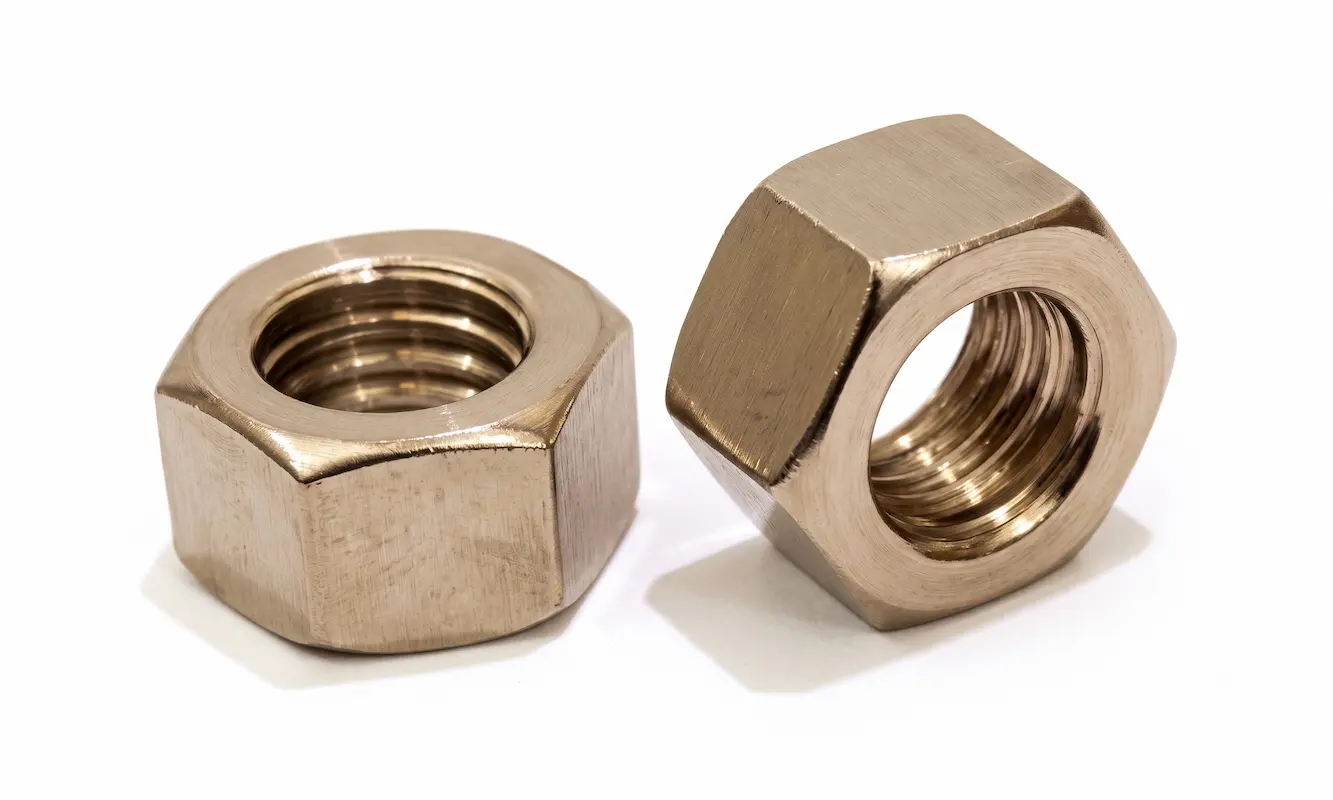
Alloy B2 Hex Nuts
Alloy B2
Hex Nuts
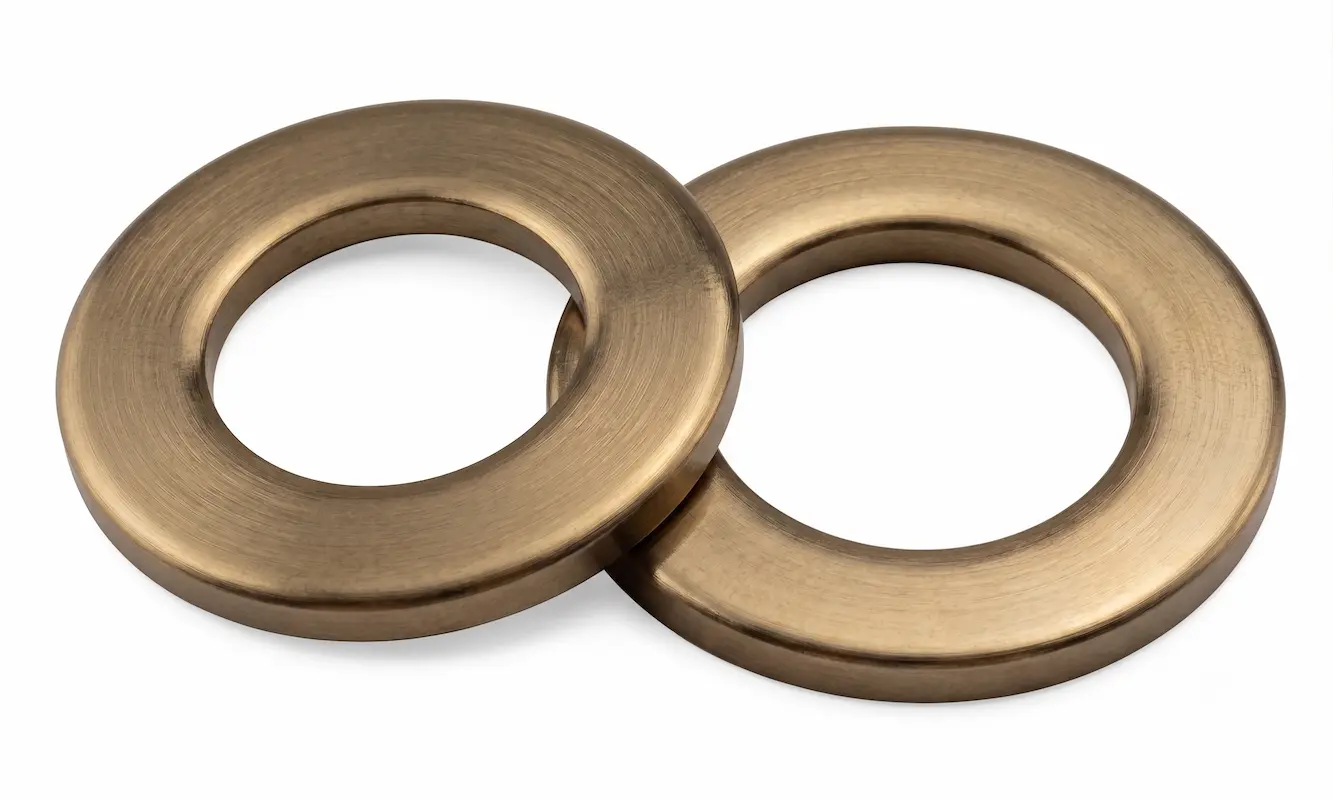
Alloy B2 Washers
Alloy B2
Washers
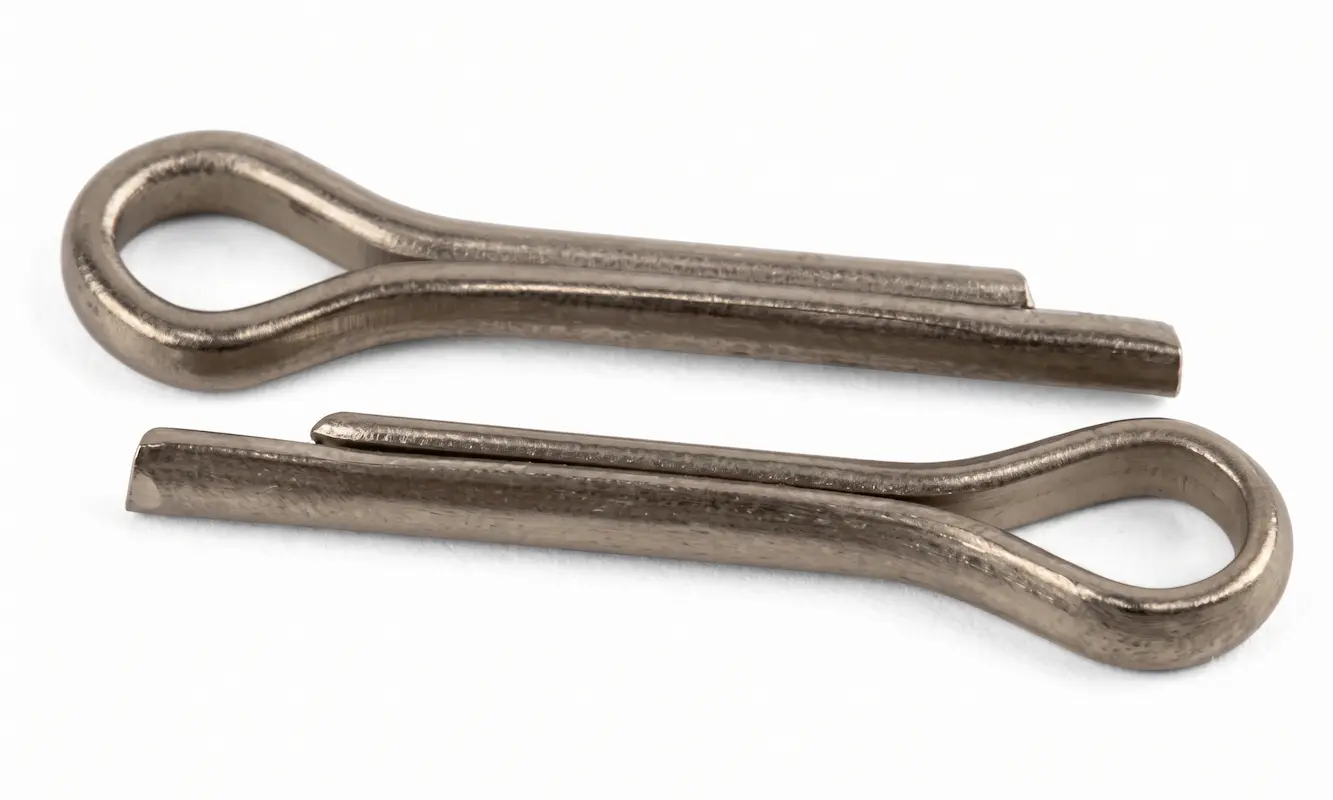
Alloy B2 Cotter Pins
Alloy B2
Cotter Pins
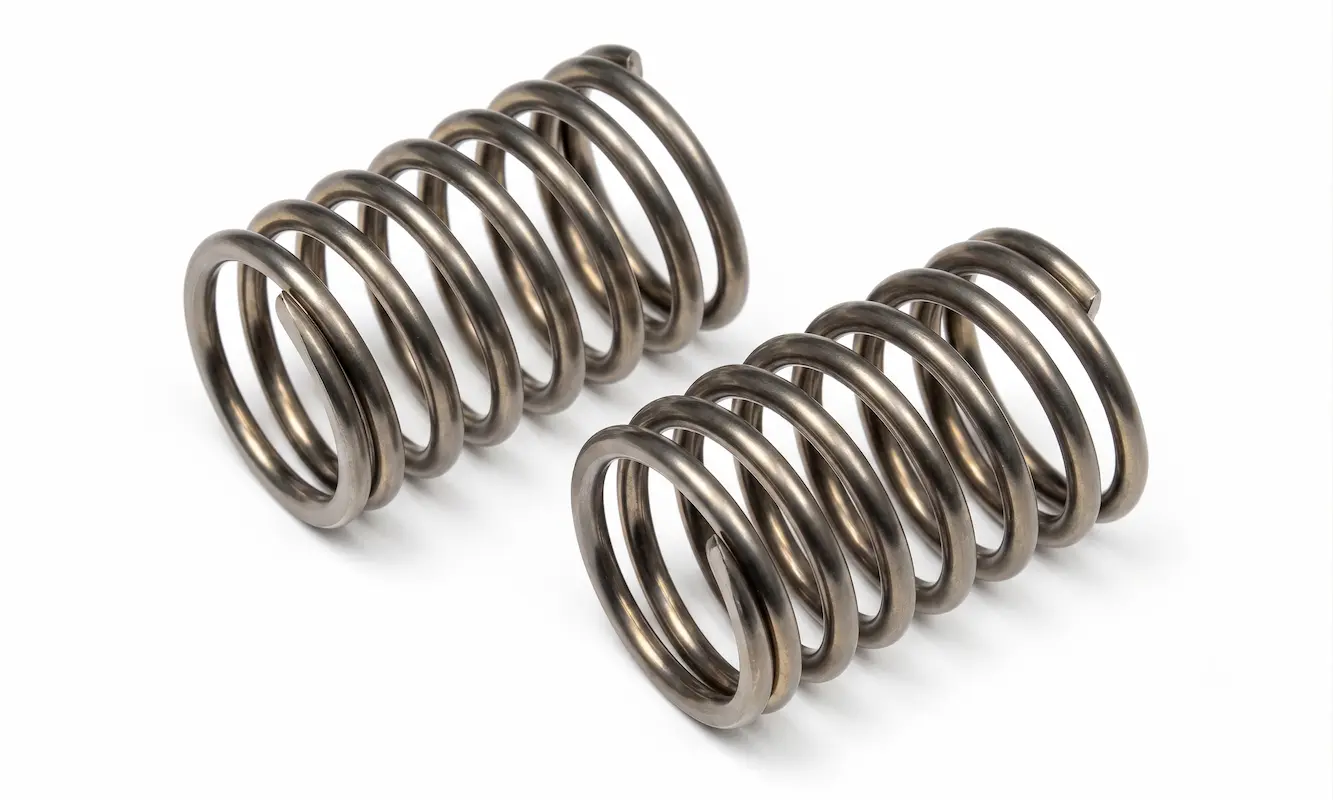
Alloy B2 Springs
Alloy B2
Springs
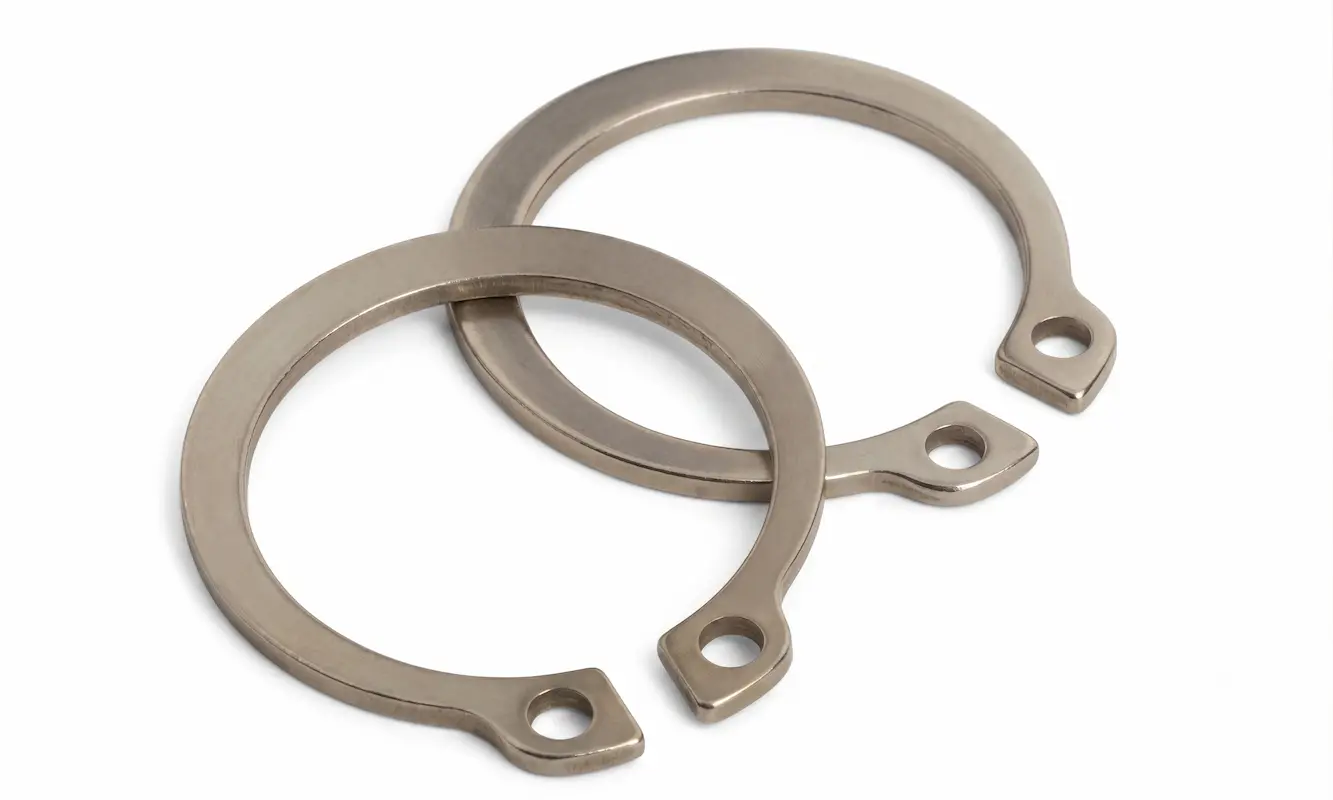
Alloy B2 Circlips
Alloy B2
Circlips
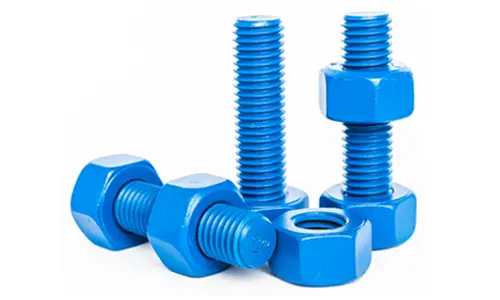
Alloy B2 Coated Fasteners
Alloy B2
Coated Fasteners
Alloy B2 Custom Spacers
Alloy B2
Custom Spacers
Technical Data

Alloy B2 Specifications

Chemical Composition — Hastelloy B-2 (wt. %)
ElementNiMoFeCrCoMnSiC
Min %Balance26.00––––––
Max %Balance30.002.001.001.001.000.100.02
Mechanical Properties — Hastelloy B-2
ConditionUTS (MPa)YS 0.2% (MPa)Elongation (%)Hardness
Solution Annealed (ASTM B335 Minimum)≥ 760≥ 350≥ 40≤ 100 HRB
Solution Annealed (Typical Bar)8954155592 HRB
Cold Drawn / Stress Relieved930–1100620–83015–2525–32 HRC
Hot Finished Forged Bar830–930380–45045–55≤ 235 HB
Physical Properties
Density9.22 g/cm³
Melting Range1330–1380°C (2426–2516°F)
Specific Heat Capacity373 J/kg·K at 20°C
Thermal Conductivity11.1 W/m·K at 100°C
Thermal Expansion10.3 µm/m·°C (20–100°C)
Electrical Resistivity1.37 µΩ·m
Equivalent Grades & Standards
UNSWerkstoff / DINEN DesignationCommon Name
N10665 2.4617 NiMo28 Hastelloy B-2

Key Specifications: ASTM B335 (Rod/Bar) / ASTM B333 (Plate & Sheet) / ASTM B619, B622, B626 (Tube) / ASTM B564 (Forgings) / ASTM B462 (Flanges)

Machinability: Hastelloy B-2 work-hardens very rapidly and has low thermal conductivity, so heat concentrates at the cutting edge. Use rigid setups, sharp positive-rake carbide tooling, low surface speeds of 15–25 SFM, and heavy uninterrupted feeds so the tool cuts beneath the previously work-hardened layer. Flood coolant with a sulphurised or chlorinated cutting oil is essential; dwelling or rubbing must be avoided entirely.

Welding: B-2 is welded by GTAW, GMAW and SMAW using matching ERNiMo-7 filler wire or ENiMo-7 electrodes. No pre-heat is required. Keep heat input low and interpass temperature below 100°C, because prolonged exposure in the 550–900°C range precipitates Ni4Mo and Ni3Mo ordered phases that severely embrittle the alloy. A post-weld solution anneal followed by rapid quench restores full ductility and corrosion resistance.

Forging: Hot forge between 1150–1230°C (2100–2250°F) and finish above 950°C (1740°F). Below this the flow stress rises sharply and edge cracking becomes likely. Cold heading and cold forging are practicable for smaller diameters with intermediate solution anneals to restore ductility between passes.

Heat Treatment: Solution anneal at 1065–1090°C (1950–2000°F) followed by a rapid water quench. Slow cooling through the 550–900°C band must be avoided as it produces grain-boundary intermetallic precipitation and a sharp loss of both toughness and corrosion resistance. Hastelloy B-2 is not age-hardenable; strength above the annealed condition is obtained only by cold work.

Hastelloy B-2 offers unmatched resistance to hydrochloric acid at every concentration up to the boiling point, and excellent resistance to hydrogen chloride gas, sulfuric acid, acetic acid, formic acid and phosphoric acid in the reducing state. It also resists chloride-induced stress-corrosion cracking. Because it contains almost no chromium, B-2 must never be used in oxidising environments — nitric acid, ferric chloride, cupric chloride, wet chlorine or any oxidising salt will attack it rapidly. Contamination of reducing acid streams with oxidising ions is the most common cause of B-2 failure in service.

Key Characteristics

  • Highest available resistance to hydrochloric acid at all concentrations and temperatures.
  • Approximately 28% molybdenum provides exceptional resistance to reducing media.
  • Excellent resistance to chloride-induced stress-corrosion cracking.
  • Resists hydrogen chloride gas, sulfuric, acetic, formic and phosphoric acids.
  • High strength in the annealed condition with 40–55% elongation.

Typical Applications

  • Hydrochloric acid plants: reactor bolting, pump and valve fasteners.
  • Chemical processing: acetic acid and acetic anhydride plant hardware.
  • Pharmaceutical industry: reactor and autoclave closure bolting.
  • Pesticide and agrochemical manufacturing: digester and vessel fasteners.
  • Hydrogen chloride gas handling: piping flange bolting and valve internals.