+91 97734 41022 sales@exoticalloy.com
Material Specification

Alloy 59

Alloy 59 Fasteners
Ultra-Pure Nickel-Chromium-Molybdenum Alloy – Highest PREN in its Class

Alloy 59 Fasteners

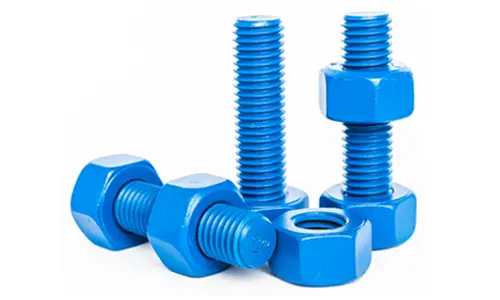
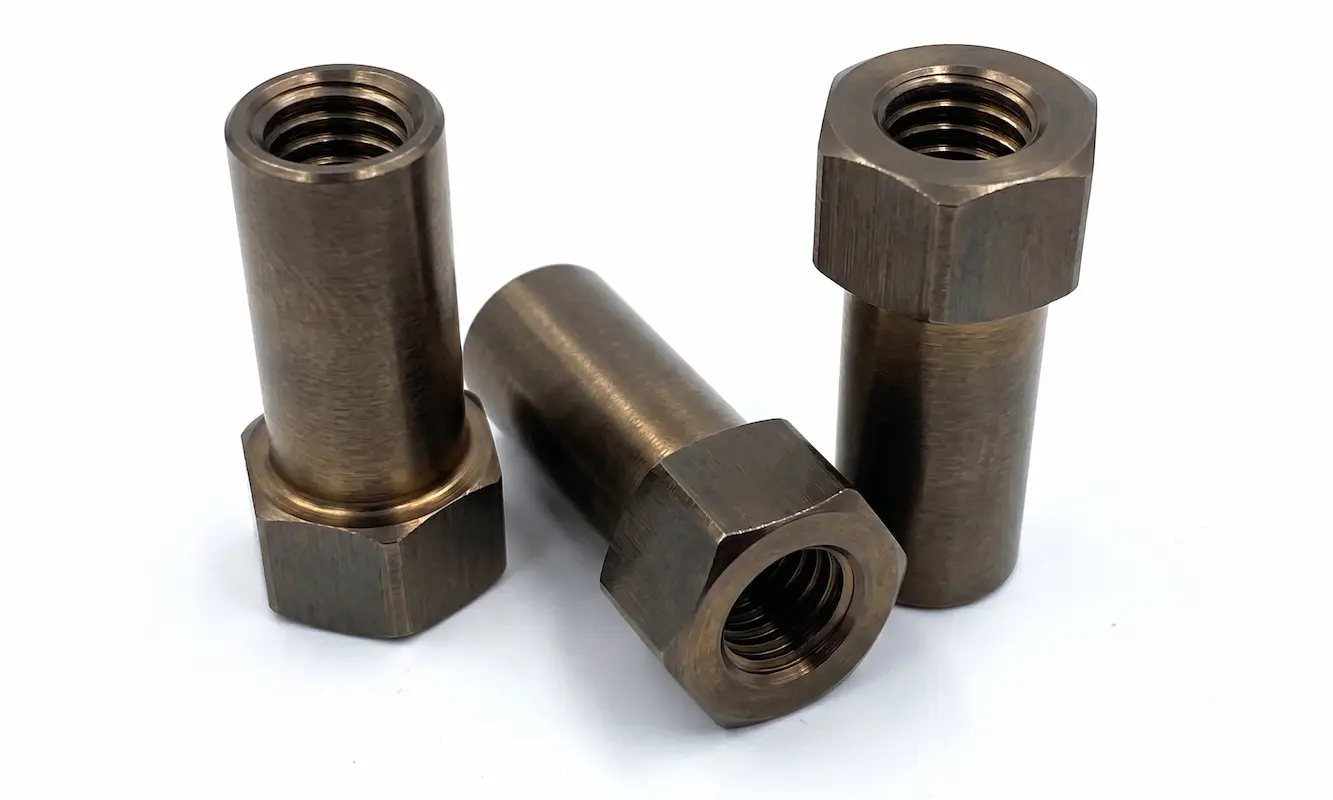
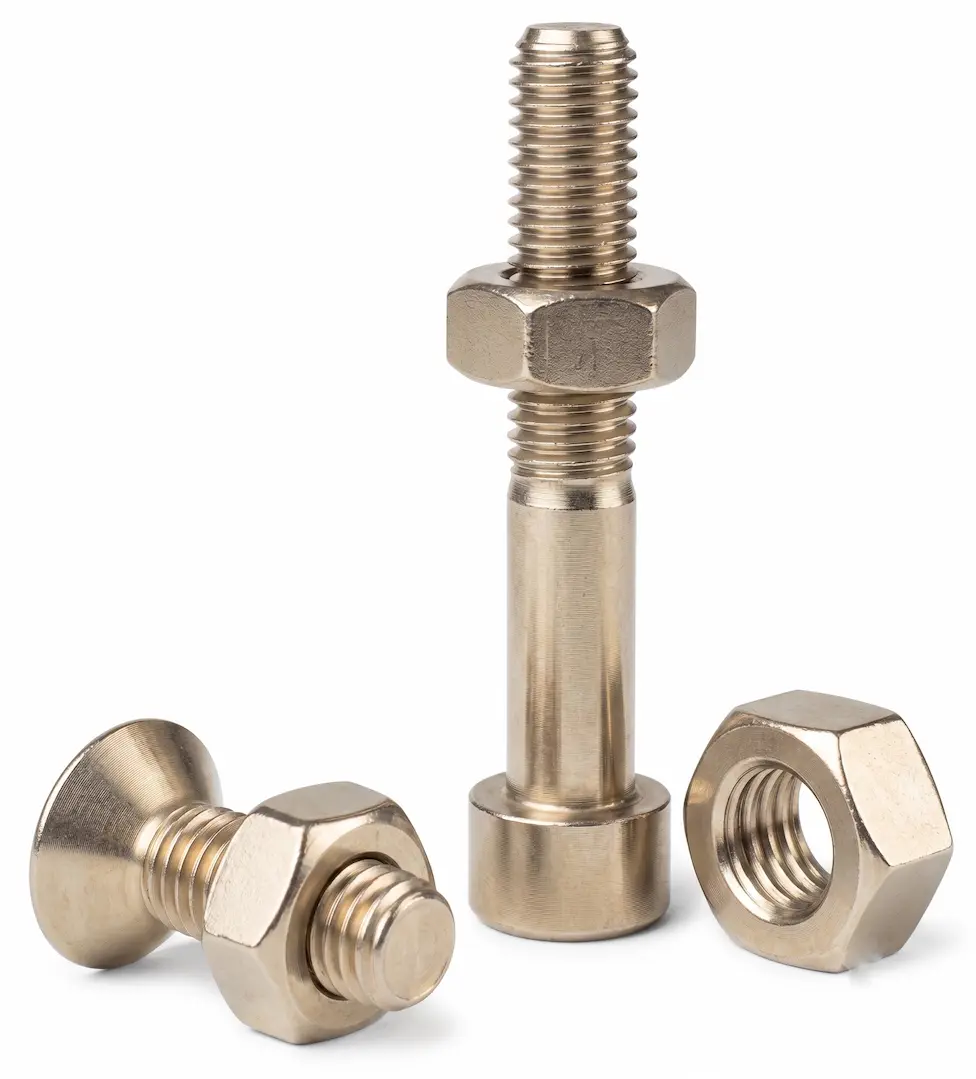
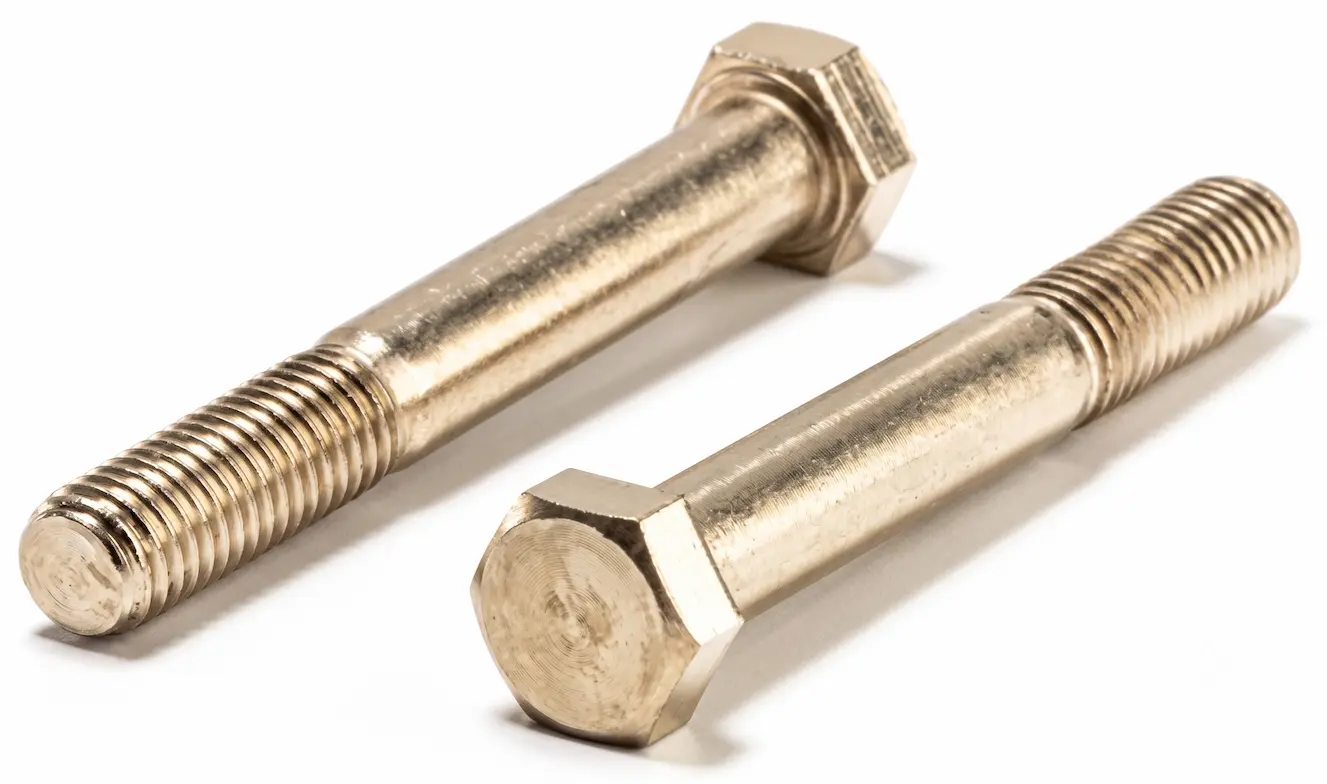
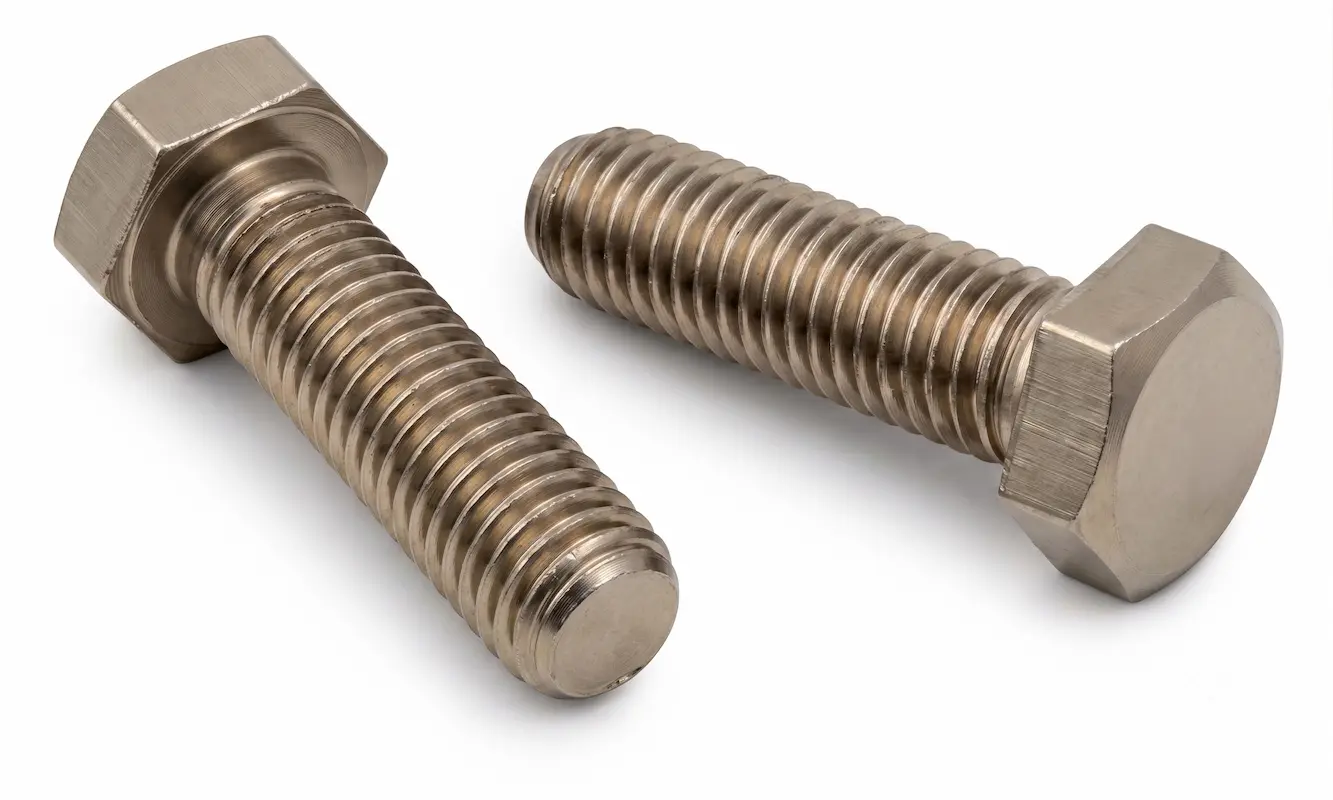
Buy Alloy 59 (UNS N06059 / Werkstoff 2.4605 / ASTM B574) bolts, stud bolts, heavy hex nuts, socket cap screws, and custom CNC fasteners from Exotic Alloy. Alloy 59 is an ultra-pure nickel-chromium-molybdenum alloy containing approximately 23% Cr and 16% Mo with an aluminium deoxidised, tungsten-free and very low carbon, silicon and sulfur chemistry, giving it the highest pitting resistance equivalent number of any commercial Ni-Cr-Mo alloy at roughly 76.

Exotic Alloy manufactures Alloy 59 fasteners conforming to ASTM B574, ASME SB-574, VdTÜV 505 and NACE MR0175 / ISO 15156-3 in metric M6–M100 and imperial ¼"–4" sizes with full EN 10204 3.1 material test certificates for flue gas desulphurisation, chemical processing, waste incineration and sour gas applications.

Request a Quote
Product Range

Alloy 59 Fasteners Available

Alloy 59 Hex Bolts
Alloy 59
Hex Bolts
Alloy 59 Heavy Hex Bolts
Alloy 59
Heavy Hex Bolts
Alloy 59 Stud Bolts
Alloy 59
Stud Bolts
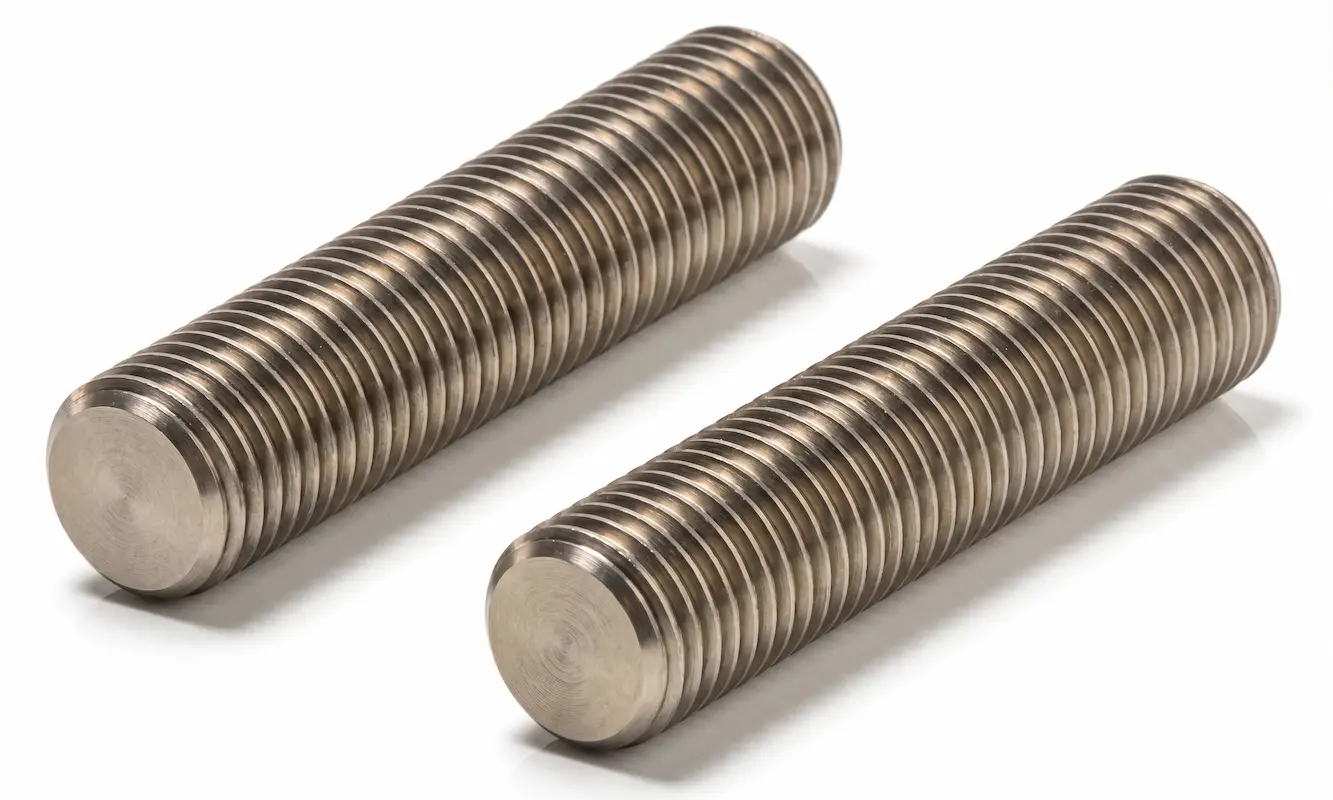
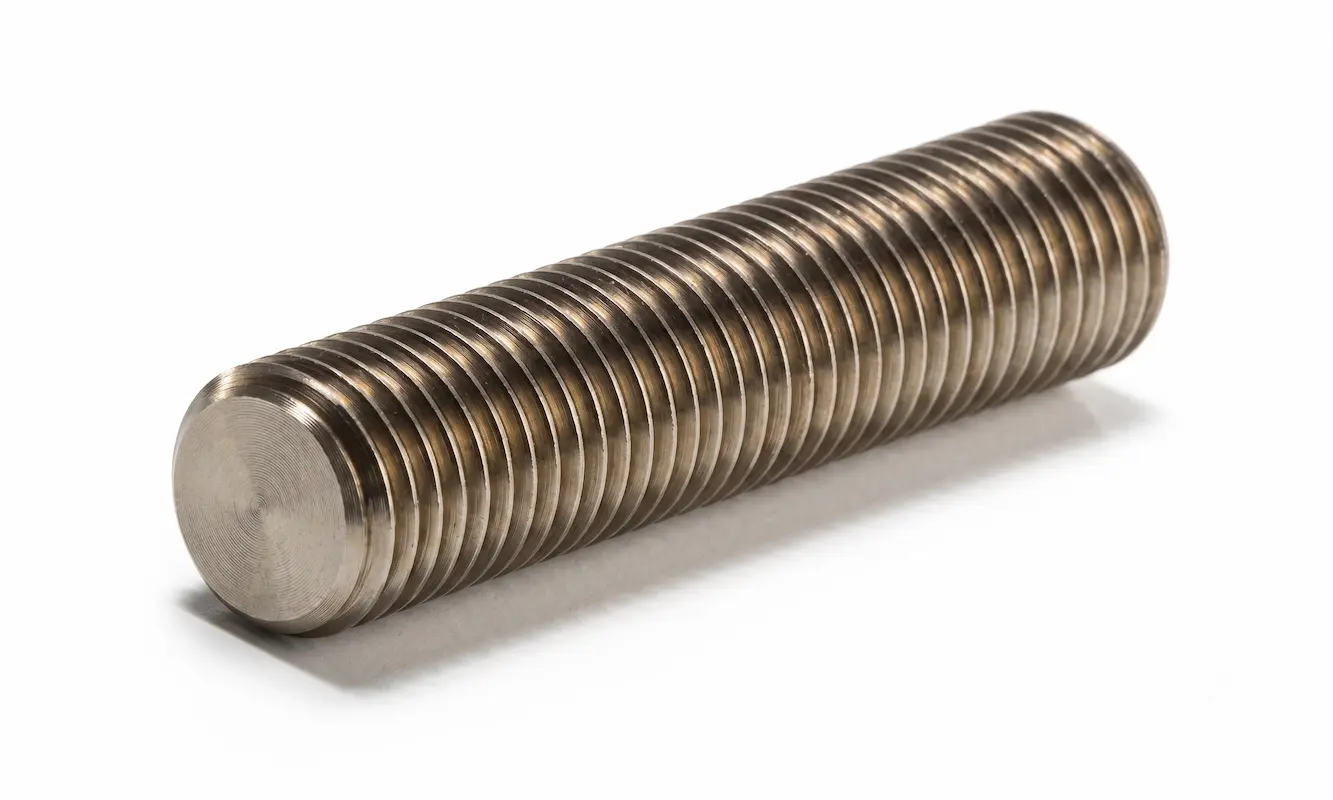
Alloy 59 Threaded Rods
Alloy 59
Threaded Rods
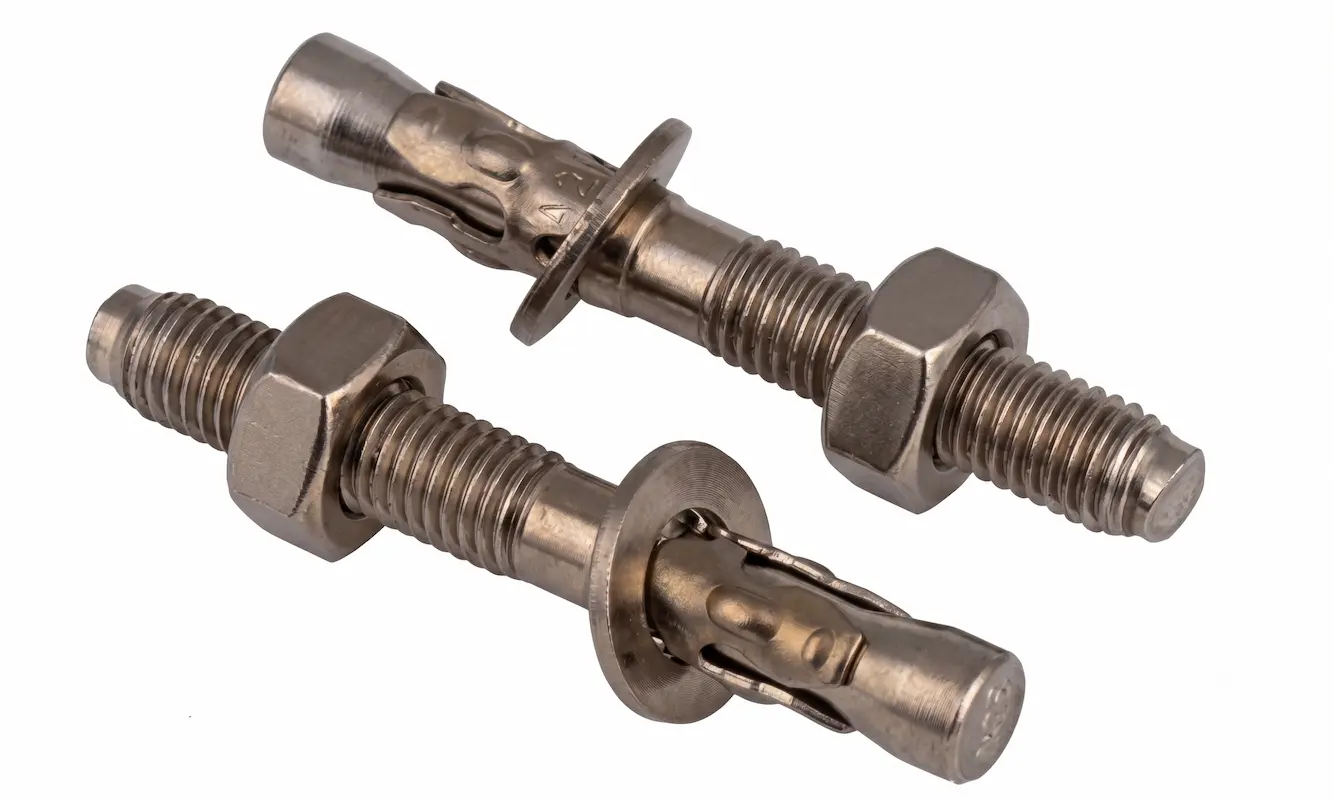
Alloy 59 Anchor Bolts
Alloy 59
Anchor Bolts
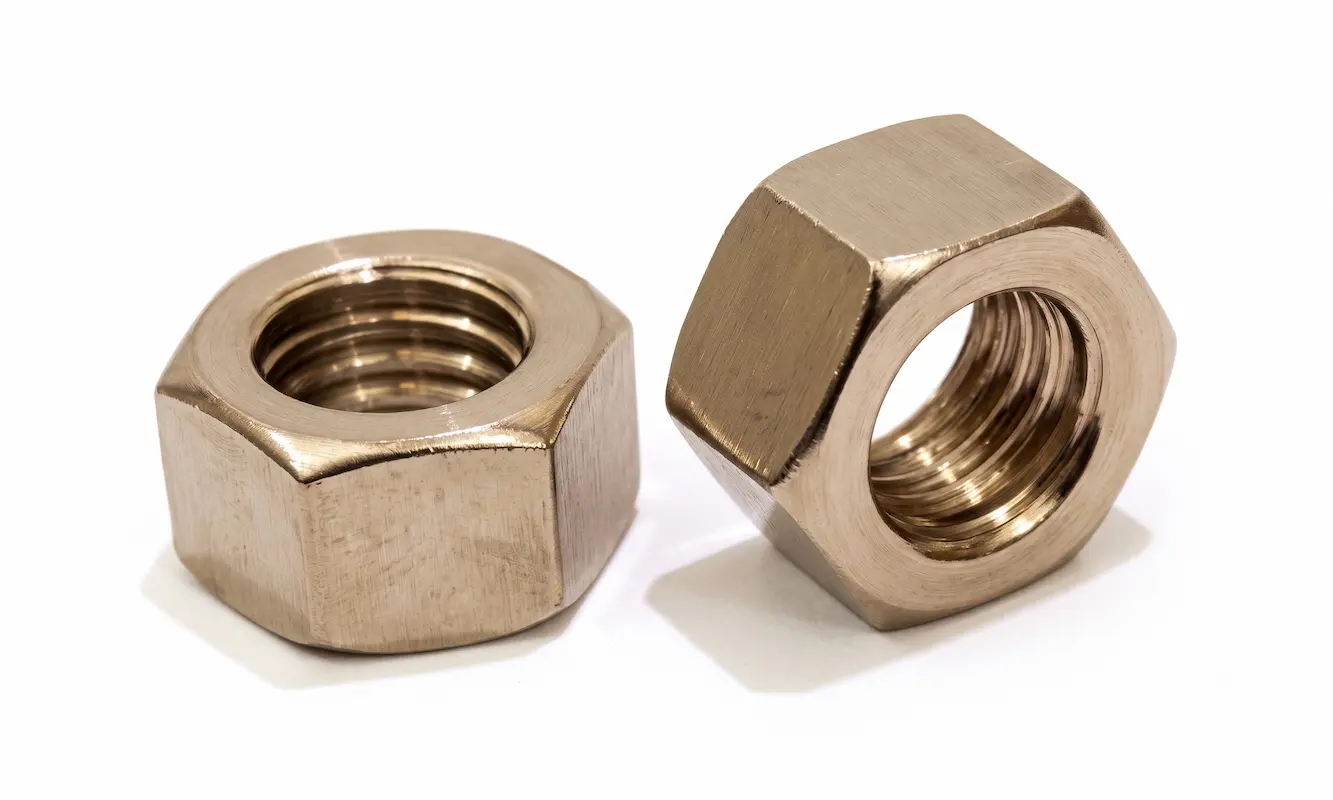
Alloy 59 Hex Nuts
Alloy 59
Hex Nuts
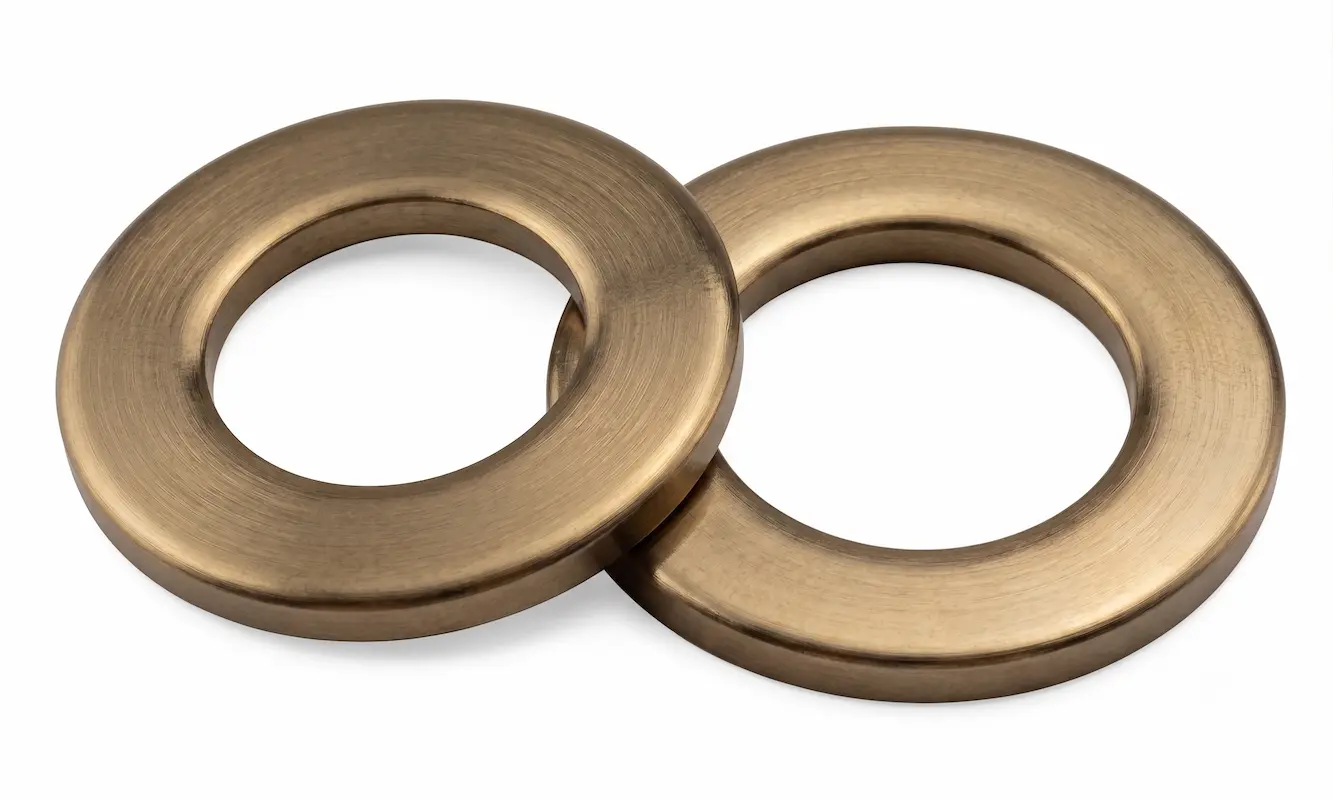
Alloy 59 Washers
Alloy 59
Washers
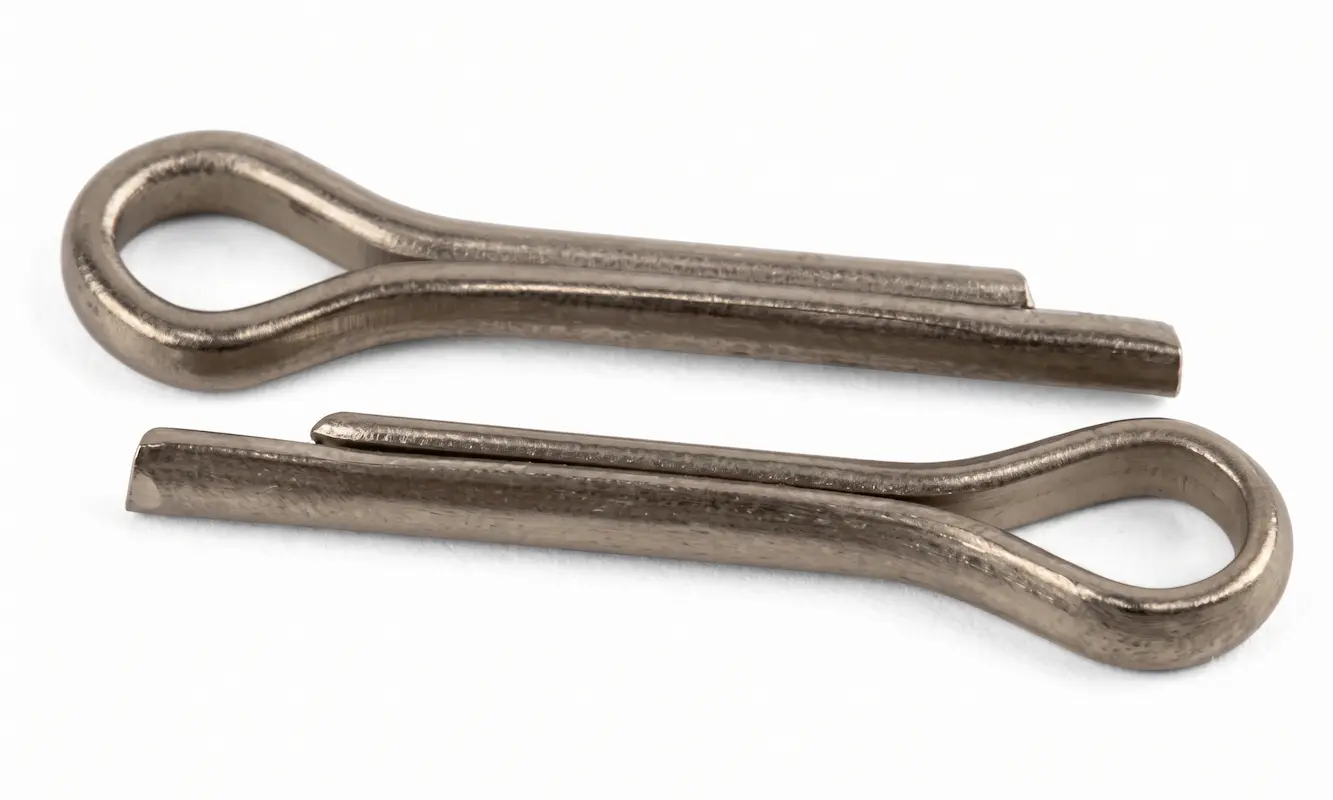
Alloy 59 Cotter Pins
Alloy 59
Cotter Pins
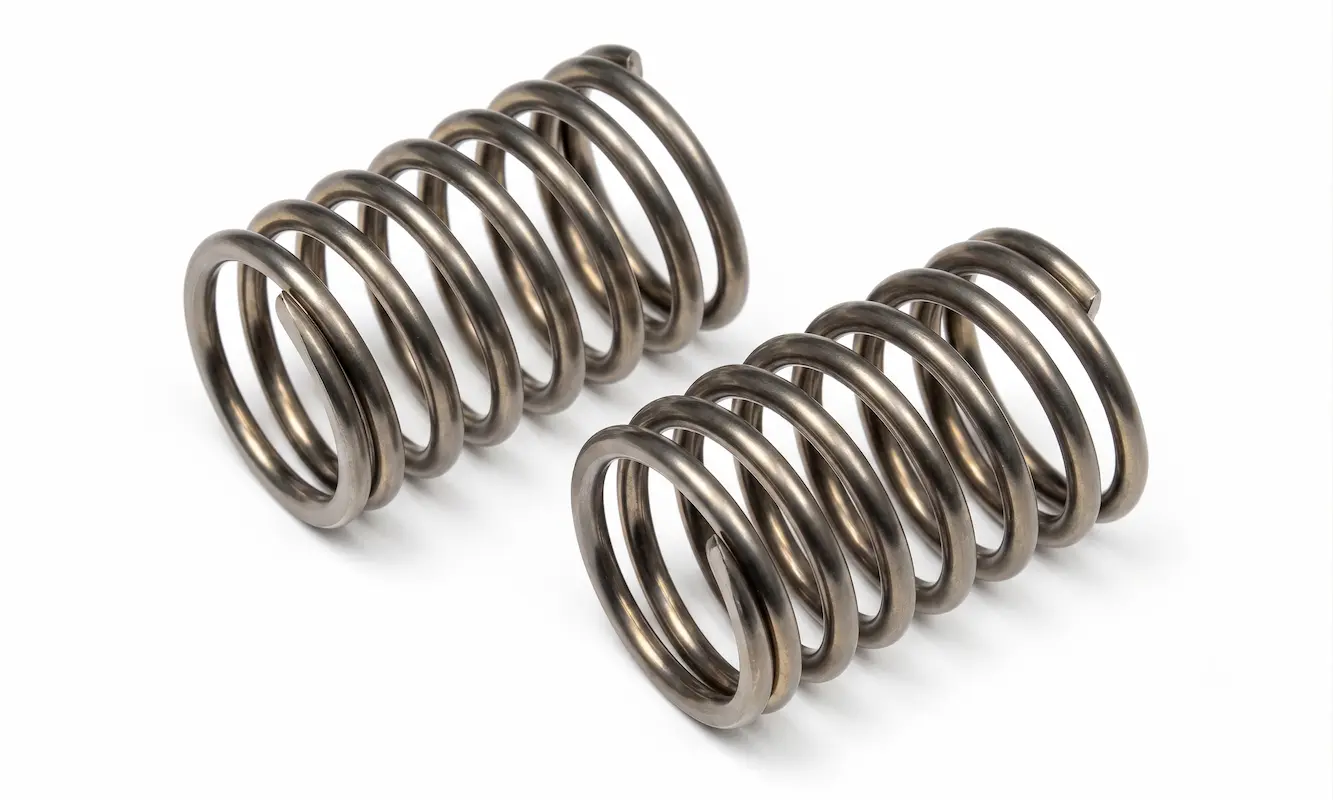
Alloy 59 Springs
Alloy 59
Springs
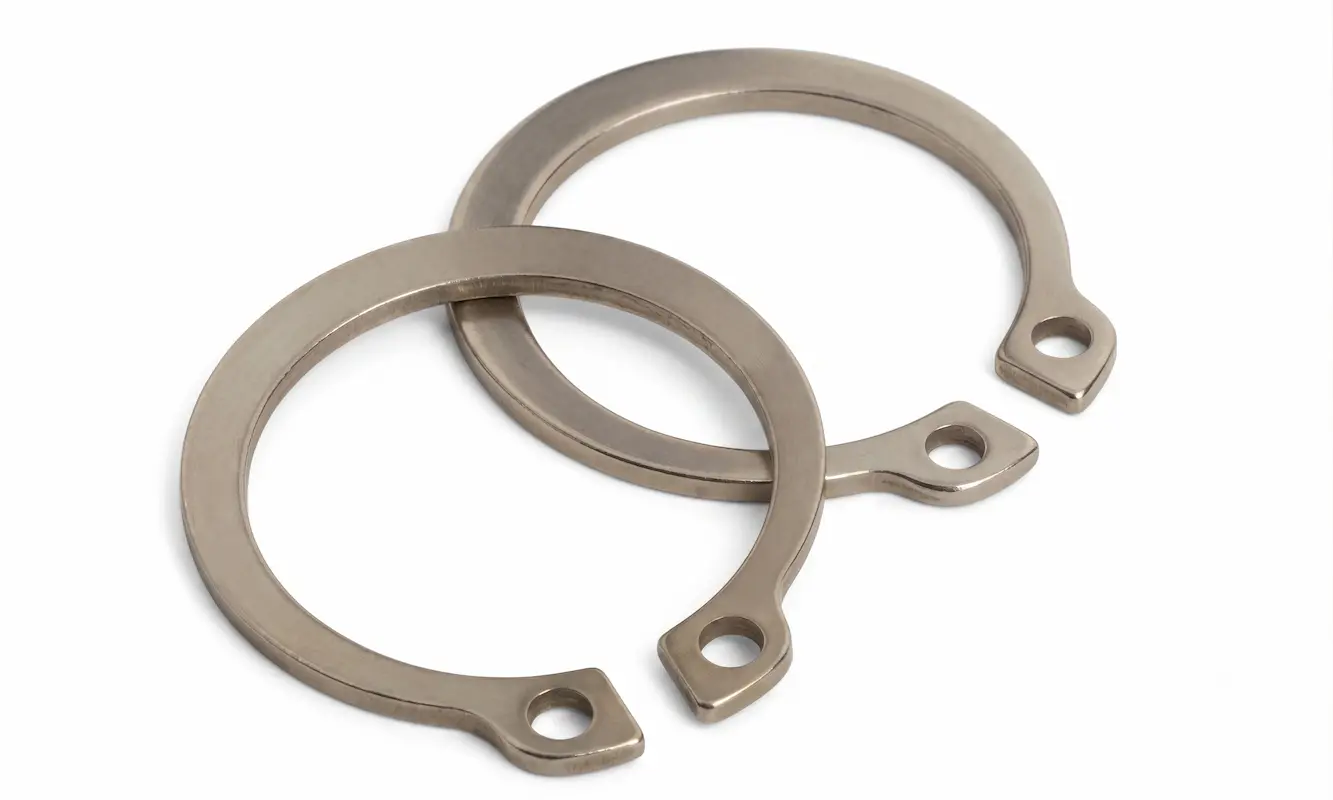
Alloy 59 Circlips
Alloy 59
Circlips
Alloy 59 Coated Fasteners
Alloy 59
Coated Fasteners
Alloy 59 Custom Spacers
Alloy 59
Custom Spacers
Technical Data

Alloy 59 Specifications

Chemical Composition — Alloy 59 (wt. %)
ElementNiCrMoFeAlCoCuSiC
Min %58.0022.0015.00–0.10––––
Max %Balance24.0016.501.500.400.300.500.100.010
Mechanical Properties — Alloy 59
ConditionUTS (MPa)YS 0.2% (MPa)Elongation (%)Hardness
Solution Annealed (ASTM B574 Minimum)≥ 690≥ 310≥ 40≤ 100 HRB
Solution Annealed (Typical Bar)7503605588 HRB
Cold Drawn / Stress Relieved880–1050600–80015–2524–31 HRC
Hot Finished Forged Bar720–820330–40045–55≤ 220 HB
Physical Properties
Density8.60 g/cm³
Melting Range1310–1360°C (2390–2480°F)
Specific Heat Capacity410 J/kg·K at 20°C
Thermal Conductivity10.4 W/m·K at 100°C
Thermal Expansion12.4 µm/m·°C (20–100°C)
Electrical Resistivity1.28 µΩ·m
Equivalent Grades & Standards
UNSWerkstoff / DINEN DesignationCommon Name
N06059 2.4605 NiCr23Mo16Al Alloy 59

Key Specifications: ASTM B574 (Rod/Bar) / ASTM B575 (Plate & Sheet) / ASTM B619, B622, B626 (Tube) / ASTM B564 (Forgings) / ASTM B462 (Flanges) / VdTÜV 505 / NACE MR0175

Machinability: Alloy 59 is tungsten-free, which makes it slightly less abrasive than C-276 and C-22, but it still work-hardens rapidly. Use rigid setups, sharp positive-rake carbide tooling at 20–35 SFM, heavy positive feeds and generous depth of cut with continuous flood coolant. Light finishing passes riding on work-hardened metal should be avoided.

Welding: Alloy 59 is welded by GTAW, GMAW, SMAW and plasma arc using matching ERNiCrMo-13 filler wire or ENiCrMo-13 electrodes. Its exceptionally low carbon, silicon, sulfur and phosphorus content gives excellent resistance to hot cracking and to grain-boundary precipitation, so welds retain essentially base-metal corrosion resistance without post-weld heat treatment. Pre-heat is not required.

Forging: Hot forge between 1100–1200°C (2010–2190°F), finishing above 980°C (1800°F) and reheating between passes as required. The ultra-low impurity chemistry gives Alloy 59 notably good hot ductility. Cold forging and cold heading are practicable in smaller diameters with intermediate anneals.

Heat Treatment: Solution anneal at 1100–1180°C (2010–2155°F) followed by rapid water quench. The alloy has excellent thermal stability and is highly resistant to the formation of embrittling intermetallic phases. Alloy 59 is not age-hardenable; strengthening above the annealed condition is achieved only by cold work, limited to 40 HRC maximum for NACE MR0175 sour service.

Alloy 59 offers the highest general and localised corrosion resistance of the commercial nickel-chromium-molybdenum alloys. Its pitting resistance equivalent number of approximately 76 places it above both C-276 and C-22 for chloride pitting and crevice corrosion, with critical crevice corrosion temperatures among the highest recorded for any alloy. It resists sulfuric, hydrochloric, phosphoric, formic and acetic acids, wet chlorine, hypochlorite, and contaminated mixed acids. The aluminium-deoxidised, tungsten-free, ultra-low-impurity chemistry also gives it outstanding resistance to intermetallic phase formation and to intergranular attack in welded assemblies.

Key Characteristics

  • Highest pitting resistance equivalent number of the Ni-Cr-Mo family — approximately 76.
  • Outstanding resistance to chloride pitting and crevice corrosion.
  • Ultra-low carbon, silicon and sulfur for excellent weld-zone performance.
  • Tungsten-free chemistry resists embrittling intermetallic phase formation.
  • NACE MR0175 / ISO 15156-3 qualified for sour hydrocarbon service.

Typical Applications

  • Flue gas desulphurisation: absorber, quench and stack liner bolting.
  • Chemical processing: mixed acid reactor and heat exchanger fasteners.
  • Waste incineration: scrubber and flue gas cleaning plant hardware.
  • Sour gas and offshore: NACE MR0175 qualified flange and wellhead bolting.
  • Pharmaceutical and fine chemicals: high-purity reactor closure fasteners.