+91 97734 41022 sales@exoticalloy.com
Super Alloys Category

Waspaloy

Waspaloy Fasteners
Age-Hardenable Ni-Cr-Co-Mo Superalloy – Gas Turbine Bolting

Waspaloy Fasteners

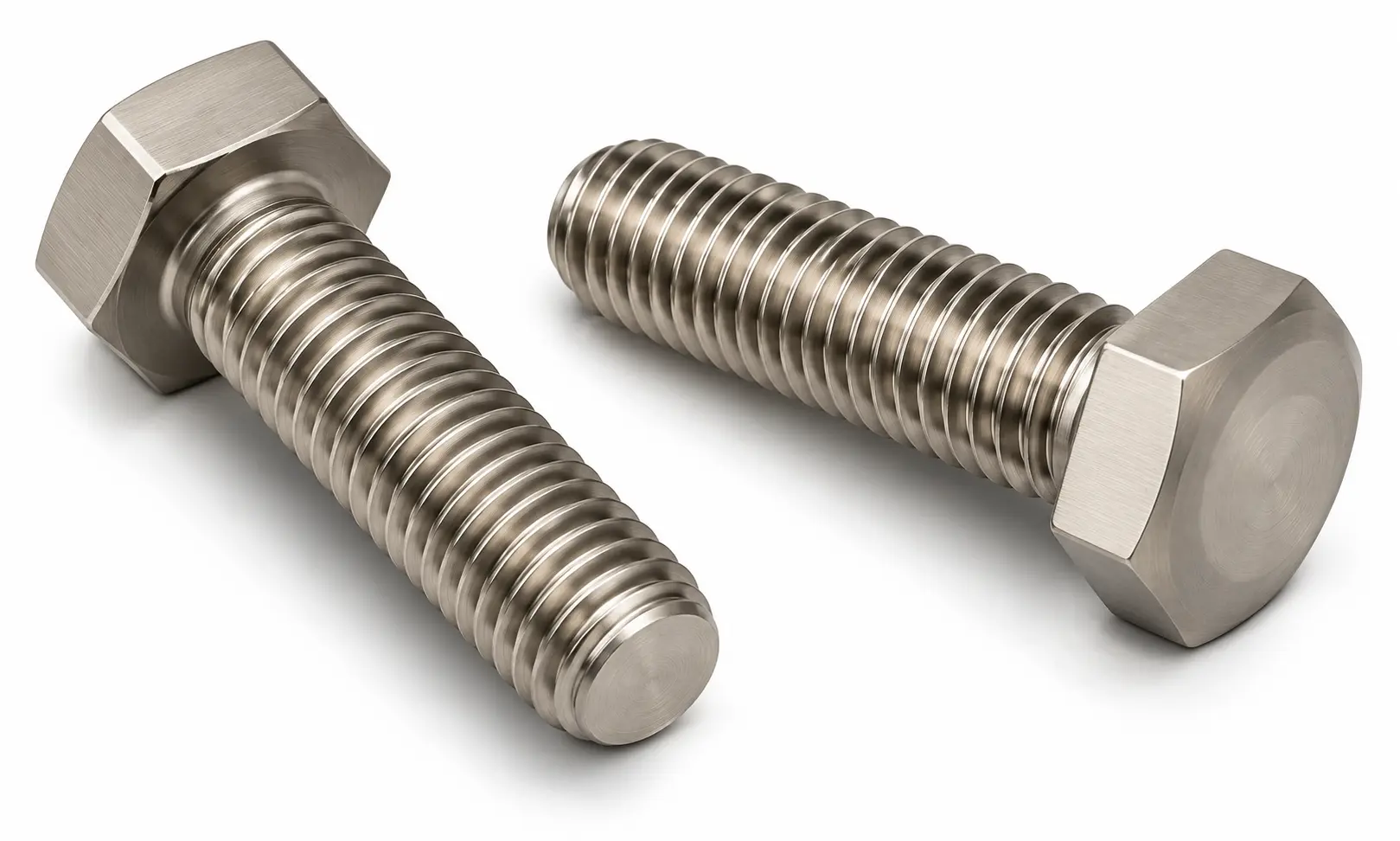
Buy Waspaloy (UNS N07001 / Werkstoff 2.4654 / AMS 5706, 5708 and 5709) bolts, stud bolts, heavy hex nuts, socket cap screws, threaded rods and custom CNC fasteners from Exotic Alloy. Waspaloy is a nickel-base, age-hardenable superalloy whose high-temperature strength comes from both solid-solution strengthening — molybdenum, cobalt and chromium — and gamma prime precipitation from aluminium and titanium. Its producer states plainly that its strength and stability ranges are higher than those typically available from alloy 718, which is the comparison most buyers actually need.

Exotic Alloy manufactures Waspaloy fasteners from VIM/VAR or VIM/ESR double-vacuum-melted stock to ASTM B637 and the SAE AMS 5704, 5706, 5707, 5708, 5709 and 5828 series, in metric M6–M64 and imperial ¼"–2½" sizes, with full EN 10204 3.1 material test certificates. Service capability is up to 650°C for critical rotating applications and up to 870°C for less demanding duty.

Request a Quote
Product Range

Waspaloy Fasteners Available

Waspaloy Hex Bolts
Waspaloy
Hex Bolts
Waspaloy Heavy Hex Bolts
Waspaloy
Heavy Hex Bolts
Waspaloy Stud Bolts
Waspaloy
Stud Bolts
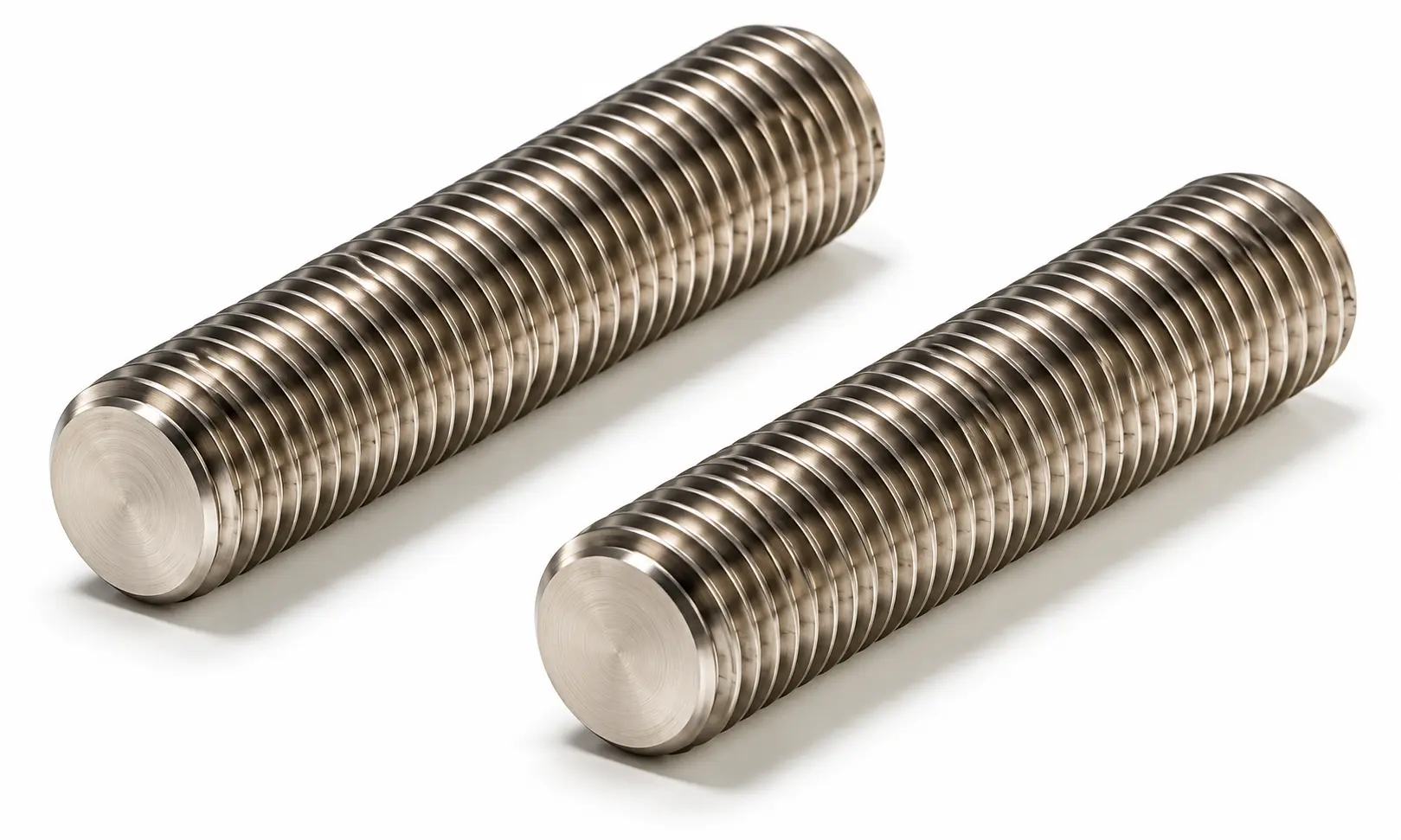
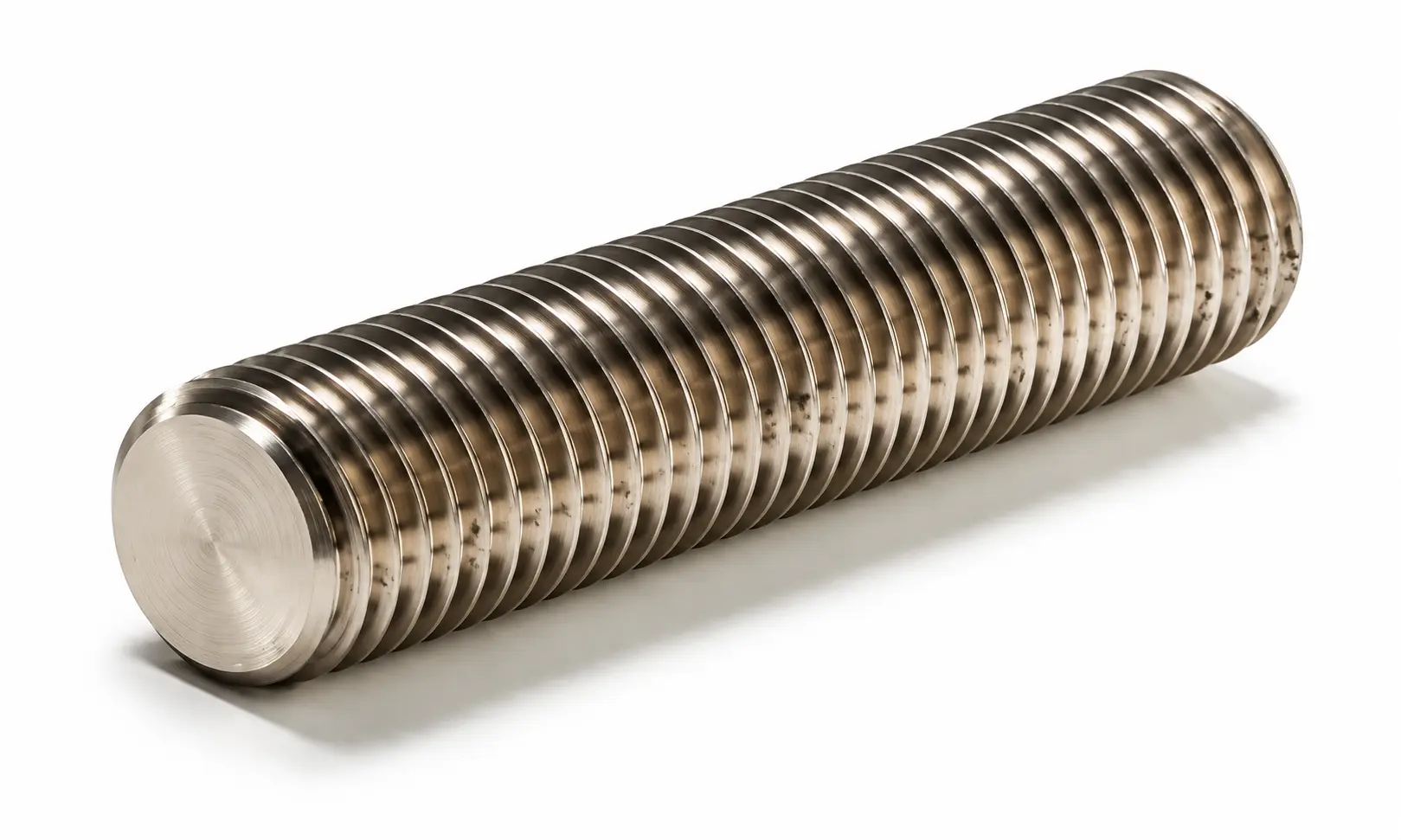
Waspaloy Threaded Rods
Waspaloy
Threaded Rods
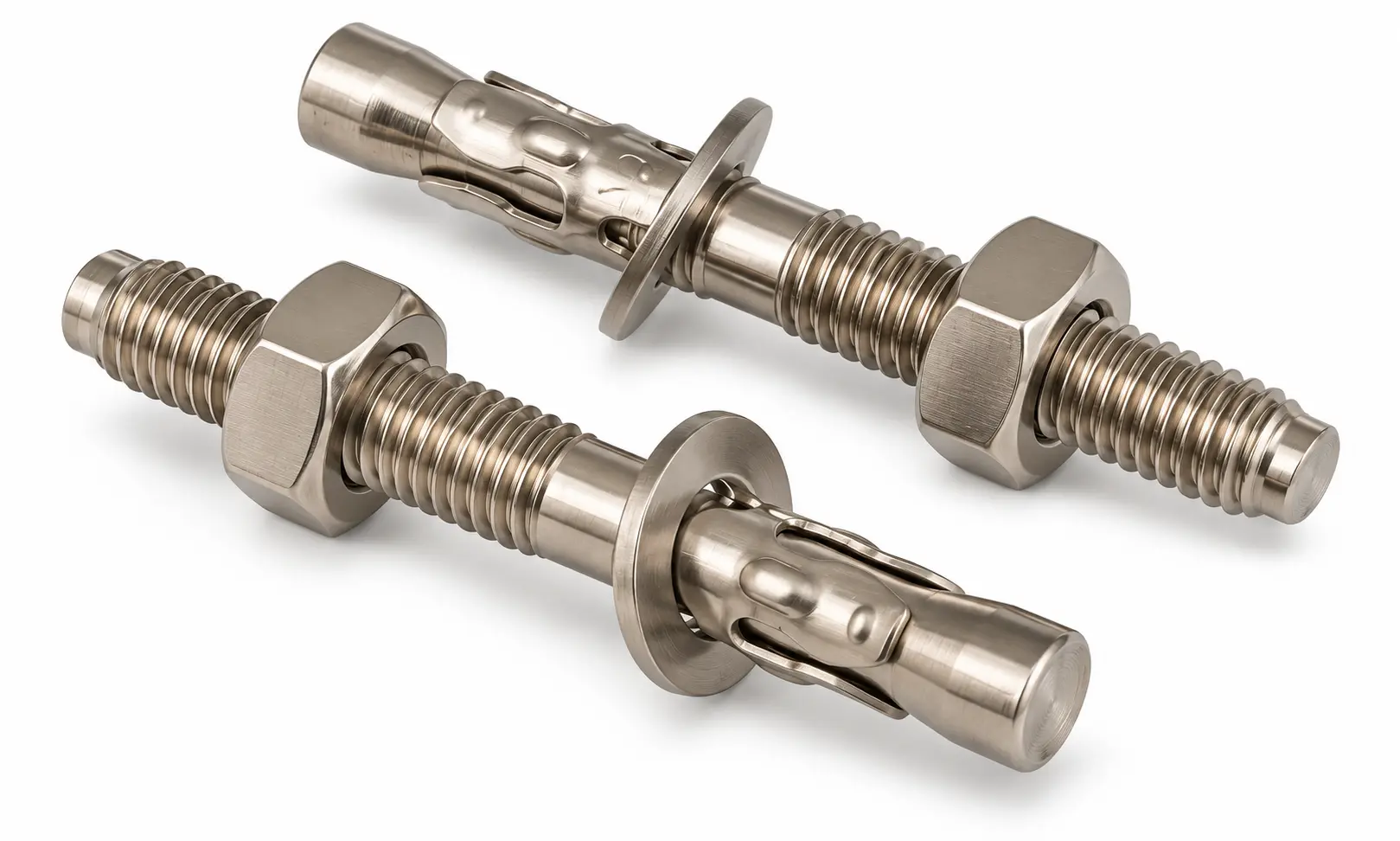
Waspaloy Anchor Bolts
Waspaloy
Anchor Bolts
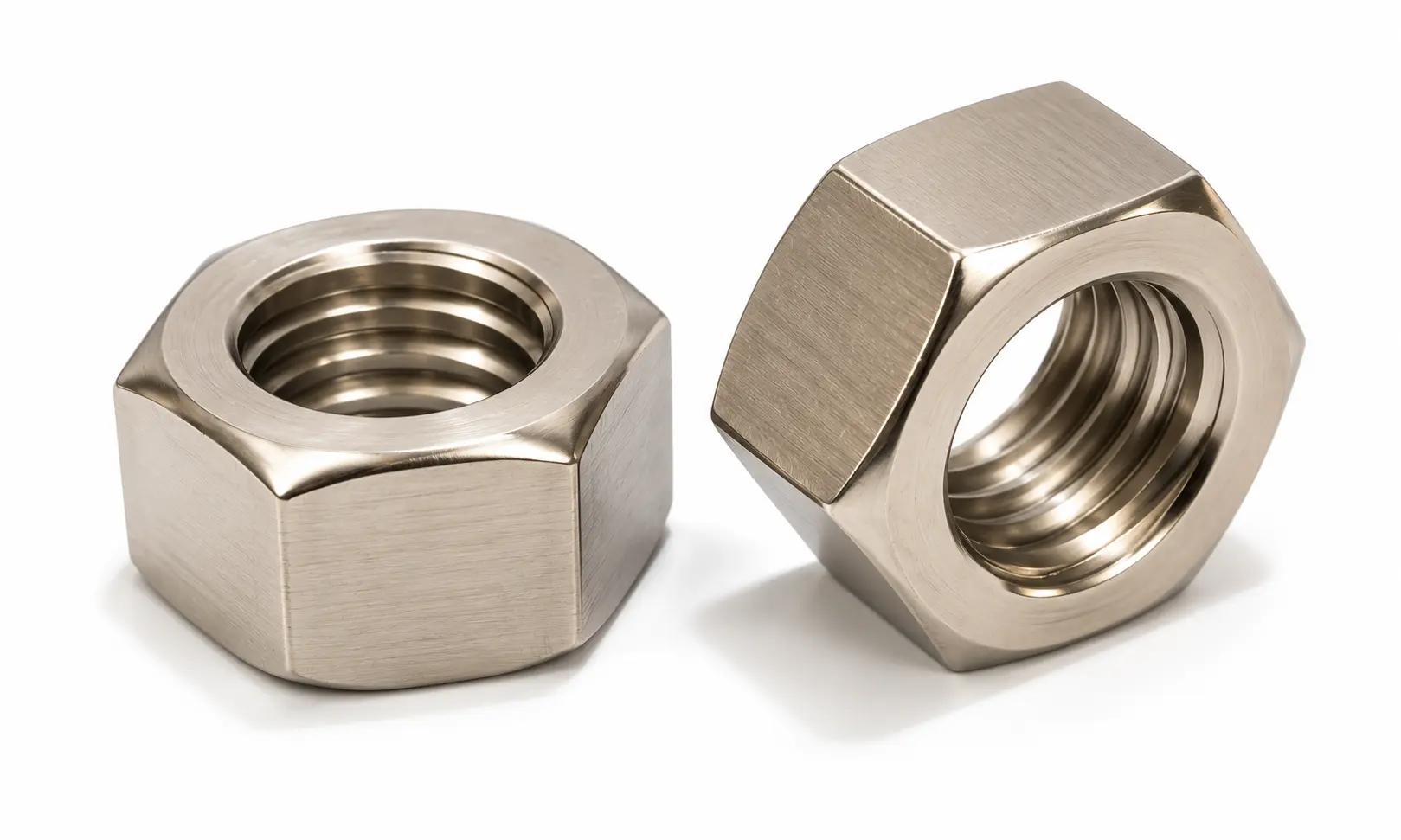
Waspaloy Hex Nuts
Waspaloy
Hex Nuts
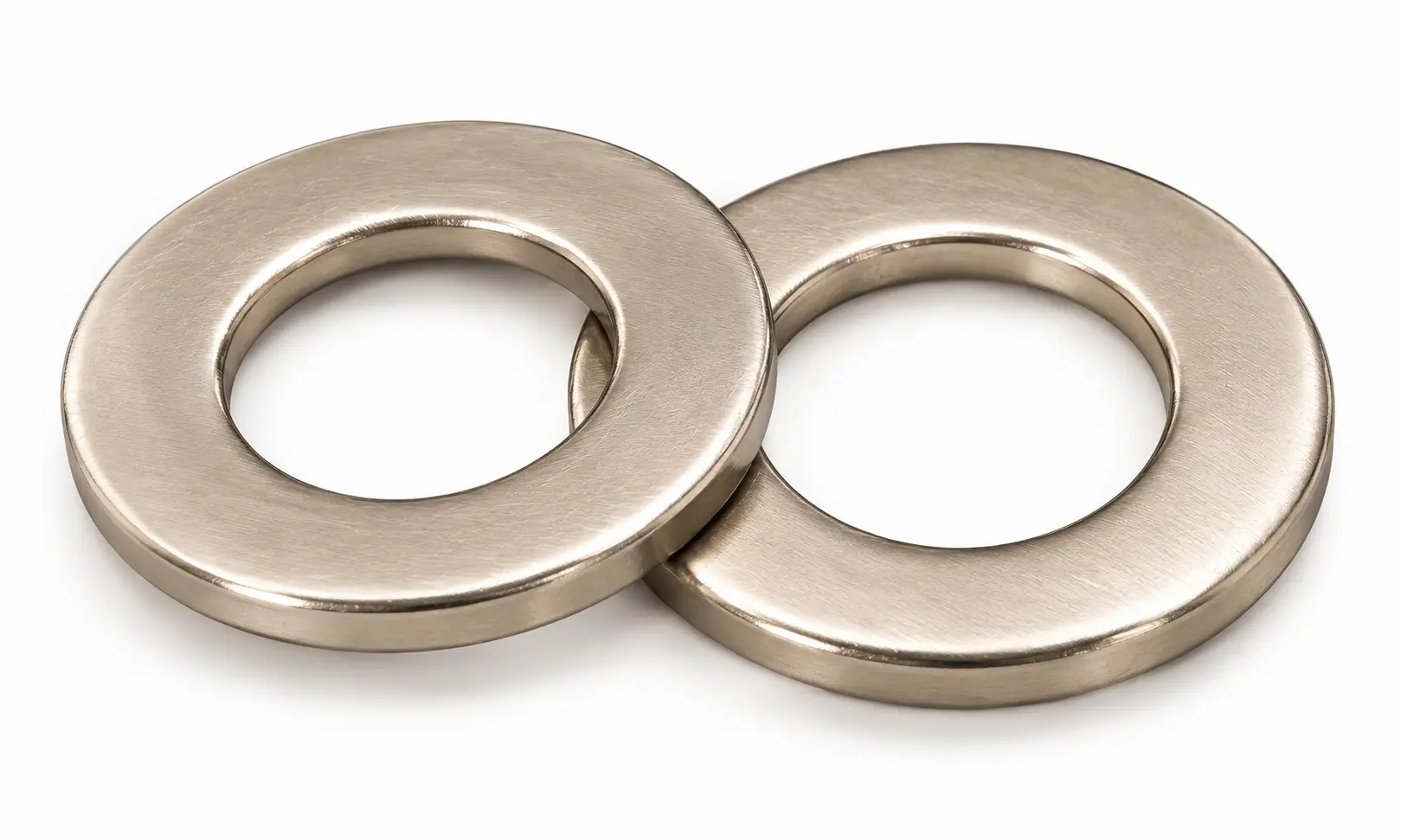
Waspaloy Washers
Waspaloy
Washers
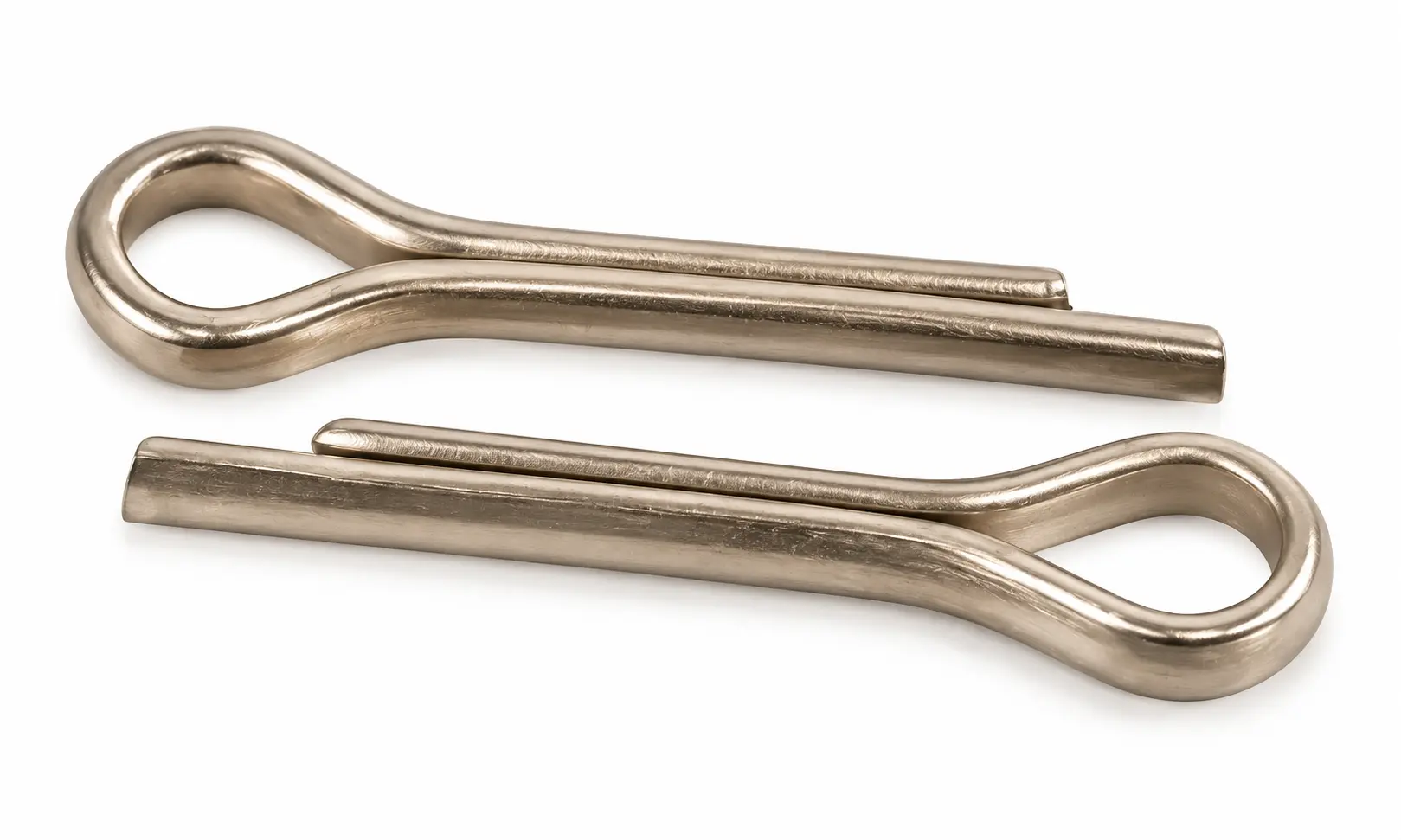
Waspaloy Cotter Pins
Waspaloy
Cotter Pins
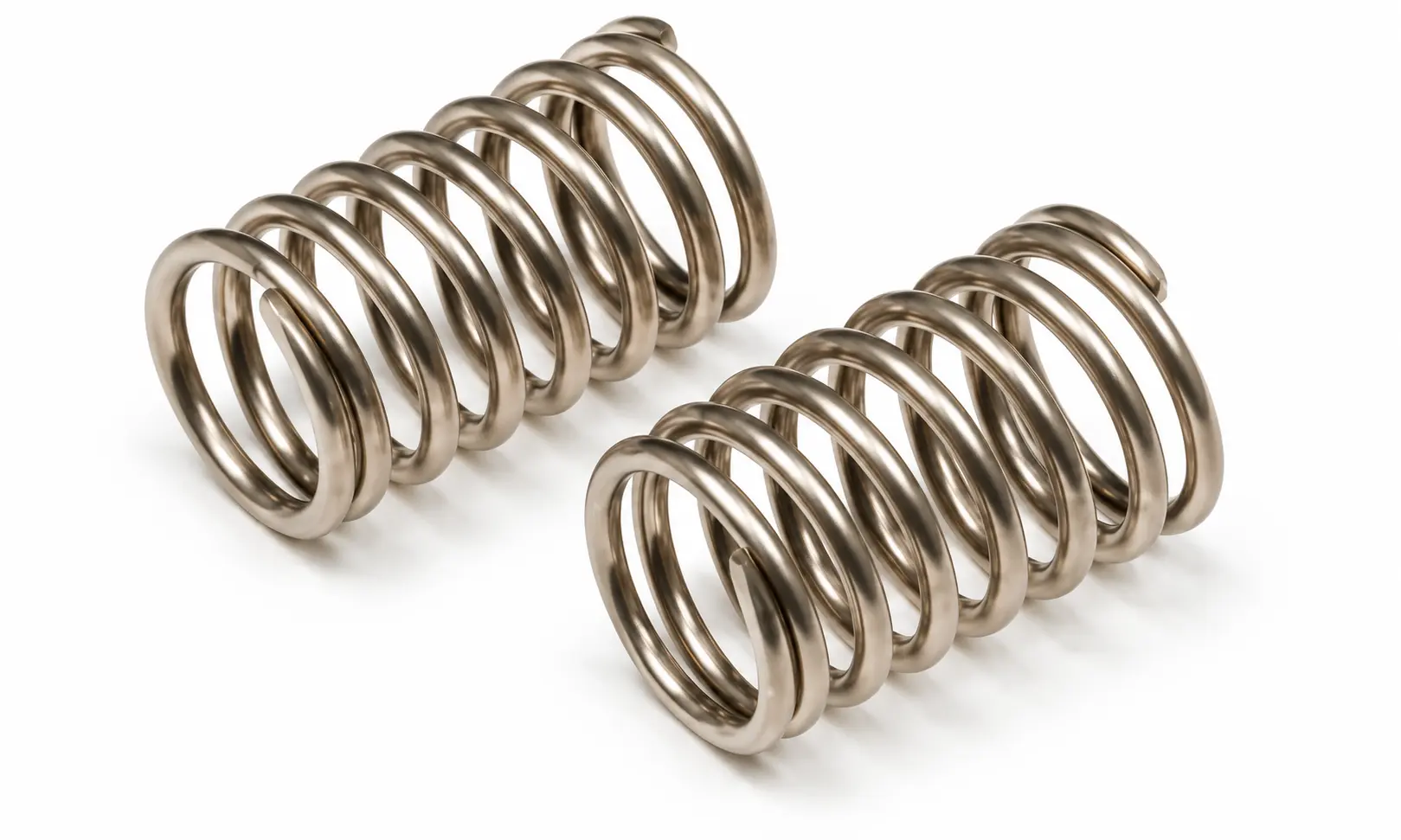
Waspaloy Springs
Waspaloy
Springs
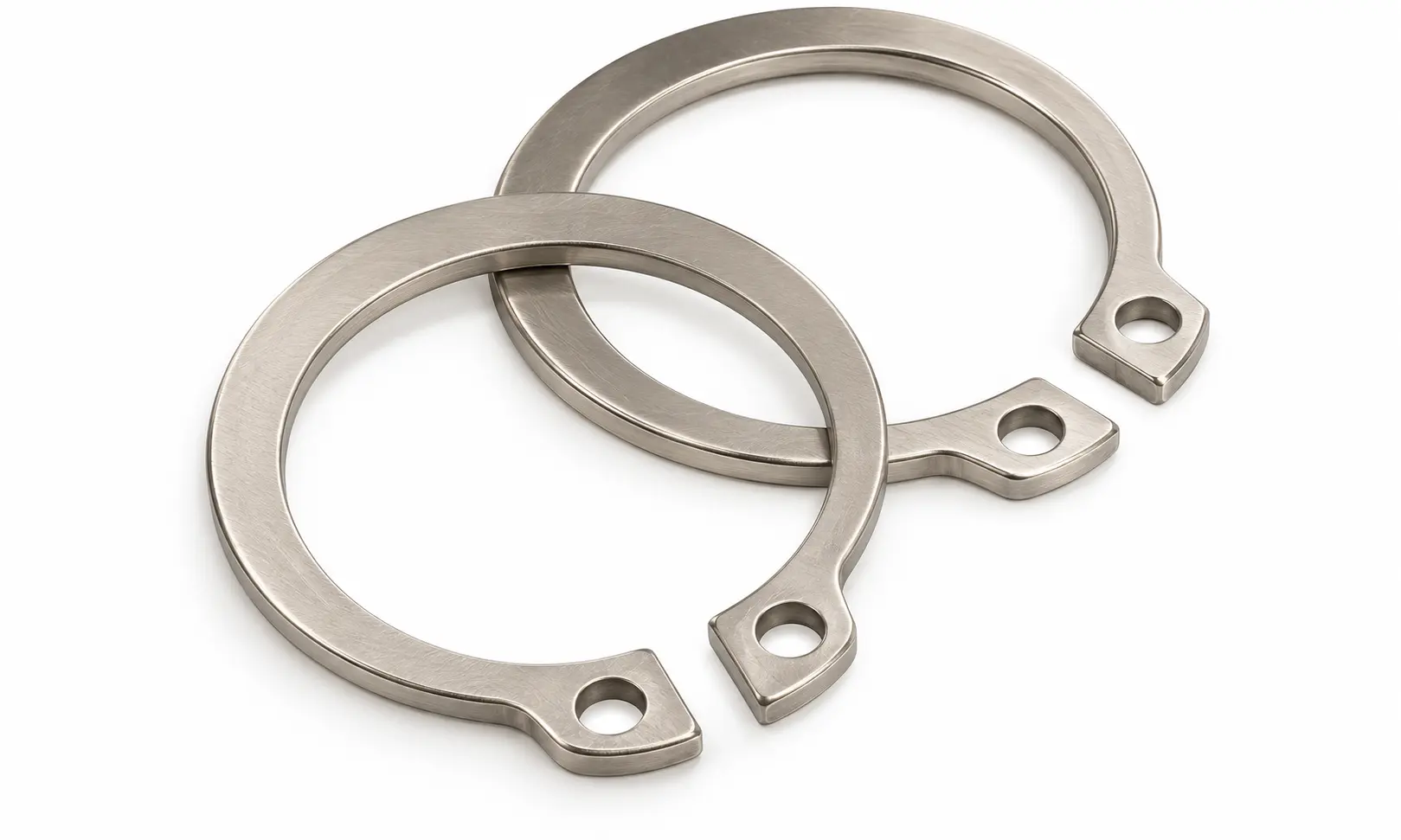
Waspaloy Circlips
Waspaloy
Circlips
Waspaloy Coated Fasteners
Waspaloy
Coated Fasteners
Waspaloy Custom Spacers
Waspaloy
Custom Spacers
Technical Data

Waspaloy Specifications

Limiting Chemical Composition — Waspaloy, UNS N07001 (wt. %)
ElementNiCrCoMoTiAlZrBCFe
Min %Balance18.0012.003.502.751.200.020.0030.02–
Max %Balance21.0015.005.003.251.600.120.0100.102.00

Balance also permits Mn 1.00 max, Si 0.75 max, Cu 0.50 max, S 0.030 max and P 0.030 max. Commercial chemistries for specific applications are usually held much tighter than the UNS limits and defined to meet customer requirements on individual orders.

Mechanical Properties & Hardness by Condition — Waspaloy
ConditionUTS (MPa)YS 0.2% (MPa)Elongation (%)Hardness
Solution Treated 1080°C / 4 h / AC–––20–25 HRC
Fully Heat Treated — Route A (creep optimised)–––34–40 HRC
Fully Heat Treated — Route B (tensile optimised)–––34–44 HRC
Solution Treated, Stabilised & Aged (Published Sheet Data)~1170~76015–
Stabilised & Aged (Published Minimum)≥ 1100–––

Hardness values are from the producer datasheet and are the reliable figures here. The tensile rows are published values for sheet, not bar or fasteners, and published figures for this alloy vary appreciably with the exact solution and ageing cycle. Bolt tensile, yield and elongation minimums must be taken from the governing AMS revision or customer drawing, not from catalogue data; our certified test values for your actual heat treatment are supplied with every batch.

1000-Hour Creep Rupture Strength — Heat Treatment Route A
Temperature649°C (1200°F)704°C (1300°F)760°C (1400°F)816°C (1500°F)870°C (1600°F)
Rupture Strength (MPa)615450290180110
Rupture Strength (ksi)8965422616

For a sustained-load bolted joint at temperature, rupture strength and stress relaxation matter more than room-temperature tensile strength — a joint that has relaxed has lost its preload long before the material is in distress. These figures show why Waspaloy is specified where alloy 718 runs out of capability.

Physical Properties
Density8.19 g/cm³ (0.296 lb/in³)
Melting Range1330–1360°C (2425–2475°F)
Thermal Expansion12.2 µm/m·°C (21–93°C)
Thermal Expansion13.9 µm/m·°C (21–538°C)
Modulus of Elasticity211 GPa at 21°C · 184 GPa at 538°C · 157 GPa at 871°C
Electrical Resistivity1.24 µΩ·m solution treated · 1.20 µΩ·m fully aged
Magnetic Permeability1.004 at H = 200 oersteds, solution treated and aged
Service TemperatureTo 650°C rotating · to 870°C less demanding duty
Designations & Specifications
UNSWerkstoff / DINMelting RouteCommon Name
N07001 2.4654 VIM/VAR or VIM/ESR Waspaloy

Rod, Bar, Wire & Forging Stock: ASTM B637 / ISO 9723, 9724, 9725 / SAE AMS 5704, 5706, 5707, 5708, 5709, 5828 / SAE MAM 5706 / AECMA PrEN 2193, 2194, 2406, 2958, 2959, 2960, 3220

Plate, Sheet & Strip: SAE AMS 5544 / AECMA PrEN 2195

Note on the AMS numbers: these specifications differ chiefly in product form and in whether material is delivered solution treated only or fully heat treated — AMS 5706 and 5708 are commonly the solution-treated condition and AMS 5704 and 5709 the fully treated condition. Published summaries disagree on the detail, so confirm against the current SAE revision. Fastener stock is usually ordered solution treated so that machining and thread rolling precede the age, which is the route we run.

Machinability: the producer describes Waspaloy as among the more difficult of the superalloys to machine, and that is not understatement — it work-hardens very rapidly and carries a substantial gamma prime fraction. Machine in the solution-treated condition at 20–25 HRC wherever possible, using rigid setups, sharp positive-rake carbide at low surface speed, heavy uninterrupted feeds, generous depth of cut and continuous flood coolant. Exotic Alloy completes machining and rolls threads before the stabilisation and age, which both avoids cutting a fully aged 40 HRC part and produces a cold-worked, grain-flow-continuous thread with far better fatigue life.

Cold Forming: the alloy may be cold worked by hydroforming, drawing, spinning, bending and roll forming, and is considerably stronger than the AISI 300 series stainless steels at room temperature. Notably, annealed Waspaloy bar has been successfully cold-headed into fastener configurations — this is a genuine bolting alloy, not a disc alloy pressed into service. Intermediate annealing is normally required because the alloy work hardens very rapidly.

Welding: Waspaloy is generally regarded as a material that is not readily weldable outside very carefully controlled circumstances. It can be fusion welded by argon-arc methods with matched-composition filler, and heavy sections, thin sheet and tubing joints are all made that way, but the alloy can display hot-short behaviour and shows some sensitivity to strain cracking. The high-temperature strength of a weld after heat treatment is lower than that of heat-treated wrought material, so welds should be avoided at high-stress locations. Weld only in the solution-treated condition, and re-solution treat all welded components before service.

Hot Working: hot work in the 1170–980°C (2140–1800°F) range. That window is bounded at both ends for good reason — below 980°C the alloy work hardens rapidly and may crack, and above 1180°C it becomes hot short. Reheat between passes rather than continuing below the finishing temperature.

Heat Treatment — two routes, and the choice matters: Waspaloy is heat treated in a three-step sequence of solution treatment, stabilisation and age hardening, and the producer publishes two distinct cycles that optimise for different things.

Route A — for optimum high-temperature creep and stress-rupture properties: solution treat at 1080°C (1975°F) for 4 hours, air cool, giving 20–25 HRC; stabilise at 845°C (1550°F) for 24 hours, air cool; age at 760°C (1400°F) for 16 hours, air cool, giving 34–40 HRC.

Route B — for optimum room- and high-temperature tensile properties: solution treat at 995–1035°C (1825–1895°F) for 4 hours with an oil quench; stabilise at 845°C (1550°F) for 4 hours, air cool; age at 760°C (1400°F) for 16 hours, air cool, giving 34–44 HRC.

Route A is the one to specify for a sustained-load joint at temperature; Route B where room-temperature proof load governs. Confirm which cycle your drawing calls for at order stage. Scale formed during heat treatment in oxidising atmospheres is removed by acid pickling or mechanically.

Waspaloy is rated for service up to 650°C (1200°F) for critical rotating applications, and up to 870°C (1600°F) for other, less demanding applications — the distinction is deliberate and worth respecting, because a rotating component carries cyclic stress that a static bolted joint does not. Oxidation resistance is good under conditions of frequent thermal cycling and in continuous exposure to temperatures up to 1038°C (1900°F), and the alloy has performed well both in gas turbine engine atmospheres and in salt spray environments.

One point that often surprises buyers: solution-treated material offers the best levels of corrosion resistance, so the fully aged condition that gives the highest strength is not the condition that gives the best corrosion performance. Where both matter, the trade-off should be discussed at design stage.

For sustained-load bolting the governing property is usually stress relaxation rather than tensile strength or oxidation — a joint that has relaxed has lost its preload long before the metal is in any distress. The 1000-hour rupture figures above are the right starting point, and relaxation data for the intended temperature and hold time should be reviewed before finalising a design.

An even higher strength “super Waspaloy” chemistry exists for more demanding applications; ask us if standard Waspaloy is marginal for your duty.

Key Characteristics

  • Strength and stability ranges higher than those typically available from alloy 718.
  • Dual strengthening — solid solution from Mo, Co and Cr plus gamma prime from Al and Ti.
  • 1000-hour rupture strength of 615 MPa at 649°C and 290 MPa at 760°C.
  • Good oxidation resistance under thermal cycling and to 1038°C continuous exposure.
  • Can be cold-headed into fastener forms from annealed bar.

Typical Applications

  • Gas turbines: engine fastener assemblies and hot-section bolting.
  • Compressor and rotor discs, shafts, spacers and seals.
  • Rings and casings requiring strength with oxidation resistance.
  • Airframe assemblies and missile system hardware.
  • High-temperature springs and wire-form components.

Waspaloy is a trademark of United Technologies Corporation. Exotic Alloy is an independent manufacturer and is not affiliated with or endorsed by the trademark holder; the designation is used solely to identify the alloy chemistry, which is defined by UNS N07001.