+91 97734 41022 sales@exoticalloy.com
Material Specification

Grade 12

Grade 12 Fasteners
Molybdenum-Nickel Titanium Alloy – Crevice Resistance with 483 MPa Strength

Titanium Grade 12 Fasteners

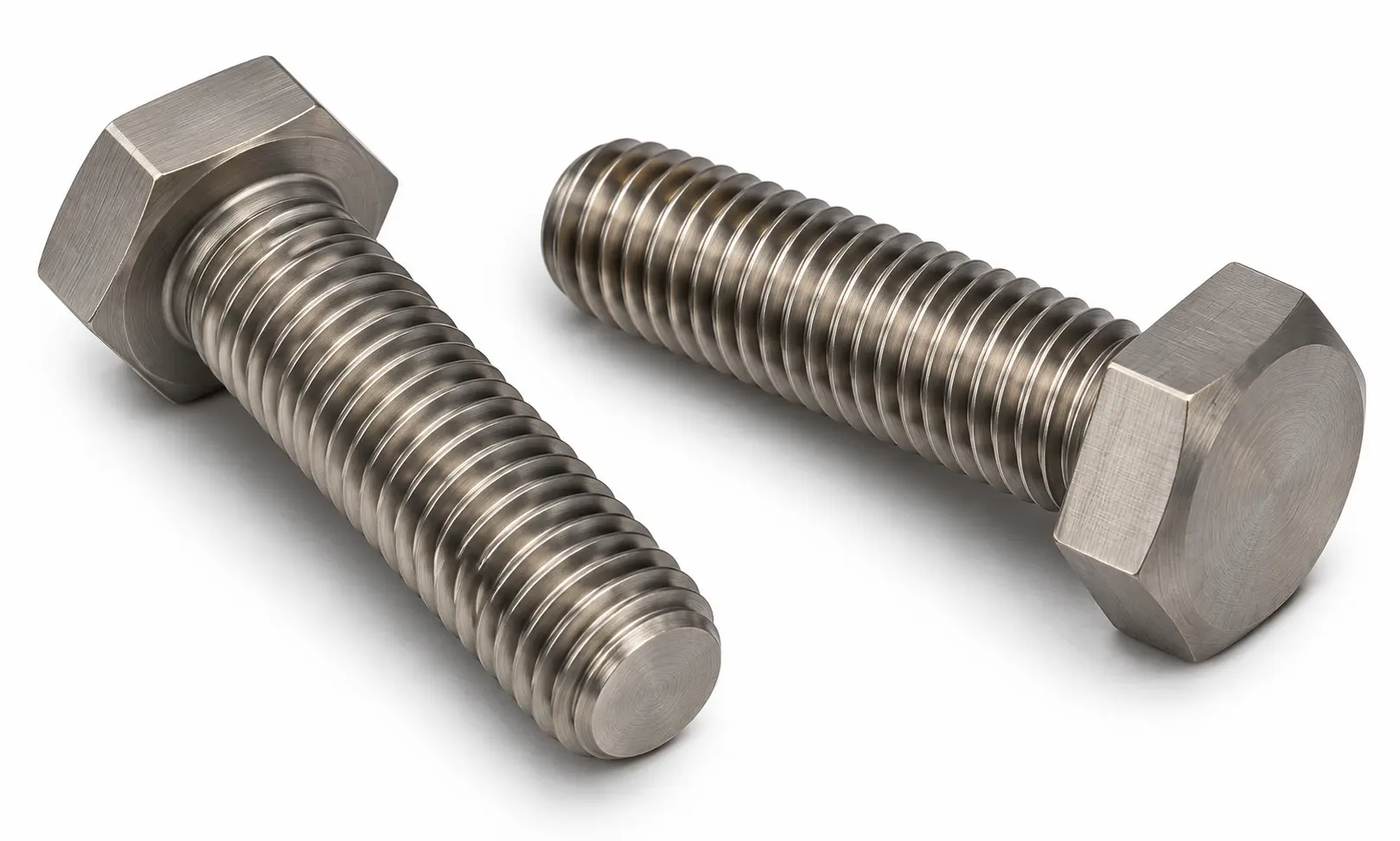
Buy Titanium Grade 12 (Ti-0.3Mo-0.8Ni / UNS R53400 / ASTM B348 Grade 12) bolts, stud bolts, hex nuts, washers and custom CNC fasteners from Exotic Alloy. Grade 12 is a lean titanium alloy carrying 0.2 to 0.4% molybdenum and 0.6 to 0.9% nickel, developed to deliver much of the crevice corrosion resistance of palladium-bearing Grade 7 without the palladium cost — while also providing a specified minimum 483 MPa tensile strength, 40% above Grade 2.

Exotic Alloy manufactures Grade 12 titanium fasteners to ASTM B348, ASTM B265, ASTM B381 and ASTM F467 and F468, in metric M3–M48 and imperial #6–2" sizes, with full EN 10204 3.1 material test certificates for hot brine, chemical processing, geothermal and heat exchanger applications where both elevated-temperature crevice resistance and strength are required.

Request a Quote
Product Range

Grade 12 Fasteners Available

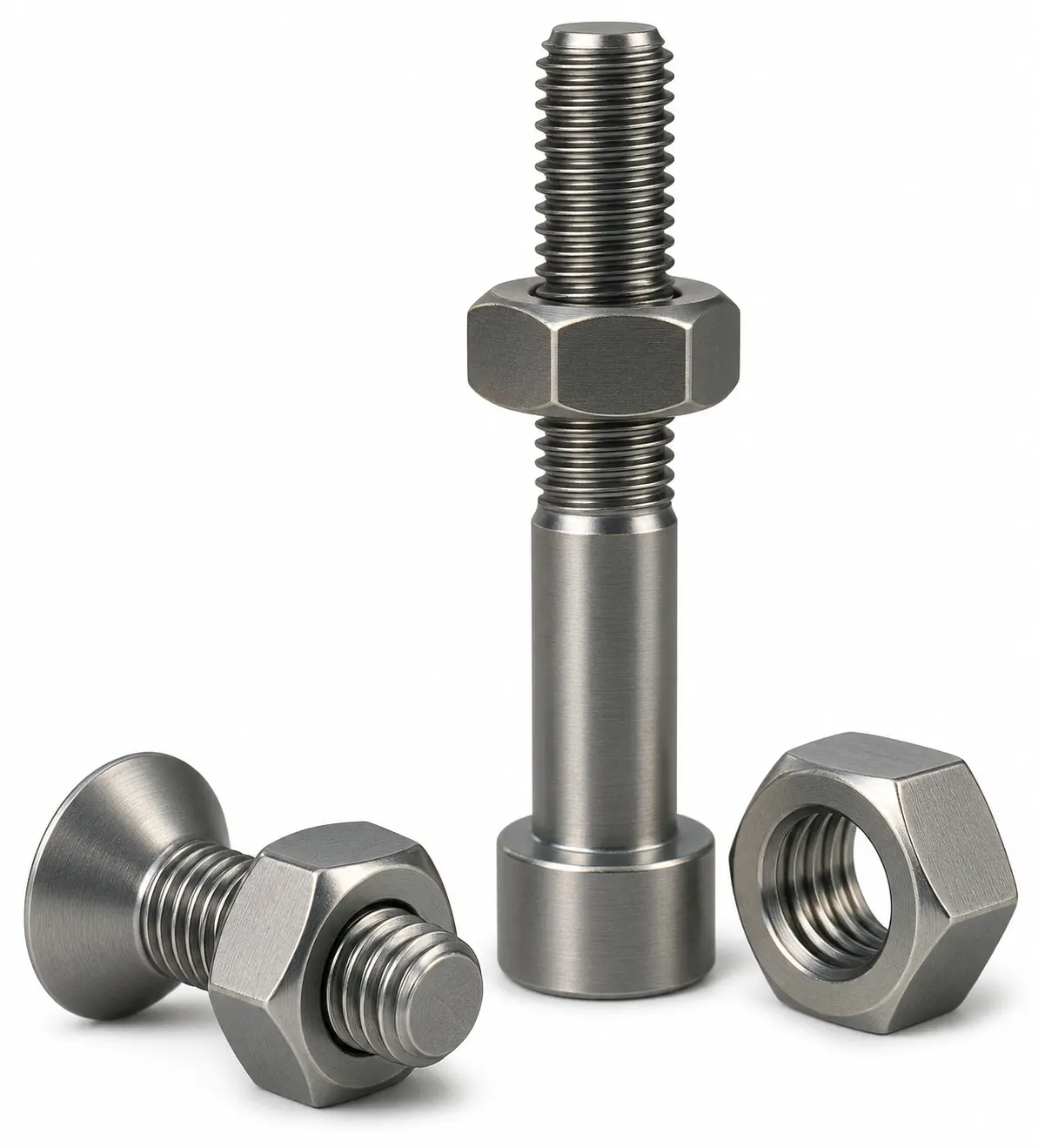
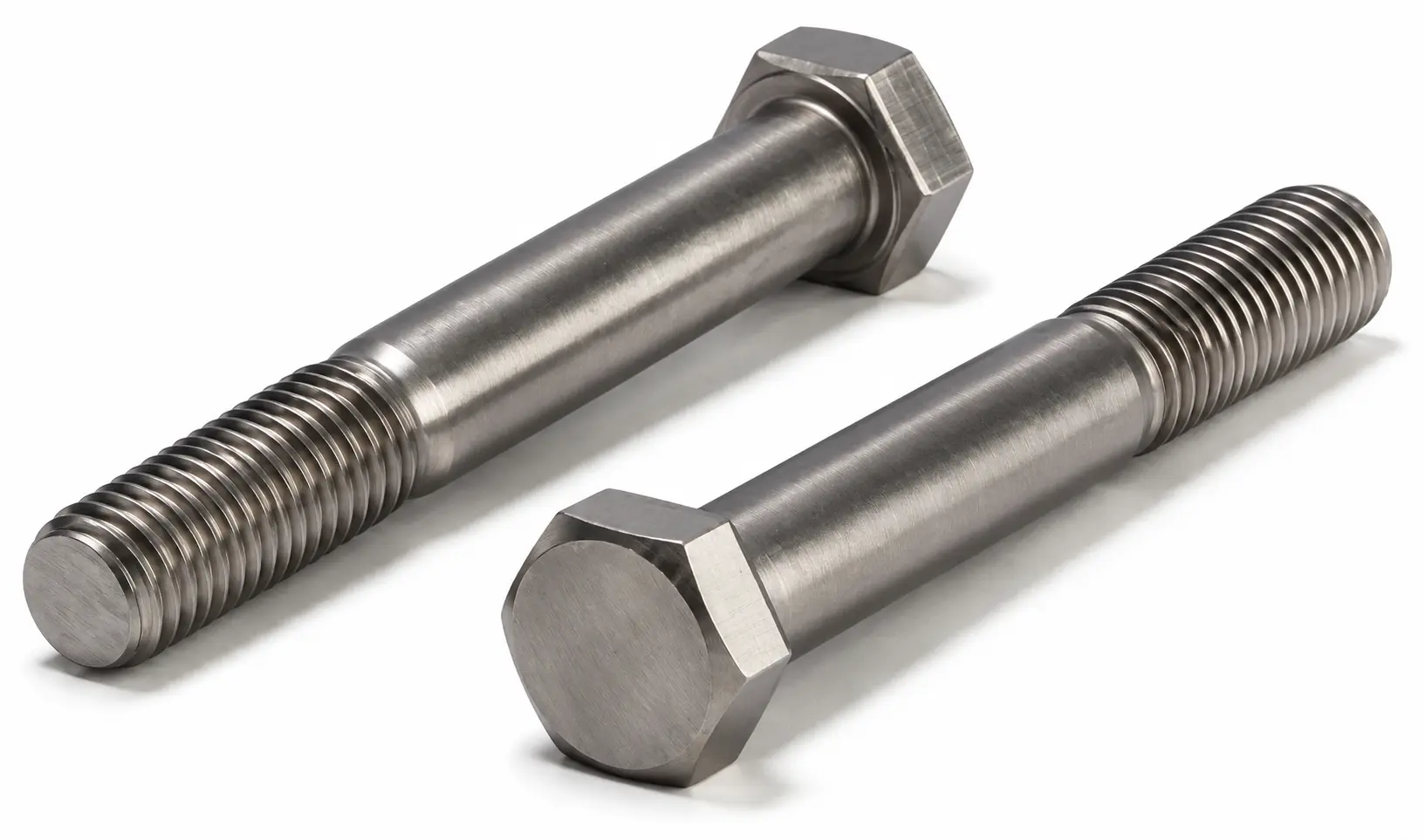
Grade 12 Hex Bolts
Grade 12
Hex Bolts
Grade 12 Heavy Hex Bolts
Grade 12
Heavy Hex Bolts
Grade 12 Stud Bolts
Grade 12
Stud Bolts
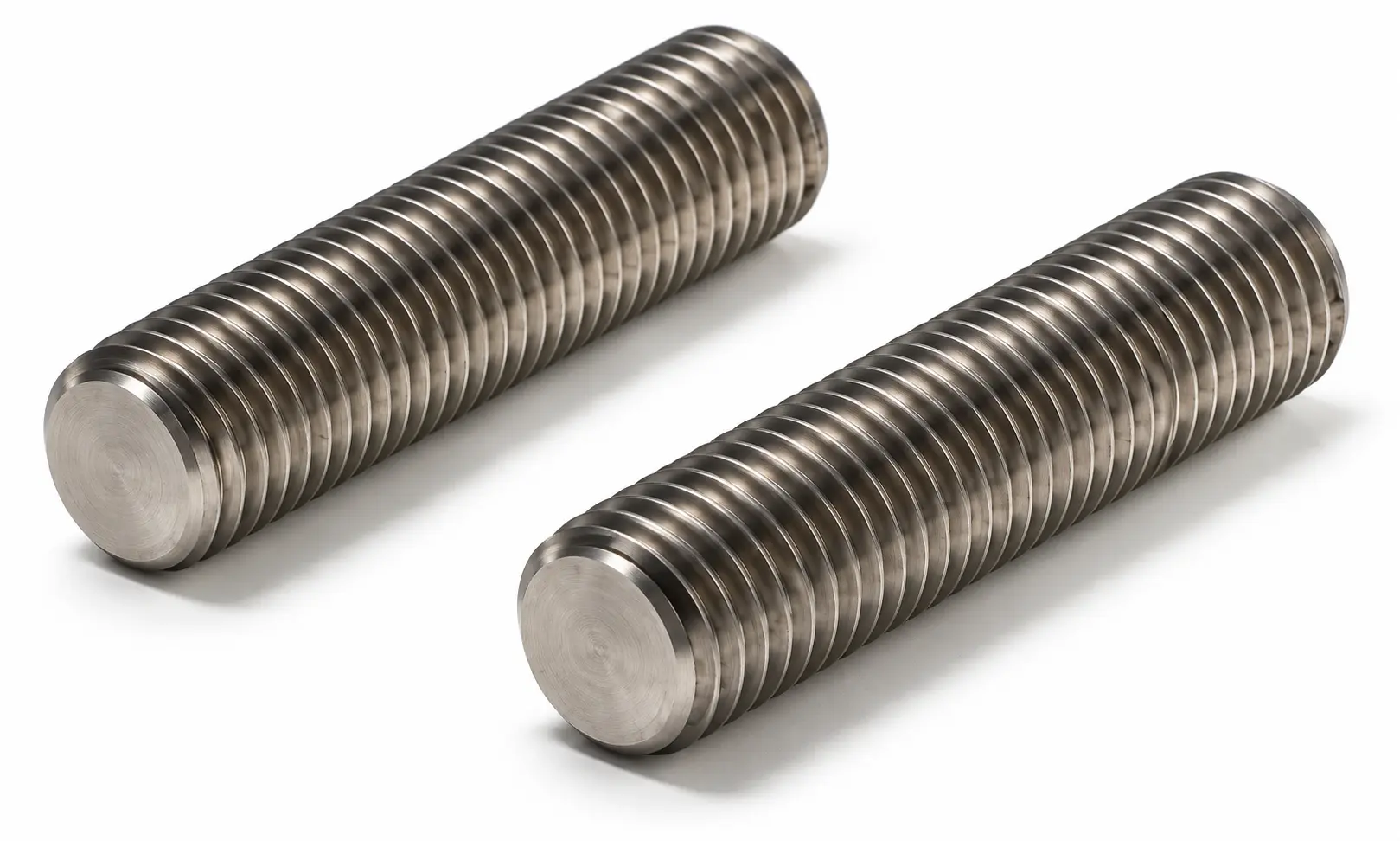
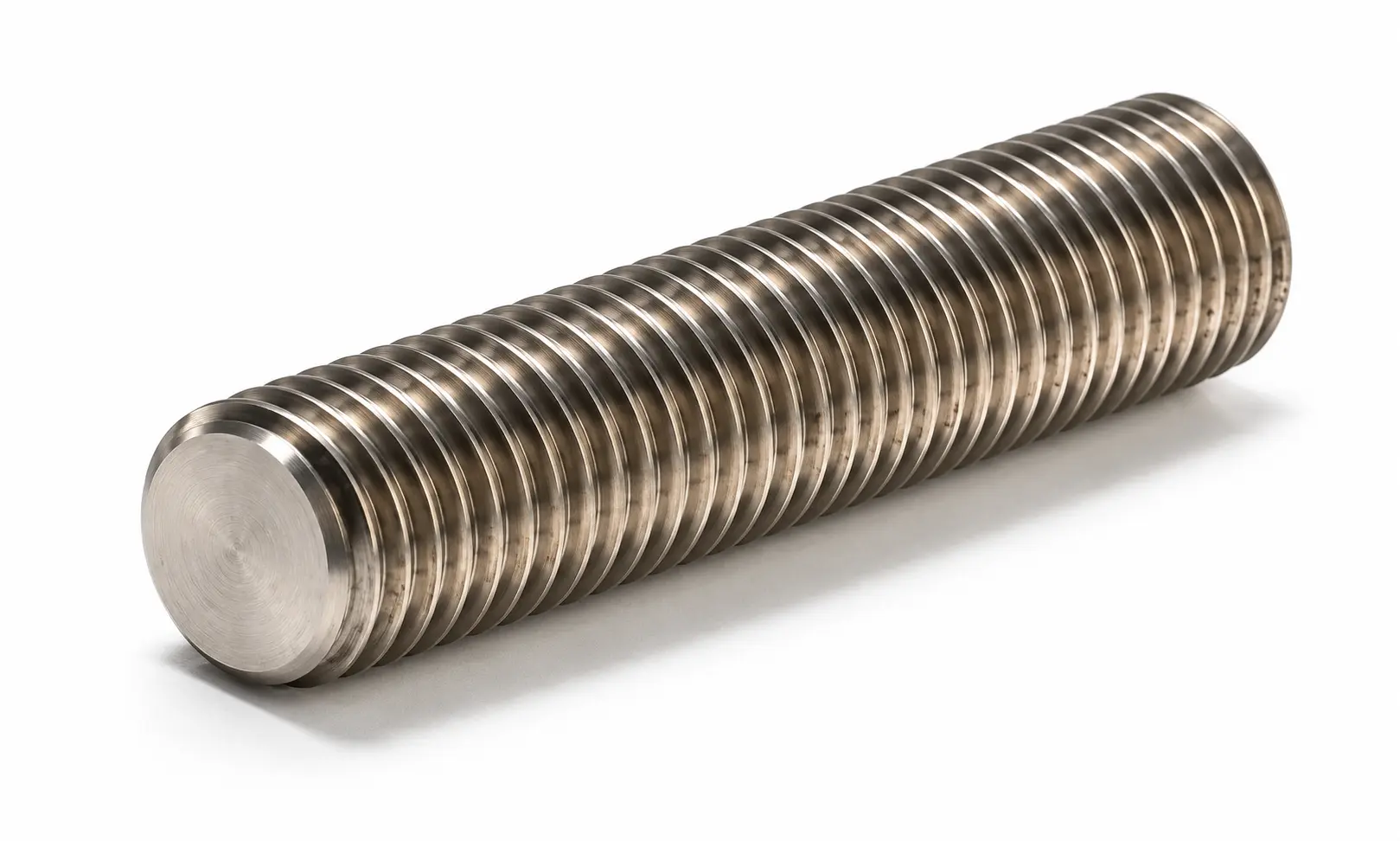
Grade 12 Threaded Rods
Grade 12
Threaded Rods
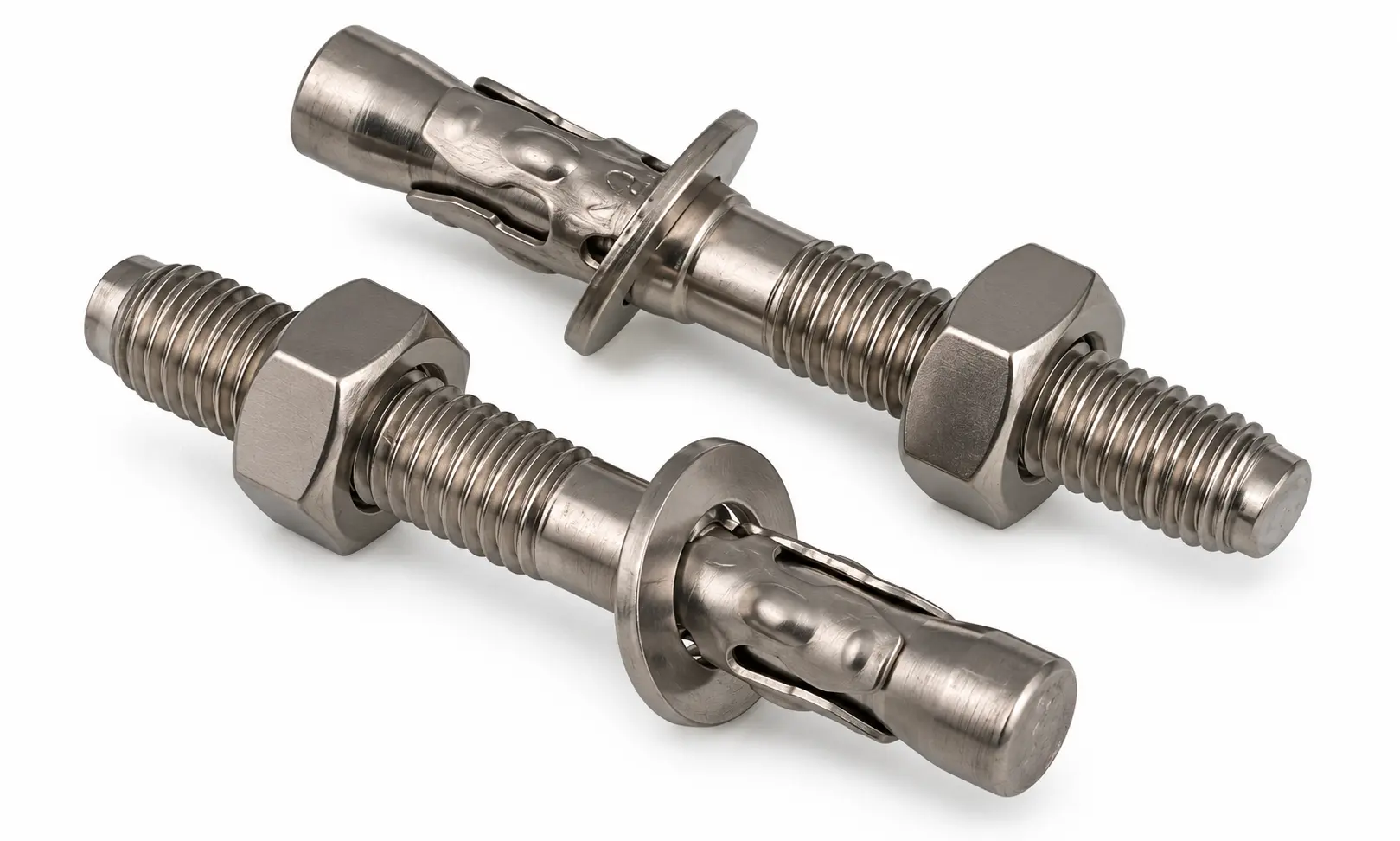
Grade 12 Anchor Bolts
Grade 12
Anchor Bolts
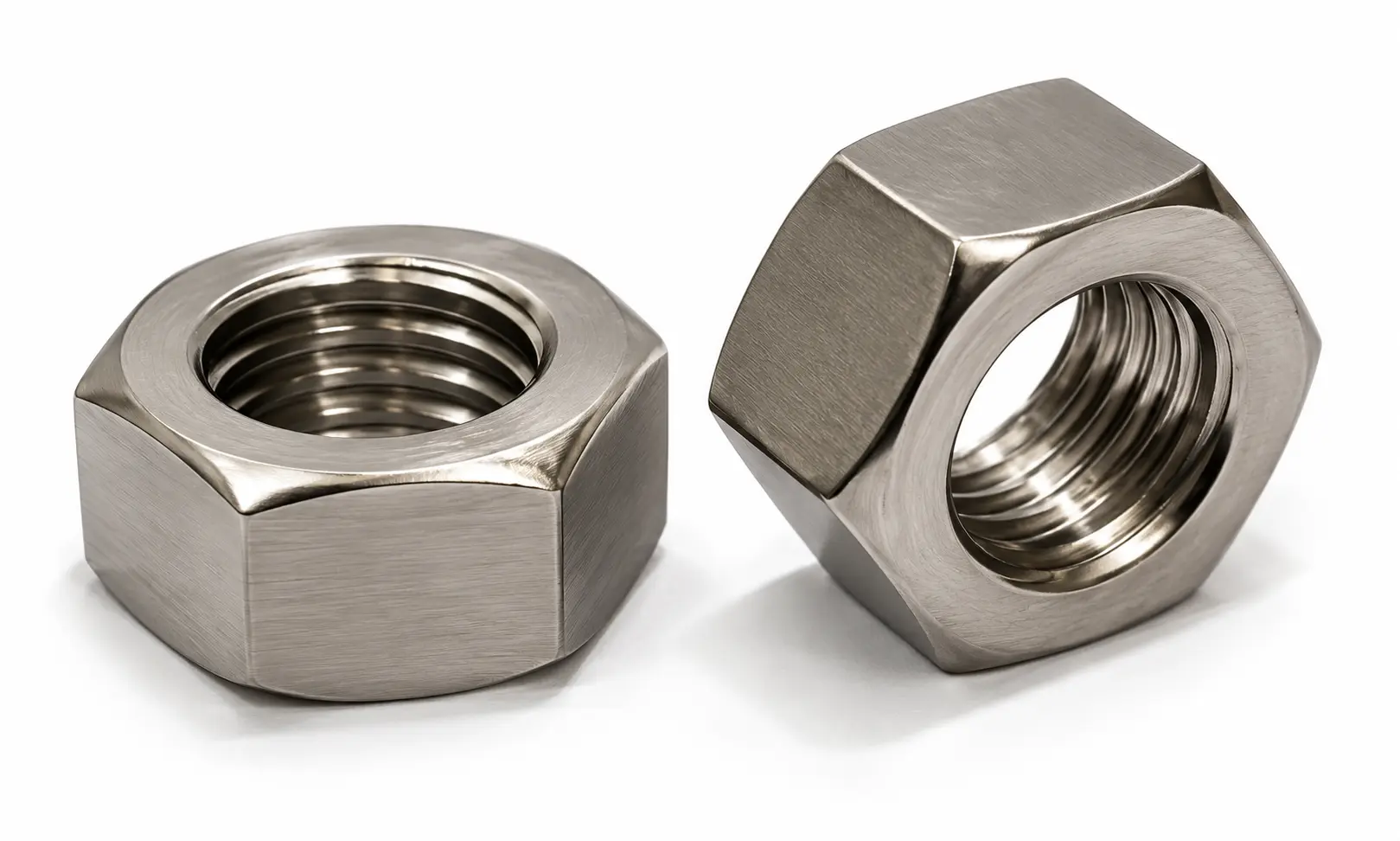
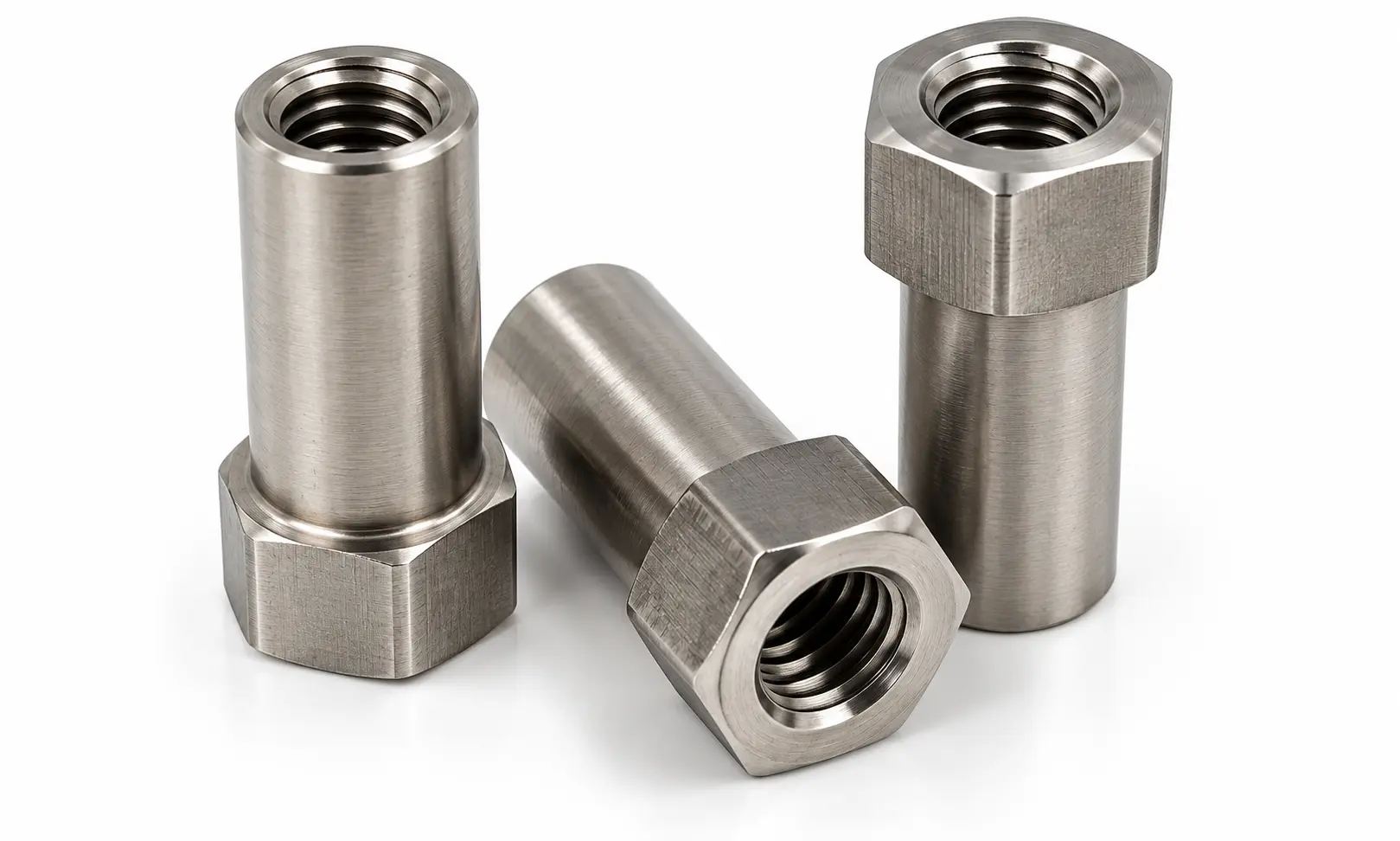
Grade 12 Hex Nuts
Grade 12
Hex Nuts
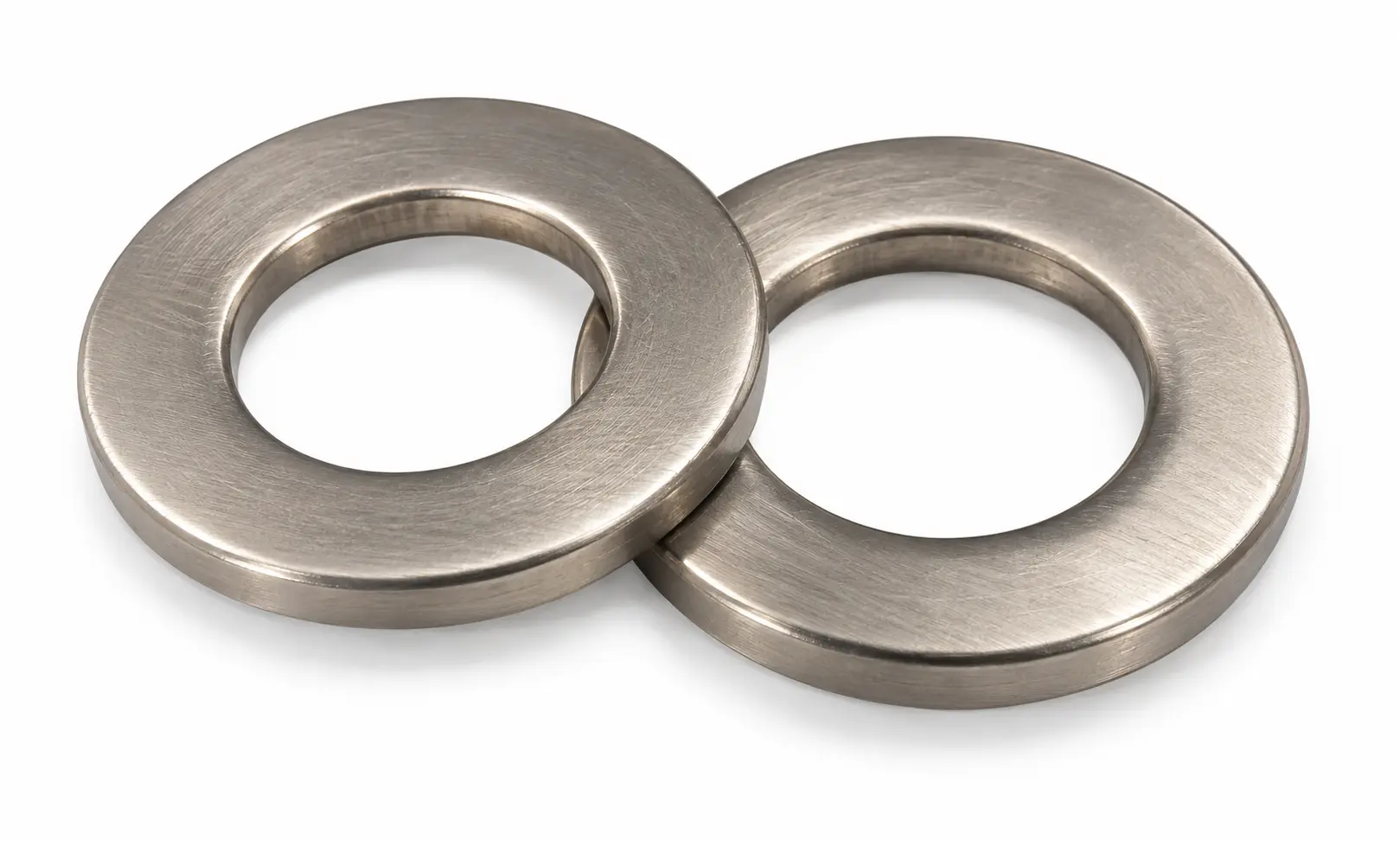
Grade 12 Washers
Grade 12
Washers
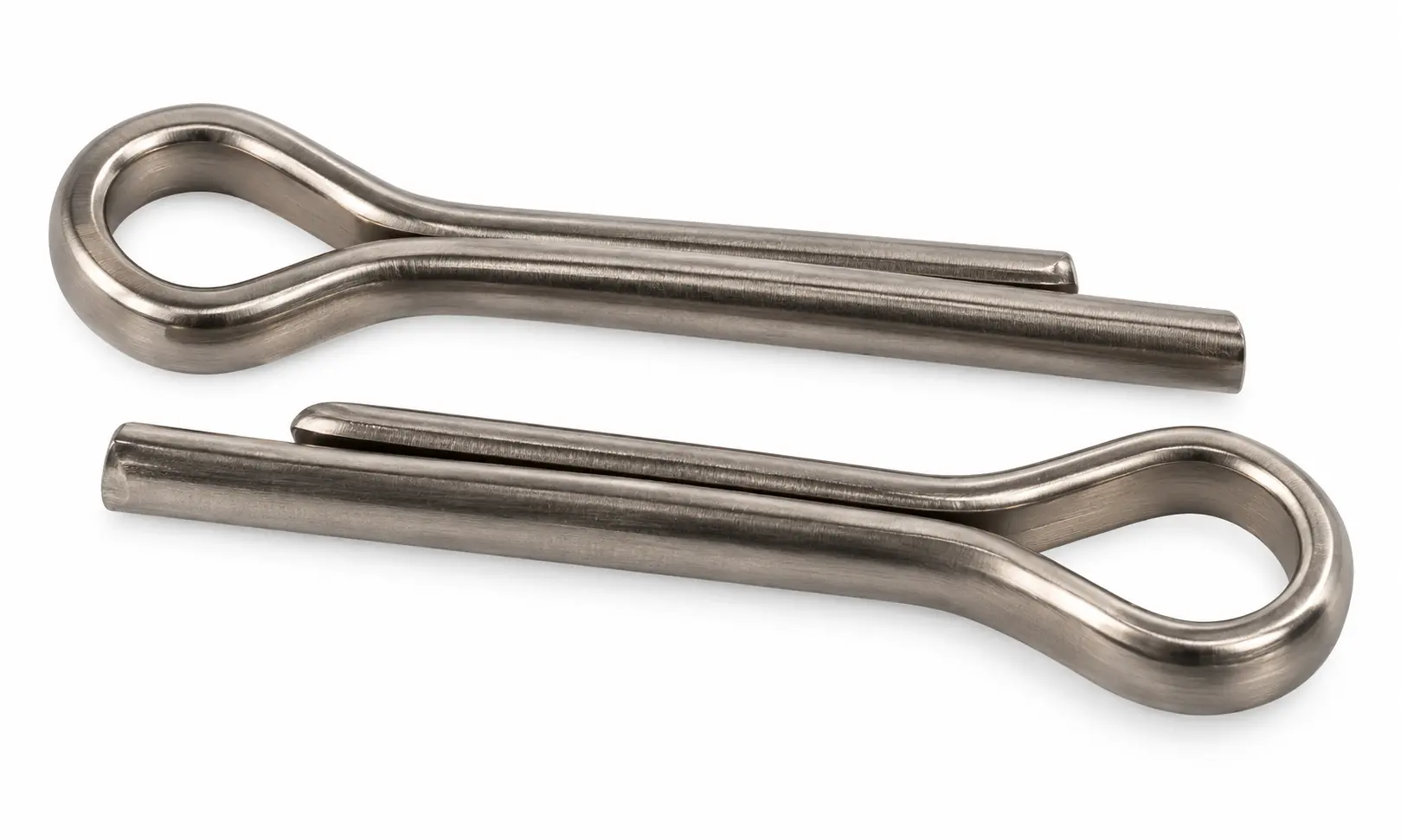
Grade 12 Cotter Pins
Grade 12
Cotter Pins
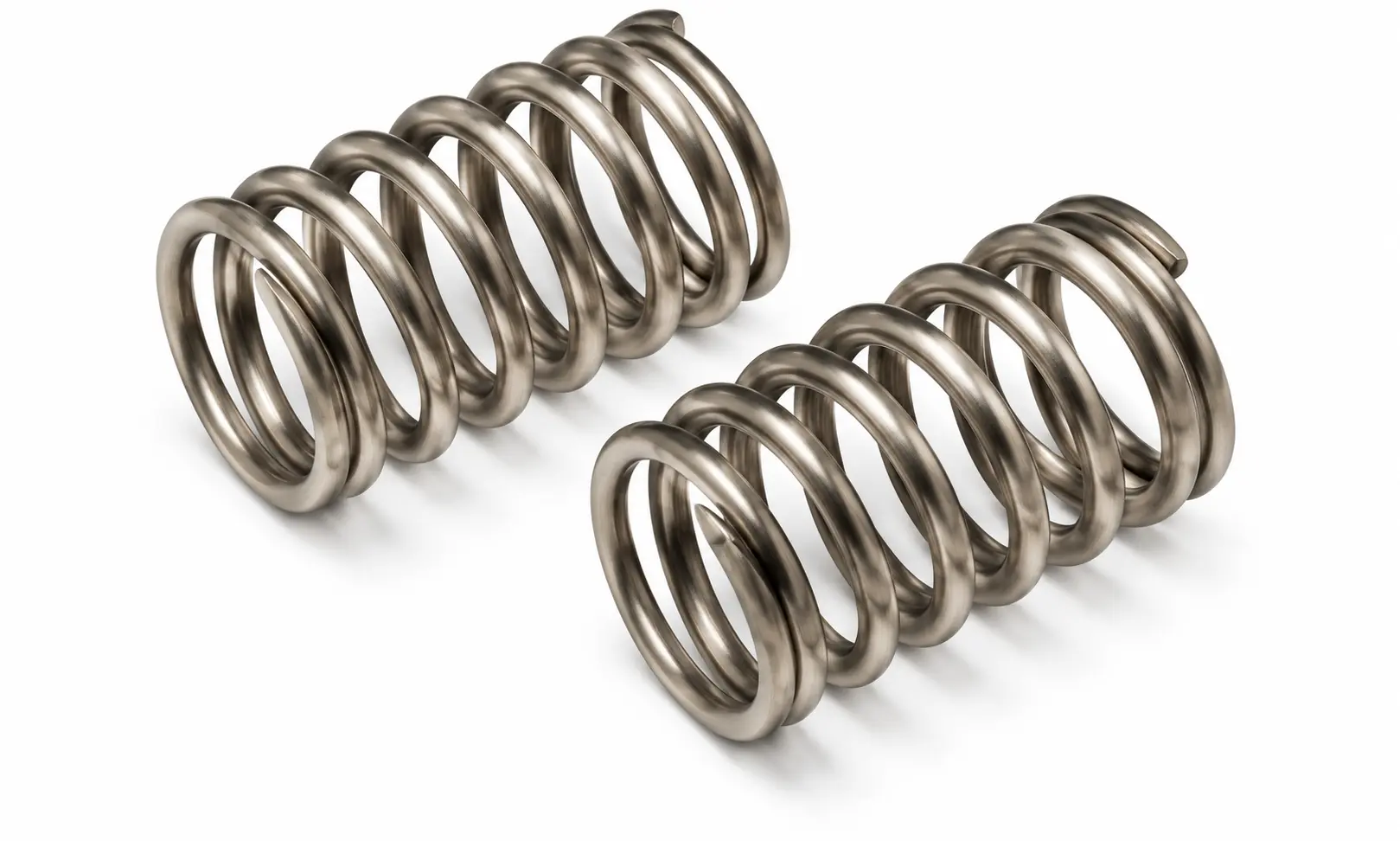
Grade 12 Springs
Grade 12
Springs
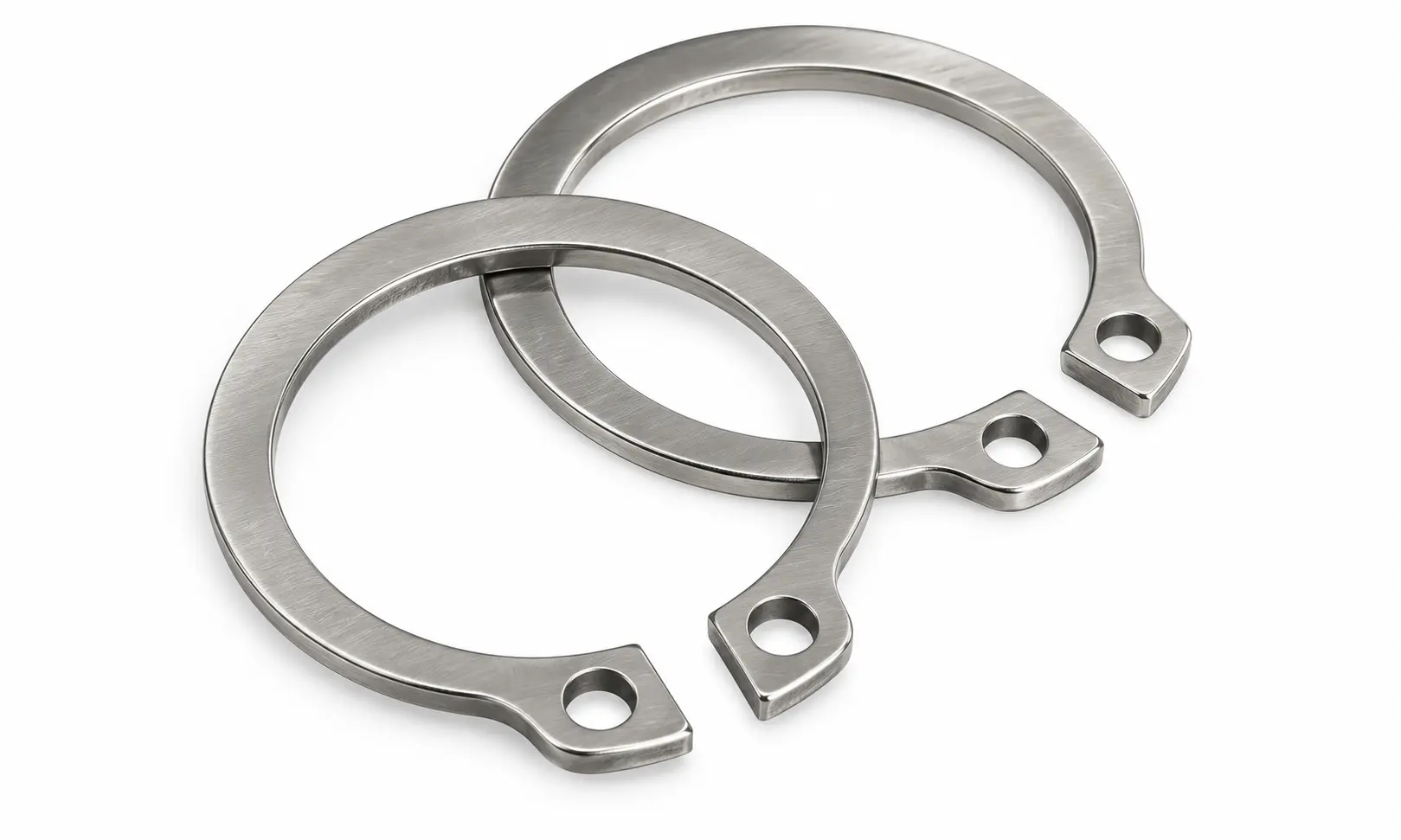
Grade 12 Circlips
Grade 12
Circlips
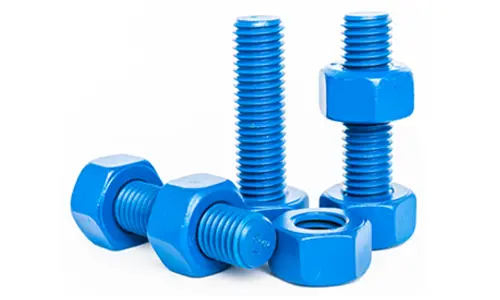
Grade 12 Coated Fasteners
Grade 12
Coated Fasteners
Grade 12 Custom Spacers
Grade 12
Custom Spacers
Technical Data

Grade 12 Specifications

Chemical Composition — Titanium Grade 12 (wt. %)
ElementTiMoNiOFeNCH
Min %Balance0.200.60–––––
Max %Balance0.400.900.250.300.030.080.015
Mechanical Properties — Titanium Grade 12
ConditionUTS (MPa)YS 0.2% (MPa)Elongation (%)Hardness
ASTM B348 Minimum≥ 483 (70 ksi)≥ 345 (50 ksi)≥ 18 in 4D–
Reduction of Area, Minimum–––≥ 25%
Annealed (Typical)540–620415–48020–25–
Strength Relative to Grade 240% higher minimum UTS25% higher minimum YS––
Physical Properties
Density4.51 g/cm³
Melting PointApproximately 1650°C
Modulus of ElasticityApproximately 103 GPa
Thermal ConductivityApproximately 19 W/m·K at 20°C
Thermal Expansion8.6 µm/m·°C (20–100°C)
Alloying Additions0.2–0.4% Mo and 0.6–0.9% Ni
Equivalent Grades & Standards
UNSWerkstoff / DINASTM DesignationCommon Name
R53400 – ASTM B348 Grade 12 Ti-0.3Mo-0.8Ni

Key Specifications: ASTM B348 (Bar & Billet) / ASTM B265 (Plate, Sheet & Strip) / ASTM B381 (Forgings) / ASTM B337 and B338 (Tube) / ASTM F467 and F468 (Nonferrous Nuts and Bolts). No Werkstoff number is in common use for this grade, so order against UNS R53400 or the ASTM grade designation.

Machinability: titanium’s low thermal conductivity is the governing problem — the heat generated at the cut is not carried away into the workpiece or the chip but stays at the cutting edge. Use rigid setups, sharp tooling, low surface speeds, heavy positive feeds and high-volume flood coolant directed at the cutting zone, and never allow the tool to dwell. Titanium also work-hardens and galls against tooling, so sharp edges matter more than high speeds. Fine chips and grinding dust are a fire hazard and are handled wet. Grade 12 machines much like Grade 2, with its higher strength giving slightly better chip formation than the softer CP grades.

Welding: Grade 12 is weldable by GTAW, GMAW, plasma and resistance processes under full inert gas shielding of weld, heat-affected zone and root. Matching Grade 12 filler should be used; as with Grade 7, filling a Grade 12 joint with Grade 2 consumable creates a crevice-susceptible weld bead and defeats the purpose of selecting the alloy.

Forming: formability is somewhat below Grade 2 because of the higher strength, but the alloy is still readily cold formed and hot worked in the 760–870°C range. Thread rolling is preferred to thread cutting.

Heat Treatment: Grade 12 is not significantly hardenable by heat treatment; its strength comes from the molybdenum and nickel in solid solution. Mill anneal at approximately 705–790°C, stress relieve at 480–595°C after machining. Treatment above about 500°C should be in vacuum or inert gas, or the alpha case removed.

Grade 12 was developed as the economic answer to the crevice corrosion problem that limits commercially pure titanium in hot chloride service. Its 0.3% molybdenum and 0.8% nickel deliver a substantial part of the crevice and elevated-temperature resistance that palladium gives Grade 7, without the cost of a precious metal addition, and it is widely used in hot brine and geothermal duty where Grade 2 would be at risk and Grade 7 would be uneconomic for the quantity involved.

The second benefit is strength. At a specified minimum 483 MPa tensile and 345 MPa yield, Grade 12 is 40% stronger than Grade 2 and Grade 7 on minimum tensile while remaining a lean, weldable, formable alloy — so for a bolted joint it offers both better crevice performance and a higher allowable preload. Where absolute crevice resistance in the most aggressive hot acid chloride service is required, Grade 7 remains the better choice.

Three absolute exclusions. Titanium must not be used in dry chlorine, with which it reacts violently; it must not be used with red fuming nitric acid; and it is rapidly attacked by hydrofluoric acid at any concentration. Fine titanium swarf and grinding dust are also a genuine fire hazard and must be handled wet and stored separately. These limits apply to every grade on this page, including the palladium and molybdenum-nickel modified grades — the alloying additions improve crevice and reducing-acid performance, they do not change these exclusions.

Titanium galls, and for a threaded fastener this is the single most important practical fact about the material. Titanium’s protective oxide is thin and the metal beneath it is adhesive, so a titanium thread run against another titanium thread will cold-weld and seize — often badly enough that the fastener has to be cut off. Every titanium bolted joint needs one of three mitigations: an anti-seize compound or dry-film lubricant such as molybdenum disulphide on the thread; a plated or coated thread, commonly silver or a solid-film lubricant; or a nut in a dissimilar material rather than titanium. Exotic Alloy supplies titanium fasteners with a lubricant or coating specified at order stage, and will advise on the combination if you tell us the mating material.

Titanium is galvanically noble, which makes it a hazard to what it is bolted into. It sits close to the passive stainless steels and the nickel alloys on the galvanic series and well above carbon steel, aluminium, zinc and magnesium. A titanium fastener in an aluminium or carbon steel structure will not itself corrode, but it will drive accelerated corrosion of the structure around it, and the small-anode-large-cathode geometry of a bolted joint is the worst case. Where titanium fasteners are used in a less noble assembly, an insulating washer and sleeve or a barrier coating on the mating faces should be specified.

Note on section size: the ASTM B348 tensile requirements apply to longitudinal sections up to 76 mm (3 in.) thick with a maximum area of 64.5 cm² (10 in.²). Mechanical properties for larger sections are negotiated between manufacturer and purchaser, so for large-diameter bolting the acceptance values must be agreed on the order rather than assumed from the table.

Key Characteristics

  • Much of Grade 7’s crevice resistance without the palladium cost.
  • Specified minimum 483 MPa tensile — 40% above Grade 2 and Grade 7.
  • Molybdenum and nickel in solid solution rather than a precious metal addition.
  • Well suited to hot brine, geothermal and elevated-temperature chloride duty.
  • Remains lean enough to stay readily weldable and formable.

Typical Applications

  • Hot brine and geothermal plant fastener assemblies.
  • Chemical processing: elevated-temperature chloride service bolting.
  • Heat exchangers: tube sheet and gasketed joint fixings.
  • Marine and desalination hardware at elevated temperature.
  • Pulp and paper and metal-finishing plant fasteners.