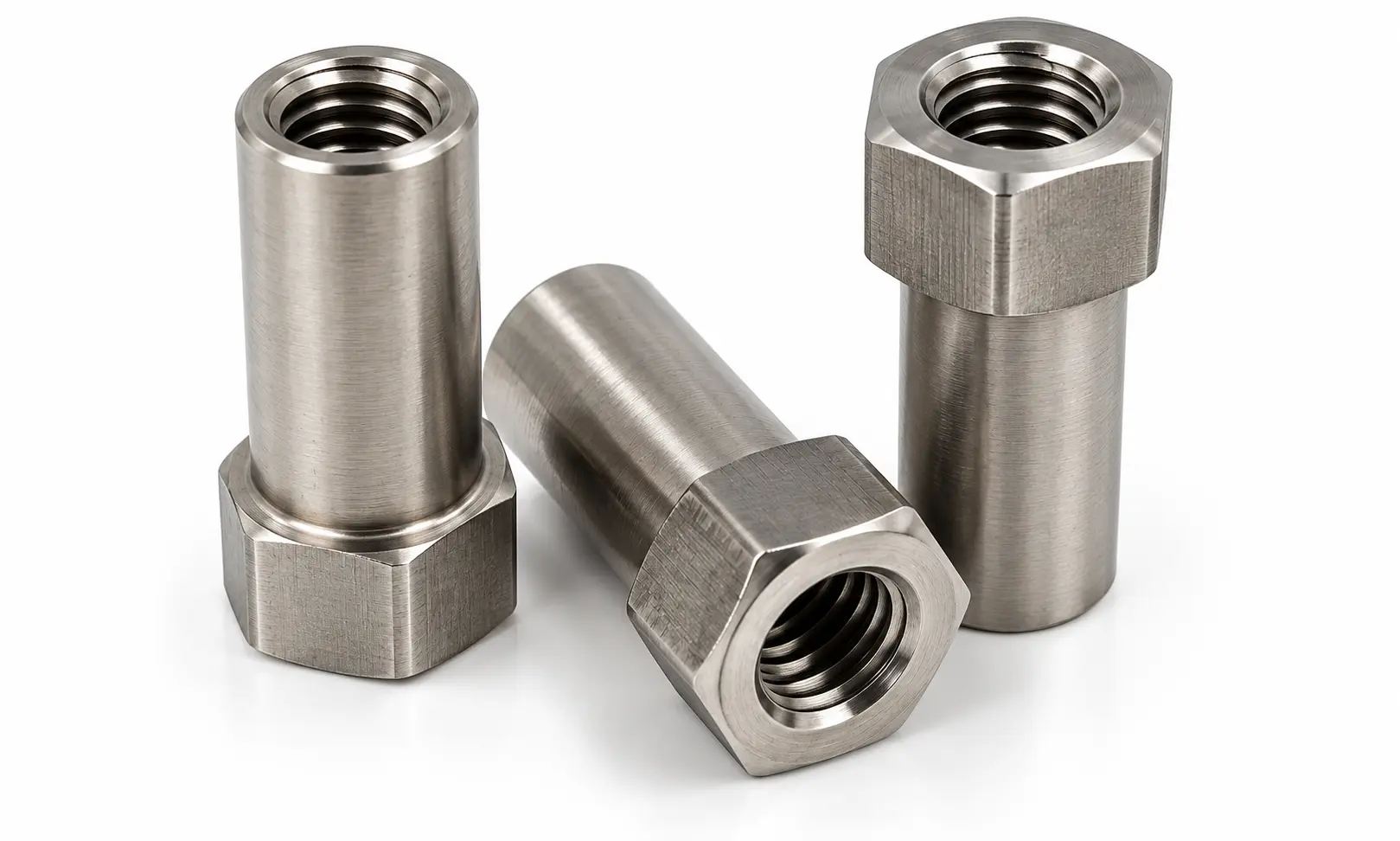
Ti-8Al-1Mo-1V is chosen for stiffness and creep resistance, not corrosion performance, and its high aluminium content brings a specific liability that buyers must know about. Titanium alloys with aluminium above roughly 6% are susceptible to stress corrosion cracking in hot salt and, notably, in methanol and some other alcohols — Ti-811 at 7.35 to 8.35% aluminium sits at the high end of that range and is the most susceptible of the alloys on this page. It should not be used in methanol-bearing service or in hot salt deposit conditions under sustained tensile stress without specific qualification.
For general corrosion duty the commercially pure and lean grades are the correct choice; Ti-811 earns its place where a component must be stiff, light and creep resistant at up to 455°C.
Titanium alloys divide into four classes, and the class tells you more than the grade number does. Alpha and near-alpha alloys are weldable and creep resistant and run hottest, but are not heat treatable to high strength. Alpha-beta alloys — of which Ti-6Al-4V is the archetype — are heat treatable, strong and the general structural choice. Near-beta and metastable beta alloys are deeply hardenable, can be cold formed in the solution-treated condition and then aged to very high strength, which makes them the natural choice for fasteners and springs. Commercially pure and lean corrosion grades trade all strength away for corrosion performance.
A note on the grade number. This alloy is widely referred to by a grade number, but that number is a historical designation and does not appear in the current ASTM B265 or B348 grade lists — those run 1 to 7, then 9, then 11 to 21, 23 and upward, skipping 8 and 10. Ordering against the bare grade number alone is therefore risky; order against the UNS number and the AMS or MIL specification, and confirm the product form.
Three absolute exclusions apply to every titanium grade: it must not be used in dry chlorine, with which it reacts violently; not with red fuming nitric acid; and it is rapidly attacked by hydrofluoric acid at any concentration. Fine titanium swarf and grinding dust are a fire hazard and are handled wet.
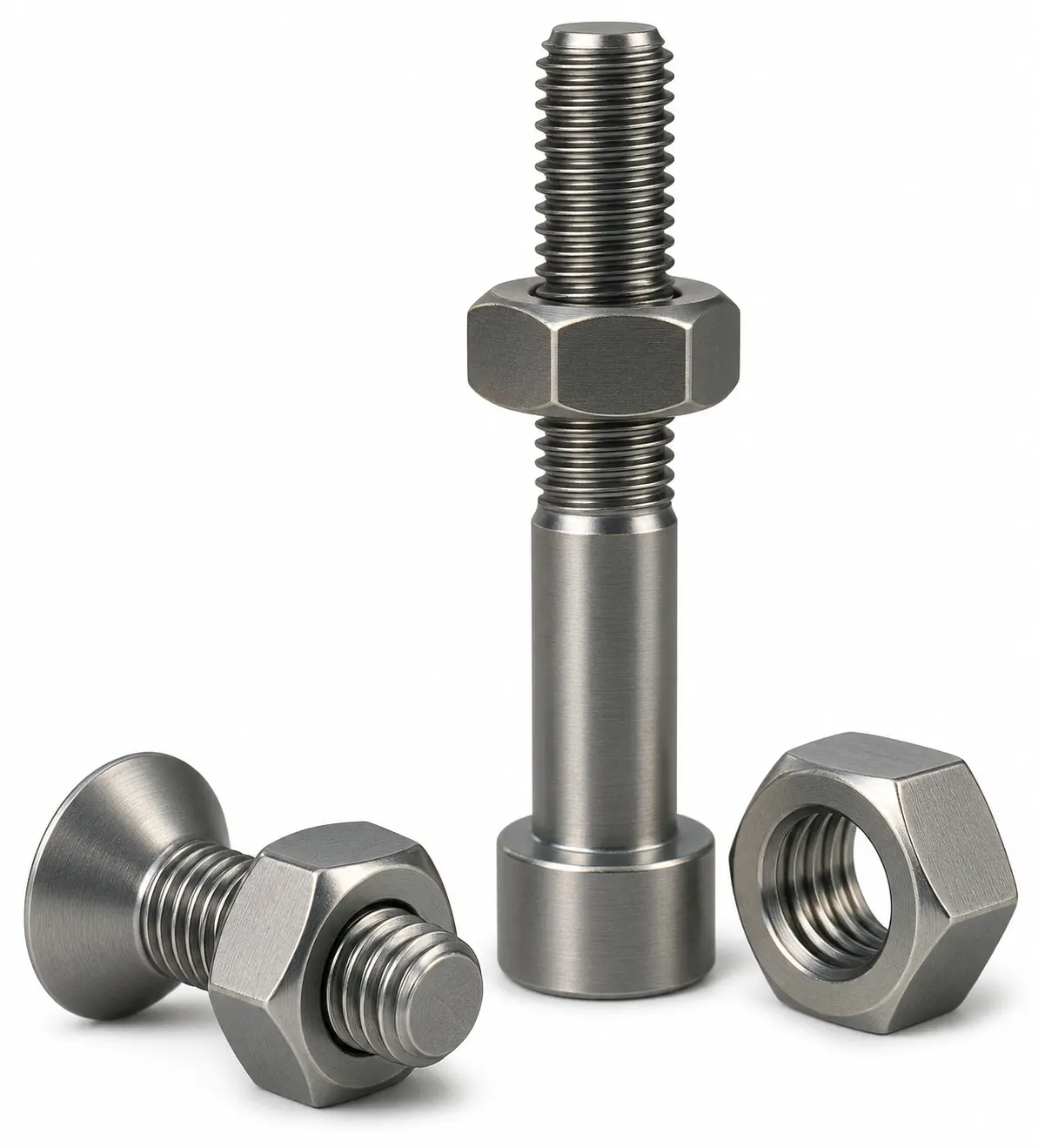
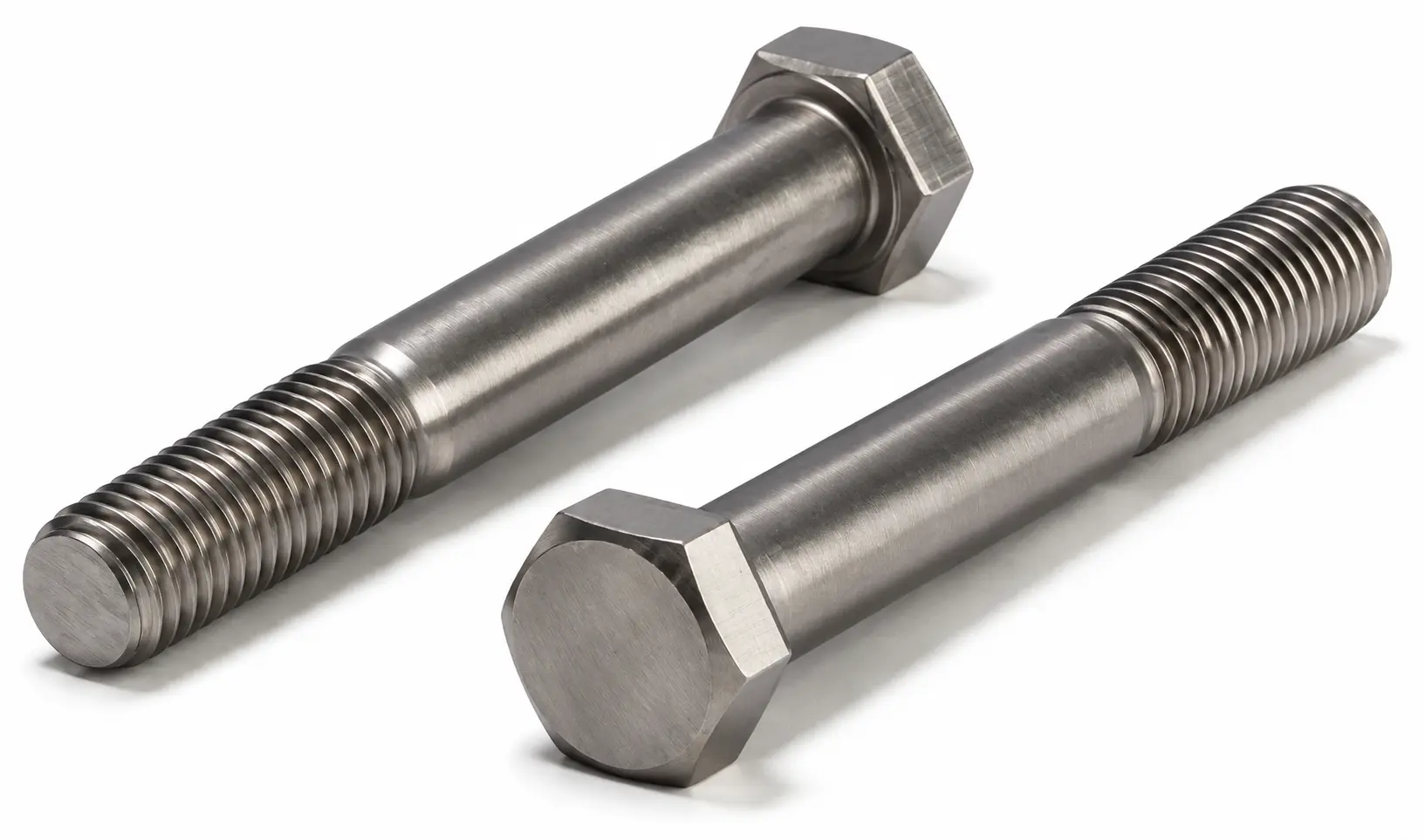
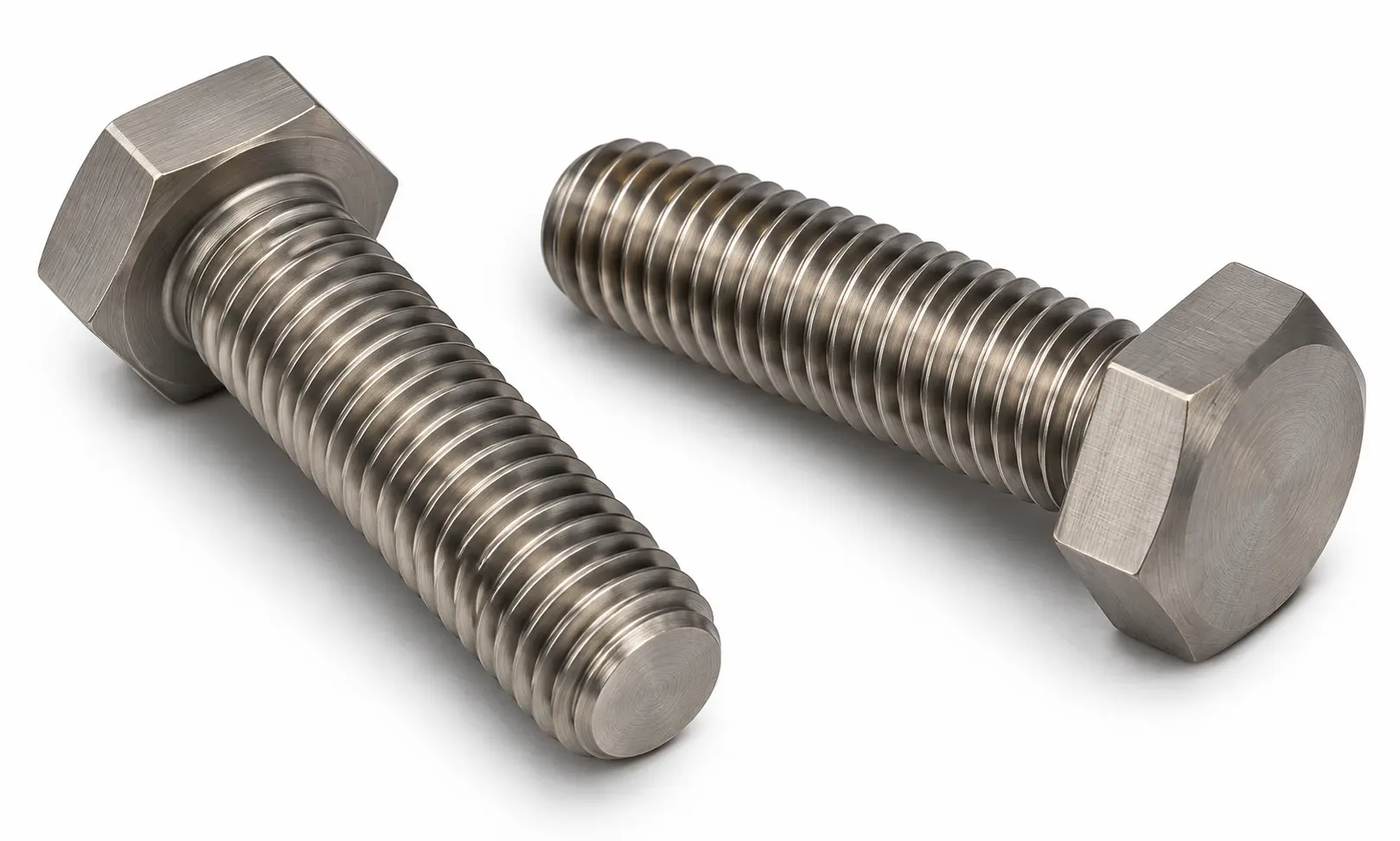
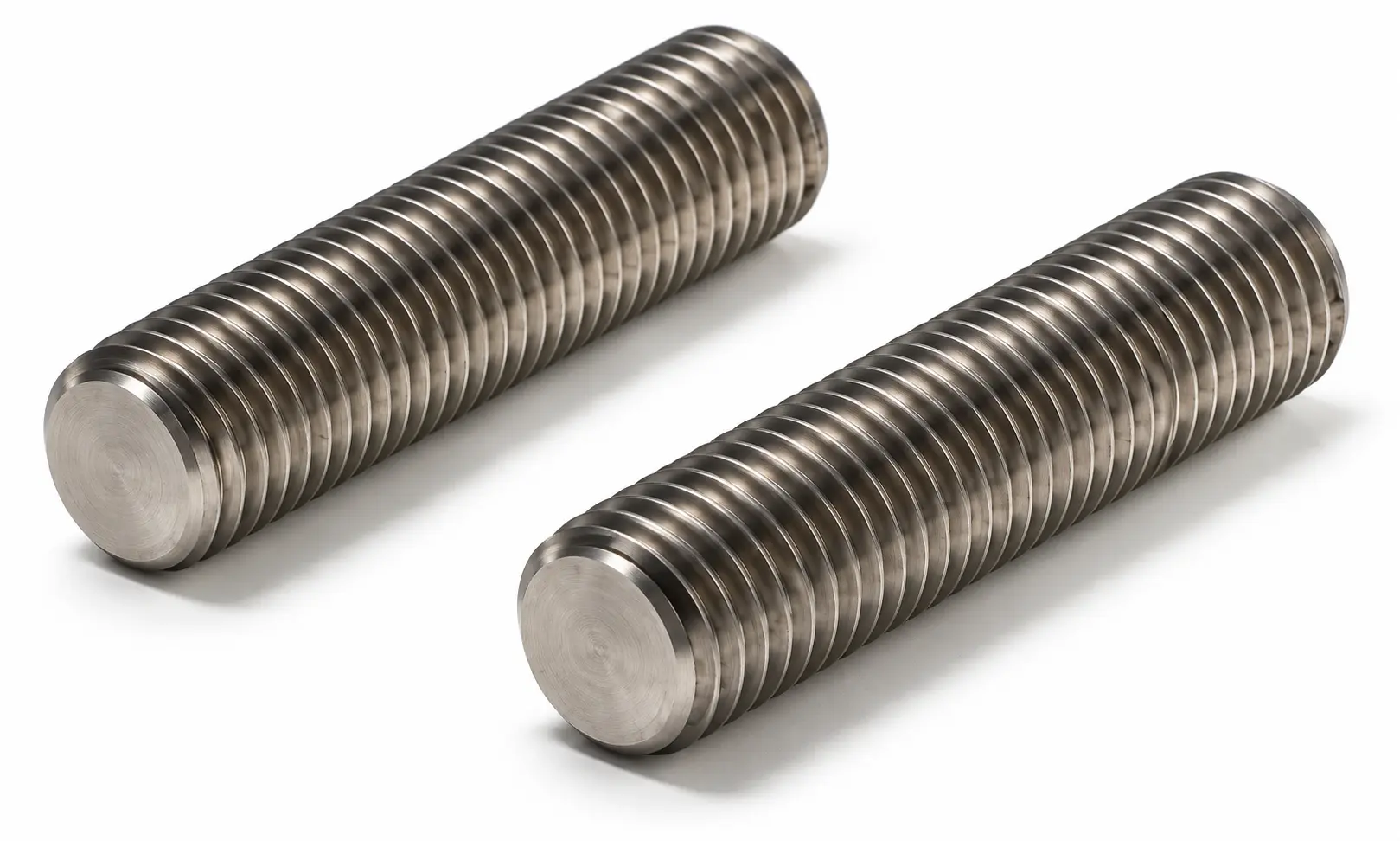
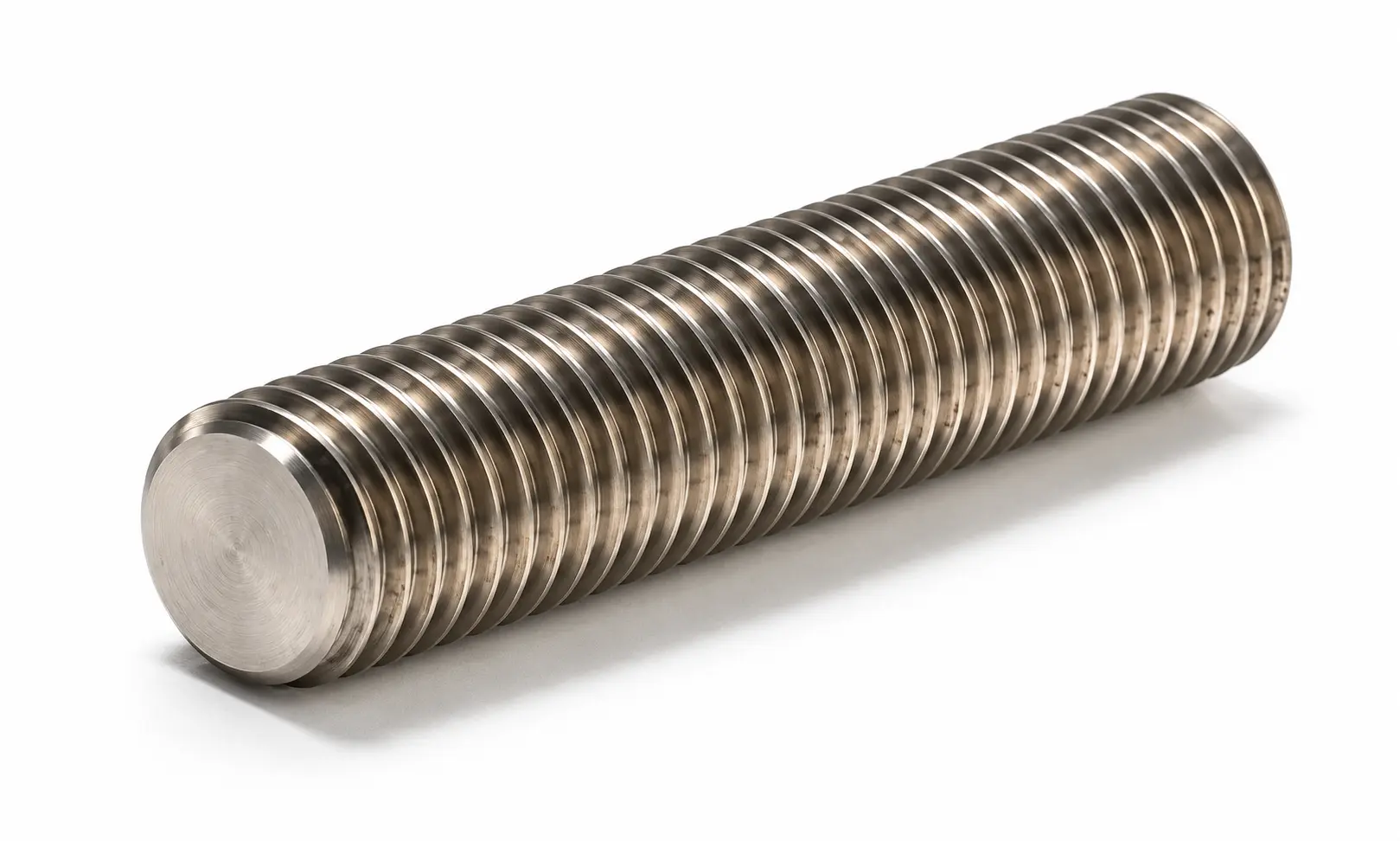
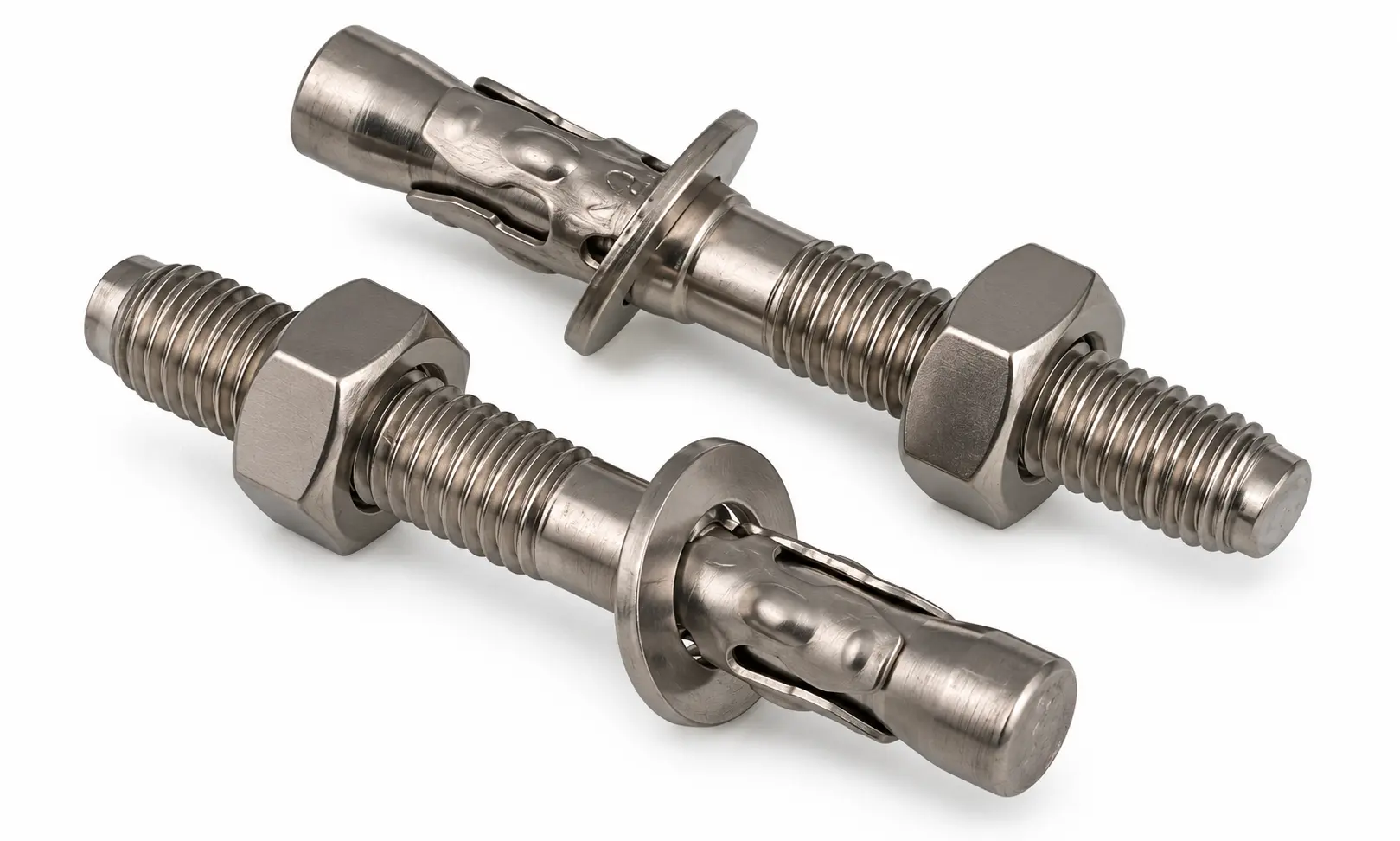
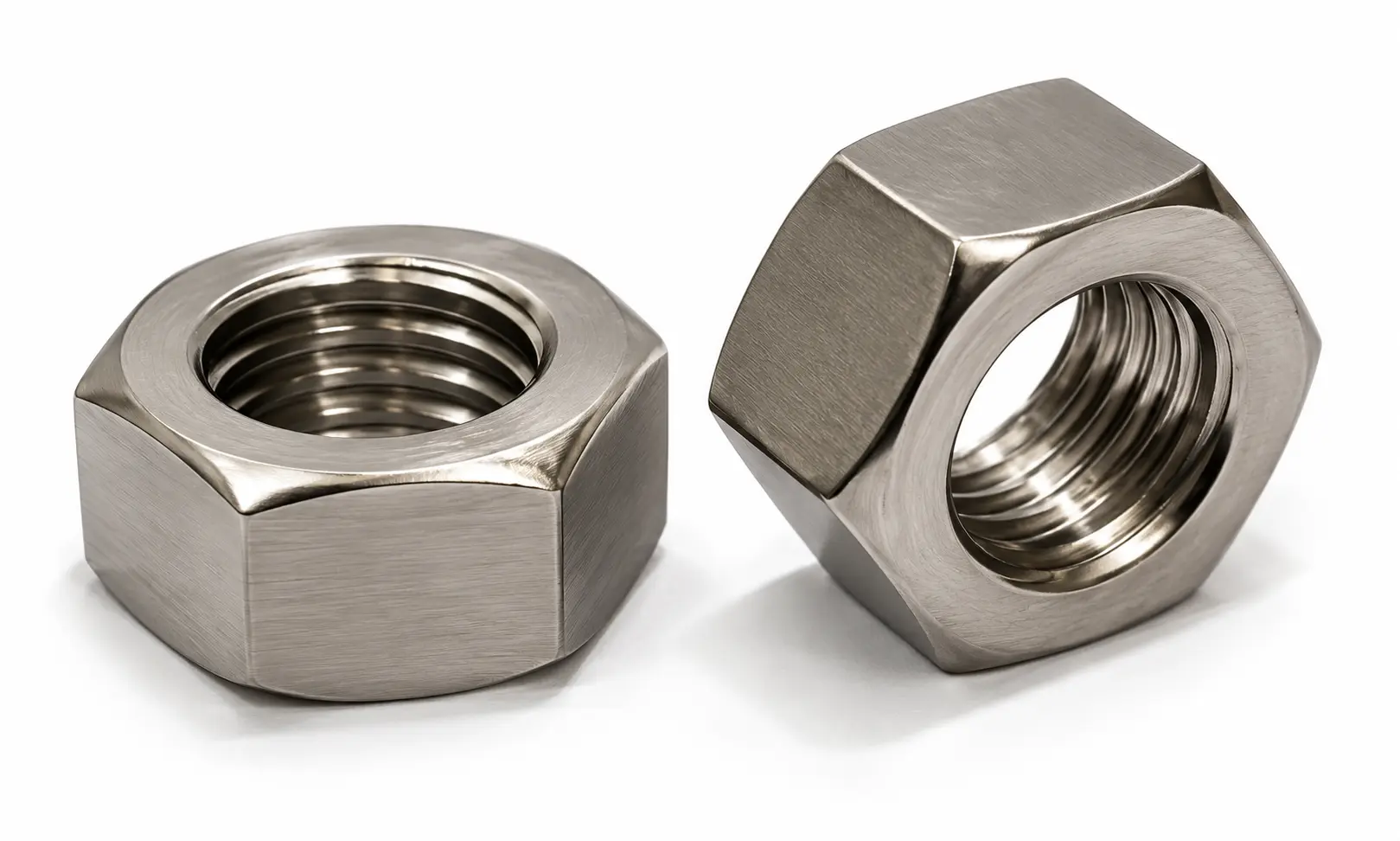
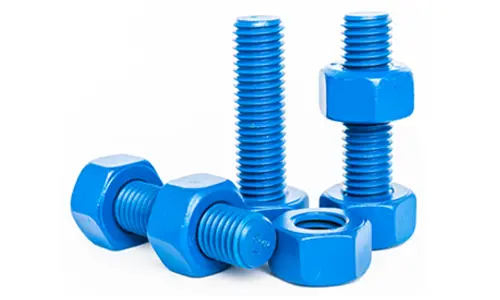
Titanium galls, and for a threaded fastener this is the dominant practical issue. A titanium thread run against another titanium thread will cold-weld and seize, often badly enough that the fastener has to be cut off. Every titanium bolted joint needs one of three mitigations: an anti-seize compound or dry-film lubricant such as molybdenum disulphide; a plated or coated thread, commonly silver or solid-film lubricant; or a nut in a dissimilar material. Specify which at order stage.
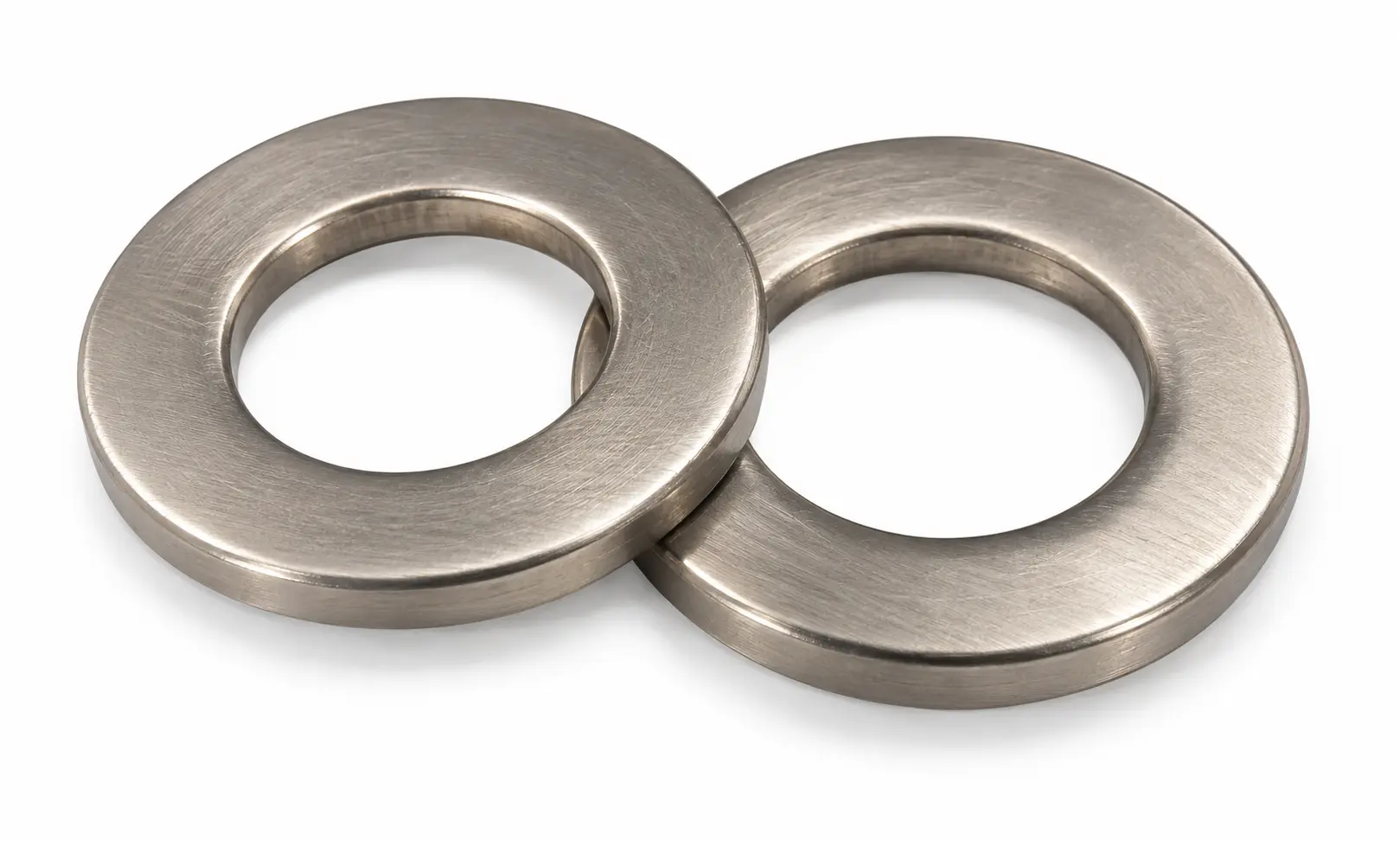
Titanium is galvanically noble. It will not corrode itself, but a titanium fastener in an aluminium, carbon steel, zinc or magnesium assembly drives accelerated corrosion of the structure around it, and a bolted joint’s small-anode, large-cathode geometry is the worst case. Insulating washers and sleeves or a barrier coating should be specified in those assemblies.