+91 97734 41022 sales@exoticalloy.com
Material Specification

Ti-6Al-2Sn-4Zr-6Mo

Ti-6Al-2Sn-4Zr-6Mo Fasteners
High Strength Alpha-Beta Alloy – Strength Retention to 450°C

Titanium 6Al-2Sn-4Zr-6Mo Fasteners

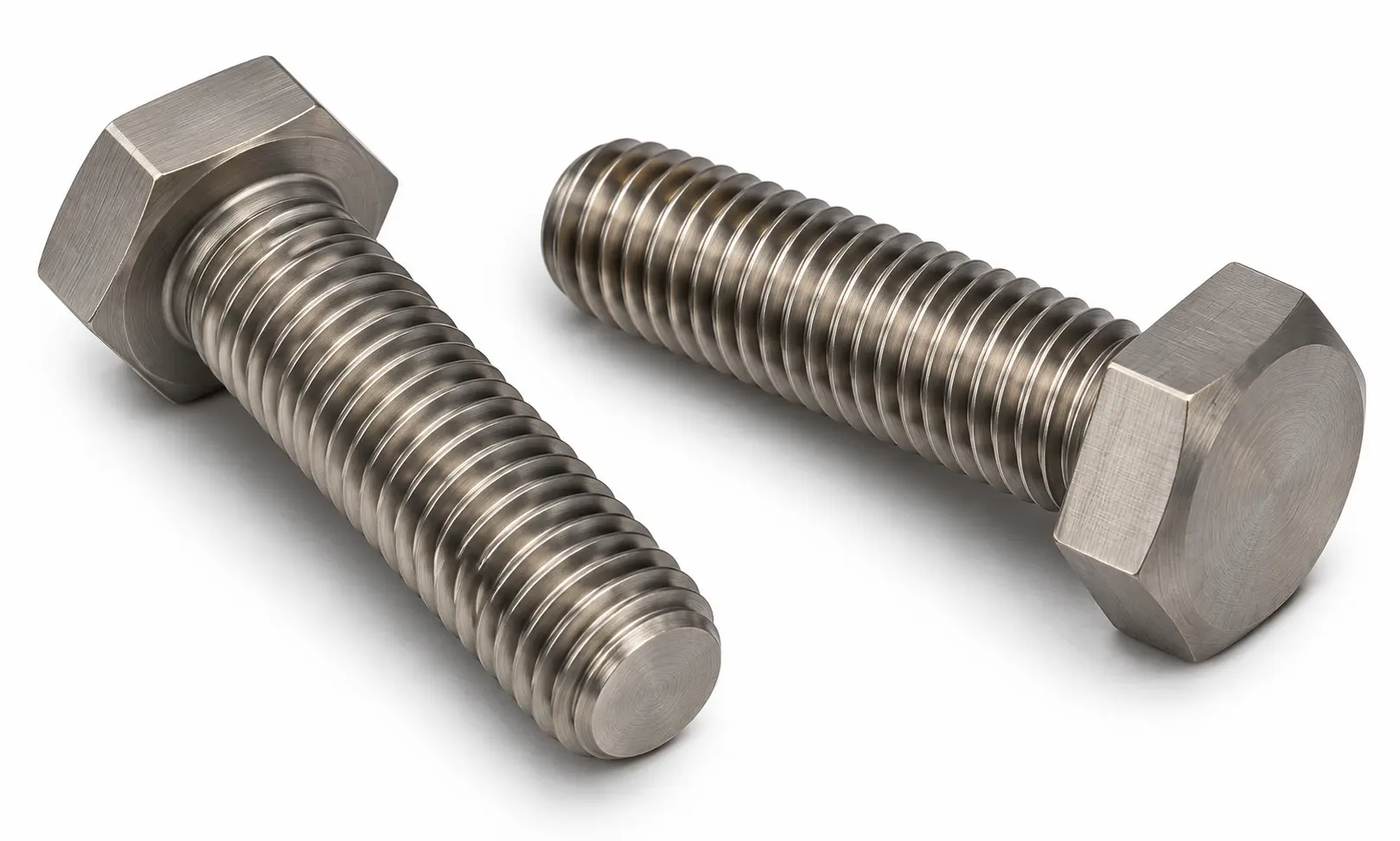
Buy Titanium 6Al-2Sn-4Zr-6Mo (Ti-6246 / UNS R56260) bolts, studs, machined components and forgings from Exotic Alloy. Ti-6246 is an alpha-beta alloy that takes the Ti-6242 base and triples the molybdenum to 5.5–6.5%, converting a creep-resistant near-alpha alloy into a deeply hardenable high-strength one. It offers very high mechanical strength with good retention up to around 450°C.

Exotic Alloy manufactures Ti-6246 components to AMS 4981 and MIL-T-9047 in metric M6–M36 and imperial ¼"–1½" sizes, with full EN 10204 3.1 material test certificates for aero-engine compressor discs and blades and for highly loaded elevated-temperature fastener applications.

Request a Quote
Product Range

Ti-6Al-2Sn-4Zr-6Mo Fasteners Available

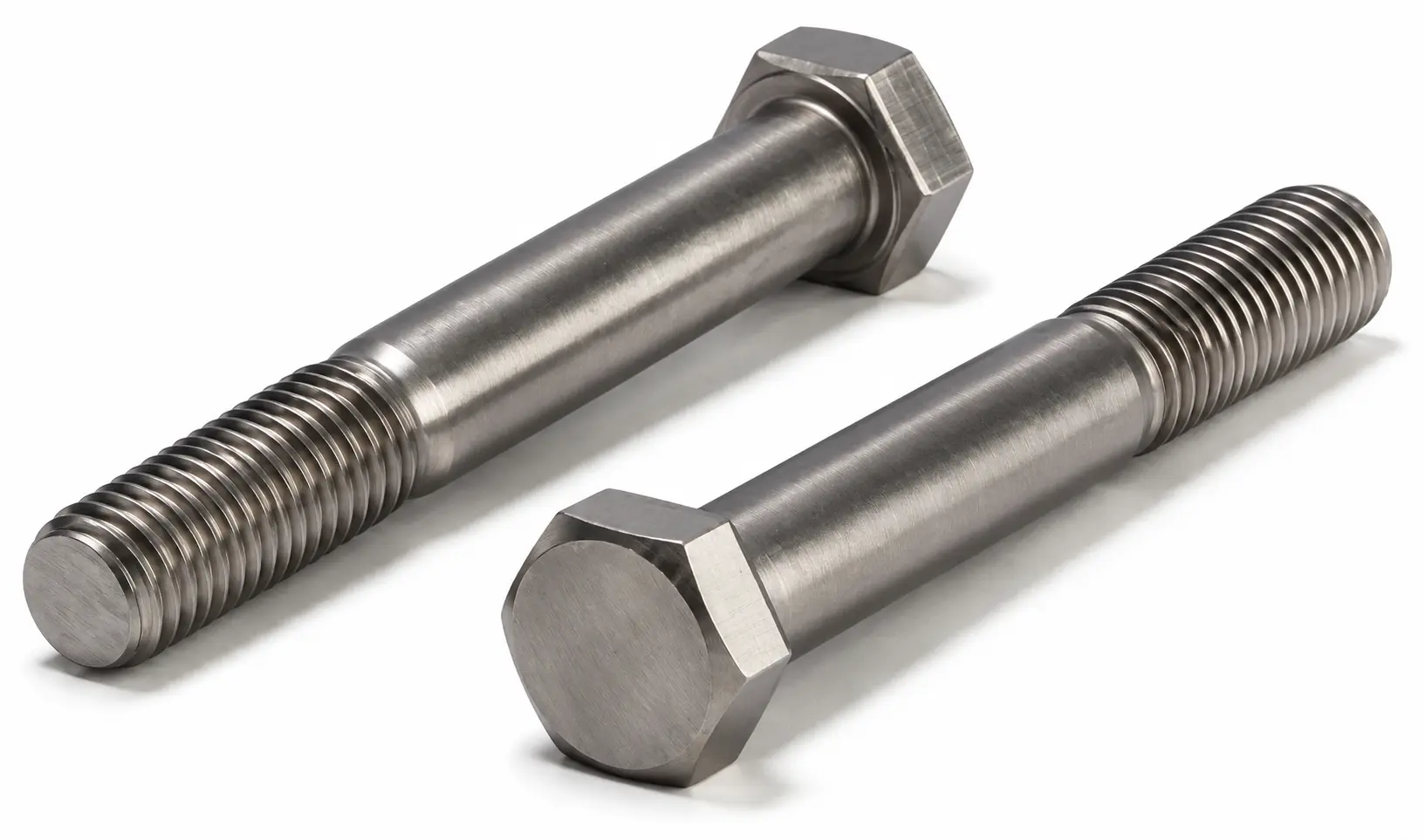
Ti-6Al-2Sn-4Zr-6Mo Hex Bolts
Ti-6Al-2Sn-4Zr-6Mo
Hex Bolts
Ti-6Al-2Sn-4Zr-6Mo Heavy Hex Bolts
Ti-6Al-2Sn-4Zr-6Mo
Heavy Hex Bolts
Ti-6Al-2Sn-4Zr-6Mo Stud Bolts
Ti-6Al-2Sn-4Zr-6Mo
Stud Bolts
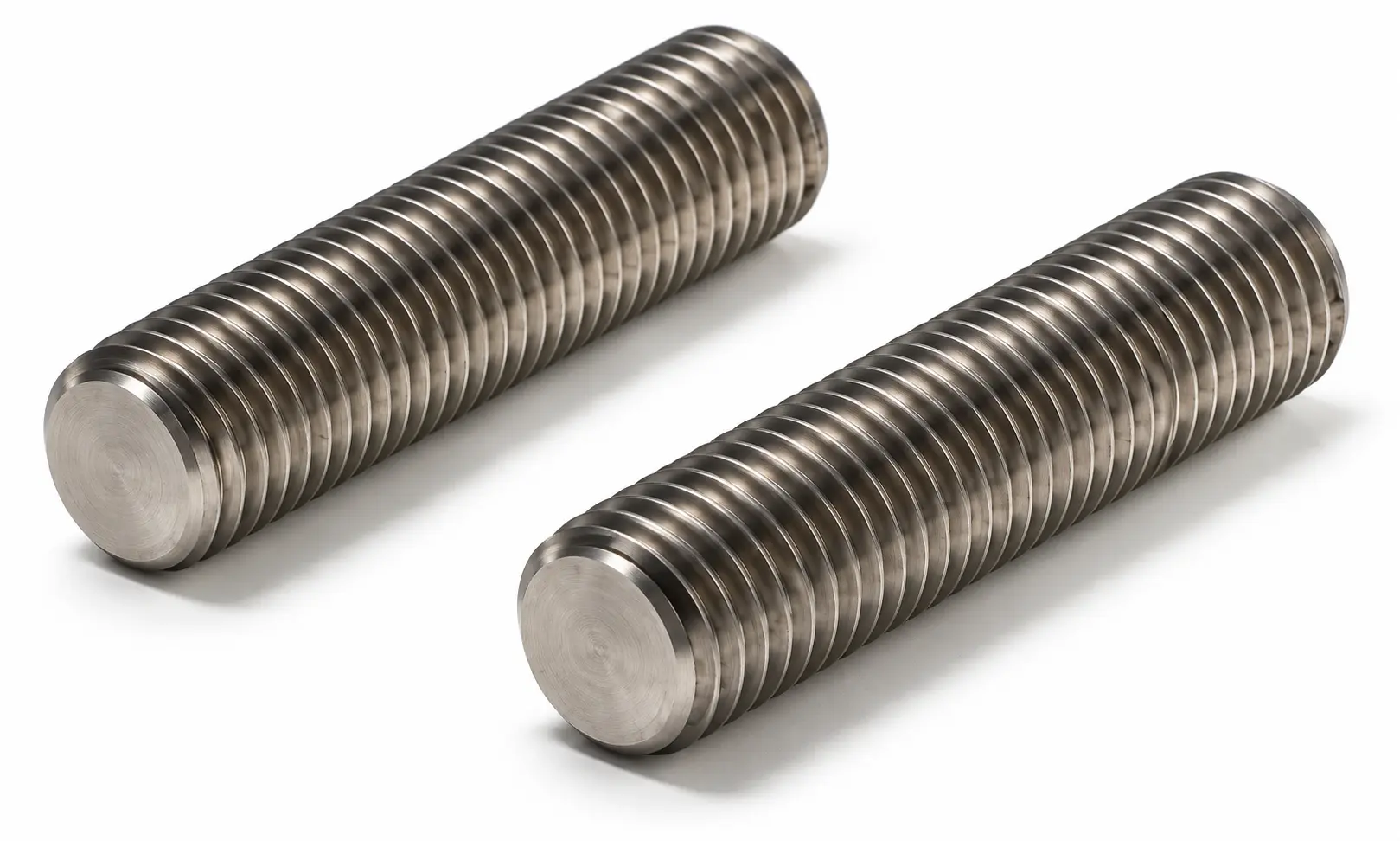
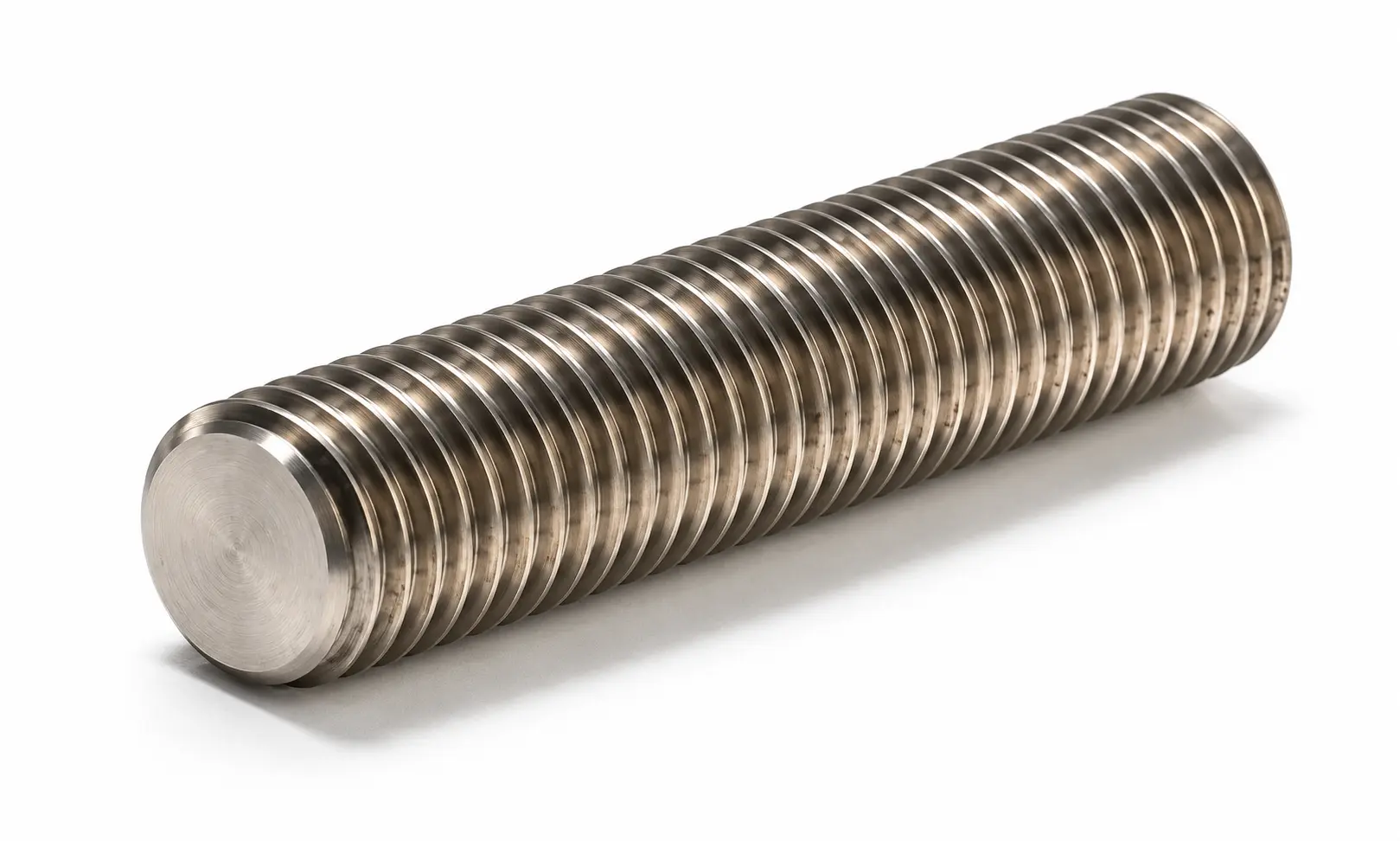
Ti-6Al-2Sn-4Zr-6Mo Threaded Rods
Ti-6Al-2Sn-4Zr-6Mo
Threaded Rods
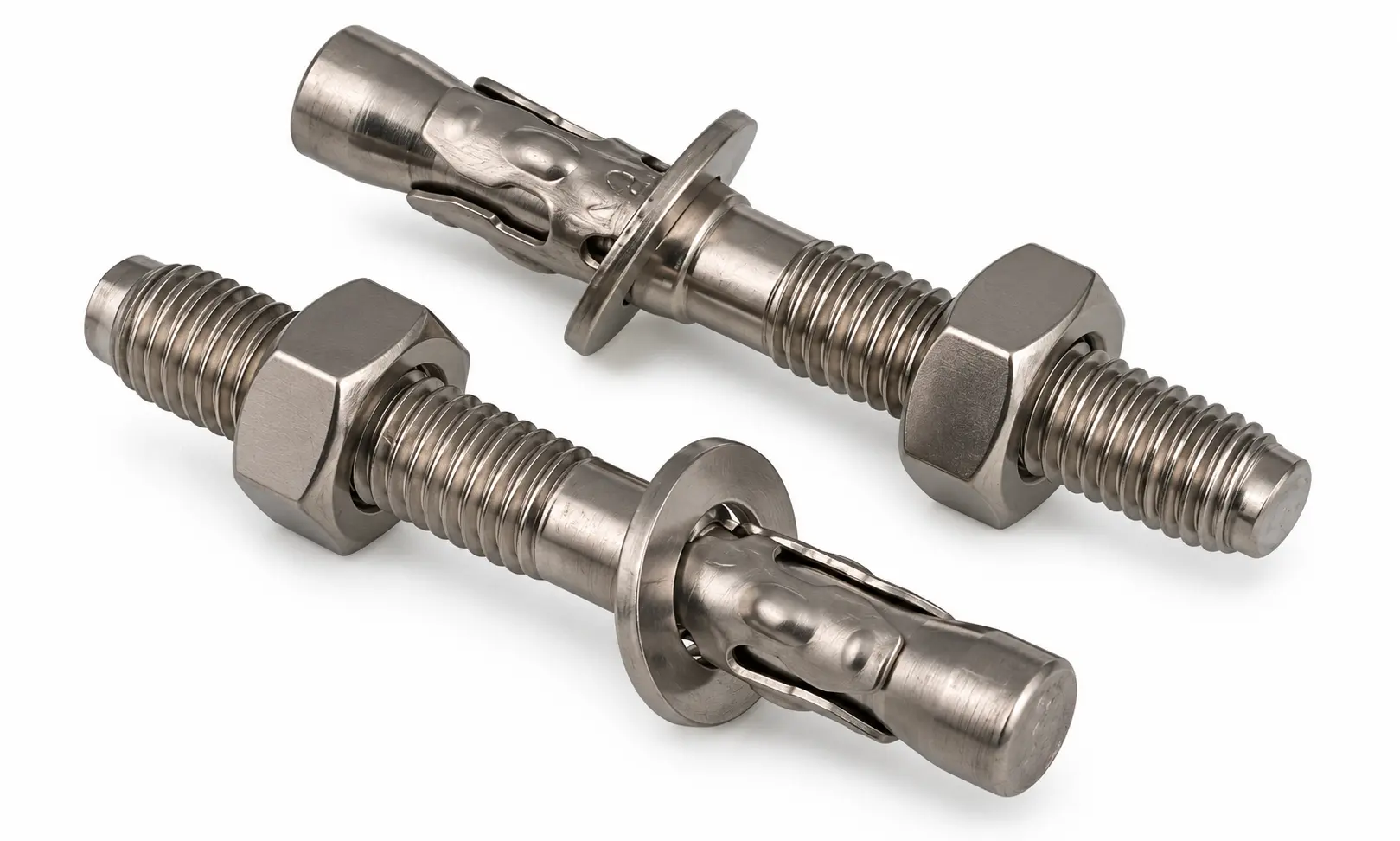
Ti-6Al-2Sn-4Zr-6Mo Anchor Bolts
Ti-6Al-2Sn-4Zr-6Mo
Anchor Bolts
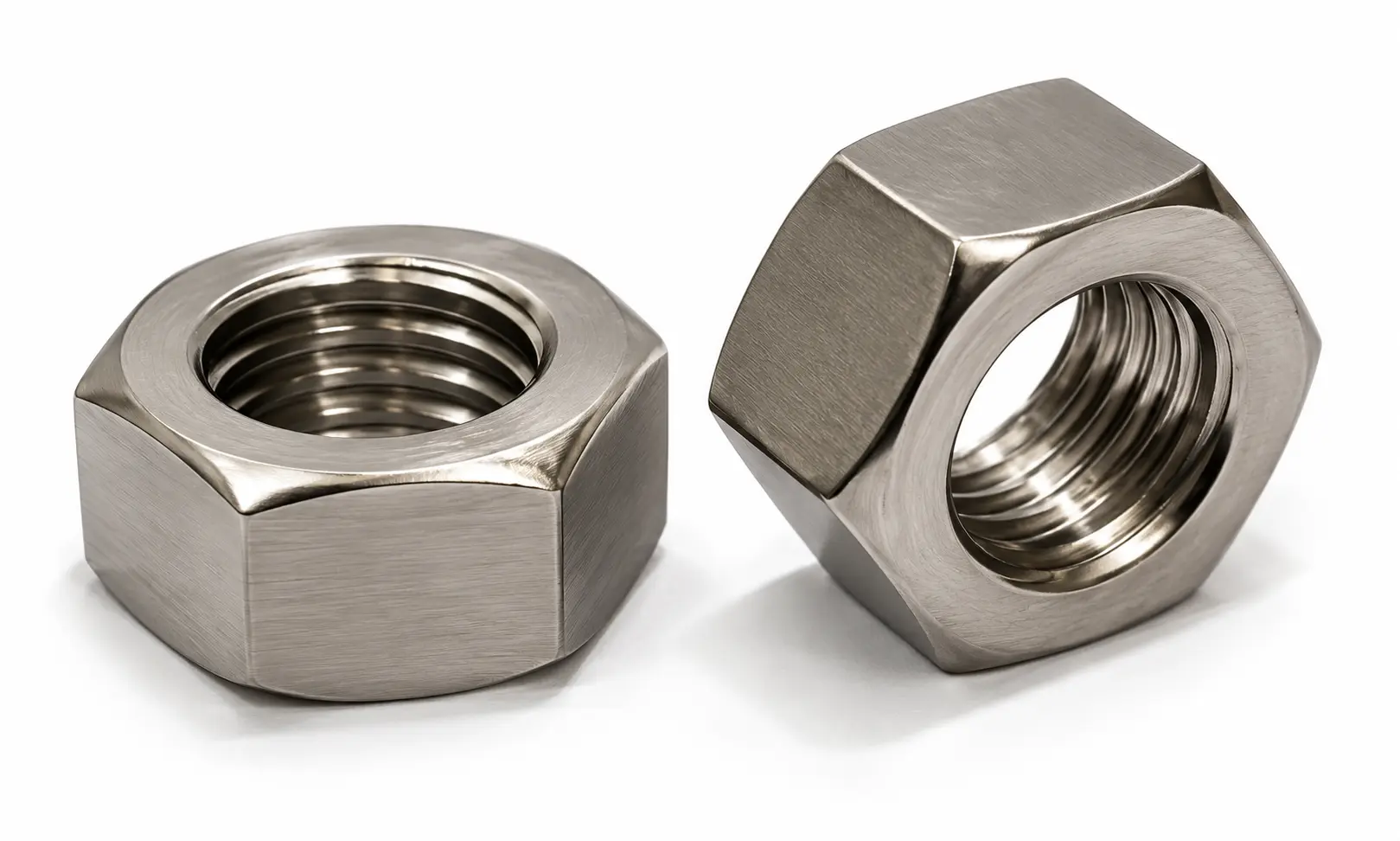
Ti-6Al-2Sn-4Zr-6Mo Hex Nuts
Ti-6Al-2Sn-4Zr-6Mo
Hex Nuts
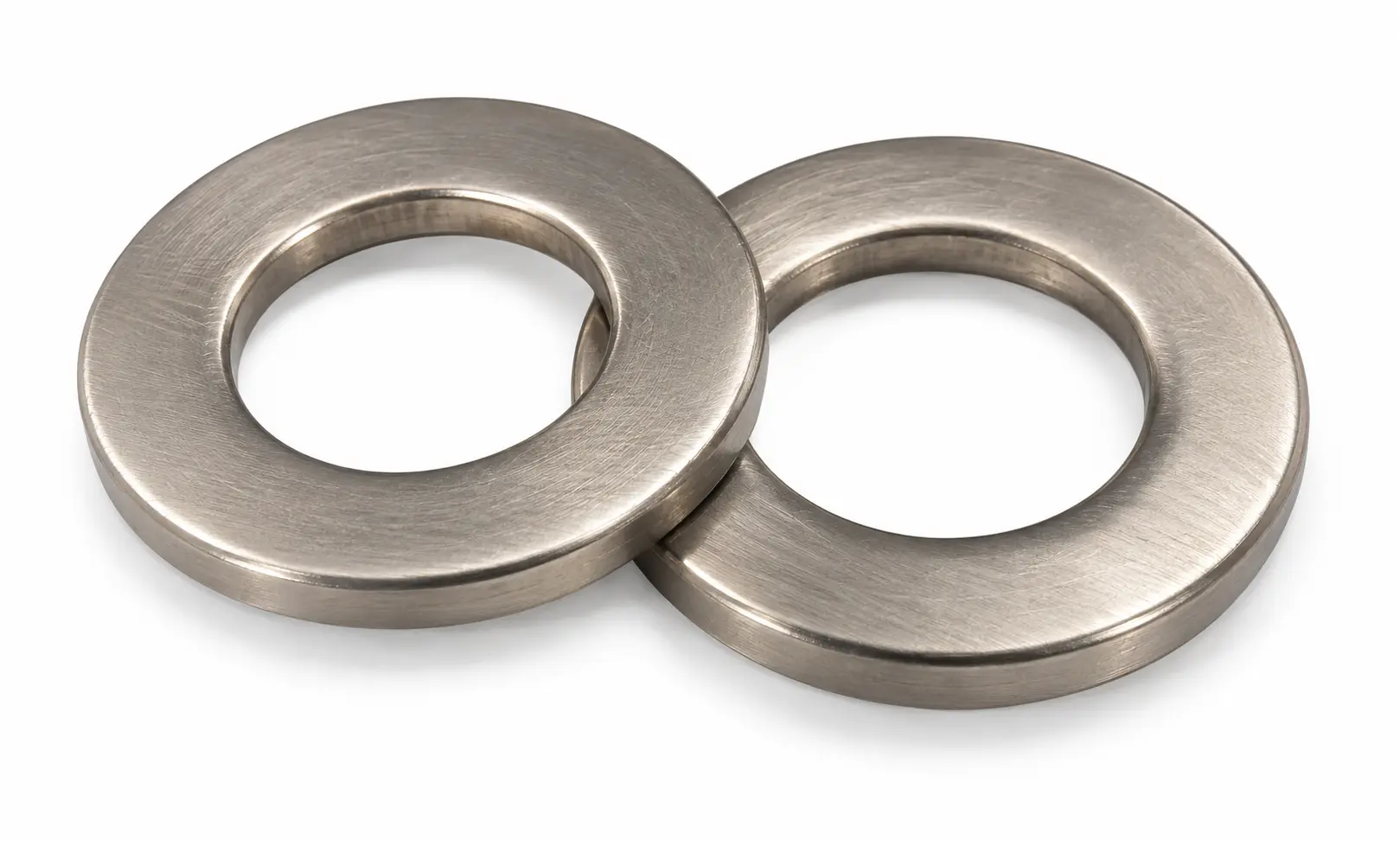
Ti-6Al-2Sn-4Zr-6Mo Washers
Ti-6Al-2Sn-4Zr-6Mo
Washers
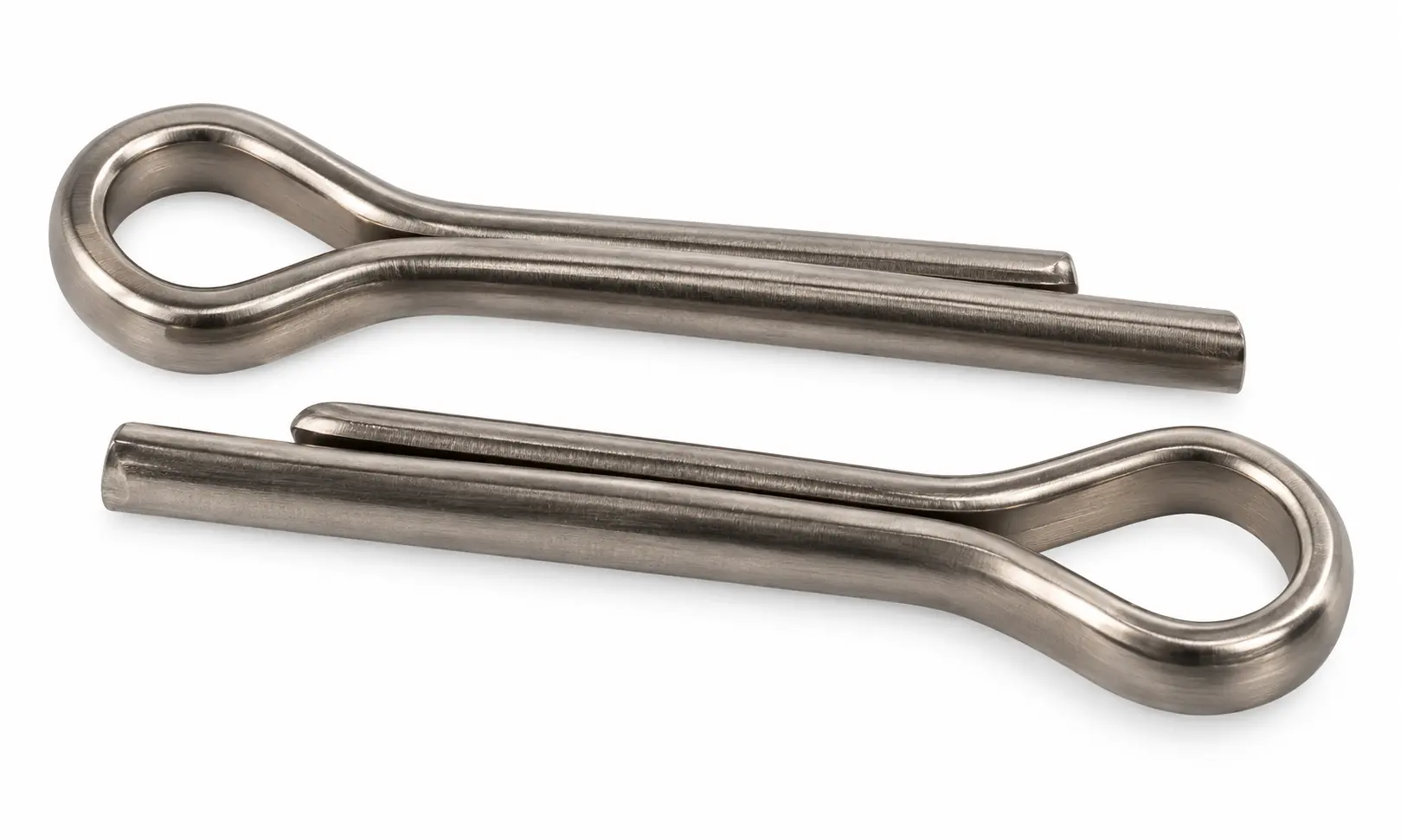
Ti-6Al-2Sn-4Zr-6Mo Cotter Pins
Ti-6Al-2Sn-4Zr-6Mo
Cotter Pins
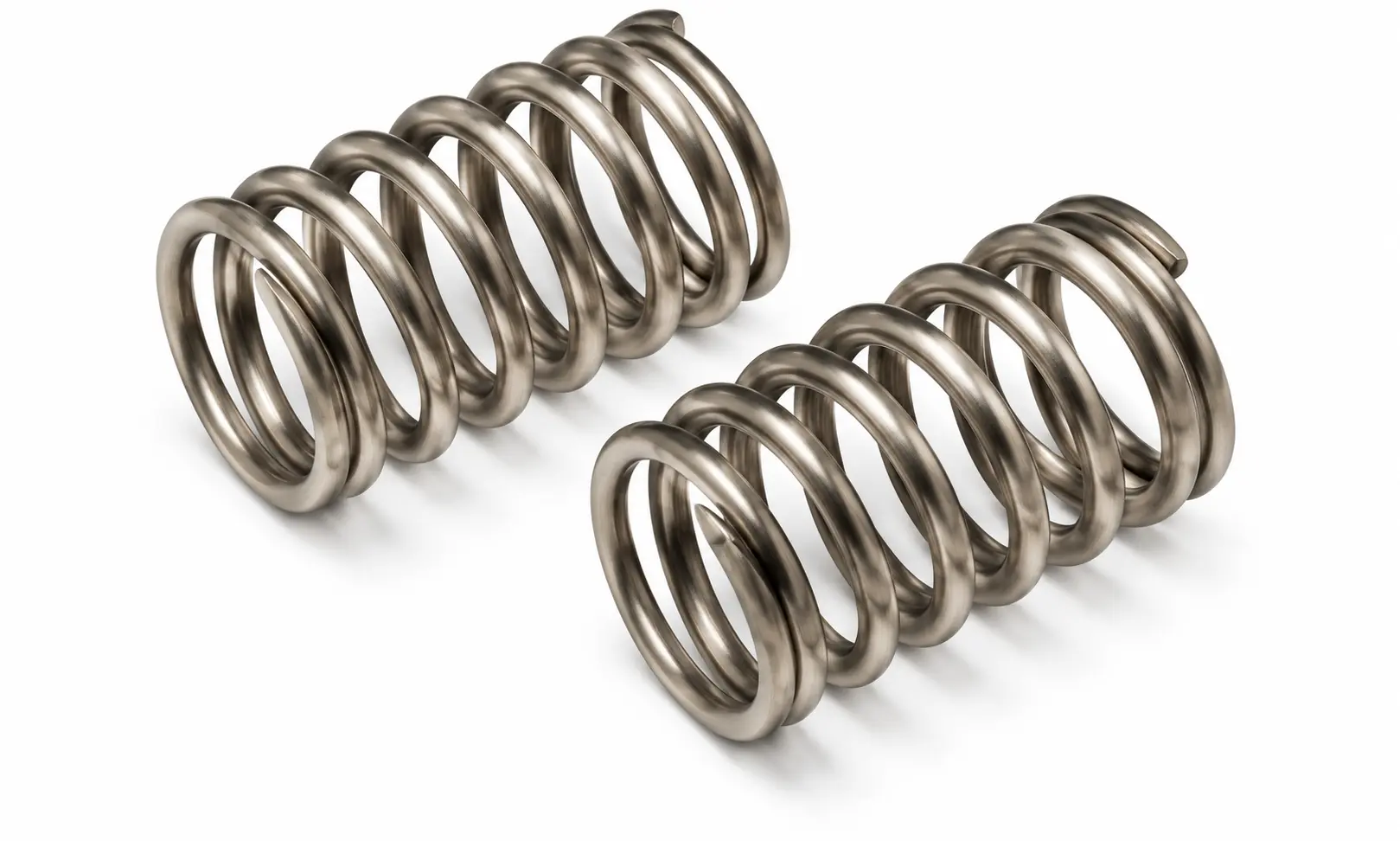
Ti-6Al-2Sn-4Zr-6Mo Springs
Ti-6Al-2Sn-4Zr-6Mo
Springs
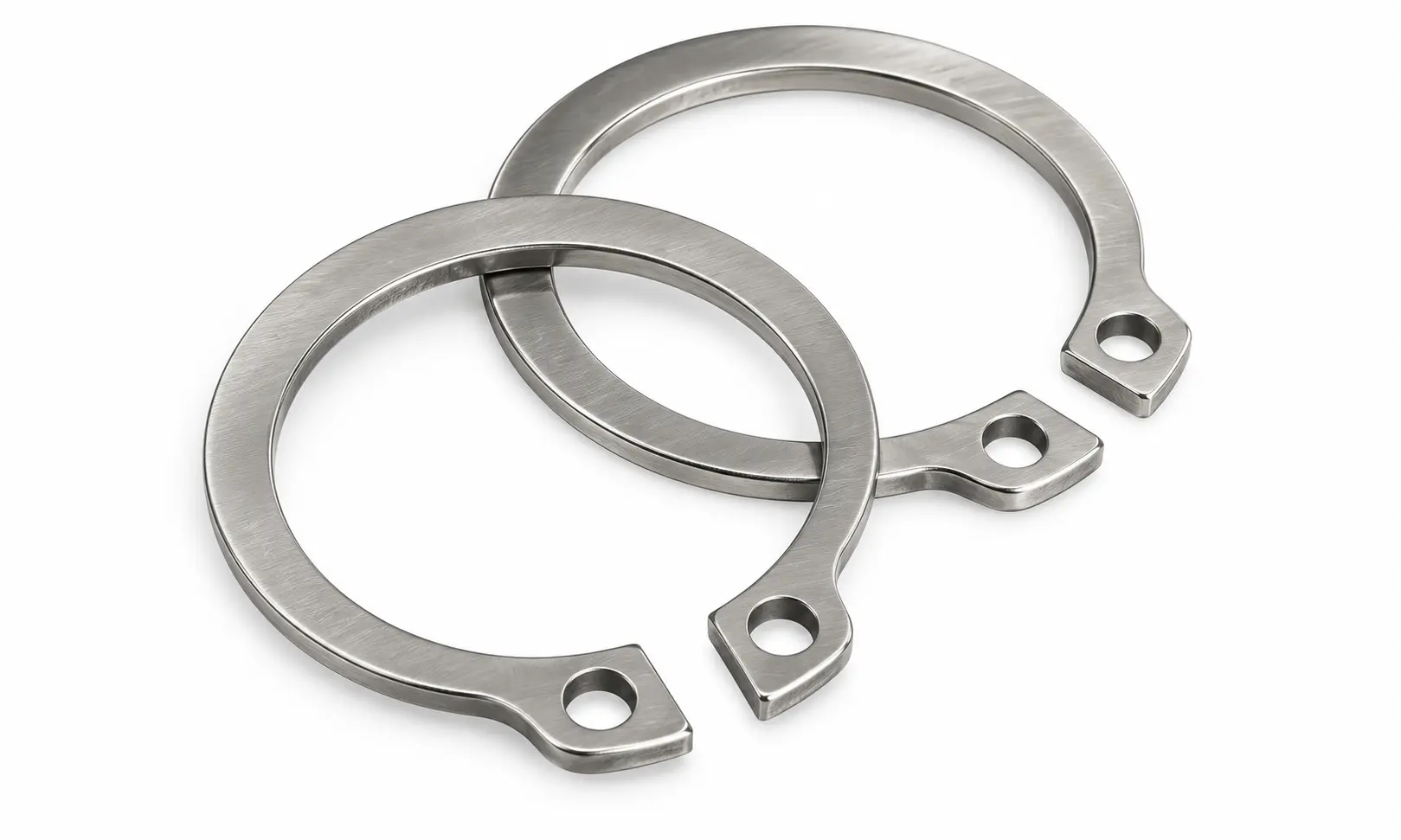
Ti-6Al-2Sn-4Zr-6Mo Circlips
Ti-6Al-2Sn-4Zr-6Mo
Circlips
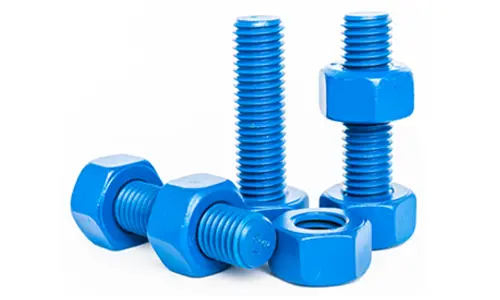
Ti-6Al-2Sn-4Zr-6Mo Coated Fasteners
Ti-6Al-2Sn-4Zr-6Mo
Coated Fasteners
Ti-6Al-2Sn-4Zr-6Mo Custom Spacers
Ti-6Al-2Sn-4Zr-6Mo
Custom Spacers
Technical Data

Ti-6Al-2Sn-4Zr-6Mo Specifications

Chemical Composition — Titanium 6Al-2Sn-4Zr-6Mo (wt. %)
ElementTiAlSnZrMoOFeC
Min %Balance5.501.753.505.50–––
Max %Balance6.502.254.506.500.150.150.04
Mechanical Properties — Titanium 6Al-2Sn-4Zr-6Mo
ConditionUTS (MPa)YS 0.2% (MPa)Elongation (%)Hardness
Solution Treated & Aged (Typical)1100–12751000–11708–12–
Annealed (Typical)1035–1140965–107010–14–
Service Temperature–––Good retention to 450°C
Alloy Class–––Alpha-beta, deeply hardenable
Physical Properties
DensityApproximately 4.65 g/cm³
Modulus of ElasticityApproximately 114 GPa
Melting RangeApproximately 1538–1649°C
Thermal ConductivityApproximately 7.1 W/m·K at 20°C
Service TemperatureGood strength retention to approximately 450°C
Alloy ClassAlpha-beta — high strength, deeply hardenable
Equivalent Grades & Standards
UNSWerkstoff / DINASTM DesignationCommon Name
R56260 – AMS 4981 / MIL-T-9047 Ti-6246 / Ti-6-2-4-6

Key Specifications: AMS 4981 (Bar, Forgings & Rings) / MIL-T-9047. Not covered by ASTM B348. A caution on specification numbers. This alloy is covered by SAE AMS and MIL specifications rather than by ASTM B348, and the AMS numbers quoted for it differ between published sources — partly because several have been revised or superseded over the years. Acceptance values must come from the current SAE revision or the customer drawing that governs your parts, not from a catalogue listing. Our certified test values for your actual product form and heat treatment are supplied with every batch.

Machinability: titanium’s low thermal conductivity is the governing problem — the heat generated at the cut stays at the cutting edge instead of being carried away. Use rigid setups, sharp tooling, low surface speeds, heavy positive feeds and high-volume flood coolant directed into the cutting zone, and never let the tool dwell. Fine chips and grinding dust are a fire hazard and are handled wet. Threads are rolled rather than cut wherever the section permits, both for fatigue life and because cutting titanium threads invites the same galling that affects them in service. Ti-6246 is among the more difficult titanium alloys to machine, in proportion to its strength and its heavy molybdenum content. Expect shorter tool life than on Ti-6Al-4V and plan finishing accordingly.

Welding: weldability is poor. The heavy beta stabilisation means weld and heat-affected zone properties fall well short of the parent metal, and fusion welding of load-bearing joints is avoided. Welding requires full inert gas shielding of the weld, the heat-affected zone and the root — trailing shields and backing gas are standard practice. Weld colour is the first-pass check: bright silver is acceptable, straw and blue indicate increasing contamination, and grey or white powder means the weld must be cut out. Mechanical fastening is the intended joining route, which is part of why Ti-6246 fasteners exist.

Forming: hot work in the 870–955°C range with careful temperature control, since the beta transus governs the microstructure and therefore the properties. Cold formability is poor. Thread rolling is preferred to cutting.

Heat Treatment: Ti-6246 is deeply hardenable by solution treatment and ageing, considerably more so than Ti-6Al-4V, which is the reason for the 6% molybdenum. The solution temperature relative to the beta transus controls the alpha morphology and hence the balance of strength against toughness, so the cycle should be agreed at order stage rather than assumed. All heat treatment above roughly 500°C must be carried out in vacuum or inert gas, or the oxygen-enriched alpha case removed afterwards, because titanium absorbs oxygen, nitrogen and hydrogen rapidly at temperature and a contaminated surface layer is brittle.

Ti-6246 occupies a specific niche: very high strength that holds up to around 450°C. That is hotter than Ti-6Al-4V or Ti-662 will usefully go and considerably stronger than the near-alpha alloys such as Ti-6242 that run hotter still. The combination suits jet engine compressor discs and blades in the warmer stages, and highly loaded fasteners that see elevated temperature.

Corrosion resistance follows the alpha-beta pattern — adequate in marine and oxidising environments, limited in reducing acids, and not a substitute for the commercially pure grades on corrosion duty. As with the other aluminium-bearing alloys, methanol-bearing and hot-salt service under sustained tensile stress should not be assumed safe without specific qualification.

Titanium alloys divide into four classes, and the class tells you more than the grade number does. Alpha and near-alpha alloys are weldable and creep resistant and run hottest, but are not heat treatable to high strength. Alpha-beta alloys — of which Ti-6Al-4V is the archetype — are heat treatable, strong and the general structural choice. Near-beta and metastable beta alloys are deeply hardenable, can be cold formed in the solution-treated condition and then aged to very high strength, which makes them the natural choice for fasteners and springs. Commercially pure and lean corrosion grades trade all strength away for corrosion performance.

Three absolute exclusions apply to every titanium grade: it must not be used in dry chlorine, with which it reacts violently; not with red fuming nitric acid; and it is rapidly attacked by hydrofluoric acid at any concentration. Fine titanium swarf and grinding dust are a fire hazard and are handled wet.

Titanium galls, and for a threaded fastener this is the dominant practical issue. A titanium thread run against another titanium thread will cold-weld and seize, often badly enough that the fastener has to be cut off. Every titanium bolted joint needs one of three mitigations: an anti-seize compound or dry-film lubricant such as molybdenum disulphide; a plated or coated thread, commonly silver or solid-film lubricant; or a nut in a dissimilar material. Specify which at order stage.

Titanium is galvanically noble. It will not corrode itself, but a titanium fastener in an aluminium, carbon steel, zinc or magnesium assembly drives accelerated corrosion of the structure around it, and a bolted joint’s small-anode, large-cathode geometry is the worst case. Insulating washers and sleeves or a barrier coating should be specified in those assemblies.

Key Characteristics

  • Very high strength with good retention to approximately 450°C.
  • Deeply hardenable — 6% molybdenum against 2% in Ti-6242.
  • Solution treated and aged to 1100–1275 MPa typical.
  • Hotter capability than Ti-6Al-4V or Ti-662.
  • Heat treatment cycle tunable for strength against toughness.

Typical Applications

  • Aero engines: compressor disc and blade hardware.
  • Highly loaded elevated-temperature fastener assemblies.
  • Thick-section forgings requiring deep hardening.
  • Engine rotating components in the warmer compressor stages.
  • High-strength structural fixings to 450°C.