+91 97734 41022 sales@exoticalloy.com
Material Specification

Alloy 42

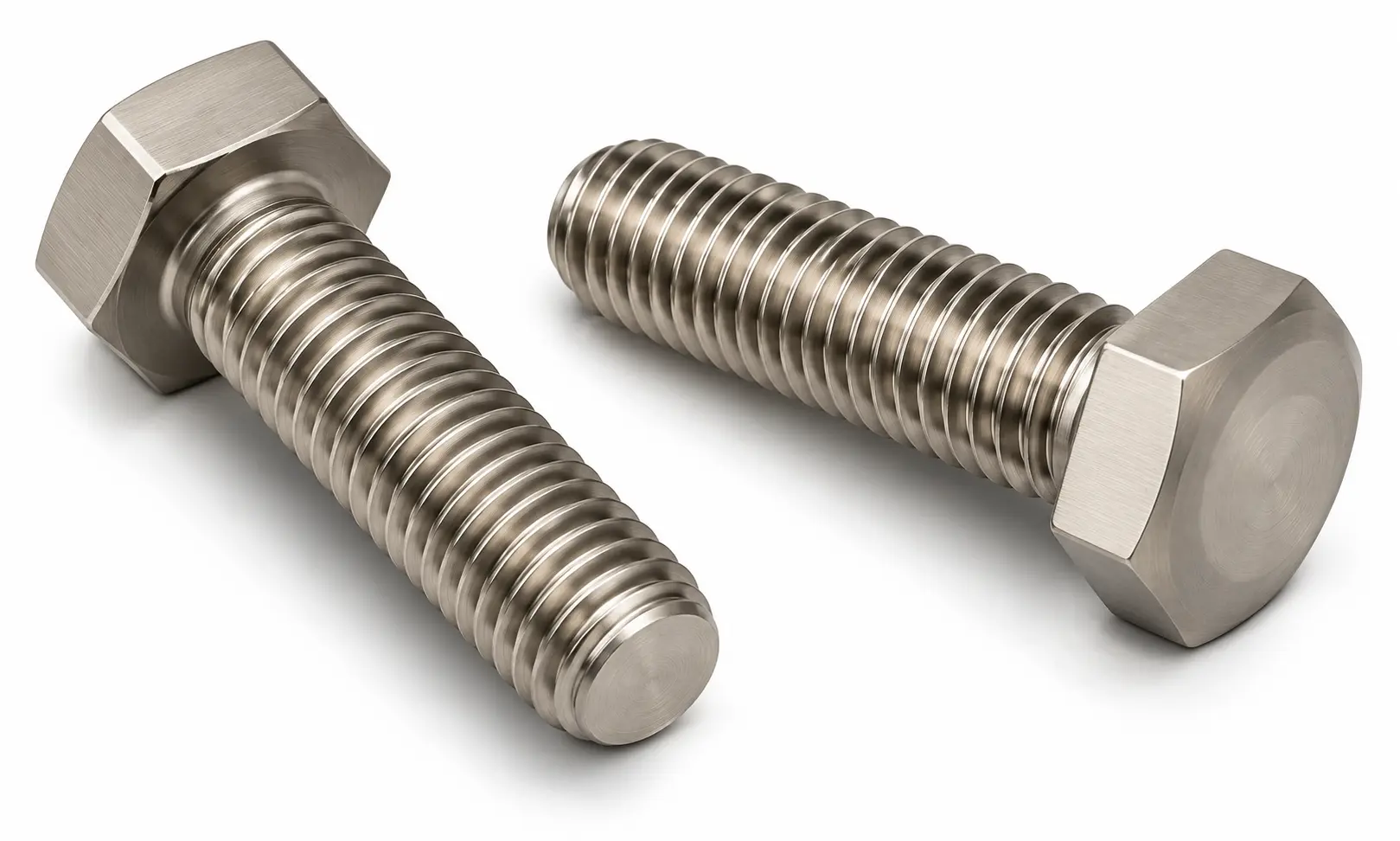
Alloy 42 Fasteners
Fe-42Ni Controlled Expansion Alloy – Glass, Ceramic & Silicon Sealing Match

I Alloy 42 Fasteners

Buy I Alloy 42 (Nilo 42 / FeNi42 / UNS K94100 / Werkstoff 1.3917 / ASTM F30) precision fasteners, machined components, bar, strip and wire from Exotic Alloy. Alloy 42 is a nickel-iron alloy containing nominally 42% nickel with a low and nominally constant coefficient of thermal expansion from room temperature to about 300°C, at roughly 5.3 µm/m·°C — deliberately matched to silicon, alumina ceramic and the softer sealing glasses.

Exotic Alloy manufactures Alloy 42 components to ASTM F30 for bar, rod, sheet, strip and tube, ASTM F29 for wire, ASTM B753 for sheet and strip, DIN 17745 and AFNOR NF A54-301, in metric M3–M24 and imperial #2–1" sizes, with full EN 10204 3.1 material test certificates for semiconductor lead frames, glass-to-metal and ceramic-to-metal seals, and thermostatic bimetal assemblies.

Request a Quote
Product Range

Alloy 42 Fasteners Available

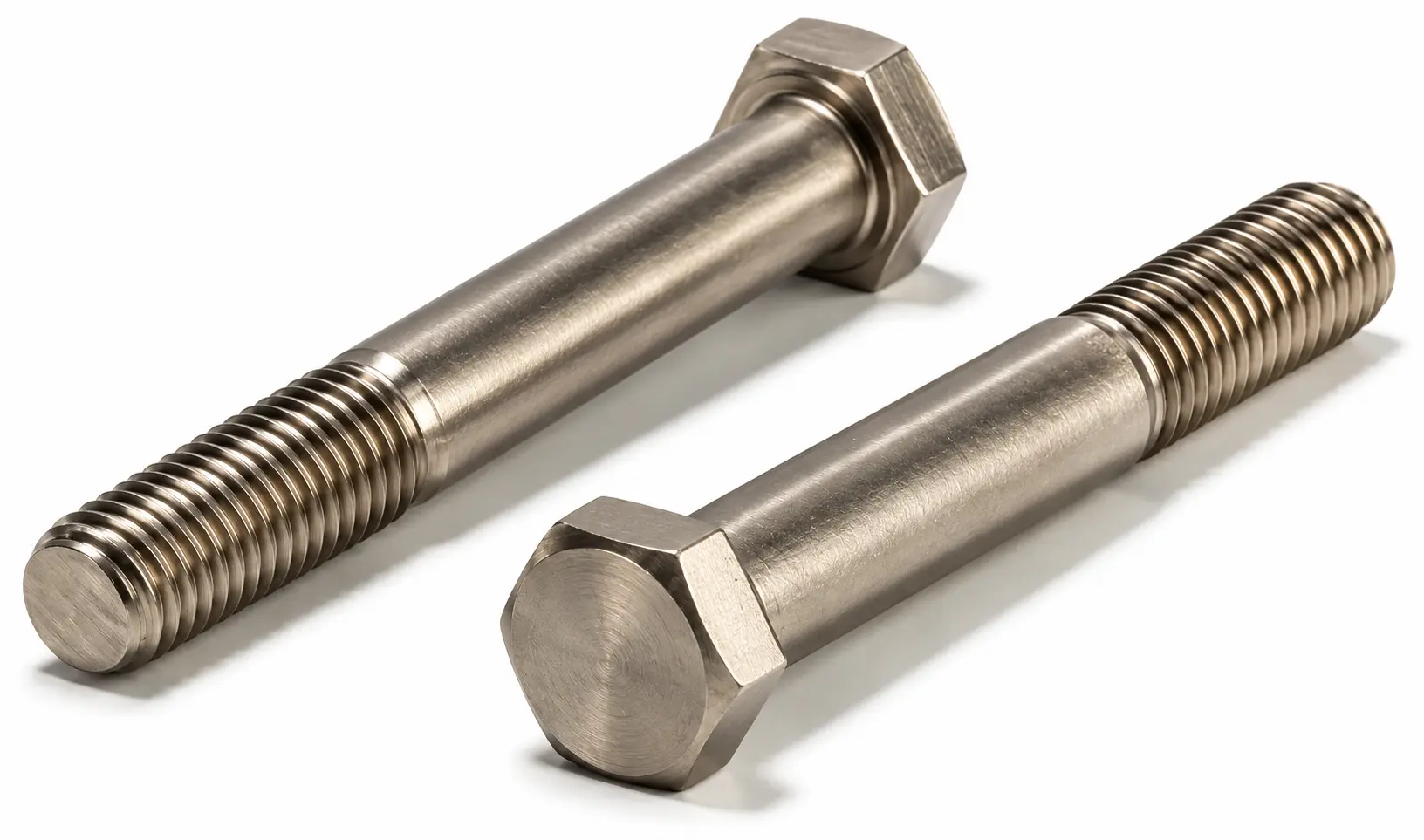
Alloy 42 Hex Bolts
Alloy 42
Hex Bolts
Alloy 42 Heavy Hex Bolts
Alloy 42
Heavy Hex Bolts
Alloy 42 Stud Bolts
Alloy 42
Stud Bolts
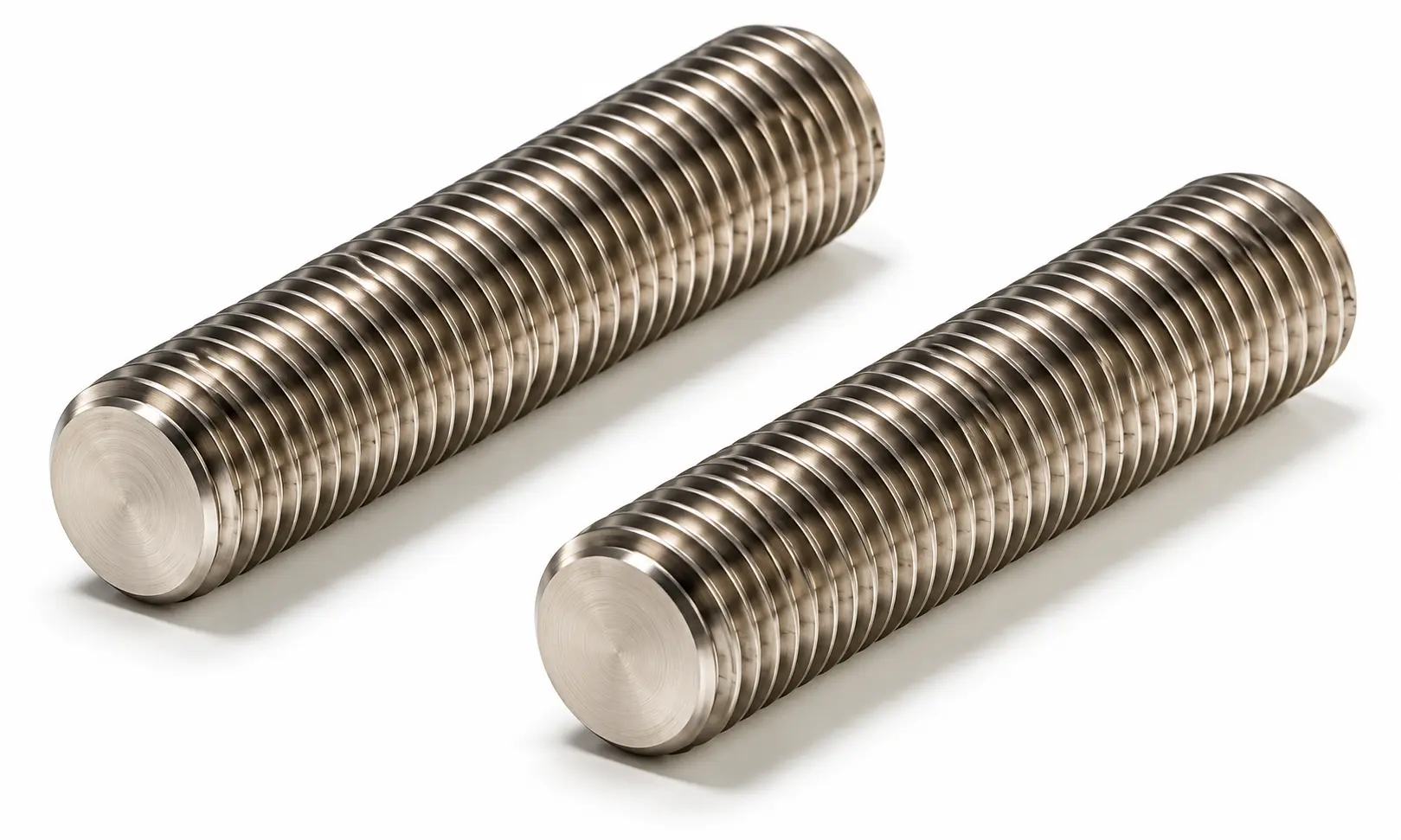
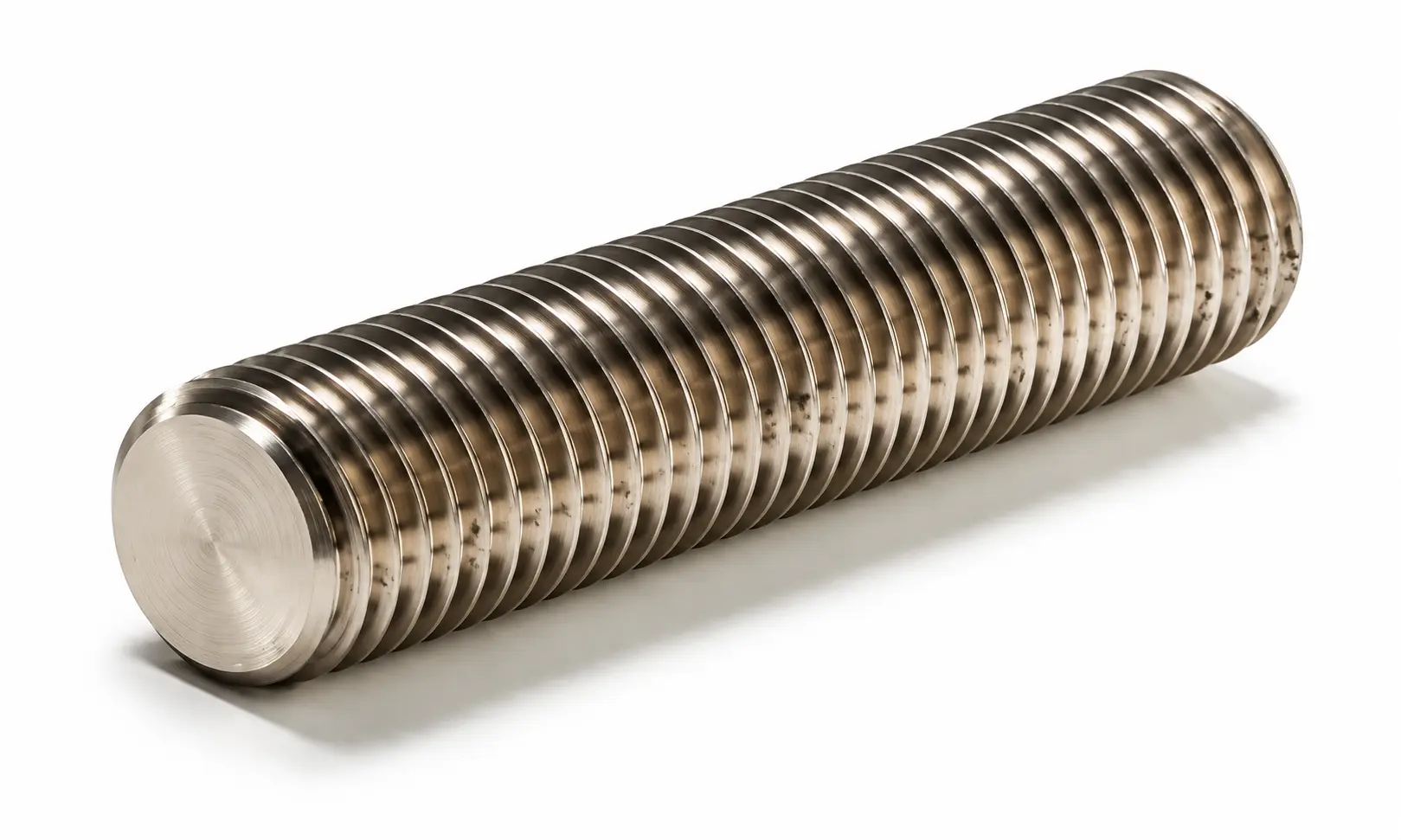
Alloy 42 Threaded Rods
Alloy 42
Threaded Rods
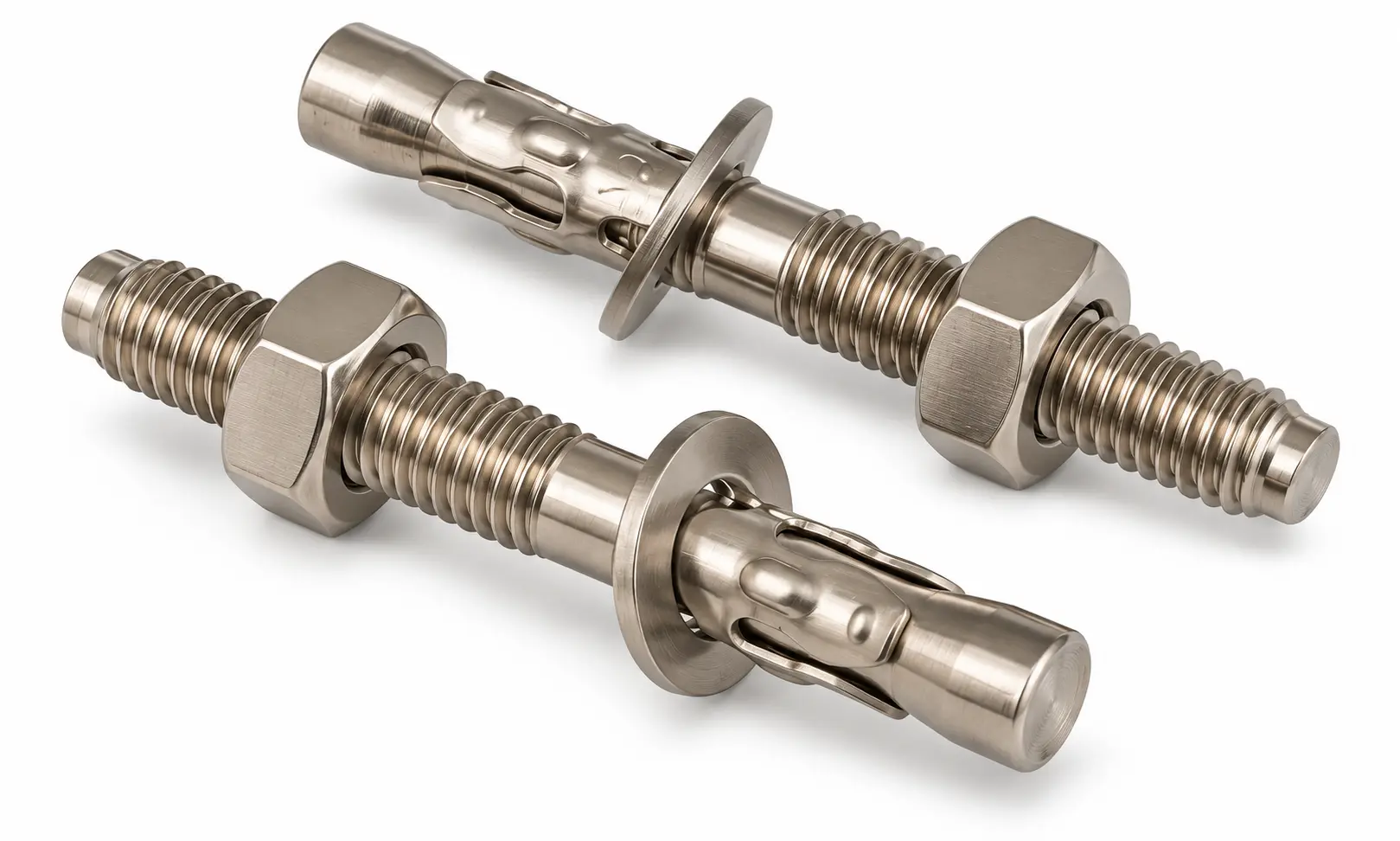
Alloy 42 Anchor Bolts
Alloy 42
Anchor Bolts
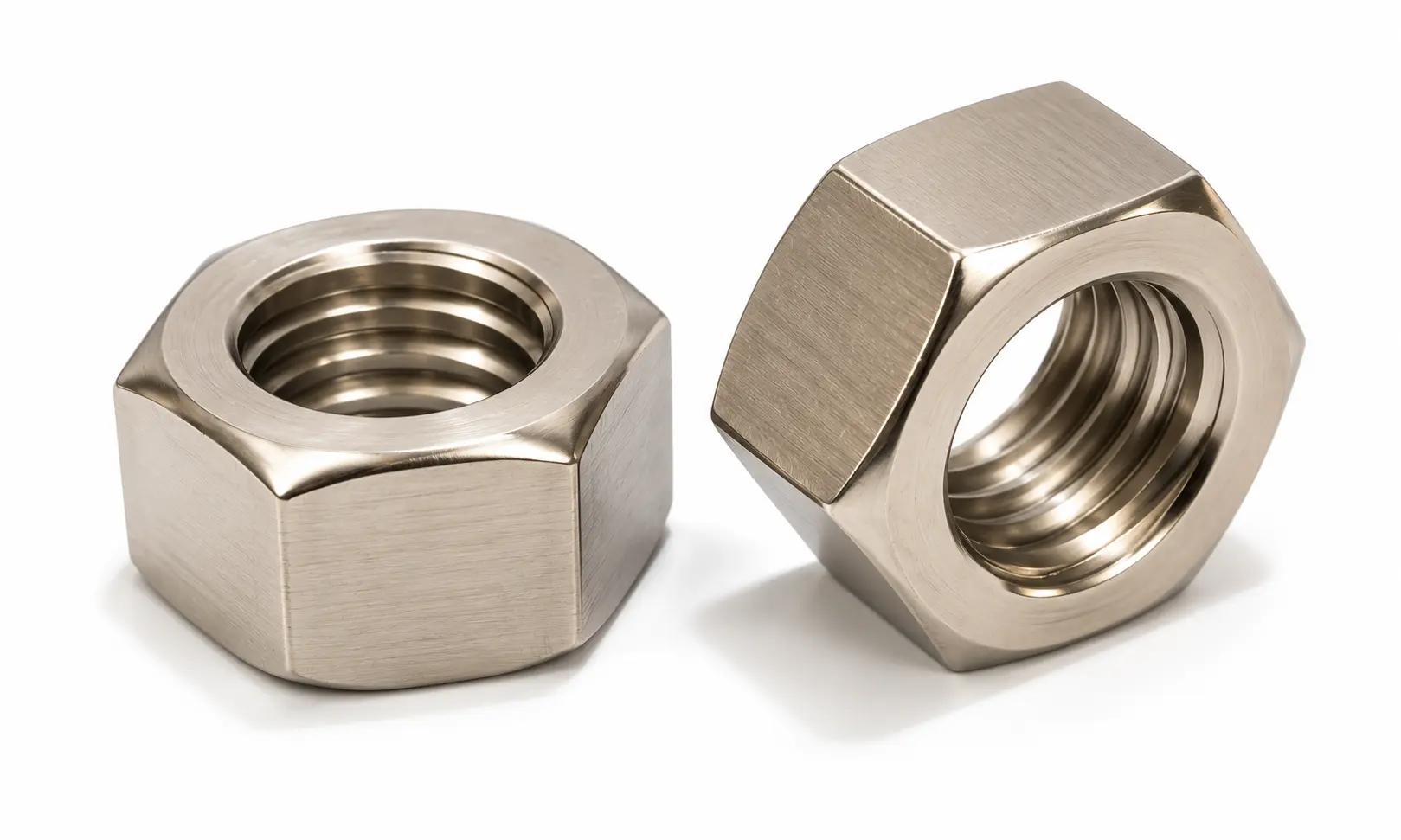
Alloy 42 Hex Nuts
Alloy 42
Hex Nuts
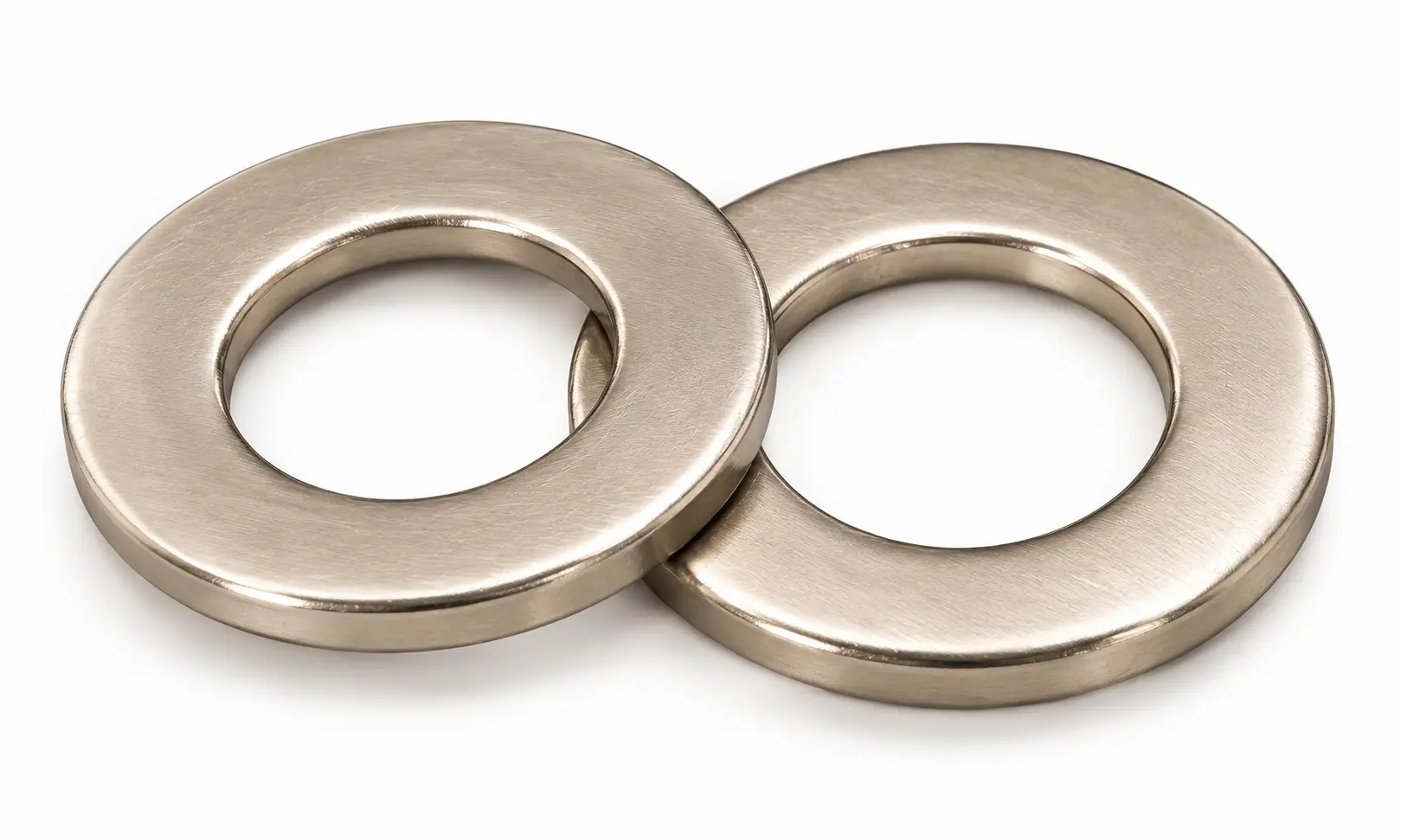
Alloy 42 Washers
Alloy 42
Washers
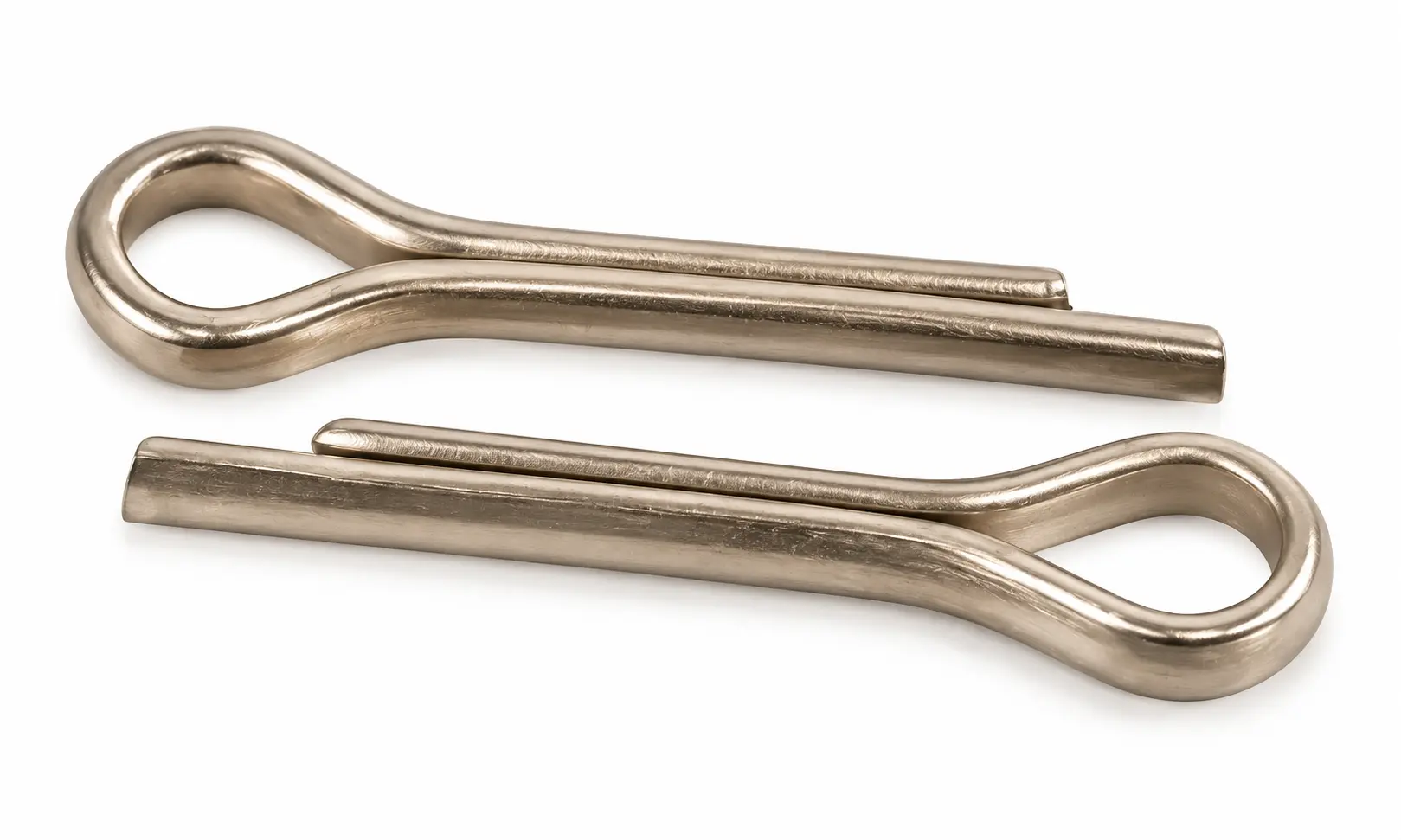
Alloy 42 Cotter Pins
Alloy 42
Cotter Pins
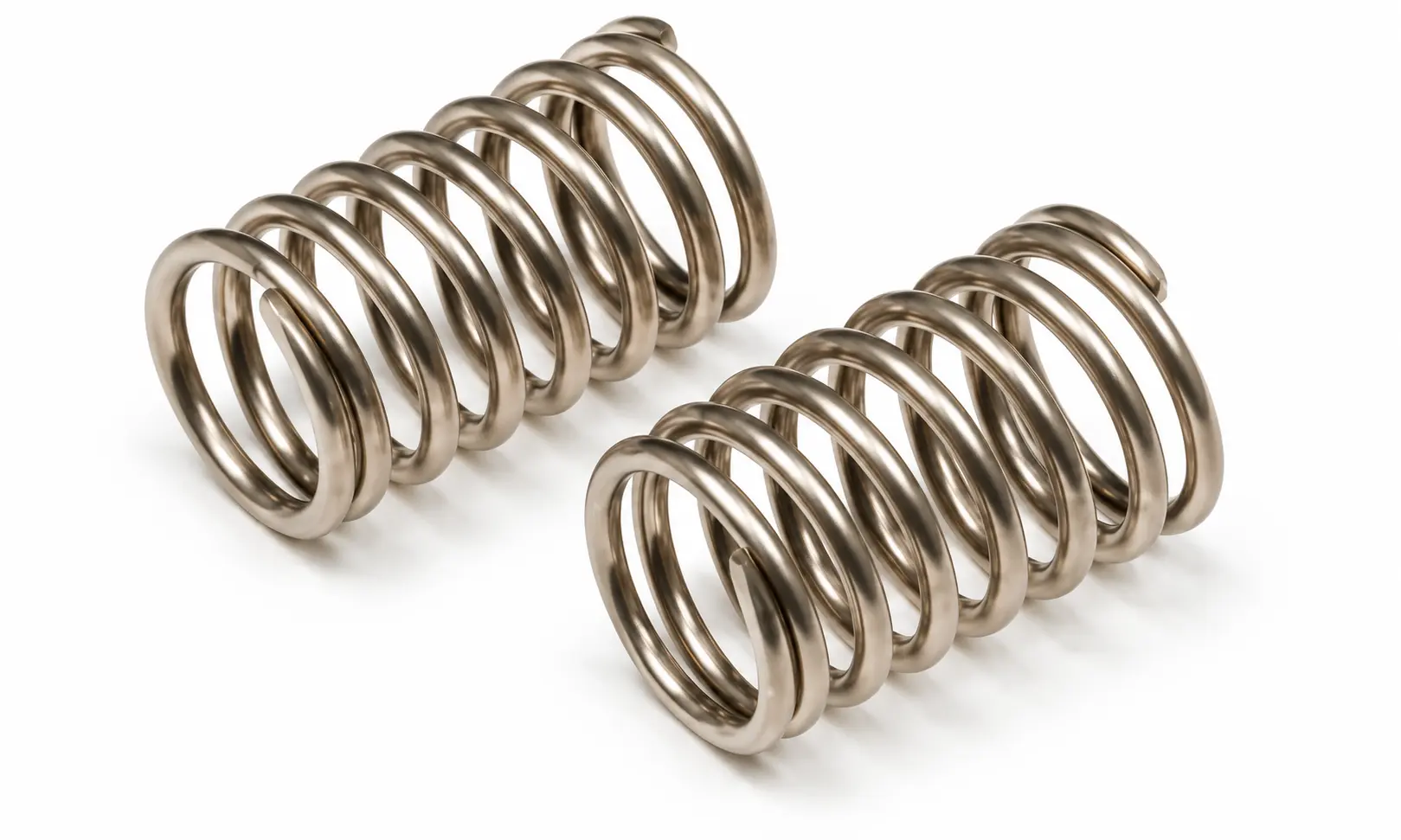
Alloy 42 Springs
Alloy 42
Springs
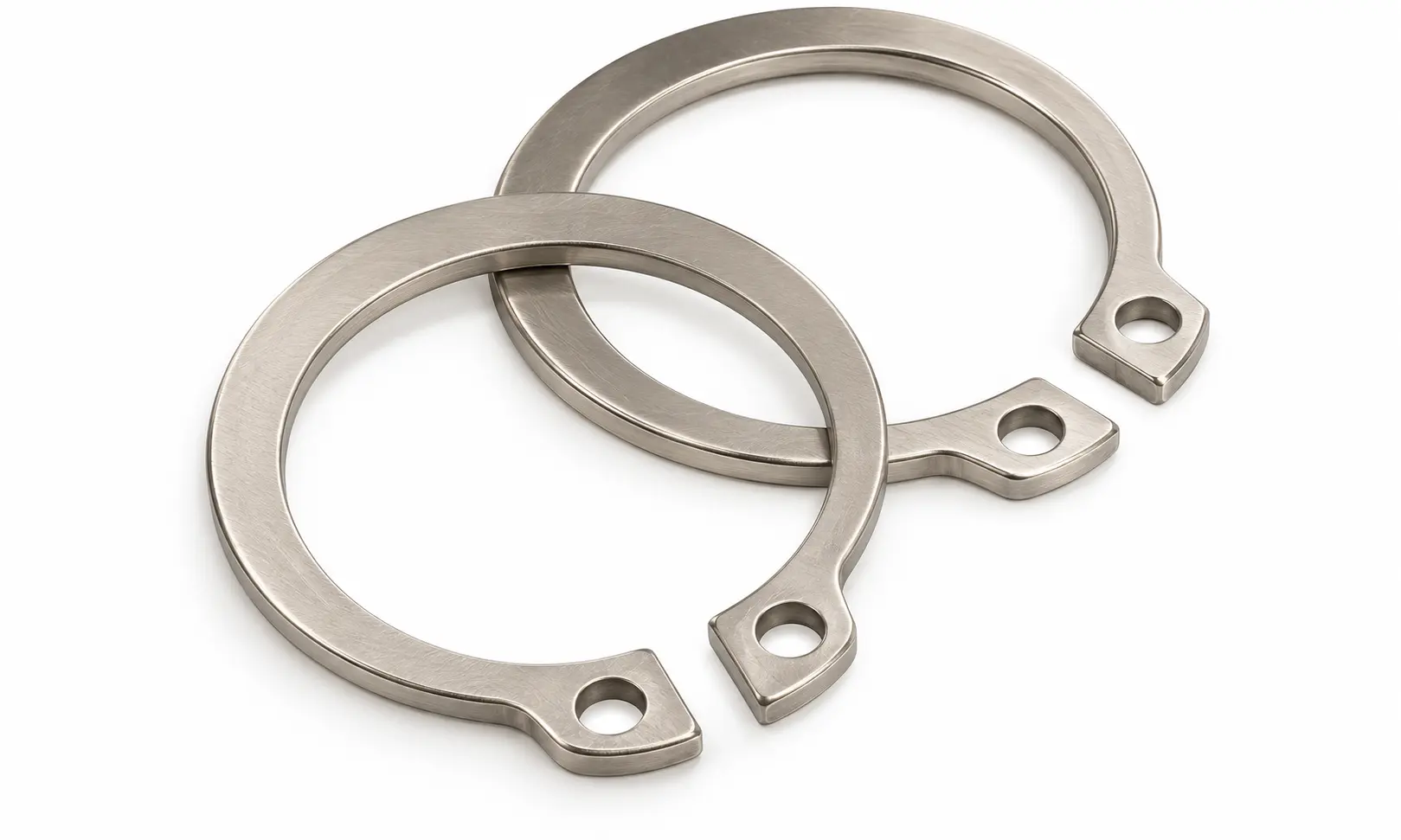
Alloy 42 Circlips
Alloy 42
Circlips
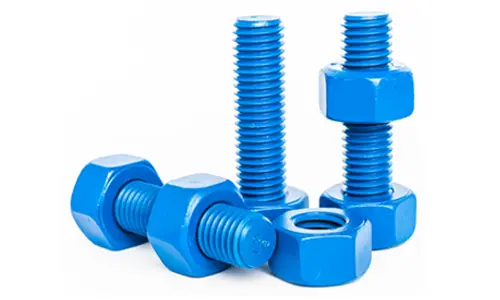
Alloy 42 Coated Fasteners
Alloy 42
Coated Fasteners
Alloy 42 Custom Spacers
Alloy 42
Custom Spacers
Technical Data

Alloy 42 Specifications

Chemical Composition — I Alloy 42 (wt. %)
ElementFeNiMnSiCrAlCPS
Min %Balance41.0–––––––
Max %Balance42.50.800.300.250.100.050.0250.025
Mechanical Properties — I Alloy 42
ConditionUTS (MPa)YS 0.2% (MPa)Elongation (%)Hardness
Annealed (Typical)49025043–
Cold Worked Strip and WireHigher — certified per order––Per order
Useful Low-Expansion Range–––Room temperature to approx. 300°C
Physical Properties
Density8.12 g/cm³
Thermal Expansion5.3 µm/m·°C (20–100°C)
Thermal Expansion4.5–5.5 µm/m·°C (20–300°C)
Expansion Matched ToSilicon, alumina ceramic and soft sealing glasses
Useful Low-Expansion RangeRoom temperature to approximately 300°C (570°F)
Controlling VariableNickel content — expansion is highly sensitive to it
Equivalent Grades & Standards
UNSWerkstoff / DINASTM SpecificationCommon Name
K94100 1.3917 ASTM F30 / F29 / B753 Alloy 42 / Nilo 42 / FeNi42

Key Specifications: ASTM F30 (Sheet, Strip, Rod, Bar, Tubing & Wire) / ASTM F29 (Wire) / ASTM B753 (Sheet & Strip) / AMS 5683 (Welding Wire) / SEW 385 / DIN 17745 / AFNOR NF A54-301. Suppliers differ slightly on the nickel range, with figures from 41.0% minimum to 41.5–42.5% quoted; because expansion is highly sensitive to nickel content, the mill range matters and should be confirmed against the controlling specification or mill certificate for precision work.

Machinability: Alloy 42 machines much like Alloy 36 and like the austenitic stainless steels — it work-hardens, produces stringy chips and benefits from sharp tooling, rigid setups, positive feeds and generous coolant. Much of the material is supplied as thin strip and fine wire for lead frames and seals rather than as machined bar, and for those forms stamping and coining practice governs rather than turning.

Welding: weldable by GTAW and resistance processes, with AMS 5683 covering welding wire for the alloy. As with the rest of this family, welding introduces localised stress that disturbs the expansion coefficient, so a stabilising treatment should follow where the match to glass, ceramic or silicon is critical.

Forging & Forming: hot work in the 1150–870°C range; the alloy cold forms and cold draws freely, which is why it is routinely produced as fine wire and as copper-clad core rod with an 18 to 28 volume per cent copper sheath.

Heat Treatment: annealing and stress relieving practice follows the controlled-expansion family generally. For sealing applications the alloy is normally supplied annealed and in many cases given a controlled surface oxidation before glass sealing, since a thin adherent oxide is what the glass actually bonds to. As always in this family, the final stabilising treatment should be at or close to finish size.

Alloy 42 exists for one reason: its coefficient of expansion of roughly 5.3 µm/m·°C is a close match to silicon, to alumina ceramics and to the softer sealing glasses, and it holds that value nominally constant from room temperature to around 300°C. That is why it dominates semiconductor lead frames, where a mismatch against the silicon die would crack the package on thermal cycling, and why it is used for glass-to-metal seals in electronic tubes, lamps and transformer and capacitor bushings. It is also the standard core for copper-clad sealing wire.

Note that Alloy 42 does not compete with Alloy 36 or Alloy 32-5 on absolute expansion — at 5.3 µm/m·°C it is roughly four times Alloy 36 and eight times Alloy 32-5. It is chosen for the match, not the minimum, and it holds that match over a wider temperature span than either. Where the lowest possible movement is wanted, use Alloy 32-5 at room temperature or Alloy 36 across a wider band.

Machining and forming stresses change the expansion coefficient. This is the single most important processing fact about this family, and Carpenter states it explicitly for Super Invar: machining, forming and deep drawing introduce stresses that promote variation in thermal expansion behaviour, so parts should be heat treated at or as close to finish size as possible. For a threaded fastener that matters a great deal, because thread rolling is heavy local cold work. Exotic Alloy therefore machines and threads first and performs the stabilising heat treatment on the finished part — if a component is machined after its final stabilising treatment, the expansion coefficient it was bought for is no longer guaranteed.

These alloys are not corrosion resistant. Chromium is an incidental residual rather than an alloying addition — 0.5% maximum in Invar 36, 0.25% maximum in Alloy 42, and not specified at all in Super Invar — so there is no passive film and these materials rust in damp air much like plain carbon steel. Nickel, cadmium, tin or dry-film coating is required for any exposed or humid service, and components are commonly supplied plated. Passivation is not an option because there is nothing to passivate.

These are property alloys, not strength alloys. All three grades are soft iron-nickel austenites with room-temperature tensile strengths around 480–490 MPa and yield strengths of 240–280 MPa — roughly comparable to annealed 304 stainless and well below any structural bolting material. Nobody specifies Invar for load. They are specified because they barely move when the temperature changes, and a fastener in one of these alloys is there to hold a dimensionally stable assembly together without introducing thermal mismatch of its own.

Invar is a registered trademark originating with Imphy Alloys, and Nilo is a trademark of the Special Metals Corporation group. Exotic Alloy is an independent manufacturer and is not affiliated with or endorsed by either; the designations are used here solely to identify the alloy chemistry, which is defined by the UNS number and ASTM specification given above.

Key Characteristics

  • Expansion coefficient matched to silicon, alumina ceramic and soft glass.
  • Low and nominally constant coefficient from room temperature to 300°C.
  • Wider constant-expansion span than Alloy 36 or Alloy 32-5.
  • Readily cold drawn to fine wire and copper-clad core rod.
  • Covered by ASTM F30, F29 and B753 across all common product forms.

Typical Applications

  • Semiconductor packaging: integrated circuit lead frames.
  • Glass-to-metal seals: electronic tubes, lamps and bushings.
  • Ceramic-to-metal seals with alumina ceramics.
  • Thermostatic bimetal strip and thermostat rod assemblies.
  • Copper-clad sealing wire cores for lighting and electronics.