+91 97734 41022 sales@exoticalloy.com
Material Specification

Alloy 32-5

Alloy 32-5 Fasteners
Fe-32Ni-5Co Controlled Expansion Alloy – Lowest Room-Temperature Expansion

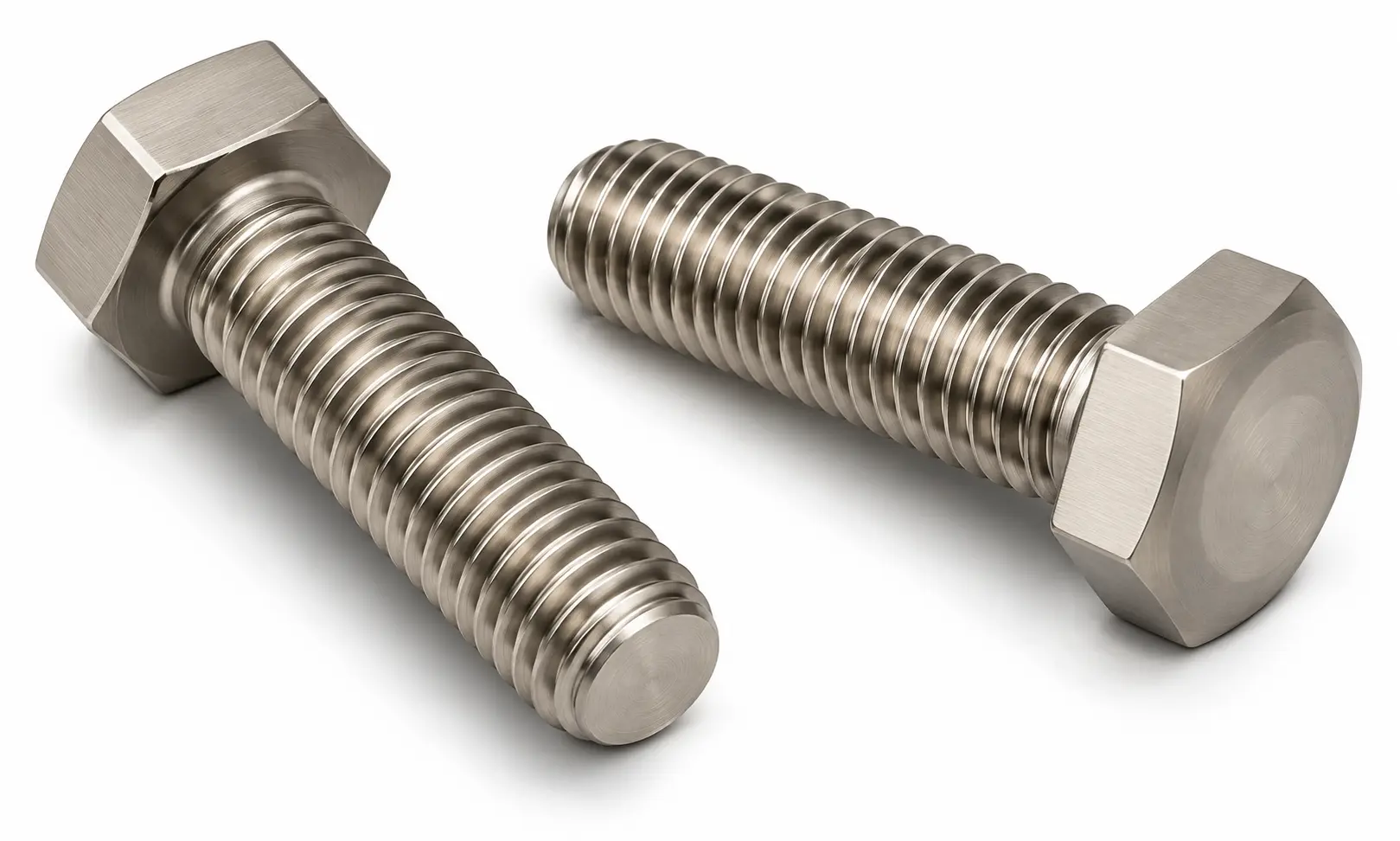
I Alloy 32-5 (Super Invar) Fasteners

Buy I Alloy 32-5 (Super Invar 32-5 / UNS K93500 / ASTM F1684) bolts, screws, studs, precision fasteners and custom machined components from Exotic Alloy. Alloy 32-5 is a magnetic, austenitic iron-nickel-cobalt solid solution alloy — nominally 32% nickel and 5.5% cobalt — designed to give the lowest thermal expansion available at room temperature, with a mean coefficient of just 0.63 µm/m·°C over the −55 to 95°C range.

Exotic Alloy manufactures Alloy 32-5 components to ASTM F1684 in metric M3–M36 and imperial #4–1½" sizes, machined and threaded first and then given the full stabilising heat treatment at finish size, with full EN 10204 3.1 material test certificates for optical and laser systems, semiconductor equipment, waveguide tubes and low-expansion glass and quartz assemblies.

Request a Quote
Product Range

Alloy 32-5 Fasteners Available

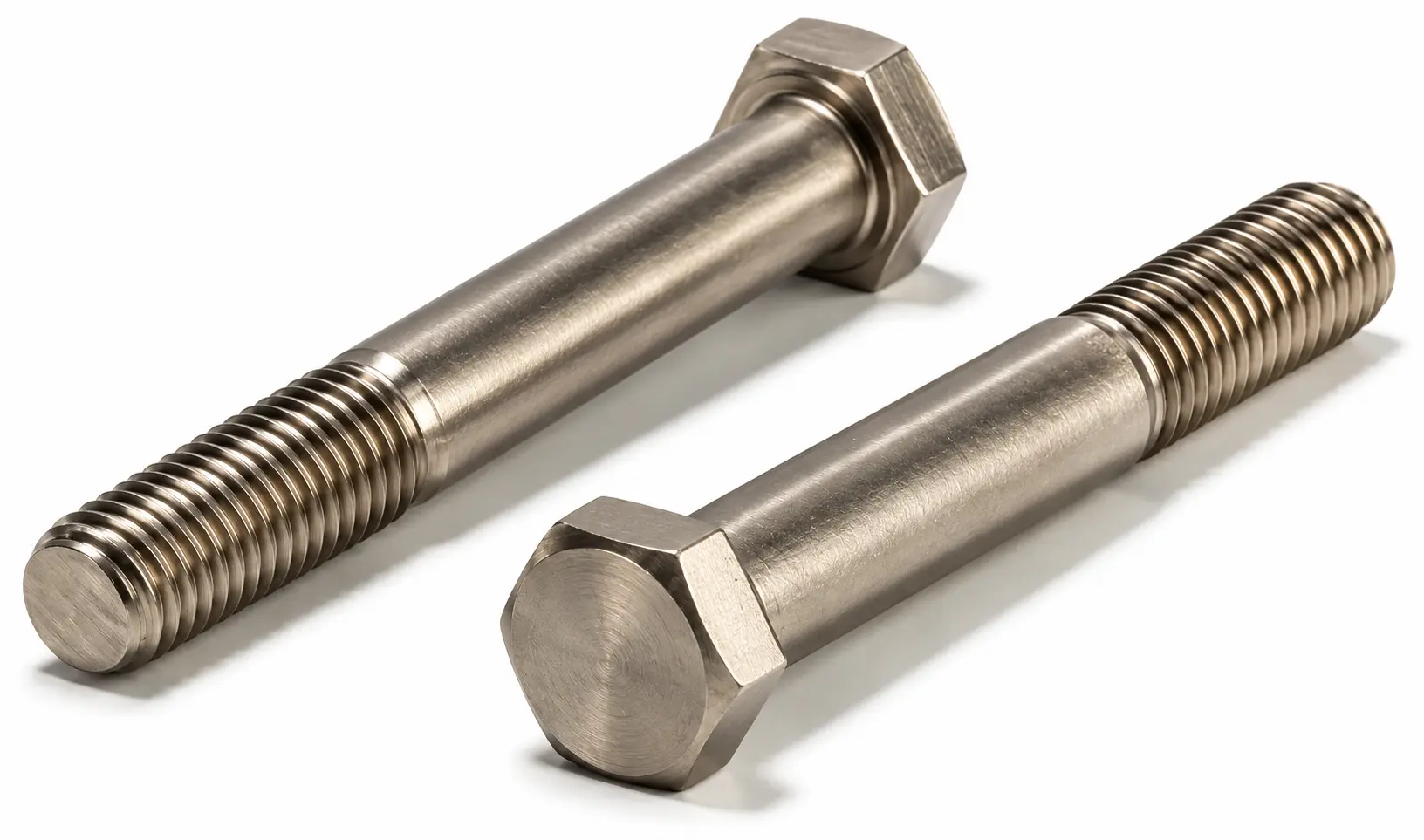
Alloy 32-5 Hex Bolts
Alloy 32-5
Hex Bolts
Alloy 32-5 Heavy Hex Bolts
Alloy 32-5
Heavy Hex Bolts
Alloy 32-5 Stud Bolts
Alloy 32-5
Stud Bolts
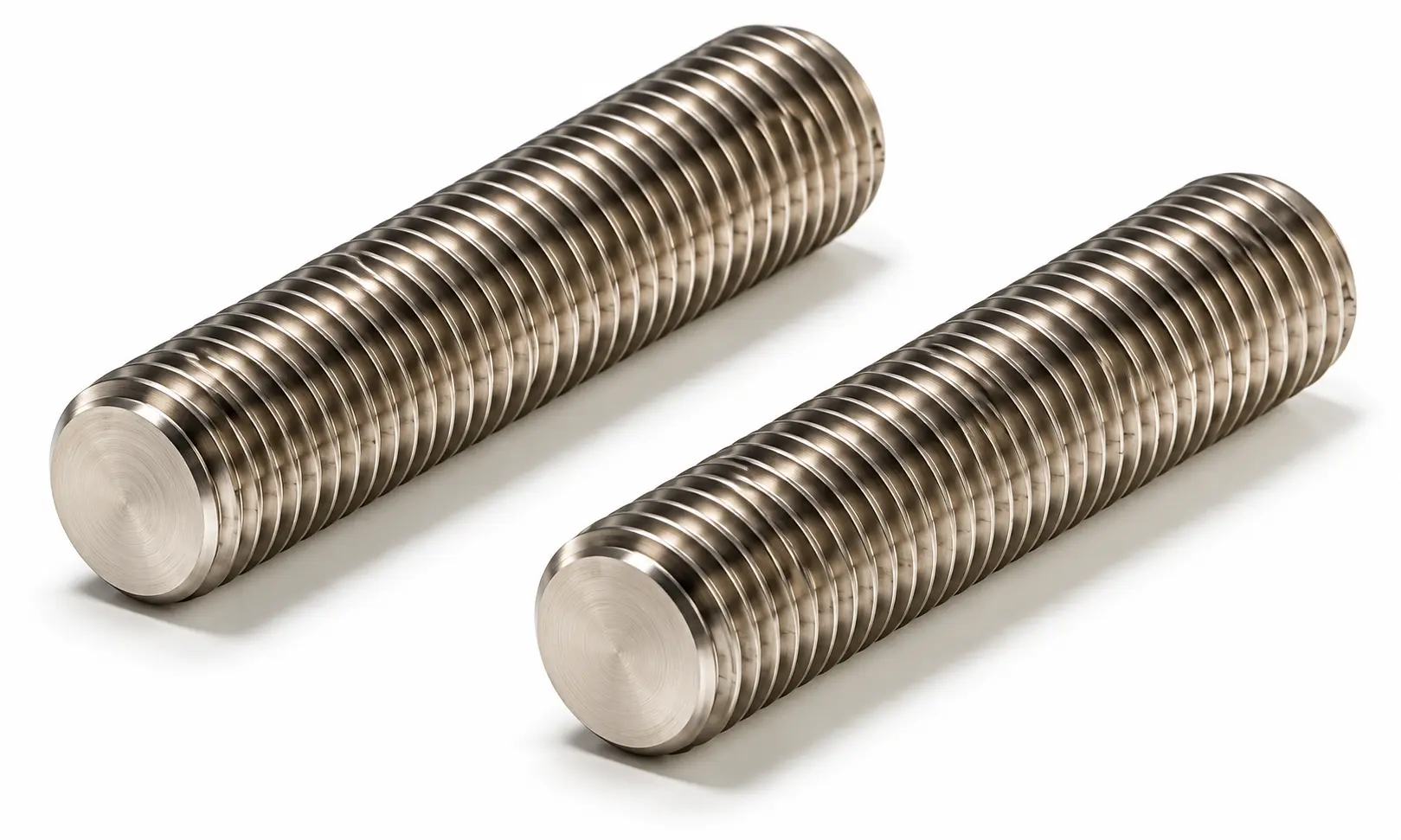
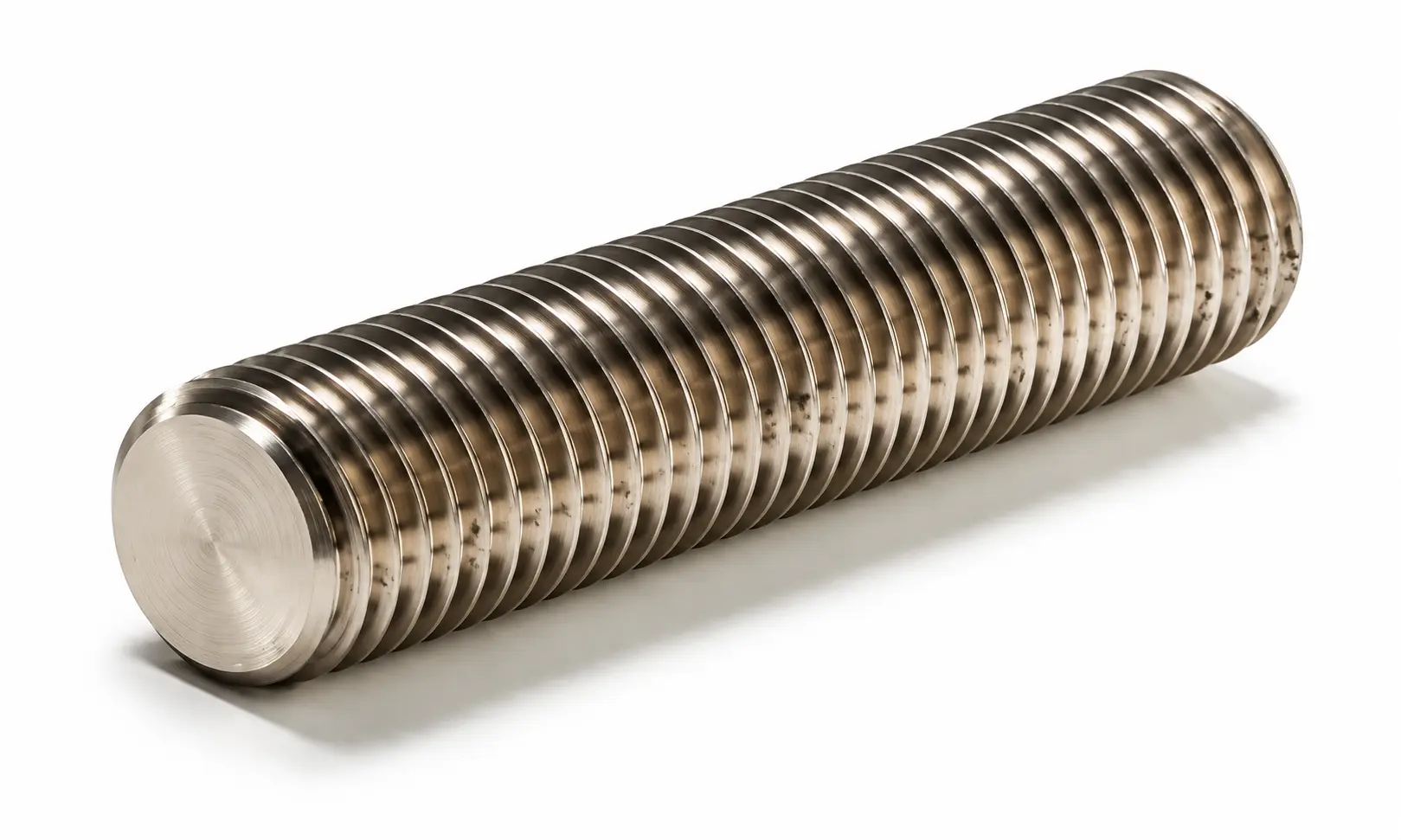
Alloy 32-5 Threaded Rods
Alloy 32-5
Threaded Rods
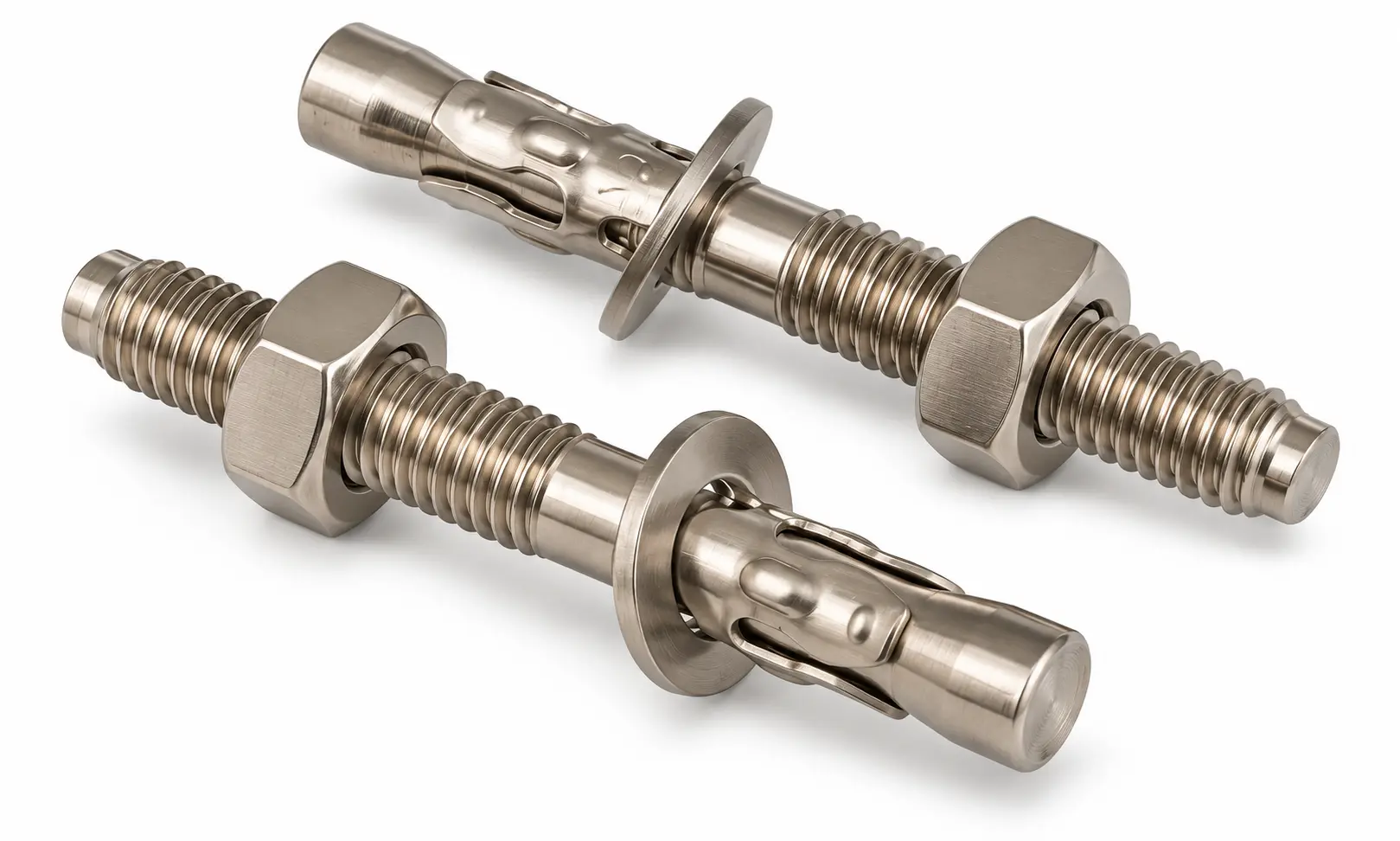
Alloy 32-5 Anchor Bolts
Alloy 32-5
Anchor Bolts
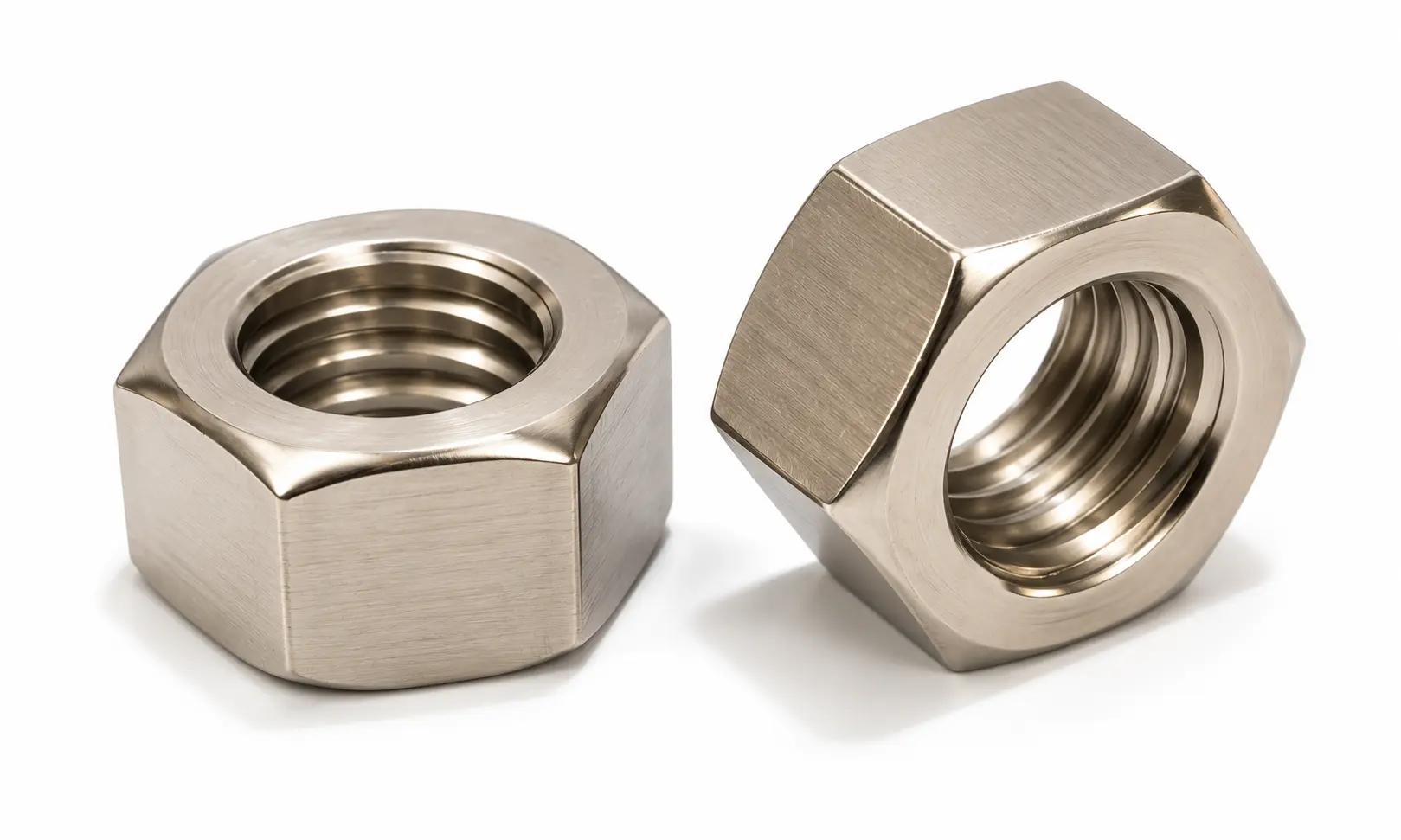
Alloy 32-5 Hex Nuts
Alloy 32-5
Hex Nuts
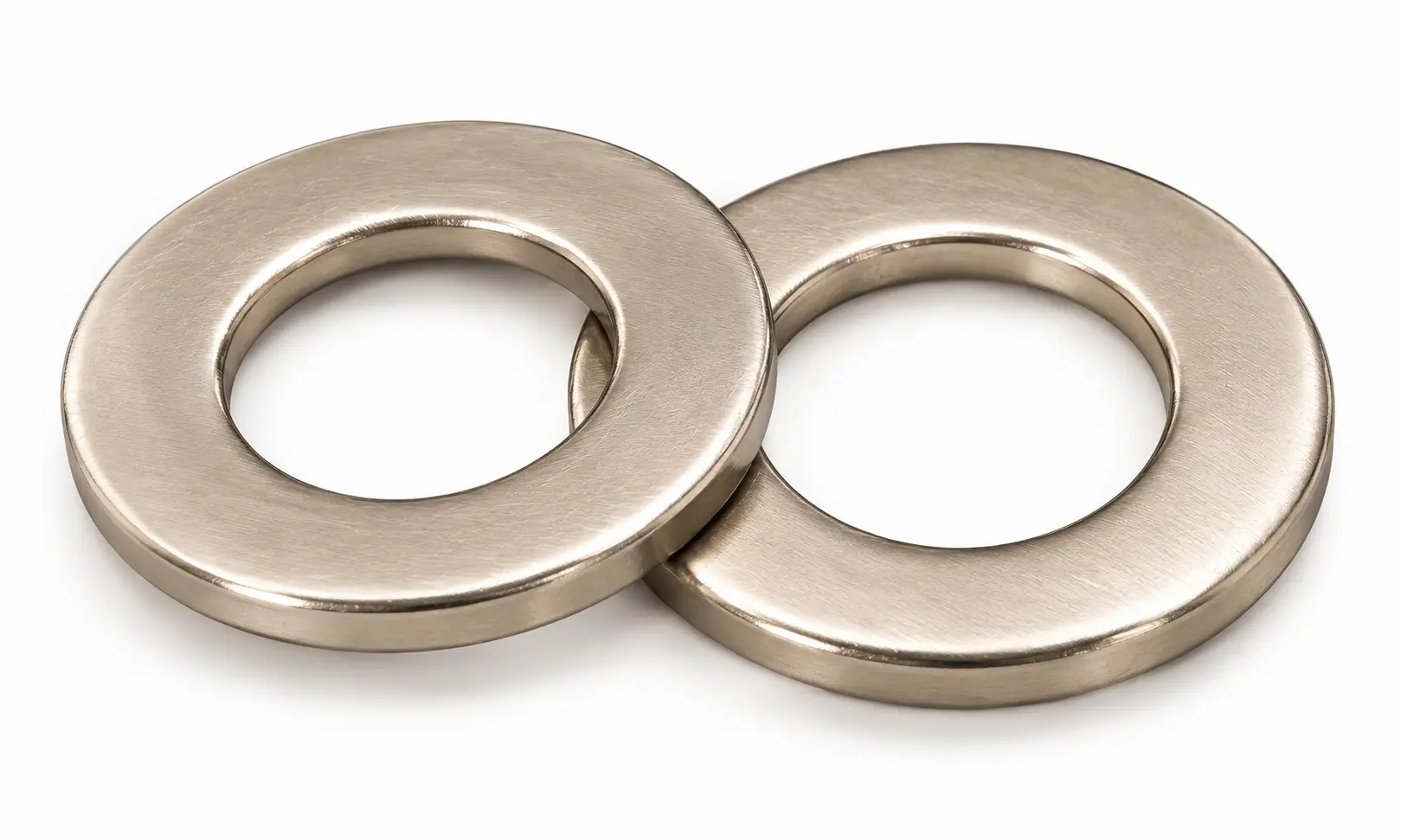
Alloy 32-5 Washers
Alloy 32-5
Washers
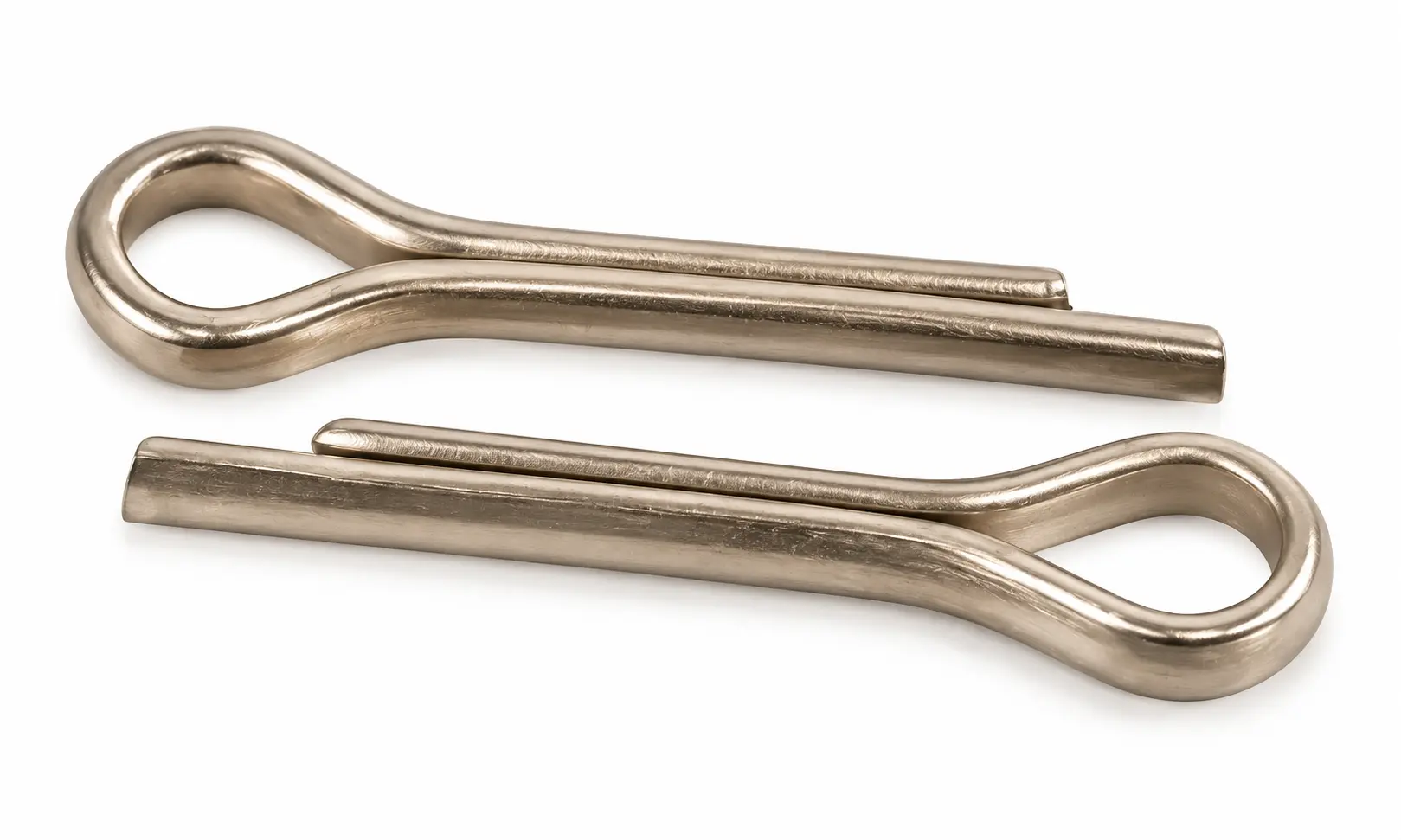
Alloy 32-5 Cotter Pins
Alloy 32-5
Cotter Pins
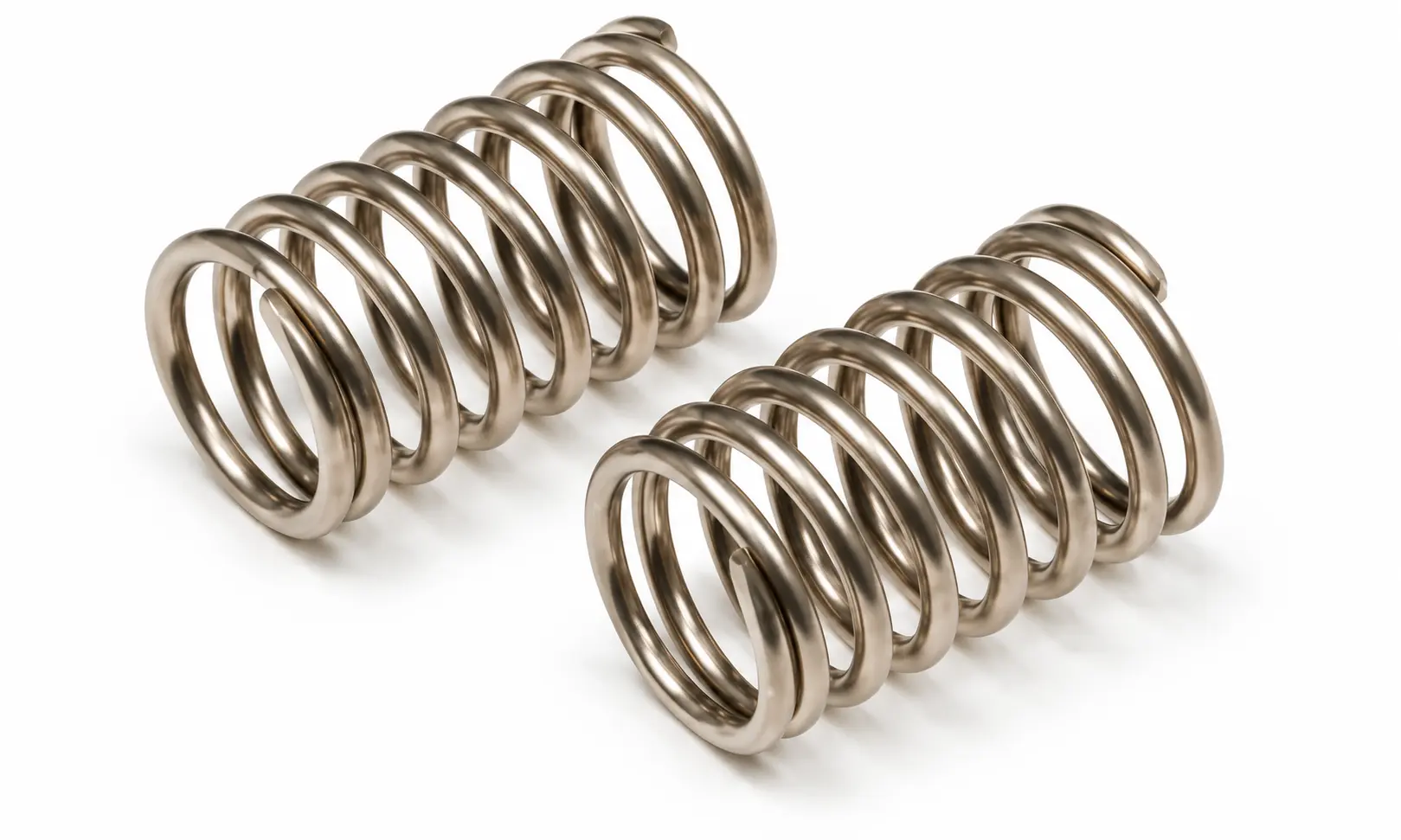
Alloy 32-5 Springs
Alloy 32-5
Springs
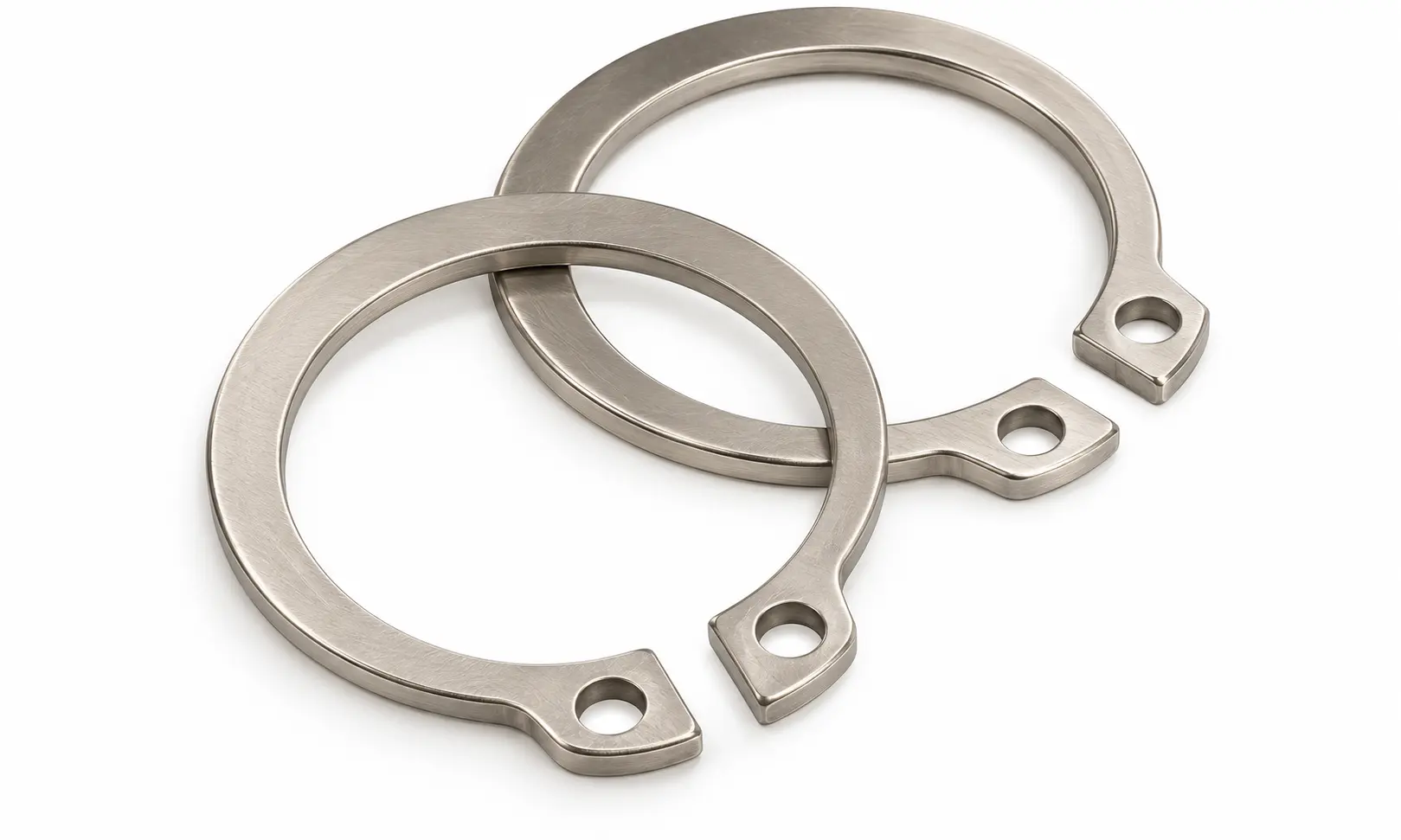
Alloy 32-5 Circlips
Alloy 32-5
Circlips
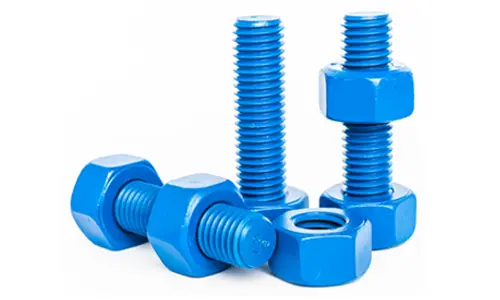
Alloy 32-5 Coated Fasteners
Alloy 32-5
Coated Fasteners
Alloy 32-5 Custom Spacers
Alloy 32-5
Custom Spacers
Technical Data

Alloy 32-5 Specifications

Chemical Composition — I Alloy 32-5 (Super Invar) (wt. %)
ElementFeNiCoMnSiC
Nominal %Balance32.005.500.400.250.02
Mechanical Properties — I Alloy 32-5 (Super Invar)
ConditionUTS (MPa)YS 0.2% (MPa)Elongation (%)Hardness
Annealed (Typical)4832764075 HRB
Cold Worked (Typical)4832764090 HRB
Martensite Start Temperature–––−80°C (−112°F)
Austenite Stability–––To at least −55°C (−67°F)
Physical Properties
Density8.15 g/cm³ (0.2940 lb/in³)
Mean Thermal Expansion0.350 × 10−⁶ in/in/°F — 0.63 µm/m·°C (−55 to 95°C)
Elastic Modulus145 GPa (21.0 × 10³ ksi)
Poisson’s Ratio0.230
Electrical Resistivity0.80 µΩ·m at 23°C
Useful Expansion Range−55 to 95°C (−67 to 203°F)
Equivalent Grades & Standards
UNSWerkstoff / DINASTM SpecificationCommon Name
K93500 – ASTM F1684 Super Invar 32-5

Key Specifications: ASTM F1684 (Iron-Nickel and Iron-Nickel-Cobalt Alloys for Low Thermal Expansion Applications), associated specification K93500. Supplied as bar — flats, rounds and squares — billet, strip and wire. Composition is held to tight tolerances because the expansion behaviour is highly sensitive to nickel and cobalt content.

Machinability: Alloy 32-5 machines similarly to, but not as well as, Type 316 austenitic stainless steel, with a machinability rating of approximately 25% that of AISI B1112. The chips are gummy and stringy, which is the main practical difficulty; work-hardened bar machines noticeably better than fully annealed material. Use tool geometries of the kind normally used for austenitic stainless, sharp edges, rigid setups and generous coolant.

Welding: the alloy is weldable by GTAW using matched filler, but welding introduces exactly the kind of localised thermal and mechanical stress that disturbs the expansion coefficient, so welded assemblies should be given the full stabilising treatment afterwards. Where dimensional stability is the reason for choosing the alloy, mechanical fastening is generally preferable to welding.

Forging & Forming: suggested forging temperature is 1093–1177°C (2000–2150°F). Heat rapidly and avoid soaking in the forging furnace, because long soaking can produce a checked surface through oxygen and sulfur contamination. The alloy may be swaged or cold upset, and presents no unusual problems in blanking and forming — around 90 HRB for best blanking, or mill-annealed strip at 75 HRB where deep drawing is involved.

Heat Treatment: for lowest thermal expansion and optimum stability, heat to 843°C (1550°F) for 1 hour and water quench, then stress relieve at 316°C (600°F) for 1 hour and air cool, then age at 93°C (200°F) for 24 hours and air cool. Simple annealing is 790°C (1450°F) held 30 minutes per inch of thickness, air cooled. Because the alloy oxidises readily above about 538°C (1000°F), heat treatment must be carried out in a protective environment — vacuum, hydrogen, dissociated ammonia or inert gas.

Alloy 32-5 gives lower thermal expansion than Invar 36 across the −55 to 95°C band, which is why it is chosen for optical benches, laser cavities and quartz and low-expansion glass assemblies where dimensional drift at room temperature is the whole problem.

There is a trap here, and it matters. Because Alloy 32-5 outperforms Invar 36 at room temperature it can look strictly better, but it does not work cold. Austenite stability is guaranteed only to −55°C and the martensite start temperature is −80°C; below that the structure transforms and the low-expansion property is lost, irreversibly for practical purposes. For cryogenic and LNG service you need Alloy 36, not Alloy 32-5. Confirm the minimum service temperature before specifying this grade.

Machining and forming stresses change the expansion coefficient. This is the single most important processing fact about this family, and Carpenter states it explicitly for Super Invar: machining, forming and deep drawing introduce stresses that promote variation in thermal expansion behaviour, so parts should be heat treated at or as close to finish size as possible. For a threaded fastener that matters a great deal, because thread rolling is heavy local cold work. Exotic Alloy therefore machines and threads first and performs the stabilising heat treatment on the finished part — if a component is machined after its final stabilising treatment, the expansion coefficient it was bought for is no longer guaranteed.

These alloys are not corrosion resistant. Chromium is an incidental residual rather than an alloying addition — 0.5% maximum in Invar 36, 0.25% maximum in Alloy 42, and not specified at all in Super Invar — so there is no passive film and these materials rust in damp air much like plain carbon steel. Nickel, cadmium, tin or dry-film coating is required for any exposed or humid service, and components are commonly supplied plated. Passivation is not an option because there is nothing to passivate.

These are property alloys, not strength alloys. All three grades are soft iron-nickel austenites with room-temperature tensile strengths around 480–490 MPa and yield strengths of 240–280 MPa — roughly comparable to annealed 304 stainless and well below any structural bolting material. Nobody specifies Invar for load. They are specified because they barely move when the temperature changes, and a fastener in one of these alloys is there to hold a dimensionally stable assembly together without introducing thermal mismatch of its own.

Invar is a registered trademark originating with Imphy Alloys, and Nilo is a trademark of the Special Metals Corporation group. Exotic Alloy is an independent manufacturer and is not affiliated with or endorsed by either; the designations are used here solely to identify the alloy chemistry, which is defined by the UNS number and ASTM specification given above.

Key Characteristics

  • Lowest room-temperature thermal expansion of the controlled-expansion family.
  • Mean coefficient of just 0.63 µm/m·°C over −55 to 95°C.
  • Lower expansion than Invar 36 across its working band.
  • Magnetic austenitic solid solution with good austenite stability to −55°C.
  • Elastic modulus of 145 GPa with a Poisson’s ratio of 0.230.

Typical Applications

  • Optical and laser systems: bench, mount and cavity fastener assemblies.
  • Semiconductor equipment: precision component and fixture fixings.
  • Waveguide tubes and microwave assembly hardware.
  • Low-expansion glass and quartz assemblies requiring matched fixings.
  • Metrology and instrument frames where room-temperature drift governs.